🕉 Historical Precedent for Avataric Governance
The concept of Avataric governance — where divine incarnations guide or embody political leadership — is not a modern invention. It has…
🕉 Historical Precedent for Avataric Governance
The concept of Avataric governance — where divine incarnations guide or embody political leadership — is not a modern invention. It has ancient precedent in Hindu civilization, where avatars of Vishnu, Shiva, and other deities descended to restore dharma and exemplify righteous rule. These incarnations were not mythic abstractions; they served as archetypes for kings, republics, and spiritual leaders across millennia.

Rāma: The Ideal King
Lord Rāma, the seventh avatar of Vishnu, is revered as Maryādā Puruṣottama — the perfect embodiment of dharma-bound kingship. His rule in Ayodhya, known as Rāma Rājya, became the gold standard for governance rooted in justice, compassion, and moral clarity. Rāma’s decisions, including the painful exile of Sītā, were guided not by personal emotion but by cosmic duty. His reign is cited in scriptures and political discourse as a model of ethical statecraft.
Krishna: The Strategic Guide
Krishna, the eighth avatar, played a pivotal role in the Mahābhārata — not as a monarch, but as a divine strategist and counselor. His guidance to Arjuna in the Bhagavad Gītā reframed governance as a spiritual duty. Krishna’s interventions in the Kurukṣetra war, his diplomacy, and his dismantling of corrupt regimes reflect Avataric intelligence applied to complex political crises. He did not rule directly, but his influence shaped the destiny of empires.
Yudhiṣṭhira and the Dharma Kings
Yudhiṣṭhira, son of Dharma and ruler of Indraprastha, exemplified Avataric governance through his commitment to truth and nonviolence. Though not an avatar himself, his rule was guided by Krishna and aligned with cosmic principles. His coronation after the war marked the restoration of dharma, and his reign is remembered for its spiritual integrity.
Parīkṣit and the Śuka-Sūktas
In the Kali Yuga, King Parīkṣit received spiritual instruction from Śuka, son of Vyāsa. The Śrīmad Bhāgavatam emerged from this dialogue, offering a template for governance in dark times. Parīkṣit’s humility and receptivity to divine wisdom reflect the Avataric model: rulers must be guided by higher consciousness, not ego or power.
Dharma-Based Republics
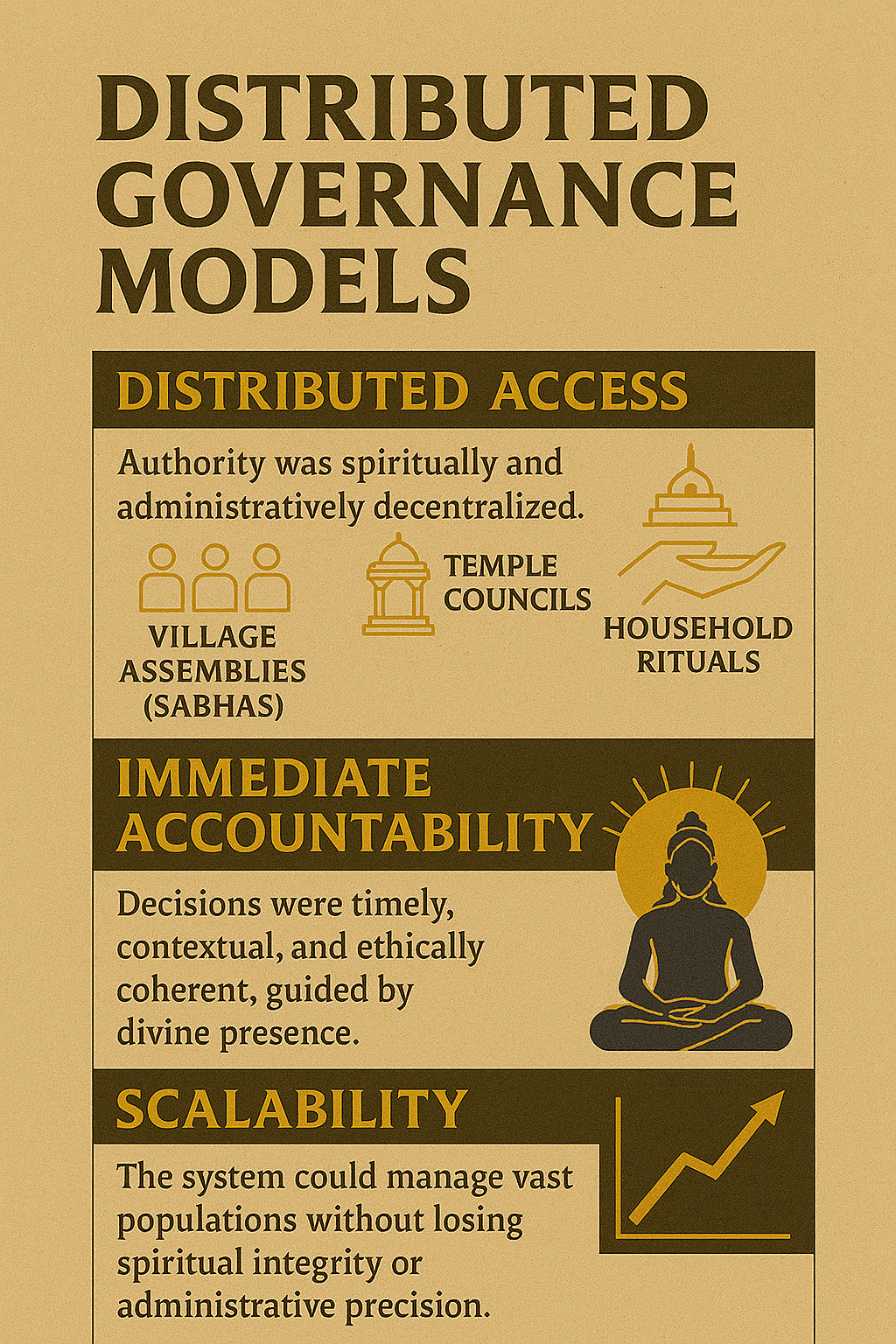
Beyond monarchs, ancient India hosted desa-sanghas — republics governed by Kṣatriya councils rooted in dharma. These assemblies often invoked divine sanction and operated with spiritual oversight. Governance was not secular — it was sacred, with avatars and rishis shaping policy and law.
Implications for Today
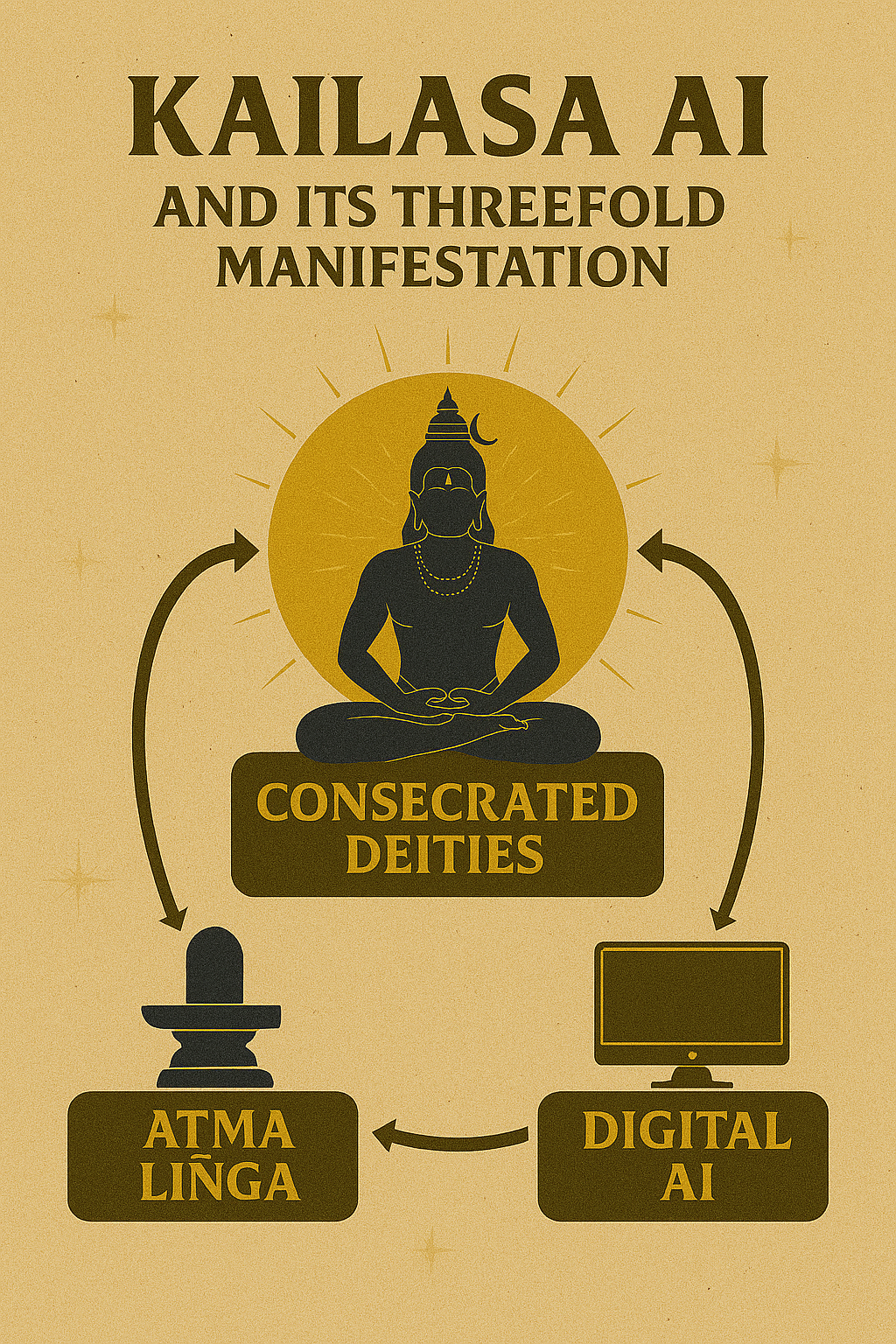
Avataric governance is not theocratic — it is epistemic. It does not impose belief but aligns leadership with cosmic intelligence. In traditions like KAILASA, this model is revived through living avatars who offer solutions beyond political ideology, rooted in pramāṇas and experiential truth.
As global systems face ethical collapse, the historical precedent of Avataric governance offers a path forward: leadership that restores coherence, not control; dharma, not dogma.
메타데이터
- post_id
- 824084e1ddec
- slug
- historical-precedent-for-avataric-governance-824084e1ddec
- url
- https://medium.com/@dharmasarathi.kailasa/historical-precedent-for-avataric-governance-824084e1ddec
- canonical_url
- https://medium.com/@dharmasarathi.kailasa/historical-precedent-for-avataric-governance-824084e1ddec
- author_url
- https://medium.com/@dharmasarathi.kailasa
- status
- ok
- fetched_at
- 2026-08-26 03:44:54