The Automotive Vehicle Ecosystem
Welcome to The Automotive Vehicle Ecosystem. What are we talking about when we reference “the automotive vehicle ecosystem”? The Automotive…
The Automotive Vehicle Ecosystem
Welcome to The Automotive Vehicle Ecosystem. What are we talking about when we reference “the automotive vehicle ecosystem”? The Automotive Ecosystem is a network of inter-connnected professionals, including traditional OEM original equipment manufacturers, vendors, suppliers, technology companies, service providers, auto auctions, buyers and sellers.

The Automotive Ecosystem
OEM | Original Equipment Manufacturers
Let’s start with the OEM or Original Equipment Manufacturers. These include automotive vehicle brands such as Chevrolet, GMC, GM General Motors, Ford, Stellantis Chrysler Dodge Jeep Ram, Lincoln, Buick, Toyota, Lexus, Nissan, Infiniti, Honda, Acura, Hyundai, Kia, Volkswagen, Audi, Mazda, Subaru, Cadillac, BMW, Mercedes Benz, and Tesla.
New cars, trucks and sport utility vehicles are manufactured all over the world utilizing OEM vendors, suppliers and technologies, which are focused on getting new vehicles completed and ready to be sold through an OEM new car store or what we call “franchise” dealerships.
FRANCHISE DEALERS | Retail Sales, Mr. & Mrs. Joe Consumer
Franchise dealerships are focused on driving retail and wholesale sales revenue by selling brand new OEM vehicles to Mr. & Mrs. Joe Consumer. Franchise dealerships or new car stores also sale used vehicles, which includes customer trade ins and wholesale auction vehicles bought online or in the auction lanes at dealer only wholesale vehicle auto auctions.
Retail vehicle sale transactions include buyers paying in full, using some cash down or a combination of cash down and buyer approved financing, or using a vehicle leasing options through niche’ lending partners, OEM programs or specific banking partners of the dealership.
LEASE VEHICLES | Lenders, Finance Companies & Repos
If Mr. & Mrs. Joe Consumer lease a new vehicle, they most likely paid a larger down payment in order to get the new vehicle for a certain price per month and for a certain term limit or contractual time to drive that vehicle before turning it back into the dealership.
Leased vehicles usually have a mileage expectation or a certain amount of miles allocated for driving that are included with the lease. For example, 36 month lease and 15K miles per year, totalling 45K miles would be the mileage expectation to be at or under when the vehicle is turned back in to the dealership. With some leasing, you simply turn in the keys and go find another vehicle, and others you might owe money for being over the mileage expectation or the dealership might offer to give you $1K down towards another new vehicle since you were under the mileage expectation.
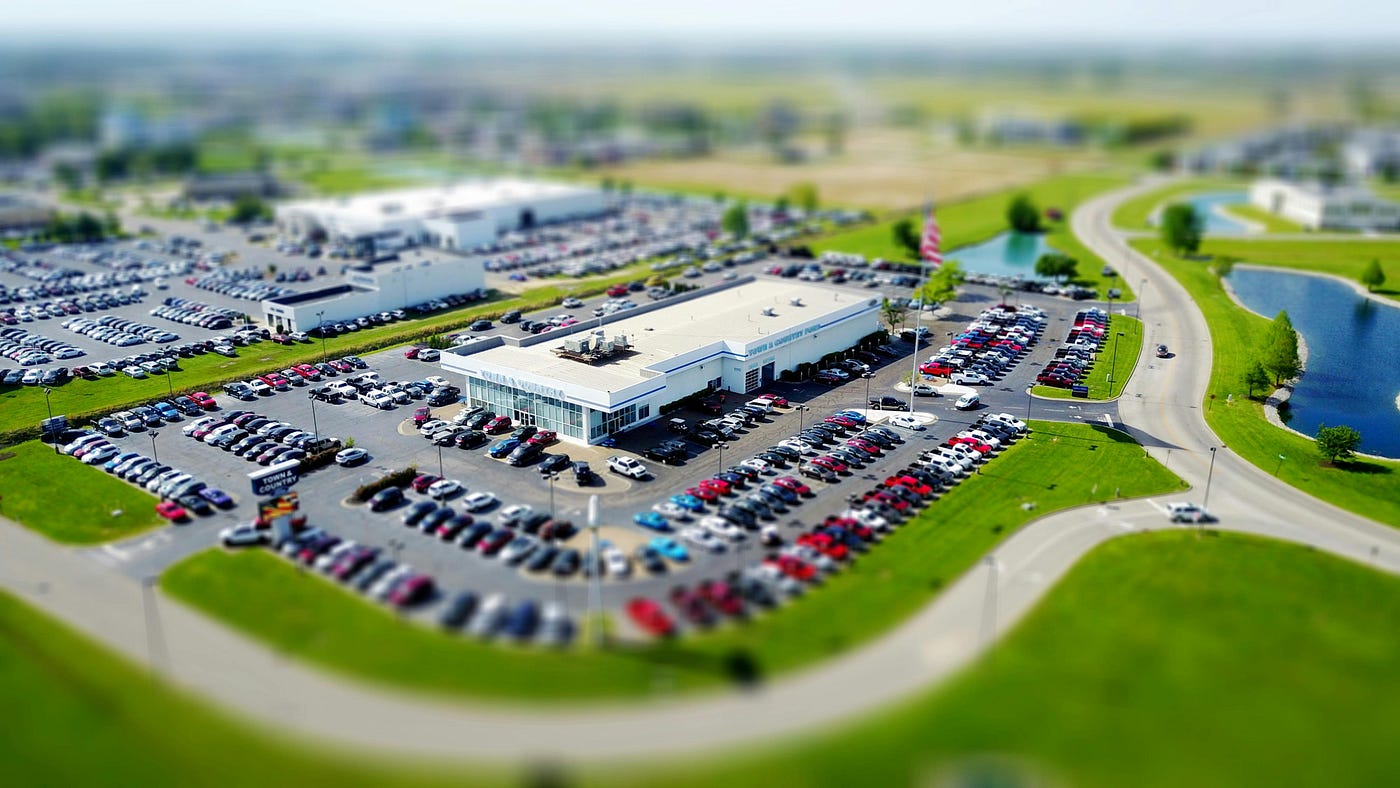
Franchise New Car Dealership
Automotive vehicle buyers finance 80–85% of all new and used cars, trucks and sport utility vehicles, either purchased directly from franchise dealerships, independent used car dealers, wholesale vehicle dealers or direct from one person to another. There are over 100 active automotive vehicle loans as of January 2026 with an increase in banking or lender repossessions ranging from 2.2% to 3% of all vehicles financed in the U.S.
INDEPENDENT USED VEHICLE DEALERS | Mr. & Mrs. Joe Consumer 2.0
Independent used vehicle dealers obtain used car, truck and sport utility vehicles directly from wholesalers or through dealer only automotive vehicle auctions. Every week these dealers visit multiple auto auctions to shop for more vehicle inventory in the lanes, in person so they can see it, touch it, smell it, check the mechanics, estimate reconditioning costs, and seeing what it’s going to take to get a used vehicle retail ready for sale. We call this the 2.0 market, as many of these vehicles are new car store trade in vehicles, retail ready aged inventories, other used dealer vehicles that need to unload vehicles not getting any attention, thus wasting space on the dealer’s retail vehicle lot.
The average new car price is $50,000 and ticking upward. Household incomes vary from state to state, but on average are $80,000 to $100,000. That being said, roughly 85% of households are shopping the 2.0 vehicle market versus buying a new vehicle every 36 months. The vehicle buyer market is more focused on more affordable budget friendly quality used vehicles. Mr. & Mr.s Joe Consumer 2.0 are holding on to used vehicles longer, which translates into a quality used vehicle shortage at the auctions, thus increasing dealer buying costs in a wholesale channel like the auto auction due to basic supply and demand economics. Which is exactly what we saw with new vehicle retail mark-ups and addendums due to the microchip shortages affecting lower new car inventories post COVID. All of these issues negatively affected consumer trade cycles, making them longer which means not as many new cars being purchased and previous buyers being buried in the last new vehicle they purchased.
The goal for any used car dealer shopping at the auto auction is to find clean used vehicles that have lower reconditioning costs in order to get a vehicle retail ready. Reconditioning includes exterior aesthetics for paint and body repairs, interior cleaning and detailing, under the hood mechanics and maintenance, under body powertrain, suspension, brakes, and tires. The more a dealer has to spend to get a vehicle retail ready, the less that dealer makes on that vehicle and that is why estimating reconditioning costs are critical to successful used car dealership operations.
AUTO AUCTIONS | Wholesale Buyers, Sellers and Types of Vehicles
Automotive Vehicle Auctions include all types of vehicles for sale directly to authorized buying and selling dealers with the appropriate state licensing and insurance. Auto auction inventories include aged front line retail ready vehicles from new car stores, unwanted used vehicle trade-ins, used wholesale vehicles, off lease vehicles, lender repossession vehicles, commercial financed inventory or floorplan financed vehicles.
Other vehicles available at auto auctions include specialty vehicles (RV Recreational Vehicles, Motorcycles, PowerSports, Travel Trailers, etc.), In-Ops or inoperable vehicles for salvage / salvage rebuilder dealers, Fleet Lease or Commercial includes “off-lease” vehicles or lender repos, and possibly rental car fleet vehicles.
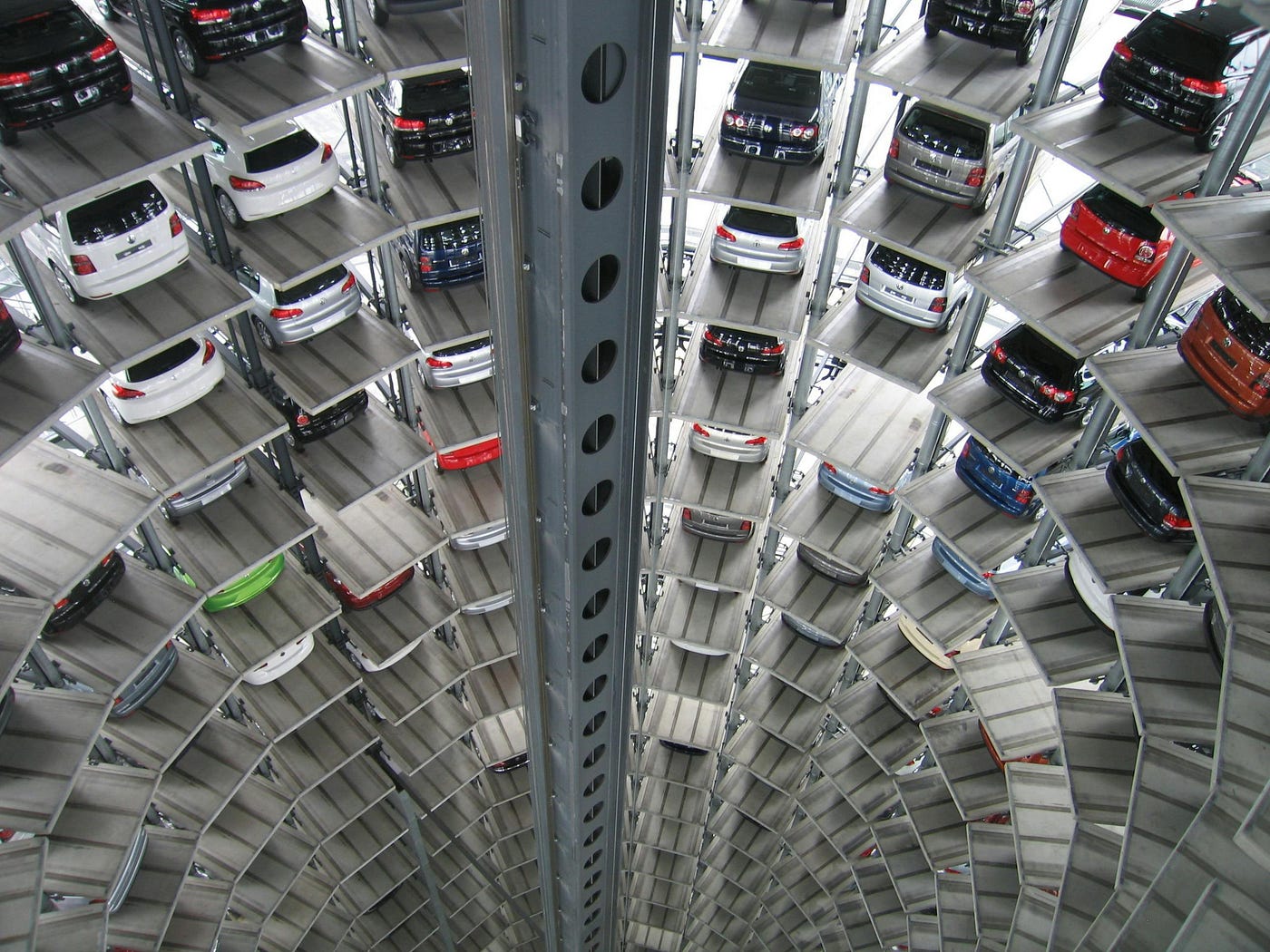
Automotive Vehicle Auctions
Auto Auctions are made up of dealer only buyers and sellers, all coming together on a certain day every week with their own goals of buying or selling inventory at wholesale prices. The dealer’s focus is to move metal or turn over the inventory as often as possible, thus lowering inventory financing costs, removing aged vehicles getting stagnant, back filling retail sales holes on the lot, capturing higher end quality vehicles with lower mileage and unloading unwanted vehicles directly to other dealers.
AUTOMOTIVE VEHICLE LIFECYCLE | OEM, Joe Consumer 2.0 and Beyond
The Automotive Vehicle Ecosystem is very complex when you drill down into each area to gain more insight, visibility and understand of the BIG picture. The 30,000 view is what we’re calling the automotive vehicle ecosystem with 15M to 17M new vehicles sold on average every year. On average 70% of Mr. & Mrs. Joe Consumer 2.0 market has a trade-in vehicle. Roughly 50% of new cars and 30% of used cars include a trade in vehicle when the transaction is completed. That equates to roughly 37M to 39M used vehicles sold every year or 52M to 56M vehicles accounting for both new and used vehicle transactions. That means estimated vehicle trade ins account for roughly 19M to 23M vehicles annually.
LET’S REVIEW
Let’s Review. OEM and OEM vendor partners build the new vehicle. OEM Franchise Dealerships buy the new vehicle from the OEM using inventory financing dollars called “floorplanning”. OEM new vehicles are front line retail ready for Mr. & Mrs. Joe Consumer, who are shopping for a new vehicle.
A trade in vehicle is part of the new car transaction and the Franchise new car store estimates reconditioning and profitability to keep the trade in vehicle for retailing to the 2.0 market or simply send to wholesale channels using either a dealer licensed wholesaler or sending directly to the automotive vehicle auction of their choosing.

Independent used car dealers shop wholesale auto auction channels for good quality used vehicle inventories every week by attending auto auctions in person or what we call “in lane” and/or online through online auction live streaming platforms, websites and auction portals. Dealer develop a target list of what they need, they set up proxy bids before the sale, then attend the auto auction sale either in person or online and competitively bid on auction vehicles with hopes to secure more retail inventory at wholesale auction prices.
This is what we call the 2.0 market for all secondary market transactions, beyond buyers and sellers of vehicles as the process continues to repeat itself throughout the life cycle of a vehicle, all the way until they day that vehicle is abandoned, crushed, or sitting in a pick your part salvage yard.
메타데이터
- post_id
- 829469e20fdf
- slug
- the-automotive-vehicle-ecosystem-829469e20fdf
- url
- https://medium.com/@mrfrankfleetwood/the-automotive-vehicle-ecosystem-829469e20fdf
- canonical_url
- https://medium.com/@mrfrankfleetwood/the-automotive-vehicle-ecosystem-829469e20fdf
- author_url
- https://medium.com/@mrfrankfleetwood
- status
- ok
- fetched_at
- 2026-06-26 03:39:16