ML4H Hub: A Structured Guide to Machine Learning for Healthcare
Inspired by Sik-Ho Tsang and Technion’s 2024 ML4H course, this hub bridges technical AI with clinical reality across EHR, imaging…
ML4H Hub: A Structured Guide to Machine Learning for Healthcare
Inspired by Sik-Ho Tsang and Technion’s 2024 ML4H course, this hub bridges technical AI with clinical reality across EHR, imaging, causality, ethics and more.
0. Clinical Foundations & Evaluation Metrics
Learn how healthcare data are represented and medical ML models are evaluated. These foundations help build useful and trustworthy systems.
0.1 Clinical data systems: [FHIR], [DICOM] 0.2 Medical Statistics: [Foundations], [Diagnostics], [Risk], [Survival], [Causality], [Validation], [Reliability]
1. Overview & Healthcare Trends
A systems view of medical AI: promise, clinical validation, workflow change, patient-facing tools, and safe deployment.

2019: [DL in healthcare], [High-performance medicine]
2. EHR Analytics & Structured Records
Structured health records can reveal early risk signals before diagnosis. EHR analytics helps detect disease earlier using routine clinical data.

2023: [Pancreatic EarlyDetect]
3. Clinical NLP & Medical LLMs
Medical LLMs help process clinical language for question answering, summarization, documentation, and decision support.
2025: [Med-PaLM 2]
4. Audio Processing & Acoustic Biomarkers
Acoustic biomarkers turn sound signals into clinical information, supporting non-invasive monitoring, screening, and diagnosis.
2024: [HeartSound]
5. Temporal & Multi-Dimensional Signals
Temporal signals reveal physiological patterns over time. Models use these sequences to support clinical prediction.
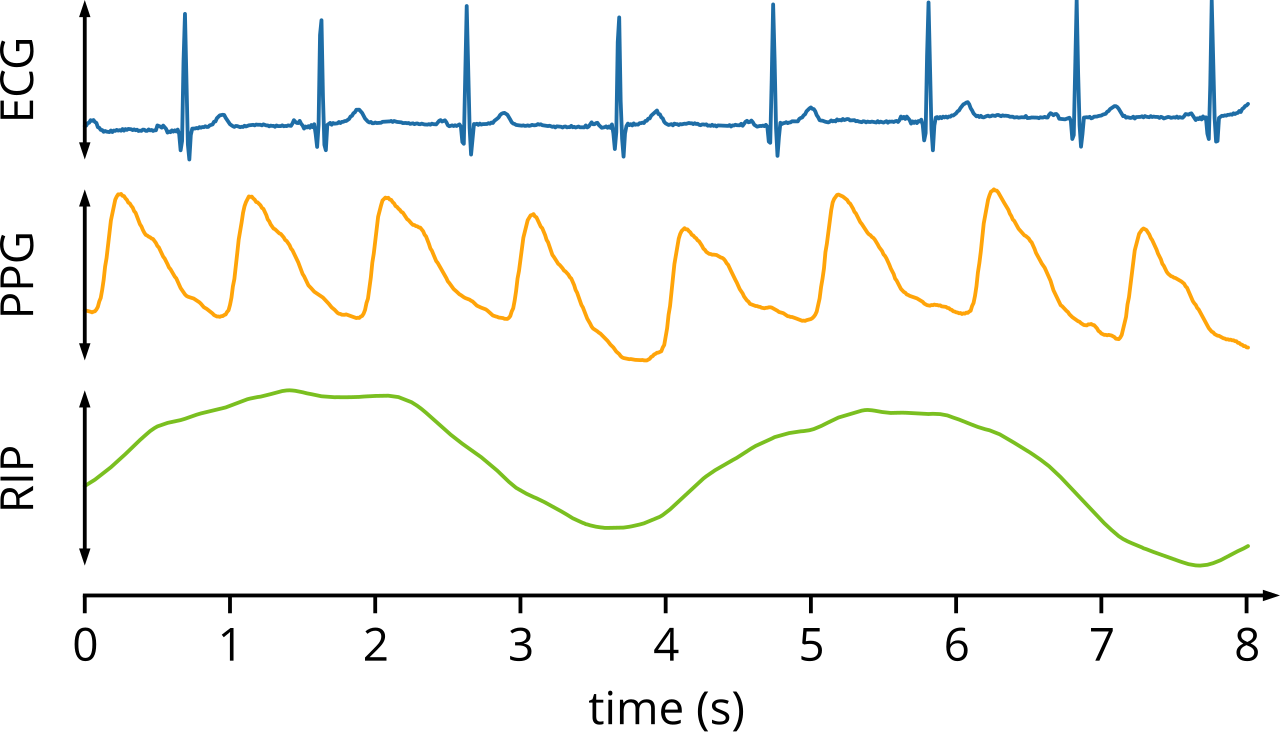
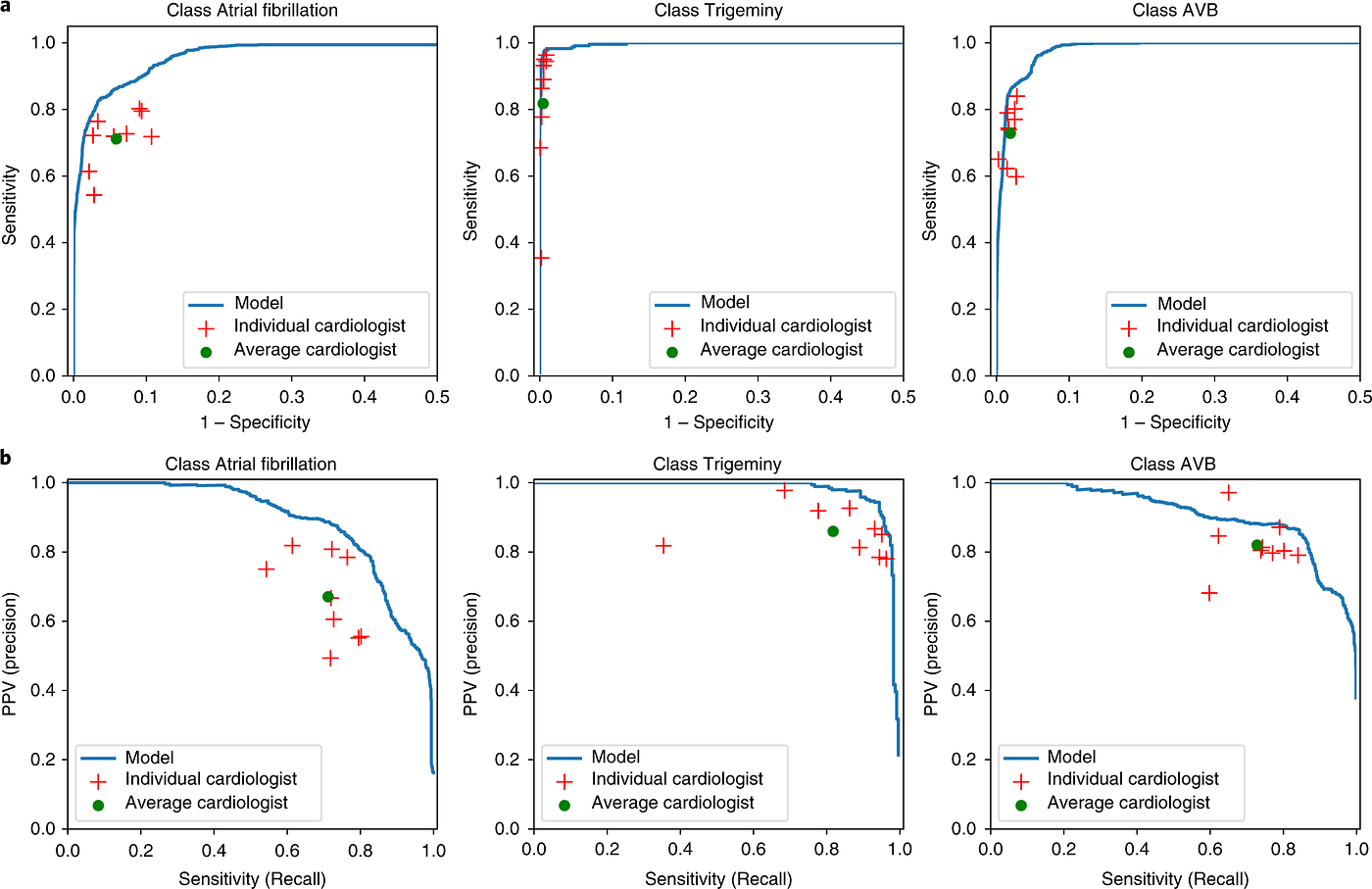
2019: [ECGRhythm]
6. Medical Computer Vision (Imaging)
Medical computer vision analyzes imaging data for classification, detection, and segmentation in clinical workflows.
2015: [U-Net]
7. Survival Analysis & Event Forecasting
Survival models estimate time-to-event risk, helping forecast clinical outcomes for prognosis and treatment planning.
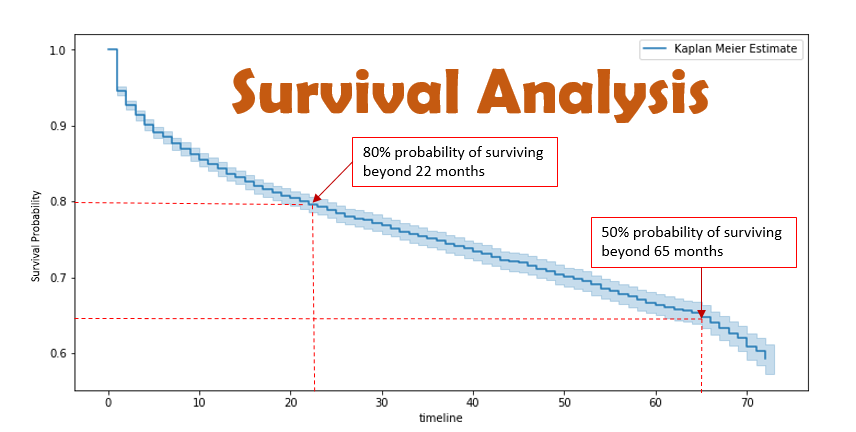
2018: [DeepSurv]
8. Causal Reasoning in Healthcare
Causal reasoning separates correlation from effect, helping make healthcare AI more reliable and clinically meaningful.
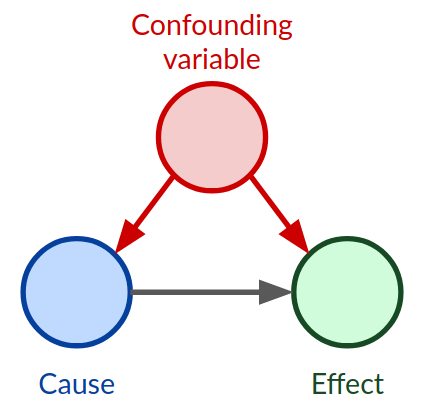
2020: [Image Causality]
9. Explainable AI (XAI) & Interpretability
XAI helps explain model decisions, but medical explanations must be reliable enough to support real clinical trust.
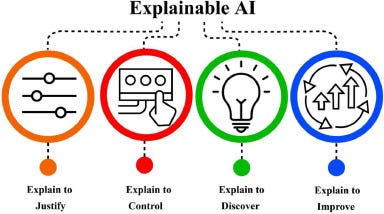
[2021]: [False Hope]
10. Multimodal Learning & Data Fusion
Multimodal learning combines clinical data sources to create richer, more context-aware medical predictions.
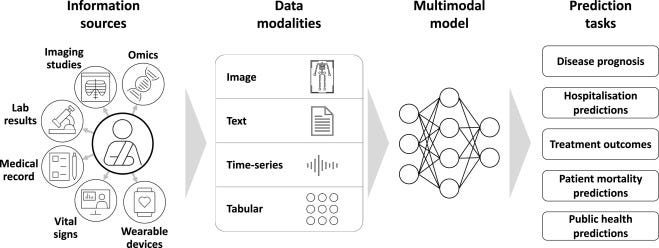
2022: [HAIM]
11. Human-AI Collaboration (HCI)
Human-AI collaboration studies clinicians and AI working together. It aims for better decisions through oversight and complementary strengths.
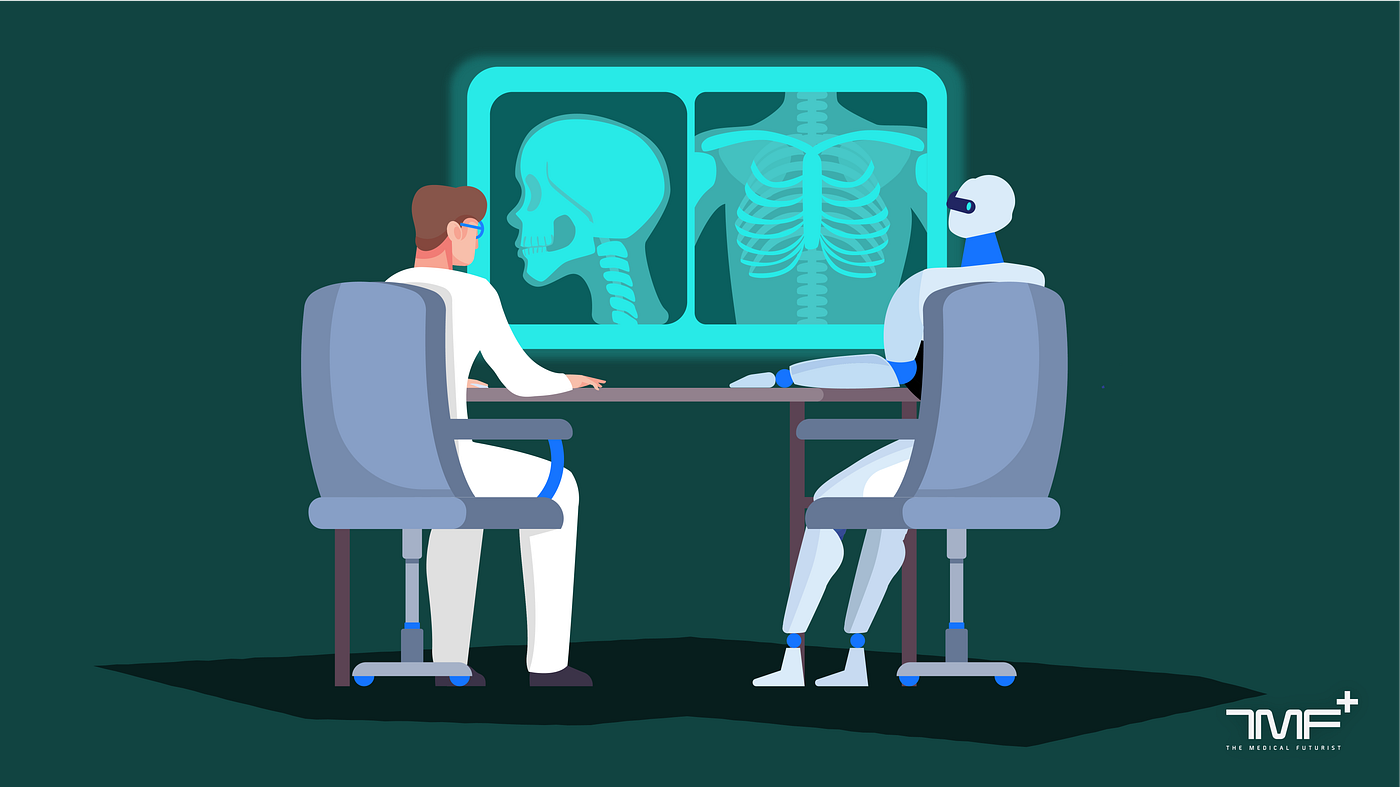
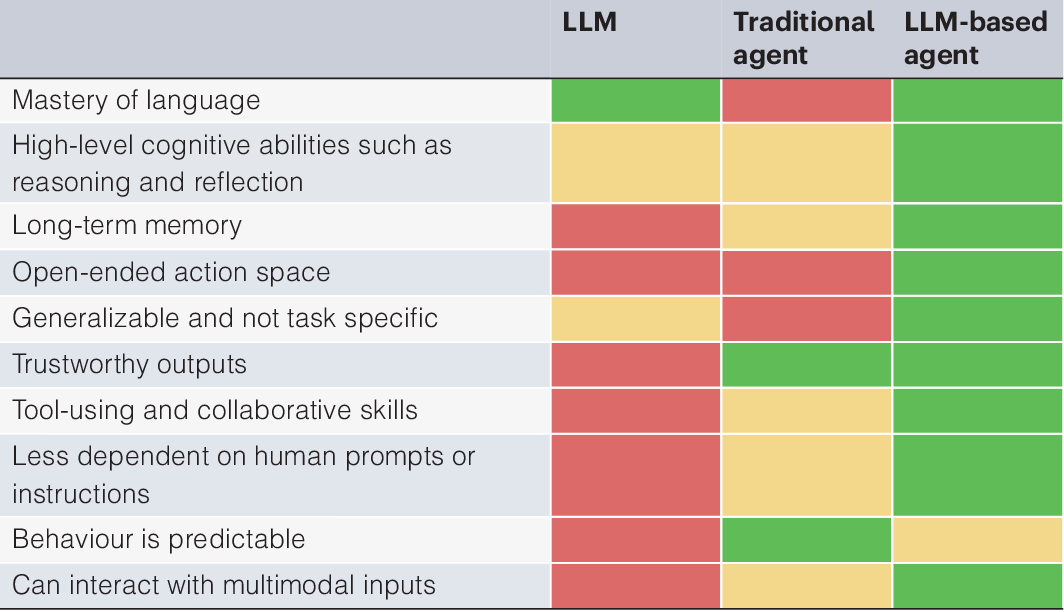
2024: [Med Agents] 2025: [1+1>2?]
12. Implementation & Real-World Impact
Clinical AI becomes useful when it fits real workflows, supports clinicians, and improves patient outcomes.
2022: [TREWS]
13. Ethics, Equity & Fairness
Fairness in medical AI means identifying bias, testing across populations, and reducing unequal clinical impact.
2019: [Race Bias]
메타데이터
- post_id
- 82d7d0dfb887
- slug
- ml4h-hub-a-structured-guide-to-machine-learning-for-healthcare-82d7d0dfb887
- url
- https://medium.com/@alexyorov/ml4h-hub-a-structured-guide-to-machine-learning-for-healthcare-82d7d0dfb887
- canonical_url
- https://medium.com/@alexyorov/ml4h-hub-a-structured-guide-to-machine-learning-for-healthcare-82d7d0dfb887
- author_url
- https://medium.com/@alexyorov
- status
- ok
- fetched_at
- 2026-07-16 18:50:24