Ayurvedic Diet for Lowering Cholesterol Levels: A Natural Way to Promote Heart Health
Cholesterol is a type of fat that is essential for the body’s normal functioning. It helps in the production of cell membranes, hormones…
Ayurvedic Diet for Lowering Cholesterol Levels: A Natural Way to Promote Heart Health
Photo by Ben White on Unsplash
Cholesterol is a type of fat that is essential for the body’s normal functioning. It helps in the production of cell membranes, hormones, and vitamin D. However, when cholesterol levels rise excessively, it can lead to serious health issues, including heart disease, stroke, and atherosclerosis. To control high cholesterol, many individuals are now turning to natural remedies, including **Ayurvedic treatment for high cholesterol**. Ayurveda, an ancient system of healing from India, promotes a holistic approach to health, emphasizing balance in the body, mind, and spirit. By focusing on diet, lifestyle, and herbs, Ayurveda offers natural ways to manage cholesterol levels and improve overall cardiovascular health.
What is High Cholesterol?
Cholesterol comes in two types: LDL (low-density lipoprotein), commonly known as “bad” cholesterol, and HDL (high-density lipoprotein), known as “good” cholesterol. While LDL contributes to plaque buildup in the arteries, leading to narrowing and reduced blood flow, HDL helps carry excess cholesterol away from the arteries and back to the liver for elimination. High levels of LDL cholesterol and low levels of HDL can increase the risk of cardiovascular diseases.
In Ayurveda, high cholesterol is often linked to an imbalance in the Kapha dosha, which governs the structure and lubrication of the body. When Kapha is aggravated, it leads to the accumulation of excess fat and toxins, contributing to higher cholesterol levels. Ayurvedic treatment for high cholesterol focuses on restoring balance to the Kapha dosha and supporting the body’s natural detoxification processes through diet, herbs, and lifestyle practices.
Ayurvedic Diet for Lowering Cholesterol Levels
- Incorporate More Fiber
A key focus of an Ayurvedic diet for lowering cholesterol is the consumption of fiber-rich foods. Fiber helps bind cholesterol molecules and prevent their absorption into the bloodstream. Foods that are high in fiber also support digestive health, which is central to Ayurveda’s approach to overall wellness. Here are some fiber-rich foods to include in your diet:
- Whole grains: Oats, barley, and brown rice are excellent sources of soluble fiber, which helps reduce LDL cholesterol levels.
- Vegetables: Leafy greens, such as spinach and kale, and root vegetables like carrots, are rich in fiber and antioxidants, both of which contribute to healthy cholesterol levels.
- Fruits: Apples, pears, and berries are particularly beneficial because of their high fiber content and heart-healthy properties.
- Legumes: Lentils, chickpeas, and beans are also great sources of fiber and plant-based protein, making them ideal for managing cholesterol.
- Healthy Fats
Although Ayurveda recognizes the importance of fats for overall health, it emphasizes the need to consume the right kinds of fats. Healthy fats support digestion, boost metabolism, and help regulate cholesterol levels. Some beneficial fats to include in your diet are:
- Ghee (clarified butter): A staple in Ayurvedic cooking, ghee is believed to promote digestion, nourish tissues, and support overall heart health when consumed in moderation.
- Olive oil: Rich in monounsaturated fats, olive oil is known to help reduce LDL cholesterol while increasing HDL cholesterol. It is also packed with antioxidants that promote cardiovascular health.
- Omega-3 fatty acids: Found in foods such as flaxseeds, chia seeds, and fatty fish like salmon, omega-3s are proven to lower triglyceride levels and improve cholesterol ratios.
- Spices and Herbs for Cholesterol Control
In Ayurveda, herbs and spices are commonly used to support digestion, reduce inflammation, and balance cholesterol levels. Several herbs have been shown to have beneficial effects on cholesterol management:
- Turmeric: The compound curcumin in turmeric has strong anti-inflammatory and antioxidant properties. It can help lower LDL cholesterol and prevent the oxidation of cholesterol, which leads to plaque buildup in the arteries.
- Ginger: Known for its ability to support digestion, ginger also aids in fat metabolism and can help reduce cholesterol levels over time.
- Garlic: Garlic has long been used in Ayurvedic medicine for its heart-protective benefits. It helps lower both LDL cholesterol and triglycerides, while increasing HDL cholesterol levels.
- Fenugreek seeds: These seeds are rich in soluble fiber and have been shown to help lower cholesterol levels by reducing the absorption of cholesterol from food.
- Antioxidant-Rich Foods
In Ayurveda, foods that are rich in antioxidants are highly recommended to protect the heart and blood vessels from damage caused by free radicals. Antioxidants help prevent oxidative stress, which can contribute to high cholesterol and plaque formation in the arteries. Foods high in antioxidants include:
- Berries: Blueberries, strawberries, and raspberries are rich in antioxidants and can help lower LDL cholesterol and improve heart health.
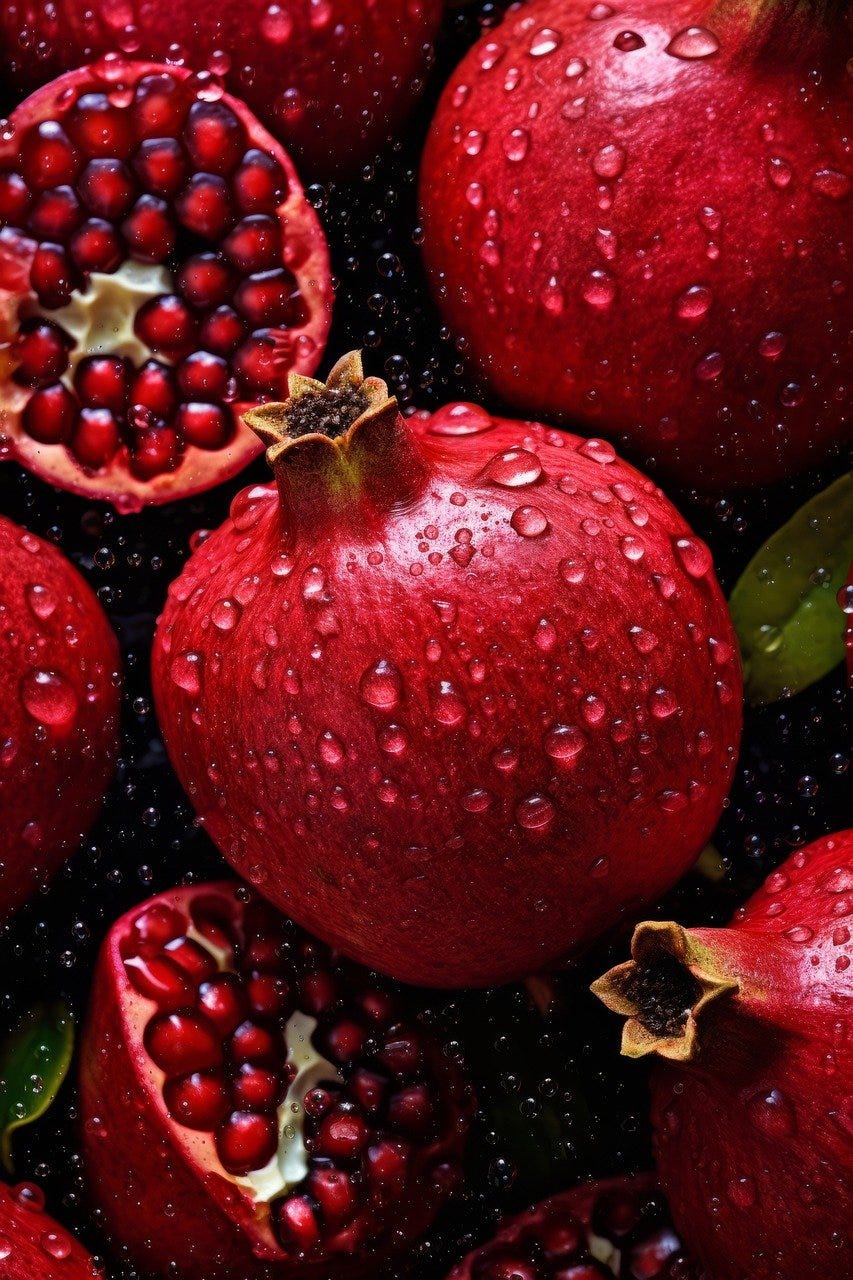
- Pomegranates: Packed with polyphenols, pomegranates help reduce LDL cholesterol and prevent inflammation in the arteries.
- Green tea: Known for its powerful antioxidant properties, green tea can help improve lipid levels and protect against heart disease.
- Easily Digestible Meals
Ayurveda emphasizes the importance of easy-to-digest foods that support optimal digestion and absorption. Foods that are hard to digest can lead to the accumulation of toxins (known as ama), which can contribute to cholesterol buildup. A well-balanced, digestible meal supports overall health and helps maintain healthy cholesterol levels. Ayurvedic dietary recommendations include:
- Warm, cooked foods: Soups, steamed vegetables, and well-cooked grains like quinoa are ideal because they are easy on the digestive system and nourish the body without causing digestive distress.
- Light meals: Ayurveda suggests eating smaller, more frequent meals throughout the day rather than heavy, large meals, which can burden the digestive system.
- Detoxifying Foods
Supporting the body’s natural detoxification processes is essential for maintaining healthy cholesterol levels. In Ayurveda, detoxification is seen as a way to remove accumulated toxins and restore balance to the body. Some detoxifying foods to include in your diet are:
- Lemon: Known for its detoxifying properties, lemon helps cleanse the liver and stimulate digestion. Drinking warm water with lemon in the morning can help kickstart your digestion and promote the elimination of toxins.
- Cilantro: A natural detoxifier, cilantro helps to remove heavy metals and other toxins from the body, aiding in cholesterol management.
Lifestyle Modifications for Cholesterol Control
Alongside dietary changes, Ayurveda recommends incorporating regular physical activity to help manage cholesterol levels. Activities such as walking, yoga, and swimming can increase HDL (good) cholesterol and reduce LDL (bad) cholesterol. Managing stress through practices like meditation and deep breathing is also crucial, as stress can lead to an increase in cholesterol levels. Ensuring adequate sleep and avoiding excessive mental and physical strain further contributes to overall health and heart well-being.
Conclusion
An Ayurvedic treatment for high cholesterol offers a natural and balanced approach to managing cholesterol levels and improving cardiovascular health. By incorporating fiber-rich foods, healthy fats, antioxidant-rich fruits and vegetables, and detoxifying herbs into your diet, you can support your heart health and maintain optimal cholesterol levels. In combination with Ayurvedic lifestyle practices, such as regular exercise and stress management, this holistic approach can help you achieve long-term wellness and reduce your risk of heart disease. Always consult with an Ayurvedic practitioner or healthcare provider before making significant changes to your diet or treatment plan to ensure it is appropriate for your individual health needs.
메타데이터
- post_id
- 82d92d8824a9
- slug
- ayurvedic-diet-for-lowering-cholesterol-levels-a-natural-way-to-promote-heart-health-82d92d8824a9
- url
- https://medium.com/@inarogyadham/ayurvedic-diet-for-lowering-cholesterol-levels-a-natural-way-to-promote-heart-health-82d92d8824a9
- canonical_url
- https://medium.com/@inarogyadham/ayurvedic-diet-for-lowering-cholesterol-levels-a-natural-way-to-promote-heart-health-82d92d8824a9
- author_url
- https://medium.com/@inarogyadham
- status
- ok
- fetched_at
- 2026-08-10 08:34:22