Elections in the Age of Misinformation. Can Democracy Survive Deepfakes in India?
“A lie can travel halfway around the world while the truth is still putting on its shoes.”— Mark Twain
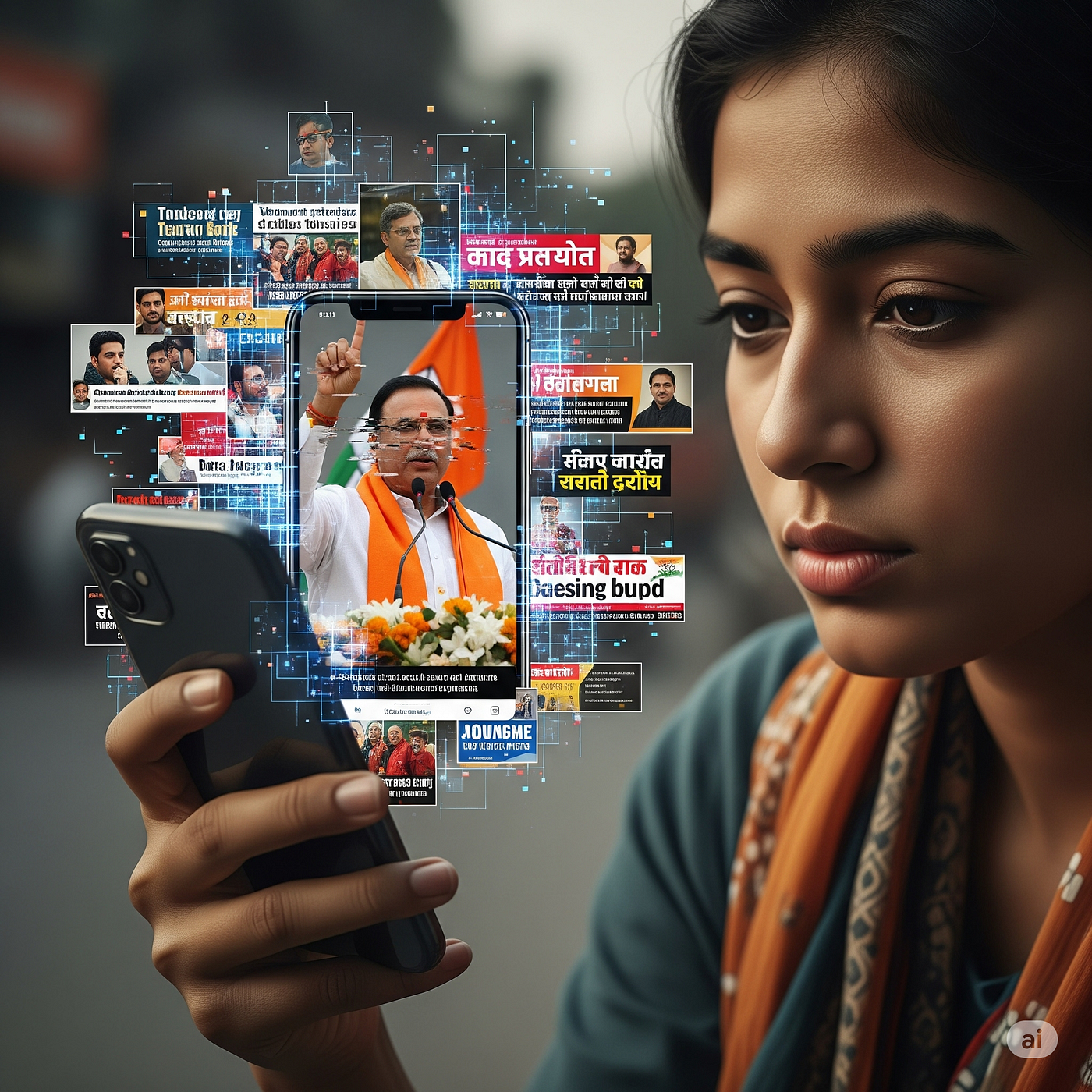
Elections in the Age of Misinformation. Can Democracy Survive Deepfakes in India?
“A lie can travel halfway around the world while the truth is still putting on its shoes.”— Mark Twain
In the world’s largest democracy, elections are not just about ballots and campaigns. They’re about trust. In 2025, that trust is threatened by a new and unsettling weapon: deepfakes.
The Rise of the Synthetic Truth
Deepfakes, which are AI-generated audio, video, or images that closely resemble reality, have shifted from tech experiments to political hazards.
In India, over 900 million voters rely on television, social media, and especially WhatsApp forwards for political news. Even a 30-second fake clip can spark outrage, fuel protests, or change voter opinions before fact-checkers can react.
The Perfect Storm for Misinformation
India’s digital environment provides a fertile ground for misinformation driven by deepfakes:
- High Social Media Use: More than 450 million Indians use WhatsApp, often in private groups where fact-checkers have no access.
- Election-Season Polarisation -With numerous political parties and local rivalries, there is constant demand for viral political content.
- Low Digital Literacy- Fast internet adoption has not kept pace with media literacy education, which leaves voters at risk.
- Language Diversity- Deepfakes in regional languages gain extra credibility and evade national monitoring efforts.
When Fiction Becomes Political Fact
During the 2024 Indian General Elections, several altered videos of political leaders went viral: Some subtly changed speeches to alter their meaning. Others invented entire statements that were never made. By the time the Election Commission of India and independent fact-checkers provided clarifications, the misinformation had already reached millions. In many cases, the damage was irreversible.
The Psychological Trap: Seeing is Believing
Deepfakes exploit our instinctual bias visual evidence feels undeniable. A 2023 study by the Indian Institute of Mass Communication found that over 60% of participants who encountered political misinformation continued to believe parts of it even after corrections were offered. The initial emotional impact is lasting; it sticks in our memory long after the “truth” is shared.
Regulation: Balancing Truth and Freedom
India faces the challenge of regulating deepfakes without drifting into censorship. Some proposals include:
- AI watermarking for political content.
- A 48-hour rapid-response fact-checking system during elections.
- Stronger penalties for those who create and spread harmful political deepfakes.
However, enforcing these measures will be difficult due to the speed and spread of misinformation.
The Voter’s Role in Safeguarding Democracy
Technology alone won’t protect the truth, citizens must be the first line of defense.
- Pause before sharing political content during election season.
- Verify information through trusted fact-checkers like AltNews, Boom Live, or Factly.
- Demand transparency from political parties about their digital campaign tactics.
The Road Ahead
Deepfakes are not going away; they’re becoming cheaper, faster, and more convincing. The crucial question is whether Indian democracy can keep up to resist them. If India can secure elections in the face of deepfake challenges, it may set a global standard for protecting democracy in the digital age.
메타데이터
- post_id
- 830fd5a87faa
- slug
- elections-in-the-age-of-misinformation-can-democracy-survive-deepfakes-in-india-830fd5a87faa
- url
- https://medium.com/@shivipareek/elections-in-the-age-of-misinformation-can-democracy-survive-deepfakes-in-india-830fd5a87faa
- canonical_url
- https://medium.com/@shivipareek/elections-in-the-age-of-misinformation-can-democracy-survive-deepfakes-in-india-830fd5a87faa
- author_url
- https://medium.com/@shivipareek
- status
- ok
- fetched_at
- 2026-06-16 19:09:56