New Weapon for Rural Housing Construction — Why more and more self built houses are starting to use…
In recent years, when you return to your hometown in the countryside, you will find an interesting change — in the past, when villages…
New Weapon for Rural Housing Construction — Why more and more self built houses are starting to use it?
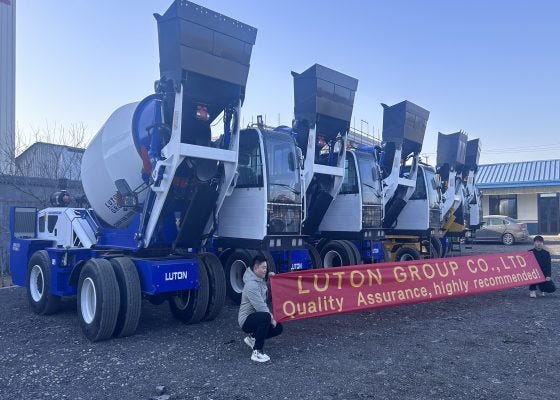
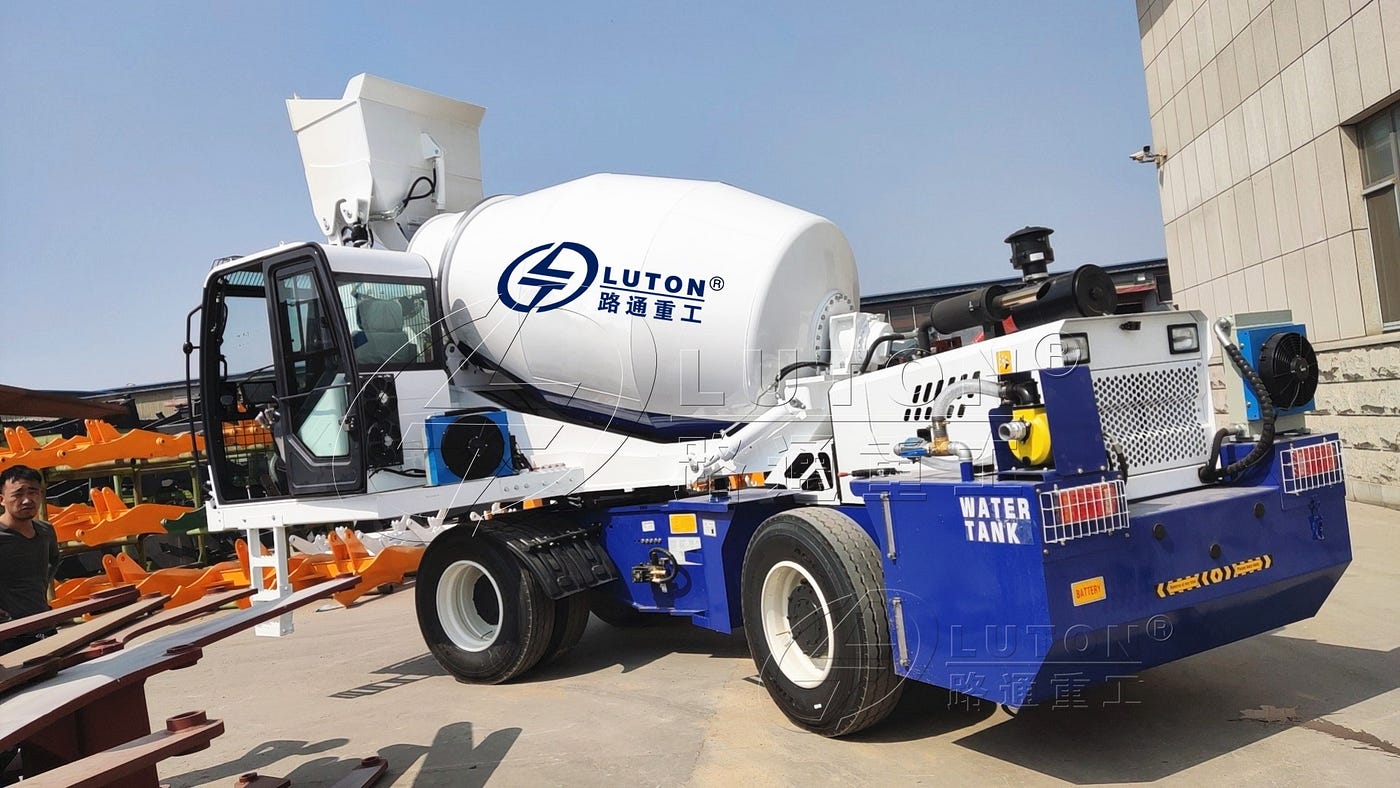
In recent years, when you return to your hometown in the countryside, you will find an interesting change — in the past, when villages built houses, they either hired people to use small drum mixers to mix the ground one shovel at a time, or called tanker trucks from a mixing plant dozens of kilometers away to pull materials. Nowadays, more and more self built construction sites have seen a big guy that can eat, mix, and transport concrete by itself — the self loading concrete mixer truck.
What pain points does it solve for building houses in rural areas? Why are more and more people starting to use it?
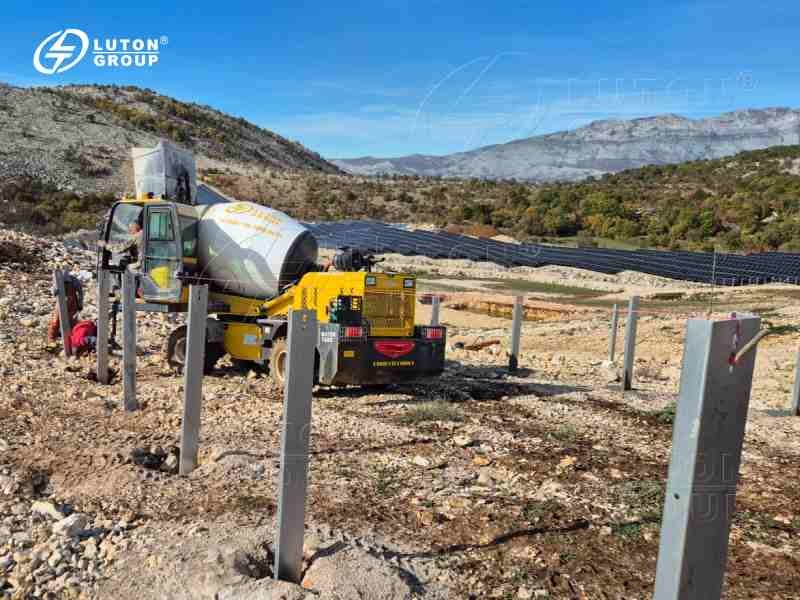
Pain Point One — The mixing plant is too far away, and the concrete cannot be transported
One of the most headache inducing issues for self built houses in rural areas is the supply of concrete. Most regular mixing plants are concentrated in county towns or cities, often tens of kilometers away from villages. The concrete transport truck takes two to three hours on the road from the mixing plant.
After such a long time, the concrete began to solidify on the road, and by the time it arrived at the construction site, the quality had already been compromised. And the transportation cost is also frighteningly high — the shipping cost alone increases by more than 110 yuan per cubic meter of concrete.
What’s even more troublesome is that many rural roads are narrow, making it impossible for large concrete tankers to enter. Any village road with a width of less than 3 meters, sharp turns, or height restrictions can block a tanker truck outside.
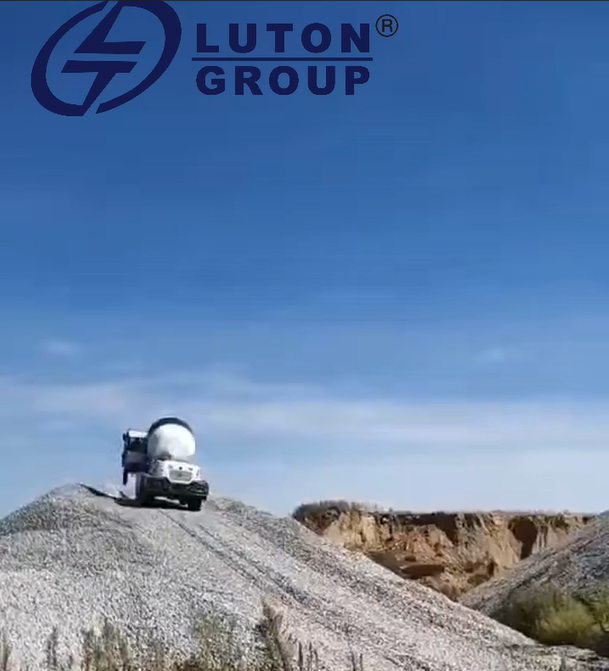
It’s different since the loading mixer truck. It is itself a ‘mobile mixing plant’ that can be directly driven to the side of the sand and gravel pile for on-site material collection, on-site mixing, and on-site pouring. You don’t need to rely on distant mixing plants, nor do you have to worry about concrete deteriorating on the road. A user from Shandong shared a real experience,” Drive directly to the edge of the sand and gravel pile, the hopper lifts up and pulls twice to fill the warehouse, stirring while walking, and discharge directly at the pouring point without stopping the car once in between.
Pain Point Two — Traditional self mixing is too laborious and the quality is not guaranteed yet
Some people may say, since the merchant mixed transportation cannot come over, can’t I mix it myself using the old method?
Okay, okay, but there are many problems. The traditional small drum mixer requires manual feeding-sand, stones, and cement are all delivered to the machine by people one shovel at a time, which is time-consuming and labor-intensive. The mixing ration is entirely based on the experience and feel of the experienced master. Today it is thick and tomorrow it is thin, and the strength of the concrete cannot be guaranteed. Moreover, a set of procedures requires at least three or four people to cooperate — someone to load the material, someone to watch the mixer, and someone to push the cart to transport the material, with high labor costs.
The self loading mixer truck has completely changed this situation. The front of the car comes with a bucket, and the driver can operate the handle alone in the cab to complete the entire process of loading, weighing, mixing, transportation, and unloading. The weighing system equipped on the equipment can control the batching error within 2%, and there is no need to worry about the problem of “mortar too thin” or “cement too thick wasting materials” anymore. The uniformity of the mixed concrete far exceeds manual operation, and there will no longer be any clumping or “flower material”.
Pain Point Three — scattered construction sites and inability to move equipment
Another characteristic of rural housing construction is scattered construction sites. Today we will pour the foundation, tomorrow we will lay the floor, and the day after tomorrow we may need to pour the courtyard or build a section of the entrance road. The traditional practice is to pull the concrete from the mixing plant and pour it all at once, wasting any that cannot be used up. Or transporting materials back and forth between different construction sites, with extremely low efficiency.
The self loading mixer truck is a ‘mixing station on wheels’. Its compact body design, with a width generally between 2.2m and 2.6m, a small turning radius, and the ability to easily pass through narrow rural roads, alleys, and even passages only a few meters wide next to residential land. Today we will pour the foundation on the east side, and tomorrow we will drive to the west side to build the floor. We can move and work on site at any time. Mix as much as you want, without wasting materials or delaying the project schedule.
메타데이터
- post_id
- 8317c8a002e0
- slug
- new-weapon-for-rural-housing-construction-why-more-and-more-self-built-houses-are-starting-to-use-8317c8a002e0
- url
- https://medium.com/@post01/new-weapon-for-rural-housing-construction-why-more-and-more-self-built-houses-are-starting-to-use-8317c8a002e0
- canonical_url
- https://medium.com/@post01/new-weapon-for-rural-housing-construction-why-more-and-more-self-built-houses-are-starting-to-use-8317c8a002e0
- author_url
- https://medium.com/@post01
- status
- ok
- fetched_at
- 2026-07-21 09:54:41