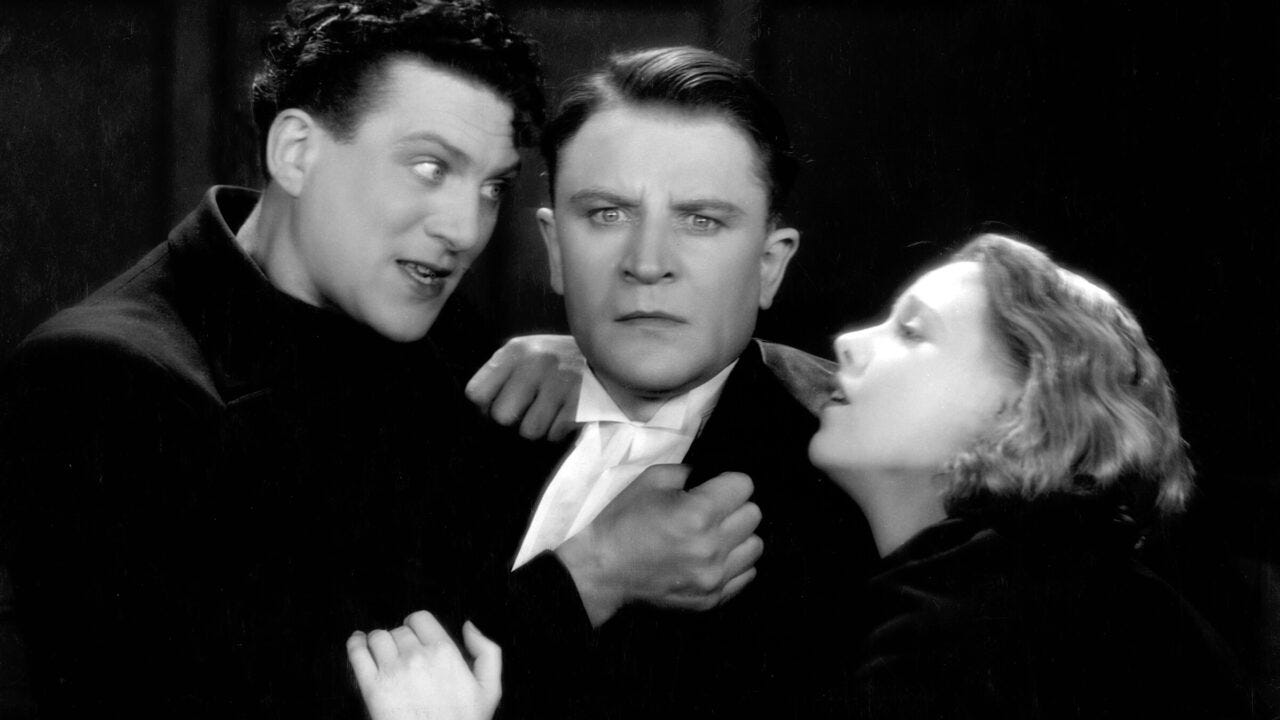
The Informer (1929) — A Half-Silent Proto-Noir
"The Informer" centers on members of a militant group known as “The Party.” They are meant to represent the Irish Republican Army (IRA) –…
The Informer (1929) — A Half-Silent Proto-Noir
The Informer centers on members of a militant group known as “The Party.” They are meant to represent the Irish Republican Army (IRA) – a group that fought against British colonial rule – but any overt political references are avoided.
In the opening, The Party is ambushed by a rival gang, and a shoot-out ensues, culminating in one of the members – Francis McPhillip – mistakenly killing the Chief of Police. The Party is forced to dissociate from Francis and send him into exile, giving him money to emigrate to the United States.
In spite of The Party's orders, Francis returns to town to say goodbye to Mum and take his girl – Katie Fox – along with him. But, as is to be expected, there is another man. Katie is really in love with McPhillip's comrade – Gypo Nolan.
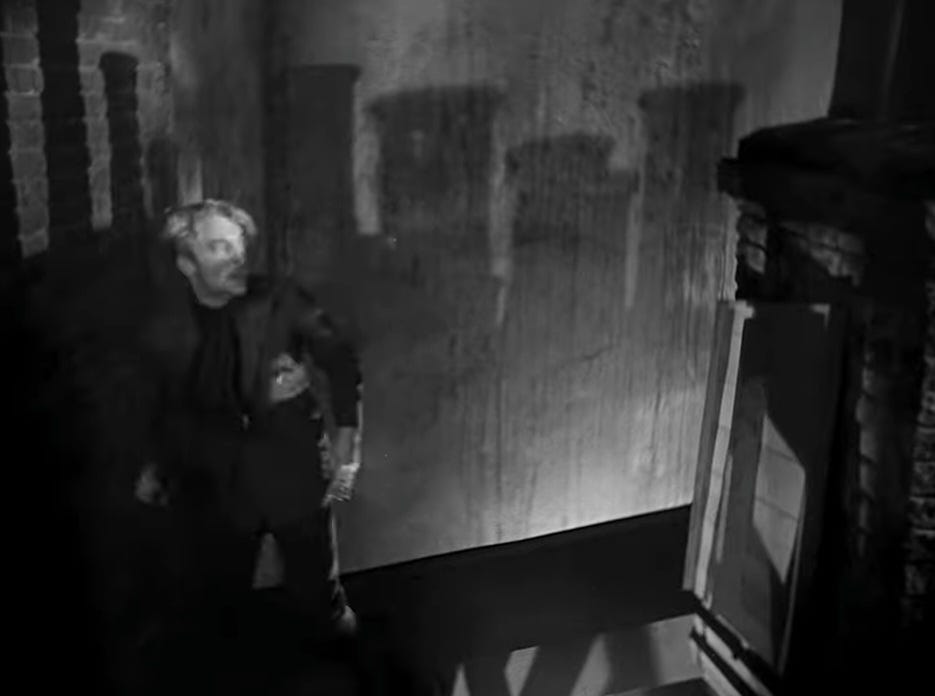
When Gypo finds Francis hiding out in Katie's flat, he is sent into a rage and driven to do the unthinkable: “blabb” to the police on McPhillip's whereabouts. The police find Francis at his Mum's house, and a big gunfight breaks out on the roof, resulting in Francis falling to his death.
The Party places a target on Gypo's back, and a manhunt commences. There is zero tolerance in The Party for informers.
This is an adaptation of a 1925 novel by Liam O'Flaherty, produced by British International Pictures. The director was Arthur Robison, a man born and raised in Chicago who later emigrated to Germany, where he would become involved in the Expressionist film movement. He is best known for the film Schatten A.K.A. Warning Shadows (1923), which featured noted German actors such as Fritz Kortner, Gustav von Wangenheim and Alexander Granach.
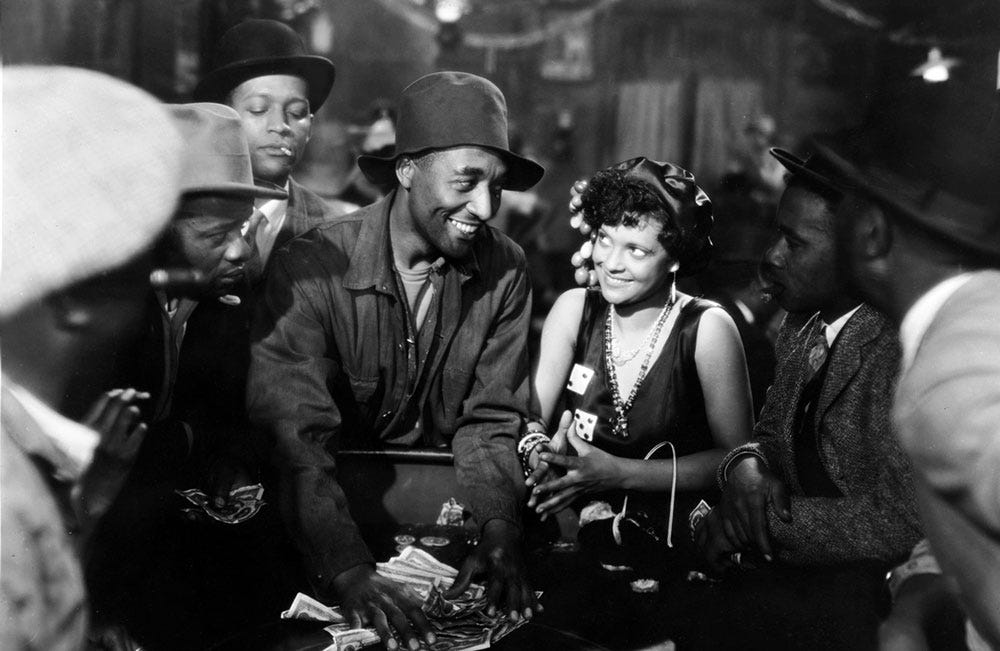
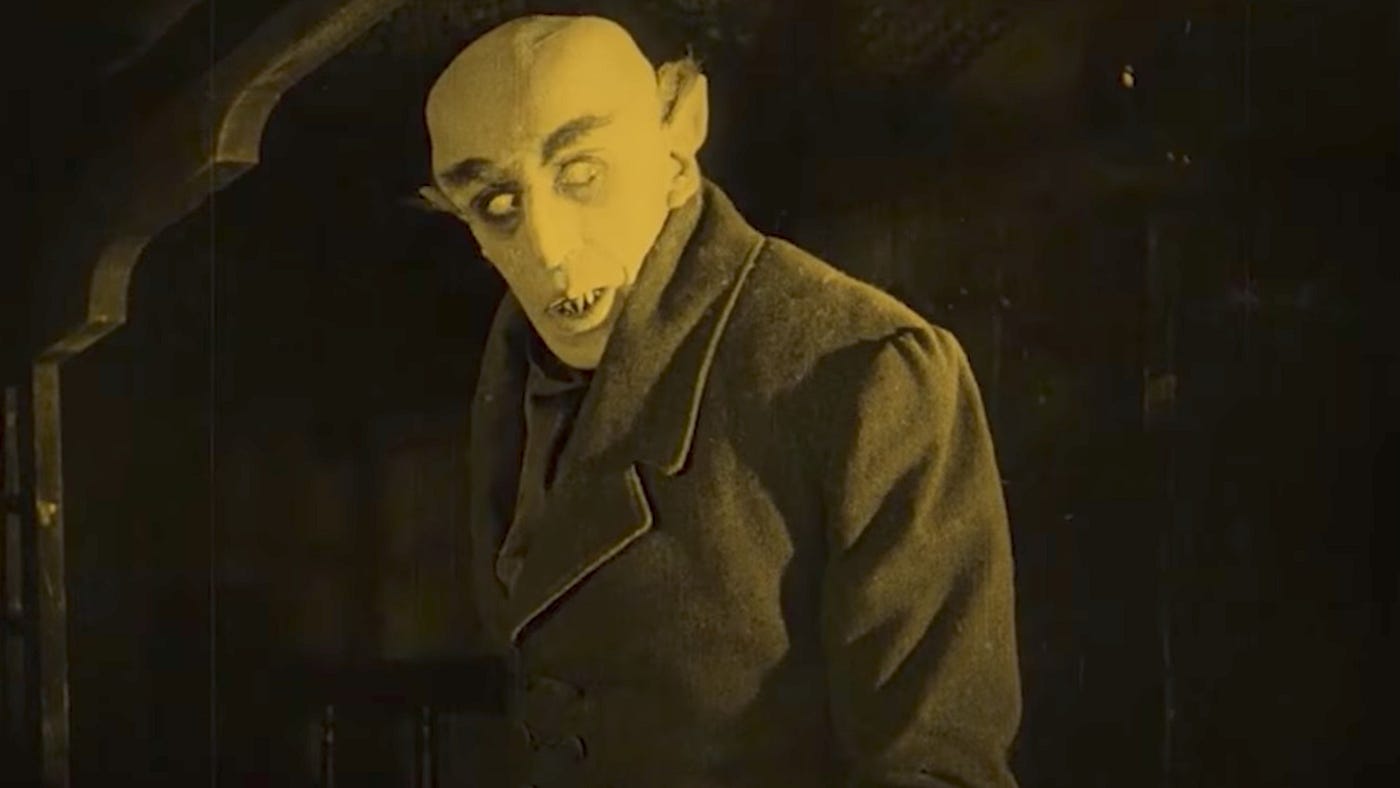
Robison’s The Informer can be coupled with Fritz Lang’s M (1931) as prime representations of the middle-ground era between German Expressionism and film noir, as you see the influences of the former style morphing into the latter. The cinematography by Werner Brandes and Theodor Sparkuhl is dark and gloomy. Characters are framed in shafts of light and shadow. Rooms are clouded with gunsmoke. The film’s main antagonist – Party Leader Dan Gallagher – is dressed in a trenchcoat and fedora.

On top of its stylistic similarities, the film has a classic man-on-the-run plot that would become a staple of film noir. It wouldn't be hard to imagine Fritz Lang drawing inspiration from this film for his own crime thriller M. Lang would escalate matters by making his fugitive character a child predator, and having him be pursued from both sides of the law: the cops and the crooks.
The most impressive shot in The Informer depicts Gypo as he sees the wanted poster for McPhillip's arrest, turns around, and marches across the street towards the police station, as the camera follows behind his back. It figures that the best shot in the film would prominently display a neon sign reading, “CINEMA.”

In 1935, RKO Radio Pictures would produce their own adaptation of Liam O'Flaherty's novel, which earned four Academy Awards, including one for John Ford as Best Director. A similar situation would happen over seven decades later with Martin Scorsese and The Departed (2006), a remake of a South Korean police drama titled Infernal Affairs (2002).
Speaking of which, the final sequence of The Informer contains some strong religious iconography that I'm sure Scorsese must have gotten a kick out of.

The Informer was released in both a silent version and a synchronized sound version, although the latter only becomes a talkie in the second half. The dialogue is all dubbed over, and sounds rather strange.
In the role of Gypo Nolan is Lars Hanson, best remembered for his romantic leading man roles opposite Greta Garbo in Flesh and the Devil (1926) and The Divine Woman (1928).

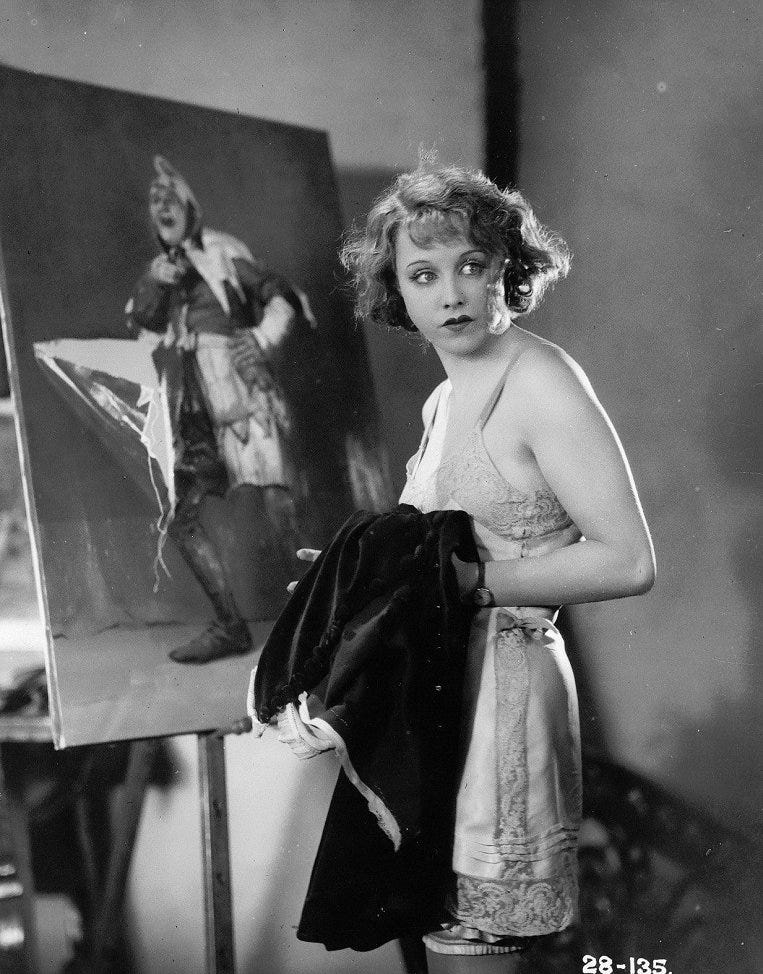
Meanwhile, Katie Fox is played by Hungarian actress Lya De Putti. In a similar situation to Anny Ondra in Alfred Hitchcock’s *Blackmail* (1929), it was determined that De Putti’s accent did not suit her character, but instead of hiring an actress with an Irish accent to dub her voice, they got an Englishwoman instead.
I have not seen John Ford's version of The Informer, so I cannot compare the two films. However, I can say that the original British adaptation is worth seeing if you want a stylish proto-noir with one foot in the silent era and the other in the sound era.

메타데이터
- post_id
- 83a8f26f3d9a
- slug
- the-informer-1929-a-half-silent-proto-noir-83a8f26f3d9a
- url
- https://medium.com/the-early-years/the-informer-1929-a-half-silent-proto-noir-83a8f26f3d9a
- canonical_url
- https://medium.com/the-early-years/the-informer-1929-a-half-silent-proto-noir-83a8f26f3d9a
- author_url
- https://medium.com/@itsonlyamovieshow
- status
- ok
- fetched_at
- 2026-06-13 07:35:29