The Future of Eco-Friendly Handmade Fashion in Nepal
The fashion industry is entering a new era where sustainability, ethical production, and craftsmanship are becoming essential rather than…
The Future of Eco-Friendly Handmade Fashion in Nepal
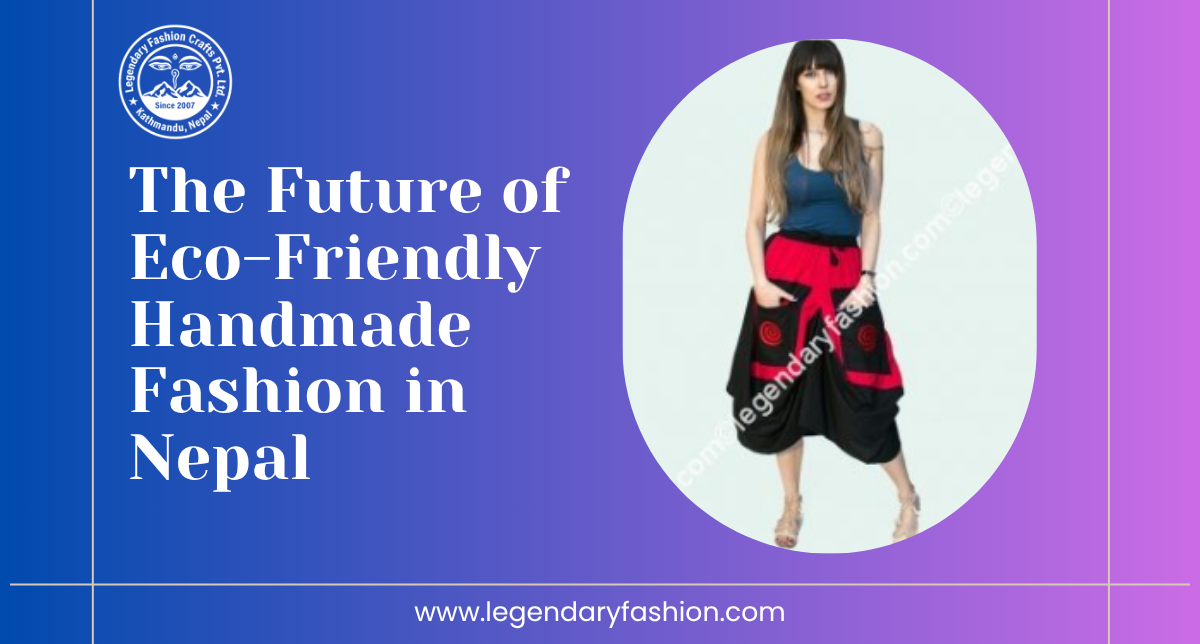
The fashion industry is entering a new era where sustainability, ethical production, and craftsmanship are becoming essential rather than optional. Consumers around the world are paying closer attention to the origins of their clothing, the materials used, and the impact their purchases have on people and the environment. This shift is creating new opportunities for countries that can offer authentic, sustainable, and responsibly produced apparel.
Nepal is emerging as one of those destinations. Known for its rich tradition of artisan craftsmanship, natural fibers, and handmade textile production, the country is becoming an important contributor to the global sustainable fashion movement. As demand for eco-friendly clothing continues to rise, Nepal’s handmade fashion industry is positioned for significant growth.
For manufacturers like Legendary Fashion Crafts, the future of eco-friendly handmade fashion represents an opportunity to combine traditional skills with modern sustainability practices to meet the evolving needs of international brands and consumers.
In this article, we explore the future of eco-friendly handmade fashion in Nepal, the trends driving its growth, and why the country’s sustainable apparel sector is attracting increasing global attention.
Understanding Eco-Friendly Handmade Fashion
Eco-friendly handmade fashion refers to garments and accessories produced using sustainable materials, ethical labor practices, and artisan craftsmanship.
Unlike mass-produced fashion, handmade clothing often emphasizes:
- Quality over quantity
- Sustainable sourcing
- Reduced waste
- Ethical production
- Long-lasting durability
- Traditional craftsmanship
The focus is not only on creating attractive products but also on minimizing environmental impact and supporting communities involved in production.
As sustainability becomes a major factor in purchasing decisions, eco-friendly handmade fashion is gaining momentum across global markets.
Why Nepal Is Well Positioned for Sustainable Fashion Growth
Nepal possesses several advantages that make it an ideal hub for eco-friendly handmade fashion.
Strong Artisan Heritage
Nepal has a long history of weaving, knitting, embroidery, and textile craftsmanship. These traditional skills remain highly valued and continue to influence contemporary fashion production.
Access to Natural Materials
The country has access to sustainable fibers such as hemp, wool, cotton, and other natural textiles that align with environmentally conscious manufacturing.
Skilled Workforce
Generations of craftsmanship have produced a workforce capable of creating high-quality handmade products for international markets.
Growing Manufacturing Expertise
Nepalese manufacturers are increasingly combining traditional techniques with modern production methods to improve efficiency while preserving craftsmanship.
These strengths provide a solid foundation for future growth within the sustainable fashion sector.
Rising Global Demand for Sustainable Clothing
One of the biggest factors shaping the future of eco-friendly handmade fashion in Nepal is increasing consumer demand.
Around the world, shoppers are becoming more aware of:
- Environmental sustainability
- Ethical labor practices
- Product transparency
- Responsible sourcing
- Quality and durability
Consumers are increasingly choosing brands that align with their values.
This shift has encouraged fashion companies to seek manufacturing partners capable of producing sustainable products without compromising quality.
Nepal’s handmade fashion industry is well positioned to meet these expectations.
The Growth of Slow Fashion
The slow fashion movement is transforming how consumers think about clothing.
Instead of purchasing large quantities of low-cost garments, many shoppers now prioritize:
- Better quality
- Longer product lifespan
- Ethical production
- Timeless designs
- Reduced consumption
Handmade fashion naturally supports these principles.
Artisan-crafted garments often require greater attention to detail and are designed to last longer than many fast fashion alternatives.
As the slow fashion movement continues to expand, Nepal’s handmade apparel sector is expected to benefit significantly.
Sustainable Materials Will Drive Future Innovation
Material innovation will play a major role in the future of eco-friendly fashion.
Consumers increasingly prefer textiles that offer environmental benefits while maintaining comfort and durability.
Nepal’s sustainable fashion industry is already utilizing materials such as:
Hemp
Hemp is one of the country’s most recognized sustainable fibers. It requires relatively fewer resources and offers excellent durability.
Organic Cotton
Organic cotton remains a preferred choice for brands seeking environmentally responsible textile options.
Natural Wool
Locally sourced wool supports traditional craftsmanship while providing warmth and longevity.
Recycled Fibers
The use of recycled materials helps reduce waste and supports circular fashion initiatives.
Plant-Based Textiles
Emerging plant-based fibers are expected to create additional opportunities for sustainable apparel development.
As demand for environmentally responsible materials grows, Nepal’s manufacturers will continue expanding their use of sustainable textiles.
Technology and Craftsmanship Will Work Together
Some people assume handmade fashion and technology are incompatible. In reality, the future of sustainable fashion will likely combine both.
Modern technology can help improve:
- Production planning
- Material efficiency
- Quality control
- Supply chain management
- Product development
At the same time, handmade craftsmanship remains central to the value of eco-friendly fashion.
The most successful manufacturers will be those that integrate modern systems while preserving the authenticity and quality of artisan work.
Legendary Fashion Crafts recognizes the importance of balancing innovation with traditional craftsmanship to meet evolving market demands.
Ethical Manufacturing Will Become Even More Important
Sustainability is not limited to environmental concerns.
Ethical manufacturing is becoming a critical factor for both consumers and brands.
Future expectations will increasingly focus on:
Fair Wages
Workers should receive appropriate compensation for their skills and labor.
Safe Working Conditions
Manufacturing facilities must prioritize employee well-being and workplace safety.
Workforce Development
Training and education programs help artisans and workers strengthen their expertise.
Transparency
Brands and consumers increasingly expect visibility into production processes.
Manufacturers that maintain strong ethical standards will be better positioned to attract long-term clients and build trust in international markets.
The Growing Role of Artisan-Made Fashion
Consumers are showing increasing appreciation for products that reflect human craftsmanship.
Handmade garments offer several qualities that are difficult to replicate through mass production.
These include:
- Individual character
- Cultural authenticity
- Detailed craftsmanship
- Higher perceived value
- Emotional connection
As consumers seek more meaningful purchasing experiences, artisan-made fashion is expected to continue gaining popularity.
Nepal’s rich tradition of handmade production gives the country a strong competitive advantage in this area.
Export Opportunities Will Continue to Expand
Global demand for sustainable fashion is creating new export opportunities for Nepalese manufacturers.
International brands increasingly seek sourcing destinations that can provide:
- Sustainable materials
- Ethical production
- Handmade craftsmanship
- Product customization
- Reliable quality
Key markets driving demand include:
- North America
- Europe
- Australia
- Japan
- Sustainable fashion-focused retailers worldwide
As awareness of Nepal’s capabilities grows, export volumes for eco-friendly handmade fashion are likely to increase.
Manufacturers that invest in quality, compliance, and sustainability will be well positioned to benefit from this trend.
Sustainability Certifications and Transparency
Future fashion markets will place greater emphasis on accountability and transparency.
Brands increasingly require evidence that products meet sustainability and ethical standards.
This may include:
- Responsible sourcing documentation
- Supply chain transparency
- Environmental compliance
- Quality assurance processes
- Ethical labor standards
Manufacturers that can demonstrate responsible practices will enjoy stronger competitive advantages.
Transparency is becoming a key factor in building trust between manufacturers, brands, retailers, and consumers.
Supporting Local Communities Through Sustainable Fashion
One of the most important aspects of eco-friendly handmade fashion is its ability to create positive social impact.
The future growth of Nepal’s sustainable fashion industry can support:
Employment Opportunities
Expanding production creates jobs for artisans and skilled workers.
Preservation of Traditional Skills
Growing demand encourages younger generations to continue learning traditional crafts.
Women’s Economic Participation
Many handmade fashion initiatives provide income opportunities for women in local communities.
Rural Development
Artisan-based production can support economic growth beyond major urban centers.
These social benefits contribute to the long-term sustainability of the industry.
Consumer Demand for Quality Over Quantity
A significant shift is occurring in consumer behavior.
Many shoppers are moving away from disposable fashion and focusing on products that provide lasting value.
Consumers increasingly look for:
- Durable garments
- High-quality materials
- Timeless designs
- Responsible production
- Authentic craftsmanship
This trend aligns perfectly with Nepal’s strengths in handmade apparel production.
Manufacturers that prioritize quality and sustainability are likely to see continued growth in demand.
How Legendary Fashion Crafts Is Supporting the Future of Sustainable Fashion
Legendary Fashion Crafts is committed to helping shape the future of eco-friendly handmade fashion in Nepal.
The company supports sustainable apparel production through:
Skilled Craftsmanship
Experienced artisans and garment professionals ensure quality and precision.
Responsible Manufacturing Practices
Efficient production methods help reduce waste and improve resource utilization.
Sustainable Product Development
Clients can explore environmentally conscious materials and production solutions.
Ethical Business Values
The company supports fair and responsible manufacturing practices.
Long-Term Partnerships
Legendary Fashion Crafts works closely with brands to create apparel that meets both quality and sustainability goals.
By combining traditional expertise with modern manufacturing capabilities, the company helps clients respond to growing consumer demand for responsible fashion.
Challenges and Opportunities Ahead
While the future is promising, Nepal’s sustainable fashion industry must continue addressing several challenges.
These include:
- Global competition
- Supply chain complexity
- Evolving compliance requirements
- Scaling production while maintaining quality
At the same time, opportunities continue to grow through:
- Expanding sustainable fashion markets
- Rising consumer awareness
- Greater appreciation for handmade products
- Increasing demand for ethical sourcing
Manufacturers that invest in innovation, quality, and sustainability will be well positioned for long-term success.
Conclusion
The future of eco-friendly handmade fashion in Nepal is filled with opportunity. As global consumers increasingly prioritize sustainability, ethical production, quality craftsmanship, and transparency, Nepal’s unique strengths are becoming more valuable than ever.
The country’s rich artisan heritage, access to sustainable materials, growing manufacturing expertise, and commitment to responsible production provide a strong foundation for future growth. Handmade fashion is no longer viewed as a niche category. It is becoming an important part of the broader movement toward a more sustainable fashion industry.
Legendary Fashion Crafts is proud to contribute to this transformation by supporting high-quality, ethically produced, and environmentally conscious apparel solutions. As the demand for sustainable fashion continues to rise, Nepal is well positioned to become a leading force in the future of eco-friendly handmade fashion.
Frequently Asked Questions (FAQs)
1. What is eco-friendly handmade fashion?
Eco-friendly handmade fashion refers to clothing produced using sustainable materials, ethical manufacturing practices, and artisan craftsmanship while minimizing environmental impact.
2. Why is Nepal important in sustainable fashion?
Nepal has a strong tradition of textile craftsmanship, access to natural fibers, skilled artisans, and growing expertise in responsible apparel manufacturing.
3. What sustainable materials are commonly used in Nepalese fashion?
Common materials include hemp, organic cotton, natural wool, recycled fibers, and other environmentally responsible textiles.
4. What is the slow fashion movement?
Slow fashion encourages consumers to purchase fewer, higher-quality garments that are designed to last longer and are produced responsibly.
5. How does handmade fashion support sustainability?
Handmade fashion often involves smaller production runs, reduced waste, ethical labor practices, and durable garment construction.
6. Why are consumers choosing sustainable fashion?
Consumers increasingly value environmental responsibility, ethical sourcing, product transparency, and long-lasting quality.
7. How does handmade fashion help local communities?
It creates employment opportunities, preserves traditional skills, supports artisans, and contributes to local economic development.
8. What role does technology play in sustainable fashion?
Technology helps improve production efficiency, quality control, supply chain management, and resource optimization while supporting responsible manufacturing.
9. Can Nepalese handmade fashion compete internationally?
Yes, Nepal’s craftsmanship, sustainable materials, ethical production practices, and growing manufacturing capabilities make it competitive in global markets.
10. How does Legendary Fashion Crafts support sustainable fashion?
Legendary Fashion Crafts combines skilled craftsmanship, responsible manufacturing practices, sustainable product development, and ethical business values to support the future of eco-friendly fashion.
메타데이터
- post_id
- 842561e45c6b
- slug
- the-future-of-eco-friendly-handmade-fashion-in-nepal-842561e45c6b
- url
- https://medium.com/@legendaryfashhion/the-future-of-eco-friendly-handmade-fashion-in-nepal-842561e45c6b
- canonical_url
- https://medium.com/@legendaryfashhion/the-future-of-eco-friendly-handmade-fashion-in-nepal-842561e45c6b
- author_url
- https://medium.com/@legendaryfashhion
- status
- ok
- fetched_at
- 2026-07-13 10:48:08