Dostoevsky, Maslow, and Masterwork
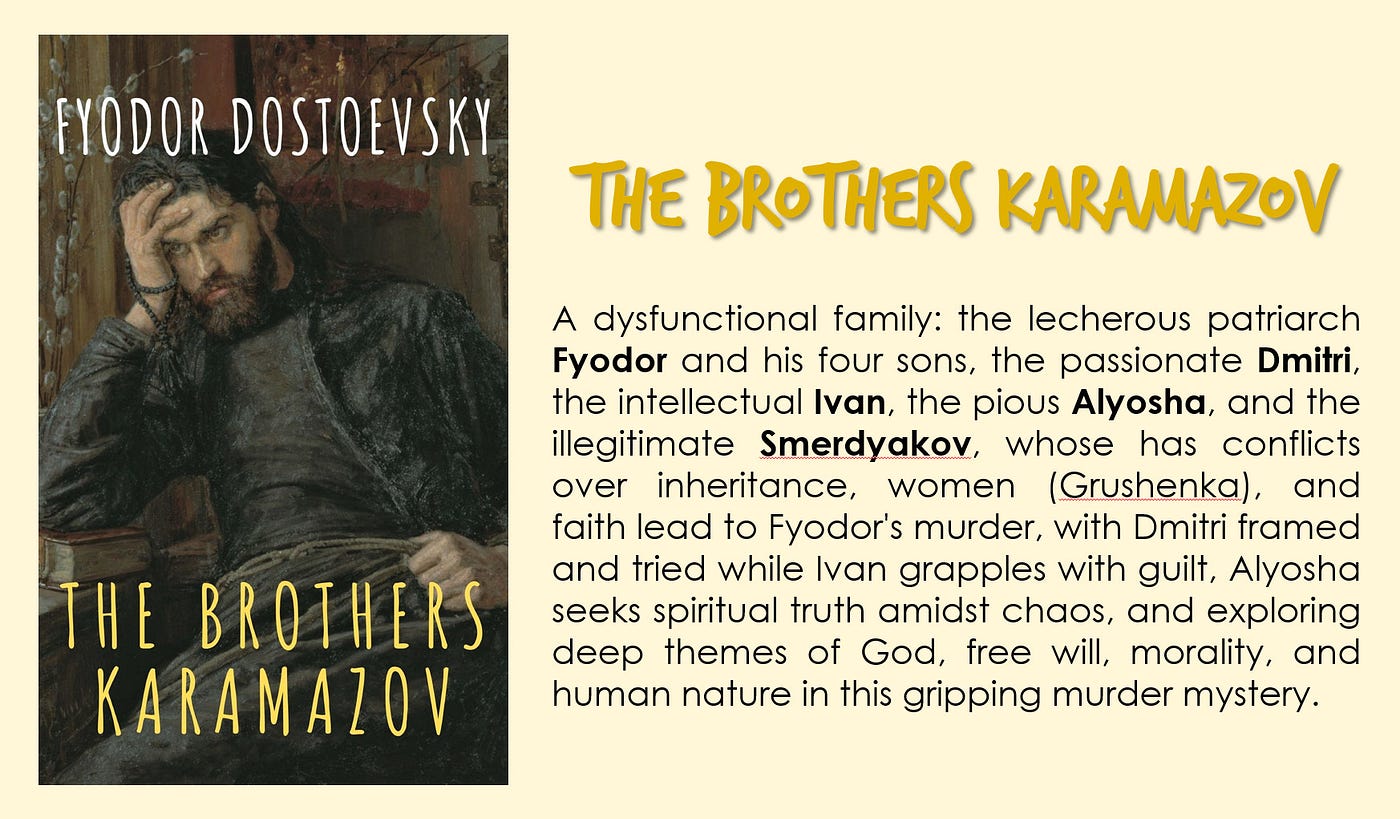
“The mystery of human existence lies not in just staying alive, but in finding something to live for.” — Fyodor Dostoevsky, The Brothers…
Dostoevsky, Maslow, and Masterwork
“The mystery of human existence lies not in just staying alive, but in finding something to live for.” — Fyodor Dostoevsky, The Brothers Karamazov
Dostoevsky’s insight becomes clearer when viewed through the lens of Maslow’s hierarchy of needs, and it sharpens further when considered alongside Masterwork. Maslow describes human motivation as layered: physiological needs and safety form the foundation, followed by belonging, esteem, and finally self-actualization. The lower levels address survival. The upper levels address meaning. Masterwork develops in the space between livelihood and legacy, where survival is no longer the primary concern and contribution begins to matter.
At the base of Maslow’s hierarchy are food, shelter, and physical safety, what it takes to stay alive. Dostoevsky would argue that meeting these needs, while necessary, only answers how we live, not why. A life dominated by survival leaves little room for Masterwork because attention remains fixed on preservation rather than contribution. Endurance is possible, yet the deeper question of existence remains untouched.
As Maslow moves upward into belonging and love, life begins to extend beyond the self. Relationships, family, and community introduce responsibility, care, and continuity. In this range, Masterwork starts to take form through commitment and accountability. Life gains moral weight not through comfort, but through responsibility to others and to what one chooses to stand for over time.
Esteem and self-actualization align most directly with Masterwork. At these levels, individuals seek dignity, coherence, and alignment with deeply held values. Masterwork can be understood as an expression of self-actualization, not as self-fulfillment alone, but as self-expression through meaningful contribution. It reflects the desire to live in accordance with one’s convictions and to translate those convictions into work, choices, and sustained effort.
Dostoevsky’s writing makes clear that meaning often carries strain. Self-actualization and Masterwork are not about ease or comfort, but about choosing responsibility in service of something worthwhile. Effort is no longer expended simply to survive, but to justify one’s existence through contribution that holds personal and moral significance.
Dostoevsky also warns of the consequences when people cannot rise beyond the lower levels of need. Deprivation, constraint, or inner emptiness can prevent engagement with meaning altogether. Yet even when lower needs are met, despair can persist if life lacks a unifying reason for action. Maslow maps the structure of need; Dostoevsky reveals what happens when that structure remains incomplete.
Together, they point to the same conclusion. Staying alive is necessary, but it is not sufficient. Fulfillment emerges when survival gives way to meaning, and meaning takes form through Masterwork. In that expression, life answers Dostoevsky’s question not in theory, but in how it is lived.
Maslow maps the structure of need. Staying alive is necessary but it is not sufficient.
Dostoevsky reveals what happens when that structure stays incomplete.
Masterwork completes it: contribution with effort and action that become something to live for.
메타데이터
- post_id
- 84b28a2bae2c
- slug
- dostoevsky-maslow-and-masterwork-84b28a2bae2c
- url
- https://medium.com/@sherrierose/dostoevsky-maslow-and-masterwork-84b28a2bae2c
- canonical_url
- https://medium.com/@sherrierose/dostoevsky-maslow-and-masterwork-84b28a2bae2c
- author_url
- https://medium.com/@sherrierose
- status
- ok
- fetched_at
- 2026-06-13 07:35:29