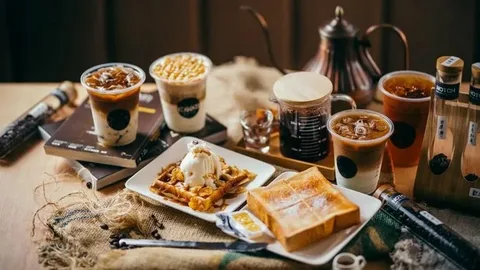
Cremadolce: A Thoughtful Look at Dessert and Coffee Culture in the UK
In recent years, the way people in the UK experience dessert and coffee has evolved beyond simple indulgence. Establishments like…
Cremadolce: A Thoughtful Look at Dessert and Coffee Culture in the UK

In recent years, the way people in the UK experience dessert and coffee has evolved beyond simple indulgence. Establishments like **Cremadolce** represent a growing shift toward curated, high-quality moments where flavour, atmosphere, and craftsmanship come together. Whether it’s a mid-afternoon espresso or a carefully plated dessert, the pairing of dessert and coffee has become an essential part of modern café culture.
This article explores what defines this experience, how it fits into UK dining habits, and why it continues to gain attention among food enthusiasts and casual visitors alike.
The Rise of Dessert and Coffee Experiences
The UK has long been known for its tea culture, but over the past two decades, coffee has taken a central role in social life. Alongside this, dessert offerings have also matured. Instead of traditional, heavy puddings alone, menus now feature lighter, more diverse options influenced by European and global trends.
Dessert and coffee venues are no longer just quick stops. They’ve become spaces for informal meetings, quiet work sessions, and relaxed evenings. The appeal lies in simplicity: a well-made coffee paired with a complementary dessert can offer a complete sensory experience without the structure of a full meal.
Places associated with the **Cremadolce** concept reflect this shift. They focus on balance — between sweetness and bitterness, texture and temperature, and presentation and taste.
What Defines a Quality Dessert and Coffee Pairing?
A thoughtful pairing goes beyond placing a slice of cake next to a cup of coffee. It involves understanding flavour profiles and how they interact. For example:
- A rich chocolate dessert often pairs well with a bold espresso, where the bitterness enhances the depth of cocoa.
- Citrus-based desserts tend to complement lighter roasts, allowing acidity to shine without overwhelming the palate.
- Cream-based sweets, such as cheesecakes or tiramisu, match well with cappuccinos or flat whites due to their shared smooth textures.
Temperature contrast also plays a role. A warm pastry served with a chilled dessert or a hot drink can create a more dynamic experience. This attention to detail is a hallmark of venues that prioritise quality over volume.
The Influence of European Café Culture
Much of the modern **dessert and coffee** approach in the UK draws inspiration from countries like Italy and France. In these regions, cafés are deeply embedded in daily life. Coffee is not rushed, and desserts are often enjoyed slowly, sometimes over conversation or reading.
The concept behind Cremadolce aligns with this philosophy. Instead of focusing solely on takeaway convenience, it encourages a more relaxed pace. Seating arrangements, lighting, and menu design often reflect this intention, making the environment as important as the food itself.
This influence can be seen in the growing popularity of items such as:
- Artisan pastries with minimal processing
- Handcrafted gelato and semifreddo
- Espresso-based drinks prepared with precision
- Seasonal desserts using fresh, local ingredients
These elements create a bridge between traditional European practices and modern UK expectations.
Changing Consumer Preferences in the UK
Consumer behaviour has shifted significantly, especially among younger audiences and urban populations. People are increasingly interested in:
- Transparency in ingredients
- Smaller, higher-quality portions
- Aesthetic presentation suitable for social sharing
- Unique flavour combinations
Rather than seeking large, sugary desserts, many customers now prefer options that feel balanced and thoughtfully prepared. Coffee, too, is no longer just about caffeine — it’s about origin, roasting methods, and brewing techniques.
In this context, the appeal of dessert and coffee venues lies in their ability to deliver both comfort and sophistication. They provide an accessible way to enjoy culinary craftsmanship without the formality of fine dining.
Practical Examples of the Experience
To understand how this concept works in practice, consider a typical visit:
A customer enters a quiet café in the late afternoon. Instead of ordering a full meal, they choose a pistachio tart and a flat white. The tart is lightly sweet, with a nutty depth, while the coffee has a smooth, slightly chocolatey profile. Together, they create a balanced flavour experience that feels satisfying without being heavy.
In another scenario, a small group meets for an evening catch-up. They share a selection of desserts — perhaps a fruit-based option, a chocolate dish, and a creamy dessert — paired with different coffee styles. This allows them to explore contrasts and combinations, turning a simple outing into a shared tasting experience.
These examples highlight how dessert and coffee can function as both a personal indulgence and a social activity.
The Role of Atmosphere and Design
Beyond food and drink, the environment plays a crucial role. Lighting, seating, and even background music influence how people perceive their experience. A well-designed space encourages guests to stay longer, engage in conversation, and fully appreciate what they’ve ordered.
Minimalist interiors, natural materials, and open layouts are common in modern cafés. These elements create a sense of calm, allowing the focus to remain on the dessert and coffee itself.
The approach associated with Cremadolce reflects this understanding. It’s not just about what is served, but how it is experienced.
Why This Trend Continues to Grow
Several factors contribute to the ongoing popularity of dessert and coffee venues in the UK:
- Flexibility: Suitable for quick visits, meetings, or longer stays
- Accessibility: Offers a refined experience without high costs
- Cultural shift: Aligns with changing lifestyles and preferences
- Creative potential: Allows chefs and baristas to experiment with flavours
As people look for meaningful yet uncomplicated ways to spend their time, these spaces provide a practical solution. They combine familiarity with innovation, making them appealing to a wide audience.
Conclusion
The growing interest in Cremadolce and similar concepts reflects a broader change in how people approach food and drink in the UK. Dessert and coffee are no longer afterthoughts; they are central to a more mindful and enjoyable dining experience.
By focusing on quality, balance, and atmosphere, this approach offers something that resonates with modern consumers. It demonstrates that even the simplest pairing — dessert and coffee — can become a refined and memorable part of everyday life when handled with care and expertise.
메타데이터
- post_id
- 84f0bb6fdc2c
- slug
- cremadolce-a-thoughtful-look-at-dessert-and-coffee-culture-in-the-uk-84f0bb6fdc2c
- url
- https://medium.com/@britishclassicdishes/cremadolce-a-thoughtful-look-at-dessert-and-coffee-culture-in-the-uk-84f0bb6fdc2c
- canonical_url
- https://medium.com/@britishclassicdishes/cremadolce-a-thoughtful-look-at-dessert-and-coffee-culture-in-the-uk-84f0bb6fdc2c
- author_url
- https://medium.com/@britishclassicdishes
- status
- ok
- fetched_at
- 2026-06-10 08:17:25