Can a person’s personality become sick?
What psychologists still don’t agree on
Can a person’s personality become sick?
What psychologists still don’t agree on
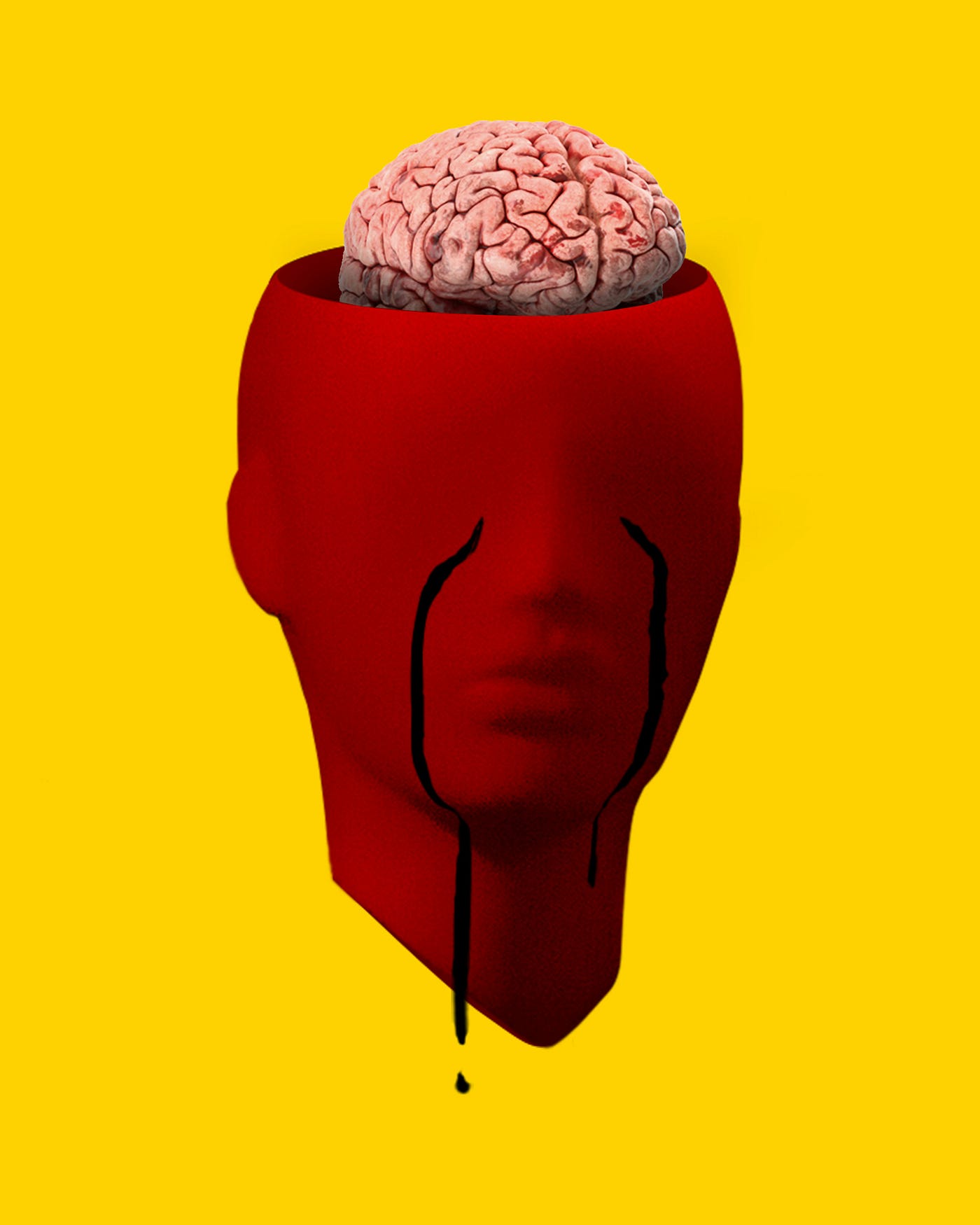
Photo by Gaspar Uhas onUnsplash
Imagine two people in the same situation. Both experience emotional breakdowns, both face job stress, and both are criticized. But one of them recovers quickly, while the other enters a cycle of anger, distrust, anxiety, or destructive behavior.
What sets these two people apart?
The answer lies not just in their emotions or intelligence; it lies in something deeper called “personality.”
Personality is a relatively stable pattern of our thoughts, feelings, and behaviors that determines how we see the world, relate to others, and respond to life’s challenges. But sometimes these patterns become so inflexible and inconsistent that instead of helping, they cause suffering to the person and those around them. In such situations, psychologists use the term “personality disorder.”
What is a personality disorder?
A personality disorder is a set of enduring patterns of thought, emotion, and behavior that significantly deviate from cultural expectations and interfere with a person’s functioning.
These patterns usually:
• Begin in adolescence or early adulthood.
• They are seen in various life situations.
• Have little flexibility.
• Cause serious problems in relationships, work, or daily life.
Simply put, the main problem with a personality disorder is not that a person sometimes behaves inappropriately; rather, the problem is that the way they view themselves, others, and the world is persistently and deeply disturbed.
The difference between personality and personality disorder
We all have certain personality traits.
A person may be introverted, sensitive, perfectionistic, or independent. These traits are not necessarily signs of illness.
A personality disorder is diagnosed when:
• The severity of the traits is too high.
• The person’s flexibility is reduced.
• Relationships and life functioning are impaired.
• The person or those around them suffer.
For example, being orderly is a personality trait; but if the need for order becomes so intense that it disrupts the person’s relationships and life, we may be facing obsessive-compulsive personality disorder.
Types of Personality Disorders
The DSM diagnostic manual classifies personality disorders into three clusters.
Cluster A: Strange or unconventional personalities
This group is usually characterized by suspiciousness, isolation, or unusual thinking.
Paranoid Personality Disorder
• Severe distrust of others
• Persistent suspiciousness
• Hypersensitivity to criticism
Schizoid Personality Disorder
• Tendency to isolate
• Emotional distance from others
• Low interest in social relationships
Schizotypal Personality Disorder
• Strange beliefs or thoughts
• Unusual behaviors
- Difficulty forming close relationships
Cluster B: Emotional and dramatic personalities
This group has received the most attention in the media and social networks.
Antisocial personality disorder
• Disregard for the rights of others
• Deceptive behaviors
• Lack of guilt
Borderline personality disorder
• Extreme emotional swings
• Fear of rejection
• Unstable relationships
• Impulsive behaviors
Historical personality disorder
• Intense need for attention
• Dramatic and exaggerated behaviors
• Constantly seeking approval from others
Narcissistic personality disorder
• Feelings of grandeur
• Need for admiration
• Limited empathy
• Extreme sensitivity to criticism
Cluster C: Anxious and phobic personalities
Avoidant personality disorder
• Fear of rejection
• Feelings of inadequacy
• Avoidance of social relationships
Dependent personality disorder
• Intense need for support from others
• Difficulty making independent decisions
• Fear of being alone
Obsessive-compulsive personality disorder
• Extreme perfectionism
• Inflexibility
• Preoccupation with order and control
It is important to note that this disorder is not the same as obsessive-compulsive disorder (OCD).
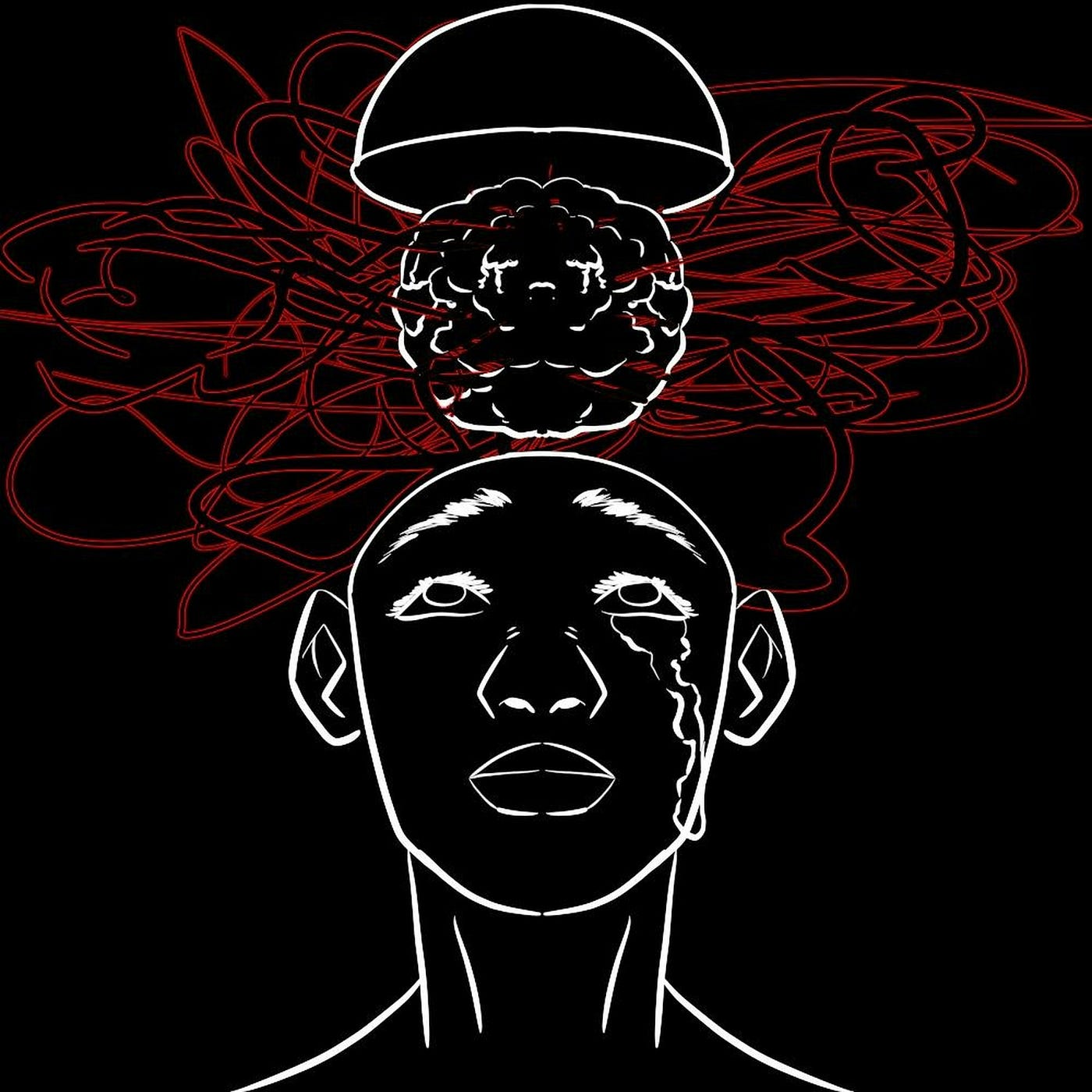
on UnsplashPhoto by
What causes personality disorders?
Research shows that no single factor is responsible for these disorders.
Factors include:
Genetics
Some personality and temperament traits are inherited.
Childhood experiences
• Physical or emotional abuse
• Parental neglect
• Attachment insecurity
• Environmental and social factors
• Poverty
• Violence
• Family instability
• Traumatic experiences
Today, most experts use the “biological-psychosocial” model to explain these disorders.
Do psychologists agree on what personality disorders are?
You may wonder, but the short answer is “no.”
Although most experts agree that personality disorders exist and can cause significant distress, there is significant disagreement about how to define and classify them.
Many researchers believe that this 10-item classification is not complete and that human personality cannot be divided into 10 distinct boxes.
Today, there are two main approaches:
Categorical approach: The same DSM model that defines 10 disorders. In the DSM, each disorder is defined as a separate category.
For example, a person either meets or does not meet the criteria for borderline personality disorder.
But many researchers believe that the boundaries of these categories are artificial.
• Dimensional approach: Believes that traits such as narcissism, anxiety, impulsivity, and pessimism lie on a spectrum and that the disorder occurs when these traits become very severe.
For this reason, in new versions of the DSM and also in the World Health Organization diagnostic system (ICD-11), the trend towards dimensional models has increased, and dimensional approaches have become more popular in recent years.
Why is it difficult to diagnose personality disorders?
These disorders are more complicated to diagnose than many other psychological problems.
Reasons include:
• The high overlap between the different disorders
• The variability of symptoms over time
• The influence of culture on human behavior
• The difficulty in accurately assessing personality
For this reason, diagnosis should be made by trained professionals and should never be based solely on social media content.
Are personality disorders treatable?
One of the biggest misconceptions is that personality disorders are incurable.
The fact is that many people make significant improvements with appropriate treatment.
Effective treatments include:
• Cognitive Behavioral Therapy (CBT)
• Dialectical Behavior Therapy (DBT)
• Schema Therapy
• Mindfulness-Based Therapy (MBT)
Treatment usually takes time, but research shows that change is possible.
Summary
Personality disorders are not simply a set of psychological labels. They are deep-seated and enduring patterns of thinking, feeling, and behaving that can affect a person’s quality of life.
However, psychological science has not yet reached a complete consensus on how best to define and classify these disorders. Some experts defend traditional models, while others see personality as a spectrum.
Perhaps the most important point is that a personality disorder is not a permanent sentence on a person’s future. Contrary to what was once thought, personality can change; and this is the most promising finding in personality psychology.
메타데이터
- post_id
- 856b5a6b1a9c
- slug
- can-a-persons-personality-become-sick-856b5a6b1a9c
- url
- https://medium.com/@amraan.changwani/can-a-persons-personality-become-sick-856b5a6b1a9c
- canonical_url
- https://medium.com/@amraan.changwani/can-a-persons-personality-become-sick-856b5a6b1a9c
- author_url
- https://medium.com/@amraan.changwani
- status
- ok
- fetched_at
- 2026-07-18 14:54:45