How Long Can You Save the Earth?
You know, one day it will end.
How Long Can You Save the Earth?
You know, one day it will end.
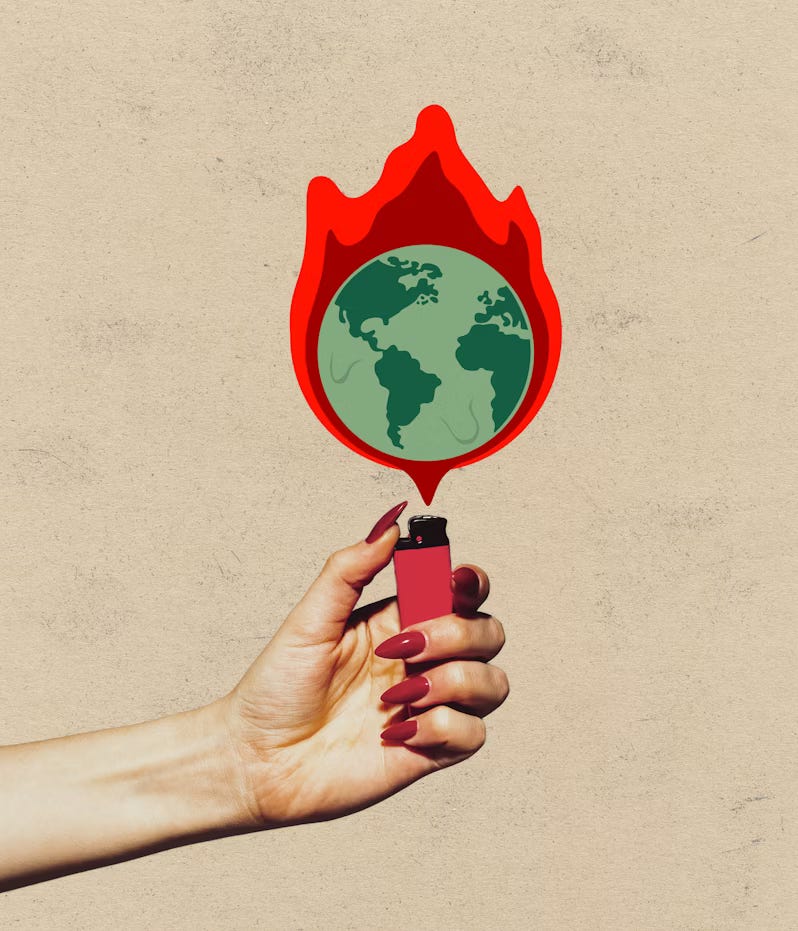
The Earth is dying, not today but one day, absolutely.
The oceans will dry. The forests will disappear. The sun itself eventually might consume this planet. Humanity talks about “saving Earth” as if we are immortal managers hired to maintain a giant green office building forever.
We are not.
The Earth survived asteroid strikes, ice ages, volcanic extinctions, and creatures far more terrifying than humans. One day, it will survive us too. Or maybe it will simply erase us and continue spinning quietly through space as if nothing happened.
Comforting thought, right?
Still, every year, people plant trees, reduce plastic use, protest against pollution, and fight corporations destroying ecosystems. Which raises a strange question nobody likes asking:
Is it worthwhile to put your energy toward saving the environment when everything eventually dies anyway?
It sounds depressing. Almost cynical. But it may actually be the most honest environmental question. Because deep down, everybody knows the truth.
Nothing lasts forever. Not civilizations. Not oceans. Not humans. Not Earth.
So why bother?
That question sits quietly behind every climate discussion. People just avoid saying it loudly because it makes the room uncomfortable. But maybe we should say it loudly.
Maybe environmental conversations became too polished. Too corporate. Too motivational. Too filled with green-colored advertisements showing happy people hugging plants while billion-dollar companies dump waste into rivers somewhere else.
Maybe we need honesty again. And honesty begins here:
The Earth Does Not Need Saving. We Do.
The planet itself is not fragile. Human life is.
The Earth can survive without us. It already did for billions of years. Forests existed before humans invented “organic skincare.” Rivers flowed before somebody turned sustainability into a LinkedIn personality. Nature is brutal. It destroys and rebuilds constantly.
Species disappear. New ones emerge. Entire ecosystems collapse and reform. Extinction is not unusual in nature. It is part of nature. What is unusual is the speed.
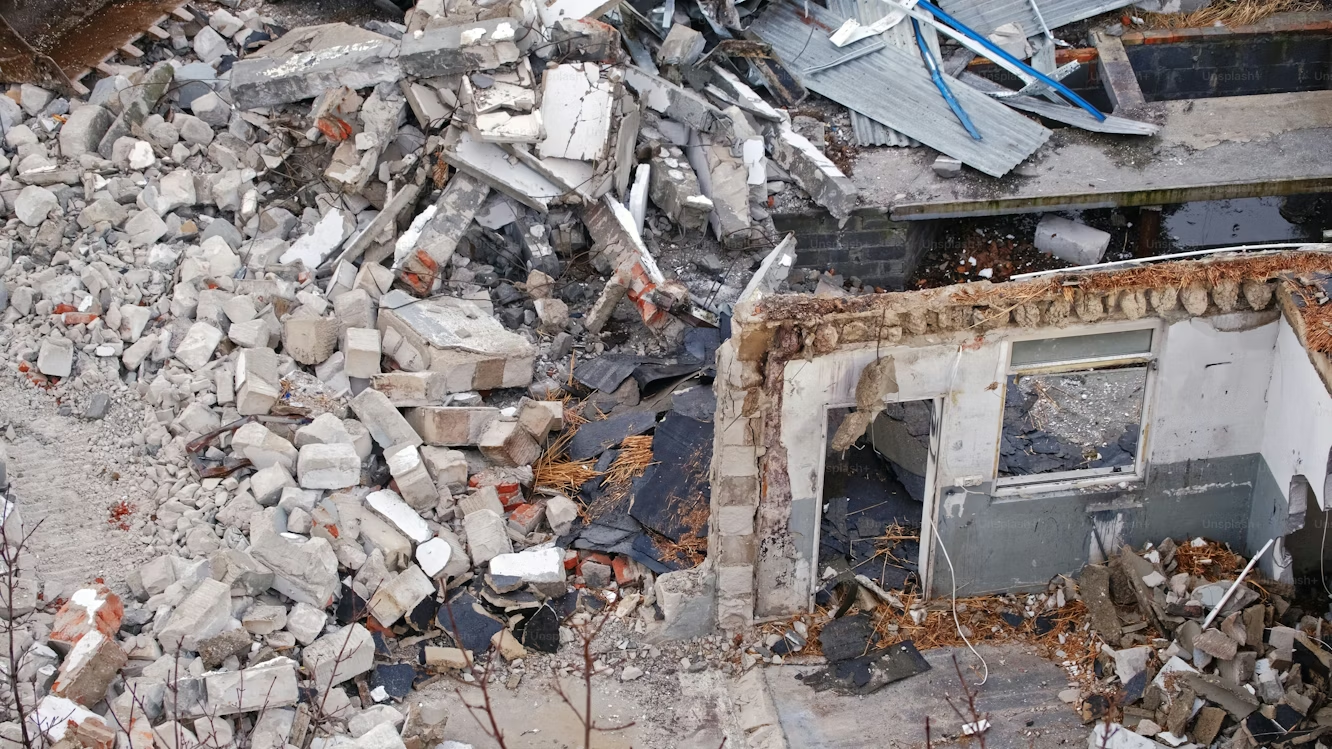
Human activity has accelerated destruction at a level the natural cycle never intended. Forests disappear faster than they regrow. Oceans absorb more plastic than fish. Cities produce mountains of waste just to keep modern lifestyles comfortable for a few decades.
We did not invent destruction. We industrialized it. And perhaps the darkest part is this:
Most environmental damage happens because humans are chasing convenience, not survival. Fast delivery. Faster fashion. Bigger homes. New phones every year. Endless consumption wrapped inside beautiful marketing campaigns about happiness. Modern society is strange. We destroy tomorrow to make today slightly more comfortable. Then we post motivational quotes about sustainability.
Humans Want Infinite Growth on a Finite Planet
This is where the contradiction begins. Every economic system wants growth. More production. More consumers. More buildings. More sales. More expansion. But the planet has limits.
A philosopher once compared humanity to passengers inside a luxurious airplane celebrating while slowly burning the fuel needed to stay in the sky. Everybody enjoys the party because the crash still feels far away. That is modern civilization.
People think environmental collapse will arrive dramatically one morning, like a Hollywood movie. But collapse is usually boring at first. It begins with hotter summers, more floods, food becoming expensive, water shortages, unlivable cities, and air pollution becoming normal.
The terrifying thing about environmental decline is that humans adapt to horror surprisingly fast.
People can normalize almost anything.
Remember when clean rivers were normal? Remember when summer heat felt survivable? Remember when fruits actually tasted natural?
Now, pollution is so common that breathing toxic air barely shocks anyone anymore. Human beings have an incredible ability to survive slowly worsening conditions while pretending everything is still fine.
Nature Is Patient. Humans Are Not.
There is an old philosophical idea that humans suffer because they refuse to accept limits. We want endless youth, endless money, endless comfort, endless resources. Nature keeps replying with the same answer:
“No.”
Every civilization in history believed it would continue forever. Every empire thought it was special. Then time buried them all equally under dust.
Modern society believes technology will rescue humanity from every environmental consequence. Maybe it will help. Maybe artificial intelligence, clean energy, carbon capture, and sustainable materials will reduce damage.
But technology alone cannot solve a psychological problem.
Humans consume emotionally, not logically.
People buy things because they are bored, insecure, lonely, influenced, addicted to trends, or trying to impress strangers online.
That emotional hunger drives environmental destruction far more than necessity does.
Nobody truly needs fifteen pairs of shoes shipped across the world, nobody truly needs a new smartphone every year, nobody truly needs giant homes with empty rooms they barely use.
But modern systems depend on people constantly wanting more.
And that creates another uncomfortable question:
Is Humanity Fighting Pollution While Secretly Worshipping Consumption?
Look carefully at modern culture.
People say they care about the environment while supporting industries built on overproduction. Companies sell “eco-friendly” products inside layers of plastic packaging. Brands release “sustainable collections” while manufacturing millions of disposable clothes every month.
Even environmentalism became a market. Buy this reusable bottle and buy this guilt-free experience. The solution somehow always involves buying more things.
Funny how that works.
The harsh truth is that pollution is not just an industrial problem. It is a human behavior problem. Factories produce because people consume. Corporations exploit because society rewards endless growth. And humans are trapped in a cycle where comfort today feels more important than consequences tomorrow.
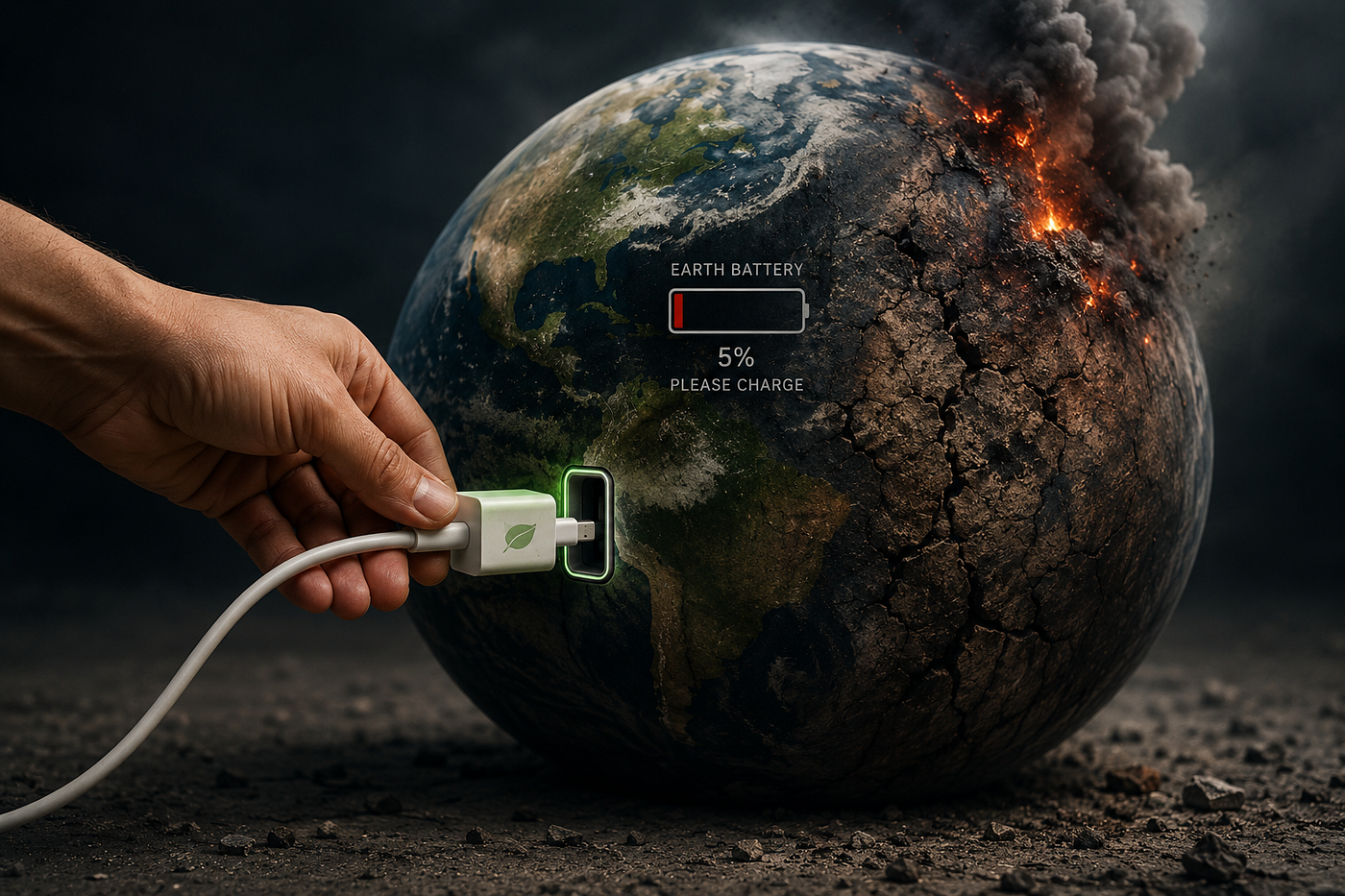
So, Should We Stop Trying?
No. Absolutely not.
Because the value of protecting Earth was never about achieving immortality.
It was about responsibility. A garden eventually dies too. Yet people still water it.
Human life itself ends. Yet people still fall in love, raise children, build homes, write books, and dream about the future. Temporary things still matter. In fact, temporary things may matter more precisely because they are temporary. A sunset disappears within minutes. That does not make it meaningless. Environmental action works the same way.
The goal is not to create an eternal Earth untouched forever. That was never possible.
The goal is to reduce unnecessary suffering.
Cleaner air means healthier children, cleaner rivers mean fewer diseases, and protected forests mean stable ecosystems. Additionally, reduced pollution means future generations inherit something better instead of something broken.
That matters.
Even if the universe itself eventually collapses one day.
The Difference Between Natural Endings and Accelerated Destruction
There is an important difference that people often ignore. One day, Earth may naturally become uninhabitable billions of years from now. That is part of cosmic reality.
But humans are accelerating damage artificially. It is the difference between growing old naturally and destroying your body recklessly at thirty.
Both lead to death eventually. But one path carries unnecessary suffering. Human actions are speeding up environmental collapse faster than ecosystems can recover. That is why climate scientists sound alarmed. Not because Earth will vanish tomorrow, but because the balance supporting human civilization is becoming unstable.
Civilizations depend on predictable seasons, food systems, water supplies, and survivable temperatures. Nature does not negotiate with arrogance. If environmental systems collapse, human suffering arrives long before the planet itself dies. And history repeatedly proves this.
Entire civilizations disappeared after environmental decline, droughts, soil destruction, or resource collapse. Humans often imagine themselves smarter than ancient societies. But modern civilization is also fragile. It just has better smartphones.
The Strange Arrogance of Humanity
Humans often behave as if they are outside nature instead of part of it. Cities make people forget where everything comes from. Food appears in supermarkets. Water appears from taps. Electricity appears from switches. Modern life hides the ecosystem behind convenience.
But every object still comes from somewhere. When trees are cut down, rivers are drained, excavations happen, and as you know, the ocean is polluted. Human civilization depends entirely on nature while acting superior to it.
That may be our greatest illusion.
Nature is not a background decoration for human success. It is the foundation holding everything together. Without stable ecosystems, modern life collapses surprisingly fast.
Money cannot be eaten. Luxury cannot replace oxygen. Technology cannot fully recreate natural balance. And yet humans continue acting like the environment is optional.
Why Hope Still Makes Sense
At this point, the article should probably end with dramatic despair and a cinematic quote about extinction. But reality is more complicated. Because, despite everything, humans are also capable of repair. Forests can recover. Rivers can heal. Pollution can decrease. Cities can become cleaner. Technologies can improve. Policies can change. Human beings destroy things, yes. But they also rebuild. That is the strange contradiction of humanity.
We are intelligent enough to understand environmental collapse and foolish enough to continue contributing to it at the same time.
Still, positive change matters even if perfection is impossible. You do not need to save the entire planet alone. You simply need to reduce the damage you personally add to it. That is already meaningful.
So What Can People Actually Do?
No, this is not the part where somebody tells you to save Earth by using paper straws while corporations produce endless industrial waste. Individual actions alone will not magically solve environmental collapse. But collective behavior still matters. Small decisions repeated by millions of people shape industries, politics, and social norms over time. Here are realistic ways people can contribute without pretending they are superheroes:
Consume Less Without Turning It Into an Aesthetic
Minimalism became another internet trend. Ignore the branding. Simply buy fewer unnecessary things. Use products longer. Repair items. Stop treating boredom like a shopping emergency. Consumption creates pollution far more than most people realize.
Support Long-Term Infrastructure Instead of Disposable Systems
Cities and industries should focus on durable construction and sustainable materials instead of short-term, cheap solutions. Building manufacturers can reduce environmental impact by adopting steel frame buildings because they are durable and recyclable to some extent. Sustainable building systems also reduce resource consumption across decades.
Stop Romanticizing Overconsumption Online
Social media normalized excess. Massive hauls, fast fashion trends, luxury obsession, and constant upgrades quietly encourage environmental destruction. People should start admiring durability instead of endless replacement.
Vote and Speak Like Environmental Issues Matter
Many people care privately but stay silent publicly. Policies influence pollution more than motivational Instagram captions ever will. Governments and corporations respond when enough people demand accountability.
Respect Nature Beyond Productivity
Modern culture values nature mainly for usefulness. Forests become “resources.” Rivers become “assets.” Land becomes “property.” Maybe humans need to reconnect with nature emotionally instead of economically. Not every tree needs to justify its existence through profit.
How Long Can We Save the Earth?
Probably not forever. Because we know nothing lasts forever.
But that does not make the effort meaningless.
One day, humanity will disappear. One day, the Earth itself may become lifeless. One day, the universe could go dark. Still, life happening right now matters.
Children breathing clean air matters, rivers remaining alive matters, forests surviving another century matters, and reducing pollution matters. Not because humans can defeat time. But because compassion matters even inside temporary worlds.
Maybe the purpose of environmental responsibility was never to achieve permanent victory over destruction. Maybe the purpose was simply to leave things better than we found them. Human beings may never fully save Earth forever.
But we can decide whether we become a species that cares while it was here or a species that consumed everything while laughing at the fire. And honestly, that choice says more about humanity than it does about the planet.
메타데이터
- post_id
- 85ac4cd4068c
- slug
- how-long-can-you-save-the-earth-85ac4cd4068c
- url
- https://medium.com/the-environment/how-long-can-you-save-the-earth-85ac4cd4068c
- canonical_url
- https://medium.com/the-environment/how-long-can-you-save-the-earth-85ac4cd4068c
- author_url
- https://medium.com/@OliviasTake
- status
- ok
- fetched_at
- 2026-07-21 03:21:46