E2E Networks Q4 FY24 Earnings Call Summary
Earnings Call Transcript can be found here
E2E Networks Q4 FY24 Earnings Call Summary
Earnings Call Transcript can be found here
Key Takeaways from Management Presentation
Positives:
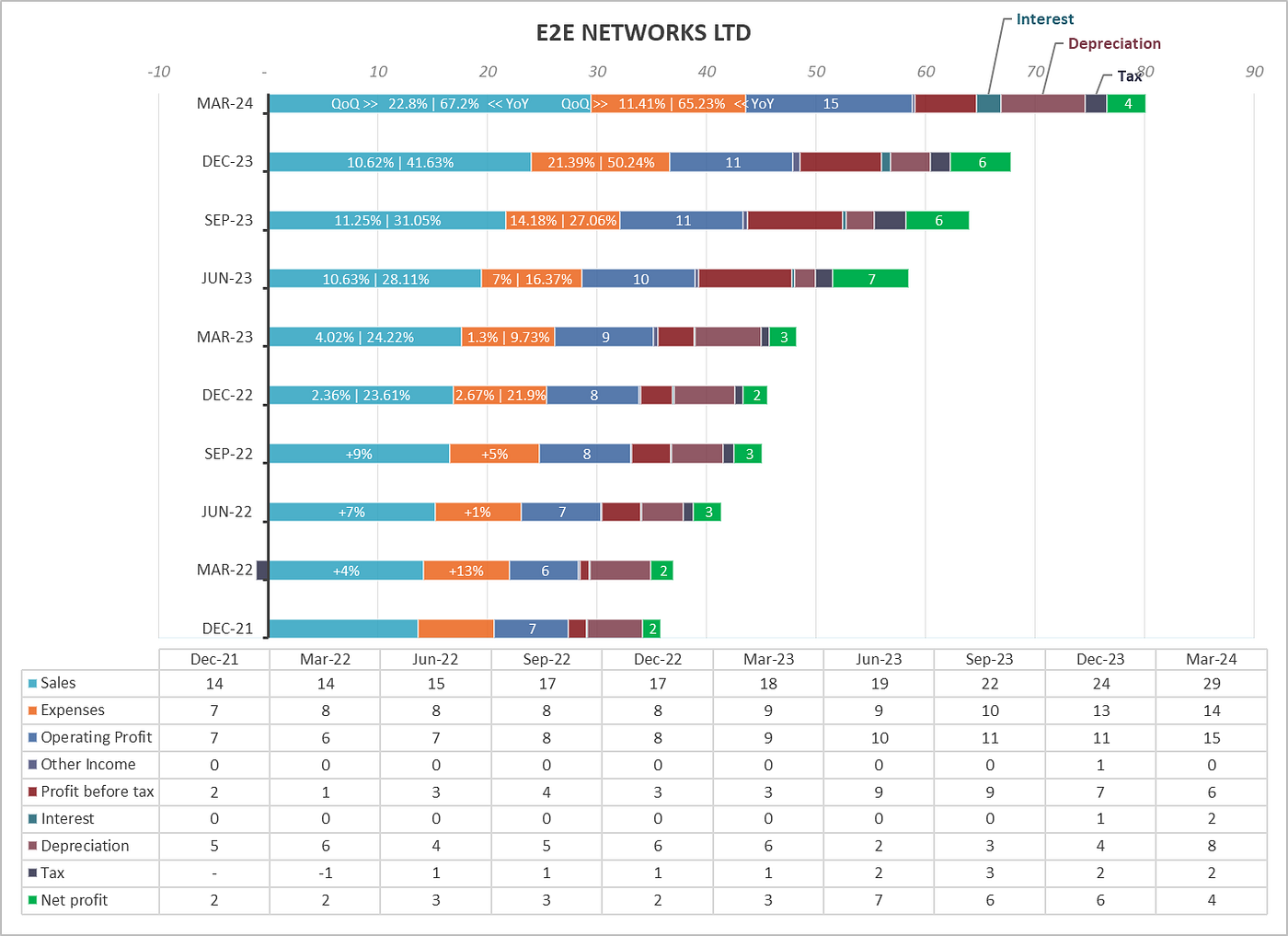
- Strong Revenue Growth: The company has experienced significant revenue growth, with a 67% increase year-on-year for Q4 FY24 and a 43% increase for the financial year ended 2024. This indicates strong market demand for its cloud GPU services.
- Profit Growth: Both EBITDA and net profit have shown impressive growth rates, with EBITDA growing by 68% year-on-year for Q4 FY24 and net profit growing by 39% year-on-year. Similarly, for the financial year ended 2024, EBITDA grew by 45% and net profit by 121% year-on-year, showcasing strong financial performance and operational efficiency.
- Market Position and Focus: The company is positioned as one of the largest public cloud players in the Indian cloud GPU market, with a focus on artificial intelligence, machine learning, and generative AI workloads. This specialization allows them to capitalize on the growing demand for cloud GPU services, especially with the increasing adoption of AI and ML technologies.
- Customer Base and Expansion Plans: With nearly 3000 active customers and a focus on startups, higher education, and research, the company has a diverse customer base. Additionally, they aim to expand their market reach to include larger enterprises in the future, indicating scalability and growth potential.
- Competitive Pricing and Value Proposition: The company offers competitive pricing compared to the value it provides in terms of software and services. This pricing strategy has helped in retaining customers and maintaining attractiveness in the market.
Negatives:
- Dependency on AI/ML Workloads: While the focus on AI, ML, and generative AI workloads presents a substantial opportunity, it also signifies a potential risk if market demand shifts away from these technologies in the future. The company’s success is closely tied to the adoption and growth of these specific workloads.
- Competition and Market Dynamics: The company operates in a highly competitive market, with other players also vying for a share of the cloud GPU market. While they claim to be at par with the best in terms of technical capabilities, maintaining this position requires ongoing innovation and differentiation to stay ahead of competitors.
- Rapid Expansion and Operational Risks: The rapid progress made on new features and services during the last quarter of FY24 suggests an aggressive expansion strategy. However, such rapid expansion could pose operational risks if not managed effectively, including issues related to scalability, quality control, and customer satisfaction.
- External Factors and Regulatory Environment: The company mentions the support provided by the government for AI initiatives, but changes in government policies or regulatory frameworks could impact the company’s operations and growth prospects. Uncertainty regarding future government support or regulations in the AI sector could pose challenges.
Key Takeaways from Q&A
- Chip Shortage and Supply Chain: The chip shortage experienced over the past 18 months was significant but is expected to ease. The supply chain has adjusted to increased demand, and future shortages are not anticipated to be as severe.
- Relationship with Nvidia: The company maintains a strong working relationship with Nvidia and other backend vendors. This includes collaborative efforts in customer workflows and solution validation, ensuring continuous access to necessary chips.
- Competitive Landscape: The company is accustomed to operating in a highly competitive “Red Ocean” market. It focuses on developing a deep understanding of customer workloads and building differentiated software solutions that create long-term value.
- Future CAPEX Plans: The company anticipates continuous CAPEX investments driven by customer demand, projecting an ideal scenario of up to 800 crore in the next 12 months. Funding will be a mix of bank financing, leasing, vendor financing, and equity raises.
- Revenue and Margin Projections: The company has guided for a top-line growth of 40–50% and aims for a 30% margin, potentially resulting in a bottom line of around 40 crore if projections are met.
- AI/ML Growth Proxy: The company’s growth is linked to the broader adoption of AI/ML technologies. As these technologies expand across industries, including higher education and research, the company expects corresponding growth in demand for its cloud services.
- CAPEX Deployment: The recently completed 150 crore CAPEX is already deployed on the cloud platform. The selling cycle to cloud customers typically spans one to two quarters, though exact timing can vary.
- Asset Turnover: Asset turnover ratios vary depending on the nature of the assets and their utilization periods. While historical lower bounds are around 0.55 to 0.6, there is no upper bound, as value-added software can significantly enhance asset utilization.
- Business Model Clarification: The company emphasizes its identity as a software-driven business rather than merely a hardware rental service. The value proposition lies in efficiently managing customer workloads, ensuring security, scalability, and integrating complex cloud solutions, which go beyond simple hardware provisioning.
- Handling of Recent Outage and Customer Communication: The company experienced a significant outage at one of its older data centers, which was attributed to a third-party vendor error during the power recovery process. Despite the challenges, the company prioritized transparent communication with its customers and managed to address their issues promptly. This incident highlighted the company’s commitment to customer service and its ability to handle crisis situations effectively.
- Technological Advancements and Competitive Edge: The company is heavily investing in advanced technologies such as InfiniBand with 1.6 Tbps and 3.2 Tbps capacities. These upgrades are aimed at improving the handling of large volumes of unstructured data, which is crucial for modern AI and GPU-based processing. This technological edge positions the company favorably compared to its peers, allowing it to offer enhanced value in its service contracts.
- Customer Base and Revenue Focus: The company’s customer base is diverse, including SMEs, higher education institutions, research entities, and startups. While there is no significant trend of customers migrating to larger providers like AWS or Azure, the company operates in a multi-cloud environment. The majority of the revenue comes from the Indian market, though there is growing interest and focus on EMEA and US markets. The company continues to expand its team organically, emphasizing growth where talent is available without significant increases in employee costs.
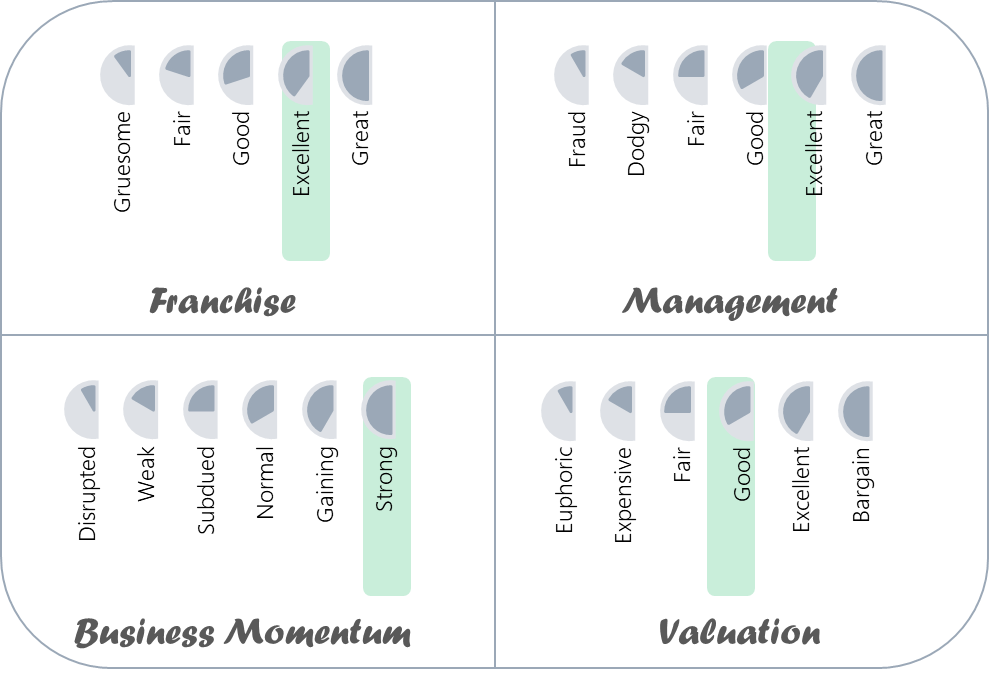
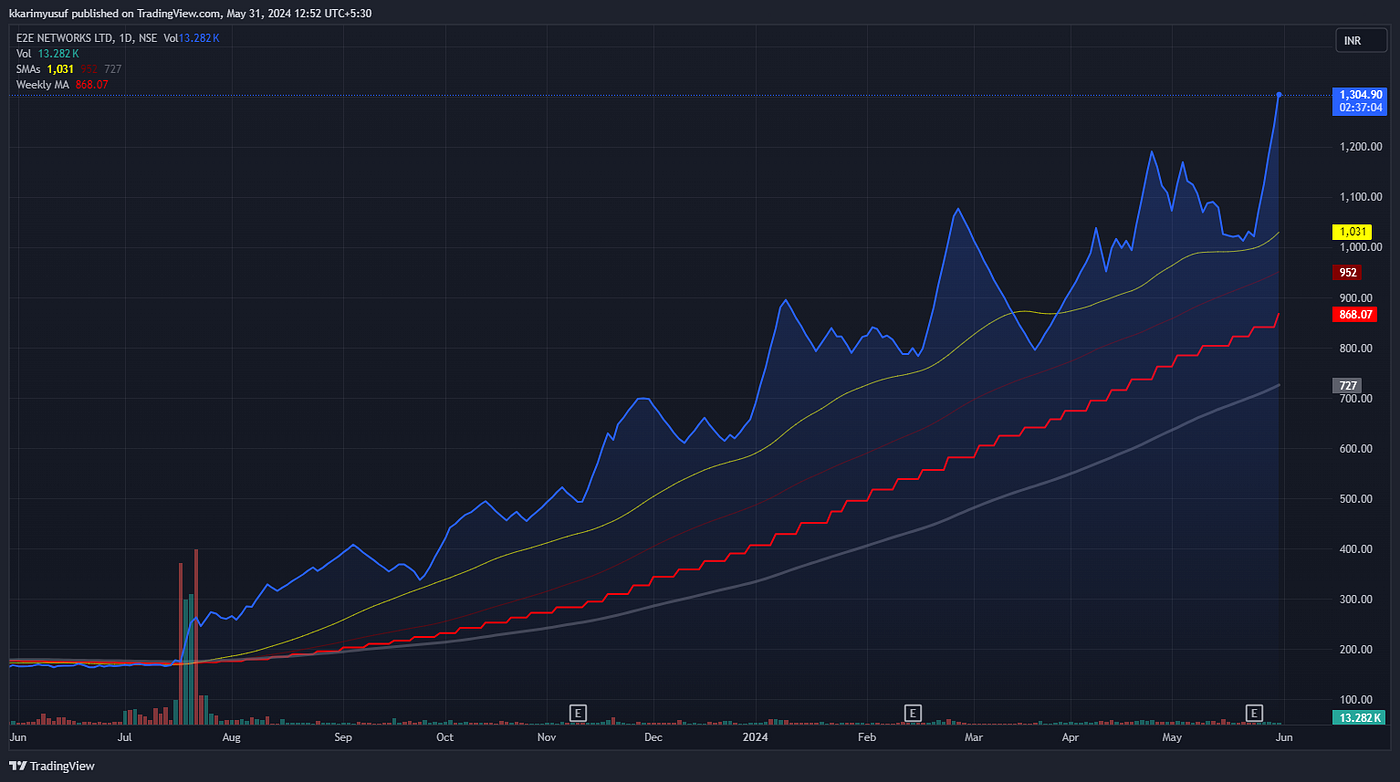
Price Action
- +27% since results 24th May 2024
- +89% YTD
- +675% 1 Year
Top Heuristic Metrics to Monitor
Revenue Growth and Profitability Metrics:
- Year-on-Year Revenue Growth: The company’s strong revenue growth of 67% year-on-year for Q4 FY24 and 43% for the financial year indicates robust market demand and effective sales strategies. This metric is crucial as it shows the company’s ability to expand its market presence and attract new customers.
- EBITDA and Net Profit Growth: The impressive growth in EBITDA (68% year-on-year for Q4 FY24) and net profit (121% year-on-year for FY24) highlights operational efficiency and successful cost management. These profitability metrics are essential as they reflect the company’s ability to convert revenue growth into actual profits, which is a key indicator of financial health and sustainability.
CAPEX and Asset Utilization:
- CAPEX Investments and Revenue Potential: The company’s significant increase in CAPEX, from 35 crore to 185 crore, and the projection of enhancing Monthly Recurring Revenue (MRR) by 14–16 crore are critical metrics. These figures indicate the company’s aggressive expansion strategy and its ability to reinvest in growth. The correlation between CAPEX and expected revenue growth is vital for assessing future profitability and scalability.
- Asset Turnover Ratios: The historical lower bounds of asset turnover ratios (0.55 to 0.6) and the potential for higher values with value-added software underscore the importance of how effectively the company utilizes its assets to generate revenue. Higher asset turnover ratios suggest efficient use of investments in technology and infrastructure, leading to better financial performance.
메타데이터
- post_id
- 85daeeed4232
- slug
- e2e-networks-q4-fy24-earnings-call-summary-85daeeed4232
- url
- https://medium.com/@freevest/e2e-networks-q4-fy24-earnings-call-summary-85daeeed4232
- canonical_url
- https://medium.com/@freevest/e2e-networks-q4-fy24-earnings-call-summary-85daeeed4232
- author_url
- https://medium.com/@freevest
- status
- ok
- fetched_at
- 2026-06-20 20:29:01