Seed Cycling: Helpful Tool or Hormone Myth?
Seed cycling has become one of the most shared “natural hormone balancing” strategies in recent years. It sounds simple and appealing…
Seed Cycling: Helpful Tool or Hormone Myth?
Seed cycling has become one of the most shared “natural hormone balancing” strategies in recent years. It sounds simple and appealing: rotate specific seeds according to your menstrual cycle to support estrogen and progesterone. But what exactly is seed cycling, where did it come from, and how much science supports it?
Seed cycling refers to consuming specific seeds during different phases of the menstrual cycle. In the first half of the cycle, from menstruation until ovulation, flax seeds and pumpkin seeds are typically recommended. In the second half, from ovulation until the start of the next period, sesame seeds and sunflower seeds are used. The idea is that nutrients within these seeds may support estrogen metabolism in the follicular phase and progesterone production in the luteal phase.
Unlike traditional systems such as Ayurveda or Chinese medicine, seed cycling as it is commonly practiced today does not have strong documentation in classical texts. It appears to have emerged more recently within naturopathic and functional wellness communities and gained widespread visibility through social media. Its popularity is understandable. It is food-based, accessible, and feels aligned with cyclical living.

From a Nutritional Standpoint:
seeds are undeniably valuable. Flax seeds are particularly rich in lignans, plant compounds classified as phytoestrogens. These compounds can bind weakly to estrogen receptors and may influence how estrogen is metabolised in the body. Flax seeds are also high in soluble fibre, which supports bowel regularity and helps eliminate metabolised hormones efficiently. In addition, they provide alpha-linolenic acid, a plant-based omega-3 fatty acid involved in inflammatory regulation.
Pumpkin seeds are rich in zinc, an essential mineral involved in ovulation, immune function, and progesterone synthesis. They also provide magnesium, which supports nervous system balance and muscle relaxation, along with healthy fats that contribute to hormone production.
Sesame seeds contain lignans similar to flax, though in different proportions. They are also a source of calcium and iron, both important for reproductive health. Sunflower seeds provide vitamin E, a fat-soluble antioxidant that protects cells from oxidative stress and plays a supportive role in reproductive function. They also contain selenium and additional magnesium.
Looking at these nutrient profiles, it becomes clear why seeds are considered supportive for hormonal health. Fibre assists with estrogen clearance. Zinc supports ovulatory function. Healthy fats support steroid hormone synthesis. Antioxidants reduce oxidative stress. Nutritionally, they make sense as part of a balanced diet.
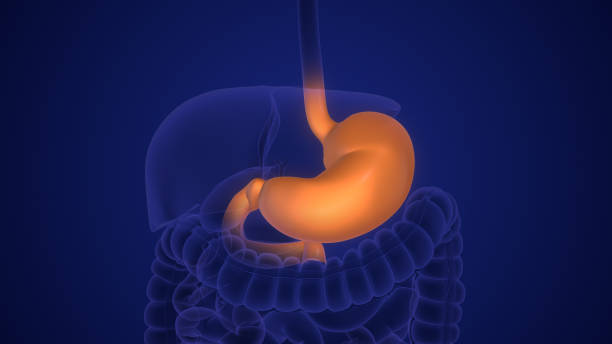
However, this is where clarity becomes important. Hormonal regulation is driven by complex feedback loops involving the hypothalamus, pituitary gland, ovaries, thyroid, adrenals, liver, gut, and overall metabolic status. While seeds provide supportive nutrients, there is limited high-quality clinical evidence showing that rotating them by cycle phase directly shifts estrogen or progesterone levels in a predictable therapeutic way.
This explains why seed cycling alone rarely resolves conditions such as PCOS, irregular cycles, severe PMS, or anovulation. If ovulation is not occurring consistently, if stress load is high, if calorie intake is insufficient, or if metabolic regulation is unstable, adding seeds will not override those drivers. Seeds can contribute nutrients. They cannot replace systemic regulation.
When viewed realistically, seed cycling functions best as a supportive tool. For some women, aligning food choices with different cycle phases increases awareness and engagement with their menstrual rhythm. Including seeds regularly increases fibre intake, healthy fats, and micronutrient density. Over time, this can indirectly support hormone metabolism and gut function.

Ground, Roasted, or Soaked: What Works Best?
Preparation matters more than many realise.
Flax seeds are generally preferred in ground form because their outer shell is tough and resistant to digestion. When eaten whole, they often pass through the digestive tract largely intact, limiting absorption of lignans and omega-3 fatty acids. Grinding flax seeds breaks this barrier and significantly improves bioavailability. Ideally, flax should be freshly ground at home or purchased pre-ground and stored in the refrigerator in an airtight container to prevent oxidation of delicate fats.
Pumpkin, sesame, and sunflower seeds do not require grinding for absorption, but light roasting can improve flavour and digestibility. Gentle dry roasting at low temperatures enhances taste without significantly damaging healthy fats. Excessive heat, however, can oxidise oils, so moderate preparation is key.
Soaking seeds is sometimes recommended to reduce phytic acid, a natural compound that can bind certain minerals. While soaking may slightly improve mineral availability and digestion for some individuals, it is not essential for everyone. Those with sensitive digestion may experiment with soaking or lightly roasting to assess tolerance. The most important factor remains consistent inclusion rather than perfection in preparation.
How to Practice Seed Cycling
A common approach is one tablespoon each of freshly ground flax seeds and pumpkin seeds daily from day one of menstruation until ovulation. From ovulation until the start of the next period, one tablespoon each of sesame seeds and sunflower seeds daily. Seeds can be added to curd, smoothies, porridge, salads, vegetable preparations, or blended into simple powder mixes.
For individuals with irregular cycles who are unsure of ovulation timing, some rotate seeds around day fourteen of a standard twenty-eight-day calendar cycle. However, without confirmed ovulation, the rotation may not reflect true hormonal rhythm.

Conclusion
Seed cycling is not a hormonal cure, but it is not meaningless either. Its strength lies in its simplicity. Including nutrient-dense seeds regularly can support fibre intake, provide essential minerals, and contribute healthy fats. When integrated into a broader, system-focused approach, it may complement other foundational strategies.
In a world drawn to quick solutions, seed cycling offers something gentle. The key is to see it as supportive nourishment rather than a standalone intervention. Seeds can contribute to the process. They are not the entire process.
References
https://www.sciencedirect.com/science/article/abs/pii/S2949824424000491? https://mcpress.mayoclinic.org/women-health/seeds-are-healthy-but-do-they-impact-hormones/ https://www.healthline.com/nutrition/seed-cycling https://pubmed.ncbi.nlm.nih.gov/8077314/
Jahnavi Veerapaneni Functional Nutritionist | Gut, Metabolic & Hormonal Health Writing about Recipes, gut health, nervous system balance & sustainable healing
Subscribe for more insights 🌿
메타데이터
- post_id
- 85e7e333ea53
- slug
- seed-cycling-helpful-tool-or-hormone-myth-85e7e333ea53
- url
- https://medium.com/@jahnaviveerapaneni/seed-cycling-helpful-tool-or-hormone-myth-85e7e333ea53
- canonical_url
- https://medium.com/@jahnaviveerapaneni/seed-cycling-helpful-tool-or-hormone-myth-85e7e333ea53
- author_url
- https://medium.com/@jahnaviveerapaneni
- status
- ok
- fetched_at
- 2026-08-23 04:18:12