Plus Size Womens Clothing Market Size: Growth Trends, Industry Analysis, and Future Outlook
According to Dimension Market Research, The Global Plus Size Womens Clothing Market is experiencing significant transformation as the…
Plus Size Womens Clothing Market Size: Growth Trends, Industry Analysis, and Future Outlook
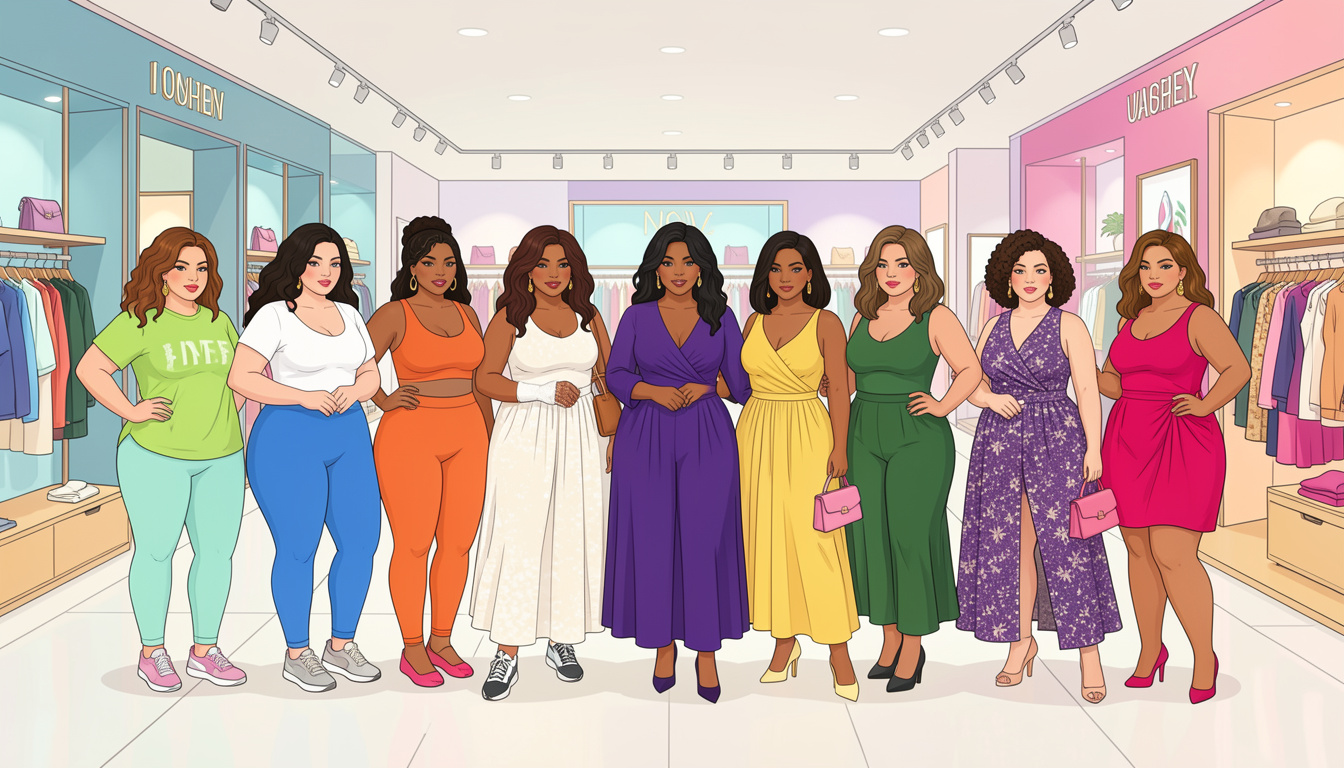
According to Dimension Market Research, The Global Plus Size Womens Clothing Market is experiencing significant transformation as the fashion industry increasingly embraces inclusivity, body positivity, and size diversity. Rising awareness around body acceptance, combined with evolving fashion trends and increasing demand for stylish, comfortable, and affordable clothing options, is reshaping the global apparel landscape. Retailers and fashion brands are expanding their plus-size collections to cater to a wider consumer base, making this segment one of the fastest-growing areas in the global apparel industry.
The increasing influence of social media, fashion influencers, and digital retail platforms has further accelerated market expansion. Consumers are now more empowered to demand fashionable and well-fitting clothing across all size categories. As a result, brands are focusing on inclusive design strategies, improved sizing standards, and diversified product offerings to meet evolving customer expectations.
Additionally, the rapid growth of e-commerce platforms has made plus-size fashion more accessible than ever before. Online retail channels offer a wide variety of styles, brands, and price points, enabling consumers to shop conveniently from anywhere in the world. This shift toward digital shopping has played a crucial role in expanding the reach of plus-size clothing brands globally.
Market Overview
The Global Plus Size Womens Clothing Market size is expected to reach a value of USD 308.0 billion in 2024 and is further anticipated to reach USD 444.4 billion by 2033, growing at a CAGR of 4.2% during the forecast period. This steady growth reflects increasing consumer demand for fashionable, inclusive, and size-diverse apparel options across both developed and emerging economies.
The market includes a wide range of apparel categories such as casual wear, formal wear, sportswear, lingerie, activewear, and luxury fashion designed specifically for plus-size women. Changing lifestyle patterns, increasing disposable income, and rising awareness about fashion inclusivity are key factors driving market expansion.
Fashion brands are also focusing on redefining beauty standards by promoting body positivity campaigns and inclusive marketing strategies. This shift is encouraging more women to embrace fashion trends without limitations related to size, ultimately contributing to higher market penetration.
Download a Complimentary PDF Sample Report: https://dimensionmarketresearch.com/request-sample/plus-size-womens-clothing-market/
Key Market Drivers
Rising Body Positivity and Fashion Inclusivity
One of the most important drivers of the plus-size womens clothing market is the global movement toward body positivity and inclusivity. Consumers are increasingly rejecting traditional beauty standards and demanding fashion that reflects diversity in body shapes and sizes.
Brands are responding by launching inclusive campaigns, featuring diverse models, and expanding size ranges to promote representation. This cultural shift is significantly influencing purchasing behavior and boosting demand for plus-size apparel.
Growth of E-commerce and Online Fashion Retail
The rapid expansion of online retail platforms has transformed the way consumers shop for clothing. E-commerce websites and fashion apps provide access to a wide variety of plus-size clothing options, making shopping more convenient and personalized.
Features such as virtual fitting rooms, size guides, customer reviews, and AI-based recommendations have improved the online shopping experience for consumers, further driving market growth.
Increasing Disposable Income and Urbanization
Rising disposable income levels, particularly in emerging economies, have led to increased spending on fashion and lifestyle products. Urbanization has also contributed to changing fashion preferences, with consumers seeking trendy, comfortable, and well-designed clothing.
As more women enter the workforce, demand for professional, casual, and activewear in plus sizes continues to grow steadily.
Expansion of Fashion Retail Brands
Major global fashion brands and retailers are expanding their product portfolios to include dedicated plus-size collections. This includes both luxury and fast fashion brands that are recognizing the untapped potential of this market segment.
The introduction of dedicated plus-size fashion lines is improving product availability and increasing consumer access to stylish clothing options.
Market Challenges
Limited Availability in Physical Stores
Despite growing demand, many physical retail stores still offer limited plus-size clothing options. This lack of availability restricts consumer choice and may push buyers toward online platforms.
Size Standardization Issues
One of the key challenges in the industry is the lack of uniform sizing standards across brands and regions. This inconsistency often leads to customer dissatisfaction and increased return rates.
High Production Costs
Designing and producing plus-size clothing often requires additional materials and specialized tailoring, which can increase manufacturing costs. This may impact pricing strategies and profit margins.
Social Stigma in Certain Markets
Although body positivity is gaining global acceptance, certain regions still experience social stigma around plus-size fashion. This can affect brand adoption and market penetration in specific areas.
Market Opportunities
Expansion of Inclusive Fashion Brands
There is a growing opportunity for brands that focus exclusively on inclusive and size-diverse fashion. Companies that prioritize body-positive messaging and inclusive design are likely to gain strong consumer loyalty.
Technological Innovation in Fashion Design
The use of artificial intelligence, 3D body scanning, and virtual fitting technologies is revolutionizing the fashion industry. These innovations help improve fit accuracy and reduce return rates, enhancing the overall shopping experience.
Growth of Sustainable Plus-Size Fashion
Sustainability is becoming an important trend in the apparel industry. Eco-friendly fabrics, ethical production processes, and sustainable supply chains are gaining popularity in the plus-size segment.
Influencer-Driven Marketing Strategies
Social media influencers and body-positive advocates are playing a major role in shaping consumer preferences. Brands leveraging influencer marketing are witnessing increased engagement and brand awareness.
Market Segmentation
By Product Type
Casual Wear
Casual wear dominates the market due to high demand for everyday comfortable clothing such as tops, jeans, dresses, and tunics.
Formal Wear
Formal wear includes office attire, business suits, and professional dresses designed for workplace environments.
Activewear
The growing focus on fitness and wellness has boosted demand for plus-size activewear including leggings, sports bras, and workout tops.
Innerwear & Loungewear
Comfortable innerwear and loungewear segments are witnessing steady growth due to increasing demand for relaxed home clothing.
Luxury Fashion
Luxury plus-size fashion is emerging as a niche segment driven by premium brands expanding their inclusive collections.
By Distribution Channel
Online Retail
Online platforms dominate due to wide product availability, convenience, and personalized shopping experiences.
Offline Retail
Brick-and-mortar stores continue to play a significant role, especially in regions where in-store shopping is preferred.
Specialty Stores
Dedicated plus-size fashion stores are growing in popularity as they offer tailored collections and better sizing options.
Competitive Landscape
The plus-size womens clothing market is highly competitive, with global and regional players focusing on product innovation, inclusive branding, and digital expansion. Companies are investing in research and development to improve fabric quality, design diversity, and size accuracy.
Fashion brands are also adopting omnichannel strategies to integrate online and offline shopping experiences. Partnerships with influencers and fashion communities are helping brands enhance visibility and connect with target audiences more effectively.
Sustainability initiatives, ethical sourcing, and body-positive branding are becoming key differentiators in the competitive landscape.
Purchase the report for comprehensive details: https://dimensionmarketresearch.com/checkout/plus-size-womens-clothing-market/
Regional Analysis
North America
North America is projected to dominate the plus-size women’s clothing market as it will hold 41.3% of the total market share in 2024. The key factors driving this dominance include increasing awareness of body positivity, strong advocacy for inclusive fashion, and widespread acceptance of diverse body types.
Consumers in the United States and Canada are highly fashion-conscious and actively demand stylish, well-fitting plus-size apparel. The presence of major fashion brands, advanced retail infrastructure, and strong e-commerce penetration further supports regional growth.
Europe
Europe is witnessing steady growth driven by rising demand for inclusive fashion and sustainable clothing. Countries such as the United Kingdom, Germany, and France are leading the adoption of plus-size fashion trends.
European consumers are increasingly prioritizing comfort, quality, and ethical fashion choices.
Asia-Pacific
Asia-Pacific is expected to experience rapid growth due to increasing urbanization, rising disposable income, and changing fashion preferences. Countries such as China, India, Japan, and South Korea are witnessing growing demand for modern and inclusive apparel.
The expansion of online fashion platforms is further accelerating market growth in the region.
Latin America
Latin America is emerging as a promising market due to growing fashion awareness and increasing penetration of global retail brands.
Middle East & Africa
The Middle East & Africa region is gradually expanding, supported by rising urban development, retail growth, and increasing adoption of international fashion trends.
Emerging Trends in the Market
Rise of Body-Positive Fashion Campaigns
Brands are increasingly promoting body positivity through advertising campaigns that celebrate diversity and inclusivity.
Growth of AI-Powered Fashion Recommendations
Artificial intelligence is being used to provide personalized fashion suggestions based on body type, preferences, and shopping history.
Expansion of Size-Inclusive Luxury Fashion
Luxury fashion brands are expanding their product lines to include plus-size collections, making high-end fashion more accessible.
Sustainable and Ethical Fashion Practices
Eco-friendly materials and ethical manufacturing processes are becoming key priorities for fashion brands.
Future Outlook
The global plus size womens clothing market is expected to witness consistent growth as inclusivity continues to reshape the fashion industry. Increasing consumer demand for stylish and comfortable clothing across all size categories will remain a key growth driver over the forecast period.
Advancements in digital retail technologies, combined with evolving consumer preferences and rising body positivity awareness, are expected to further accelerate market expansion. The integration of AI, sustainability practices, and personalized shopping experiences will play a major role in shaping the future of the industry.
As global fashion continues to evolve, plus-size womens clothing is expected to move from a niche segment to a mainstream category, driving long-term growth and innovation in the apparel industry.
Frequently Asked Questions (FAQs)
1. What is driving the growth of the plus-size womens clothing market?
The market is driven by rising body positivity awareness, increasing e-commerce adoption, expanding fashion inclusivity, and growing consumer demand for stylish plus-size apparel.
2. What is the projected market size of the plus-size womens clothing industry?
The market is expected to reach USD 308.0 billion in 2024 and grow to USD 444.4 billion by 2033.
3. Which region dominates the plus-size womens clothing market?
North America dominates the market with a 41.3% share due to strong fashion awareness and inclusive clothing trends.
4. What are the major challenges in the market?
Challenges include limited physical store availability, inconsistent sizing standards, high production costs, and social stigma in certain regions.
5. Which product segment is most popular?
Casual wear is the most popular segment due to high demand for everyday comfortable clothing.
Summary of Key Insights
The global plus size womens clothing market is witnessing strong and steady growth driven by inclusivity, digital retail expansion, and rising fashion awareness. With a projected value of USD 444.4 billion by 2033, the market is becoming a key segment in the global apparel industry.
North America leads the market, while Asia-Pacific is emerging as a high-growth region. The increasing influence of e-commerce, body positivity movements, and sustainable fashion trends is reshaping the industry landscape. As brands continue to embrace inclusivity and innovation, the plus-size fashion segment is expected to achieve significant long-term growth worldwide.
메타데이터
- post_id
- 8650f37d9918
- slug
- plus-size-womens-clothing-market-size-growth-trends-industry-analysis-and-future-outlook-8650f37d9918
- url
- https://medium.com/@dmr01337/plus-size-womens-clothing-market-size-growth-trends-industry-analysis-and-future-outlook-8650f37d9918
- canonical_url
- https://medium.com/@dmr01337/plus-size-womens-clothing-market-size-growth-trends-industry-analysis-and-future-outlook-8650f37d9918
- author_url
- https://medium.com/@dmr01337
- status
- ok
- fetched_at
- 2026-06-09 15:37:30




