Why Great Books Become Difficult — and Why They Don’t Have to Be
Stay oriented in complex books with optional context around people, places, references, and Context So Far - while keeping the original…
Why Great Books Become Difficult — and Why They Don’t Have to Be
Stay oriented in complex books with optional context around people, places, references, and Context So Far - while keeping the original text at the center.
Why Great Books Become Difficult
Some of the world’s greatest books have something in common.
People start them with excitement, but many never finish.
It’s rarely because the books aren’t worth reading. More often, readers lose something far more important than motivation — they lose context.
A new character appears with little introduction. An unfamiliar place is mentioned. A historical event is assumed to be understood. References build on one another, and hundreds of pages later the story expects readers to remember details they encountered long ago.
At that point, reading becomes a cycle of interruptions.
Readers pause to search for explanations, open Wikipedia, look through notes, or reread earlier chapters. The original text slowly becomes surrounded by tabs, searches, and distractions.
The book is still there — but the reading experience has been broken.
The Problem Is not the Books
Great books have always asked readers to think carefully.
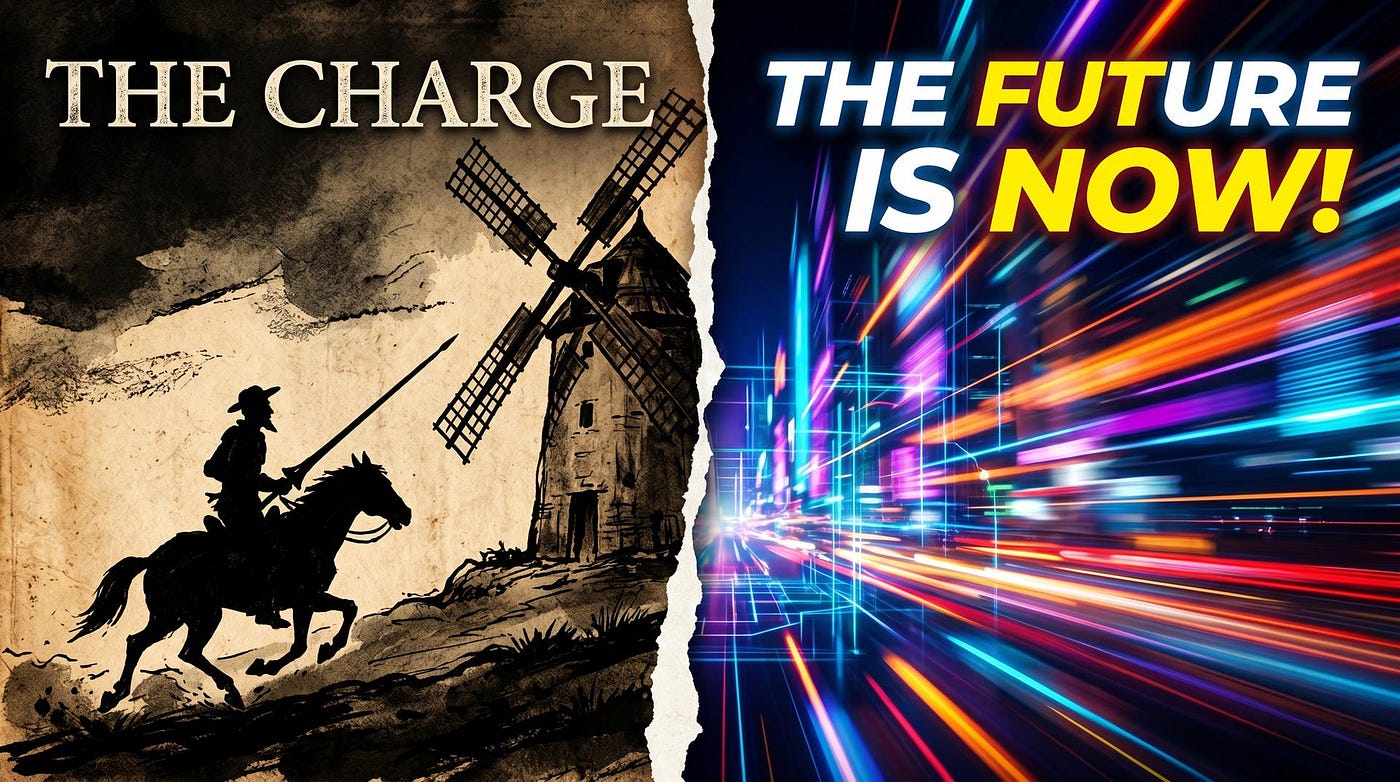
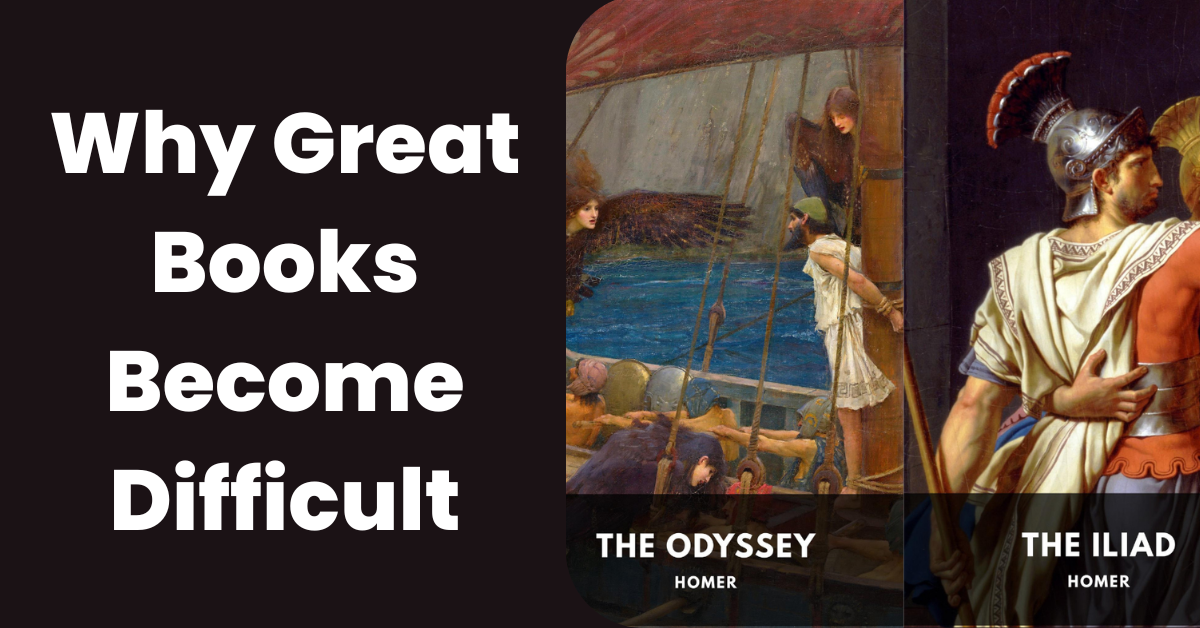
Works like The Odyssey, The Iliad, The Aeneid, and Don Quixote were never intended to be rushed. They reward patience, curiosity, and attention.
What has changed is how we read them.
Modern readers expect information to be immediately accessible. When context isn’t available, we instinctively leave the page to find it elsewhere.
Ironically, the tools meant to help us often interrupt the very experience we’re trying to enjoy.
Reading Should Stay Inside the Book
At Visualible, we started with a simple question:
What if readers never had to leave the book to stay oriented?
Instead of replacing the original work with summaries or simplified versions, we wanted to build something that supports reading while respecting the author’s text.
That idea became Visualible.
Visualible keeps the original text at the center while offering optional support around it whenever readers need a little more context.
Readers can explore:
- People to follow important characters.
- Places to understand the world of the story.
- Terms and references that provide historical and cultural background.
- Context So Far to remember what has already happened without losing their place.
- Dictionary support for unfamiliar words.
The goal isn’t to replace reading.
The goal is to make it easier to continue reading.
The Original Text Always Comes First
Everything in Visualible follows one principle:
The original text remains primary.
Context appears beside the book not instead of it.
Readers choose when to explore additional information and when to continue uninterrupted.
This allows difficult books to remain authentic while becoming easier to stay with.
A Better Way to Read the Classics
Visualible currently supports works by authors including Homer, Virgil, and Miguel de Cervantes.
These books continue to shape literature, classrooms, and conversations because they still matter. They also continue to challenge readers because they ask us to enter unfamiliar worlds filled with people, places, customs, and ideas that often require context.
Rather than changing those works, Visualible helps readers enter them with greater confidence.
Reading Is Better When Context Stays Close
Great books shouldn’t require a second screen.
They should not require constant searching to remember who someone is or why a place matters.
Context should support reading not interrupt it.
That’s the experience Visualible is designed to create.
If you have ever wanted to read a difficult book without constantly leaving the page, we’d love for you to experience it for yourself.
Preview the first 20 pages free and discover how Visualible helps readers stay oriented — without changing the original text.
메타데이터
- post_id
- 865d41e7cb8e
- slug
- why-great-books-become-difficult-and-why-they-dont-have-to-be-865d41e7cb8e
- url
- https://medium.com/@knowledge-space/why-great-books-become-difficult-and-why-they-dont-have-to-be-865d41e7cb8e
- canonical_url
- https://medium.com/@knowledge-space/why-great-books-become-difficult-and-why-they-dont-have-to-be-865d41e7cb8e
- author_url
- https://medium.com/@knowledge-space
- status
- ok
- fetched_at
- 2026-07-16 04:20:45