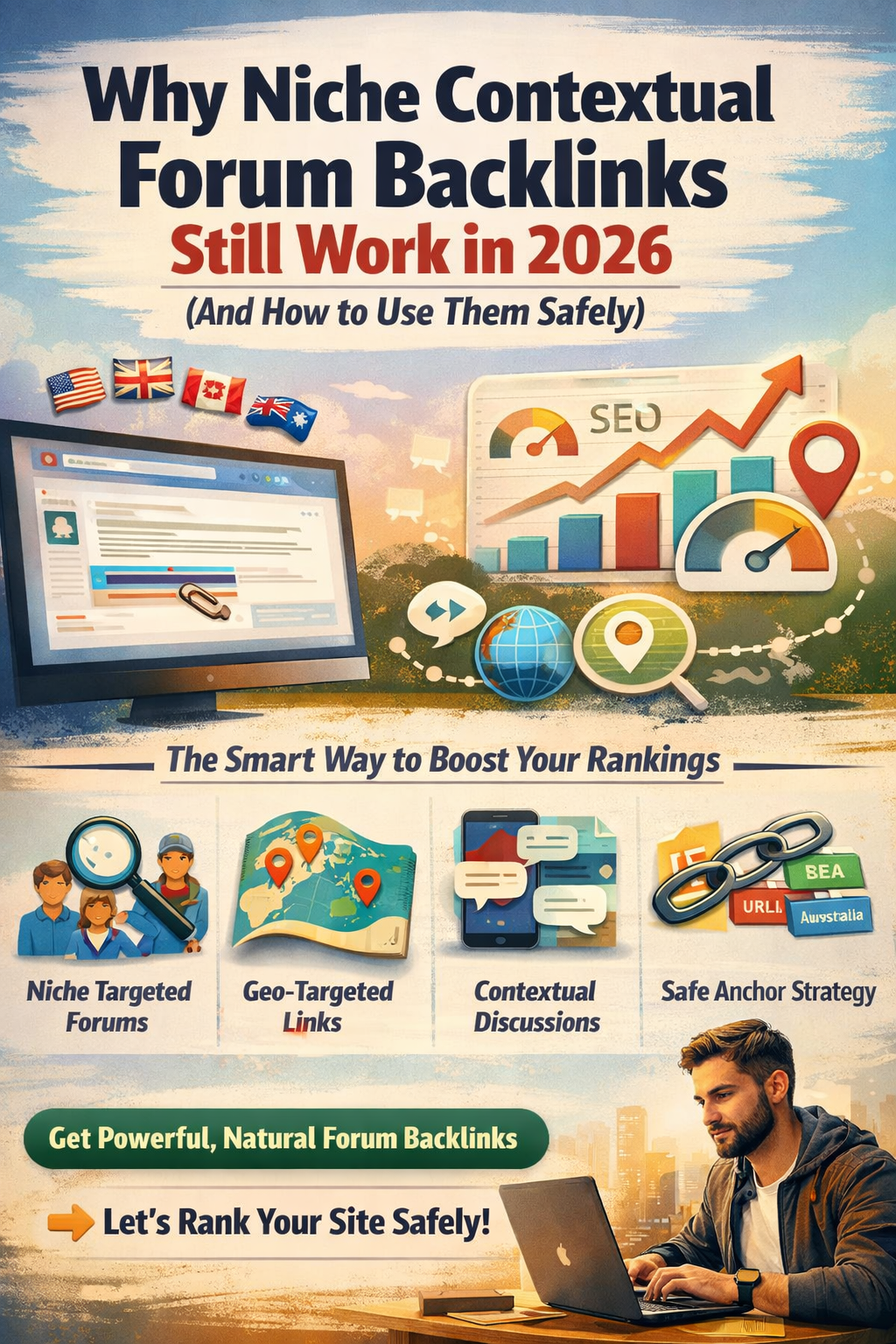
Contextual Backlinks: The Truth, Myths, and Real SEO Strategy You Must Know
Contextual backlinks is one of the most overused, misunderstood, and mis-sold concepts in the SEO industry right now. Everyone talks about…
Contextual Backlinks: The Truth, Myths, and Real SEO Strategy You Must Know

Contextual backlinks is one of the most overused, misunderstood, and mis-sold concepts in the SEO industry right now. Everyone talks about it, everyone sells it — but very few people actually understand what it really means.
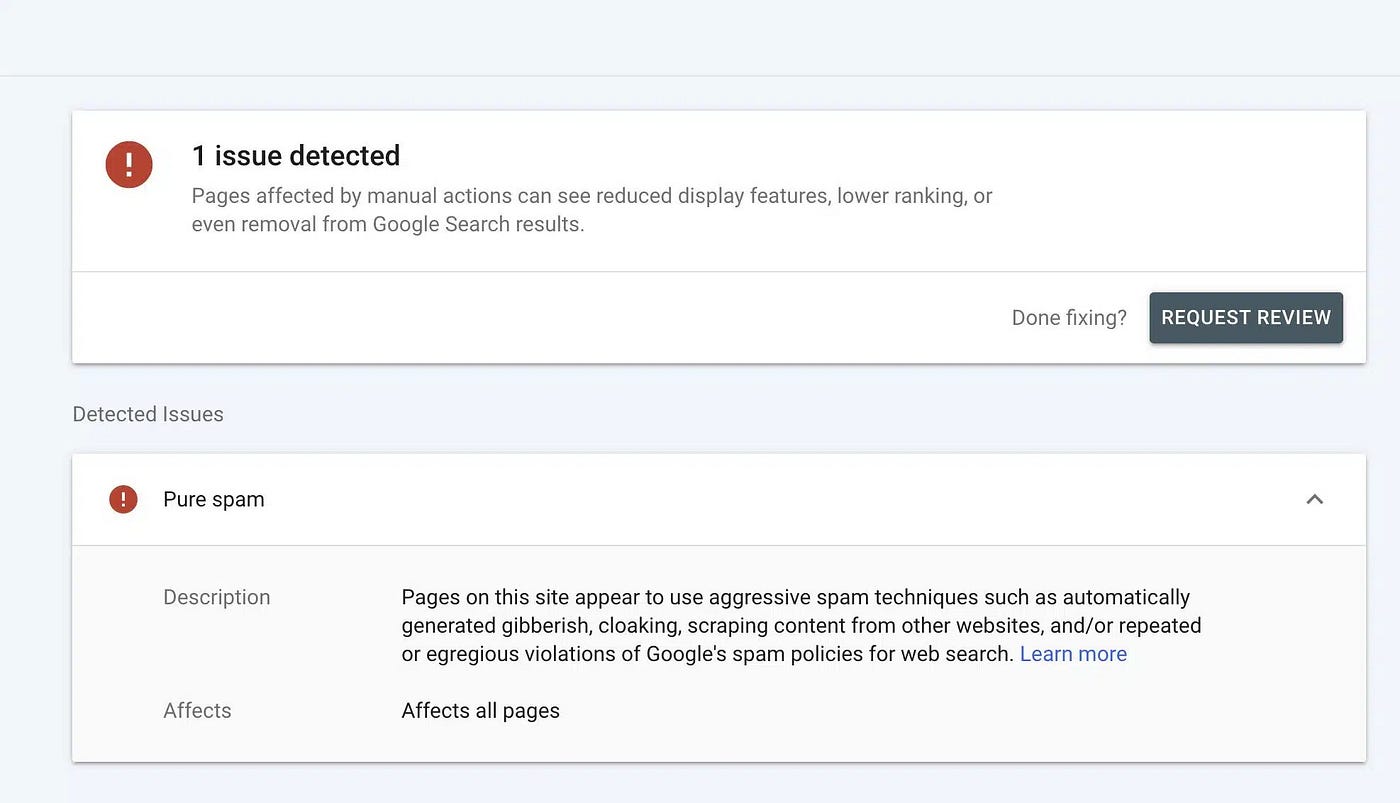
And because of this confusion, a large number of clients end up wasting money, trusting wrong providers, and sometimes even harming their website’s SEO performance instead of improving it.
Let’s clear everything in a simple, practical way.
What is a Contextual Backlink (Real Meaning)?
A **contextual backlink is a link that is placed naturally inside a relevant piece of content**, where the link fits the topic and is surrounded by meaningful text.
In simple words:
👉 It is not just a link 👉 It is a link placed inside real content with proper context and relevance
This is what makes it “contextual.”
It’s not about where the link is placed randomly — it’s about how naturally it is integrated into the content.
Why Contextual Backlinks Are So Important
Search engines like Google don’t just look at backlinks as “links.”
They evaluate:
- Relevance of the page
- Context around the link
- Content quality
- Authority of the source
- Natural placement of anchor text
That means a well-placed contextual backlink can:
- Improve rankings
- Build topical authority
- Increase trust signals
- Drive relevant organic traffic
But only if it’s done correctly.
Real Types of Contextual Backlinks (That Actually Work)
If we talk about real SEO practice, these are the true forms of contextual backlinks:
1. Guest Posts / Editorial Links
Links placed inside original articles published on relevant websites. This is one of the most standard and safe methods.
2. Niche Edits
Adding your link into an already existing, indexed article that is relevant to your niche.
3. HARO (Help a Reporter Out)
Getting featured in journalist articles where your link is included as a source or reference.
4. Resource Links
Being added to “useful resources” or curated lists on authority websites.
5. High-Quality Web 2.0 (Selective Use)
Not every Web 2.0 is valuable — but well-written, content-rich Web 2.0 pages can still work.
6. Digital PR (🔥 Very Powerful)
Getting mentioned in news sites, blogs, or media platforms through **PR campaigns**. This is one of the strongest contextual link sources.
What People Wrongly Call “Contextual Backlinks”
This is where most scams happen in the market.
These are NOT contextual backlinks:
- Profile Links
- Directory Submissions
- Bookmarking Sites
- Blog Comment Spam
- Footer or Sidebar Links
- Sitewide Links
- Classified Ads
These types of links are often sold as “contextual packages,” but in reality, they lack content relevance and natural placement.
They may create links — but they don’t create contextual SEO value.
The Biggest Misunderstanding in the Market
Most people think:
👉 “If there is a link inside content, it is contextual.”
But that is NOT true.
A real contextual backlink must have:
- Relevant topic match
- Natural sentence integration
- High-quality surrounding content
- Editorial placement (not forced)
Without these, it’s just a link inside text — not a true contextual backlink.
Why So Many SEO Campaigns Fail
The main reason is simple:
❌ People focus on quantity, not quality ❌ They buy cheap backlink packages ❌ They trust “guaranteed ranking” claims ❌ They ignore relevance and context
As a result:
- Rankings don’t improve
- Traffic stays flat
- Website authority doesn’t grow
- Sometimes even drops happen
Google is far smarter now. It doesn’t reward random links — it rewards relevance and trust.
The Correct Approach to Contextual Backlinking
If you want real SEO results, your mindset should be:
✔ Focus on relevance, not just links ✔ Prioritize quality websites over cheap sources ✔ Build links through content, not shortcuts ✔ Think long-term authority, not quick ranking tricks
Backlinks are not a “task” you complete. They are part of a long-term SEO strategy.
Final Thoughts
Contextual backlinks are powerful — but only when done correctly.
The problem is not the strategy. The problem is how people misuse it.
If you understand the real concept and apply it properly, it can significantly improve your SEO performance and organic growth.
But if you follow the market hype blindly, it will only waste your time and money.
🚀 SEO is not about building links. It’s about building trust, relevance, and authority.
Follow Intolink for more real SEO insights.
메타데이터
- post_id
- 867afd17e2a9
- slug
- contextual-backlinks-the-truth-myths-and-real-seo-strategy-you-must-know-867afd17e2a9
- url
- https://medium.com/@intolink/contextual-backlinks-the-truth-myths-and-real-seo-strategy-you-must-know-867afd17e2a9
- canonical_url
- https://medium.com/@intolink/contextual-backlinks-the-truth-myths-and-real-seo-strategy-you-must-know-867afd17e2a9
- author_url
- https://medium.com/@intolink
- status
- ok
- fetched_at
- 2026-06-21 12:17:11