What Makes a Good Hunting Rangefinder? A Practical Guide for Real Hunters
A good hunting rangefinder does one simple thing well: it tells you how far away your target really is.
What Makes a Good Hunting Rangefinder? A Practical Guide for Real Hunters
A good hunting rangefinder does one simple thing well: it tells you how far away your target really is.
That sounds basic, but anyone who has spent real time outdoors knows distance can be tricky. A deer across a cut field may look closer than it is. A target uphill can fool your eyes. Low light, brush, rain, fog, and uneven ground can all make distance estimation less reliable.
For hunters, that matters.
Whether you are bowhunting in thick timber or taking a longer rifle shot across open terrain, knowing the correct distance helps you make better decisions. It can improve accuracy, reduce guesswork, and help you avoid taking shots you should not take.
So what actually makes a hunting rangefinder worth carrying?
Let’s break it down in practical terms.
Fast and Reliable Distance Readings
The first thing a hunting rangefinder needs to do is give fast, consistent readings.
In the field, animals rarely stand still in perfect conditions. You may have only a few seconds to range, judge the situation, and decide whether to act. A rangefinder that takes too long to lock onto a target can become frustrating fast.
Speed matters, but reliability matters even more.
A good hunting rangefinder should be able to pick up your target without constantly grabbing the wrong object in front of it, like grass, branches, or brush. This is especially important in wooded areas where your line of sight may not be perfectly clean.
The best rangefinders do not just produce big numbers on a spec sheet. They work when the environment is messy.
Angle Compensation Is a Big Deal
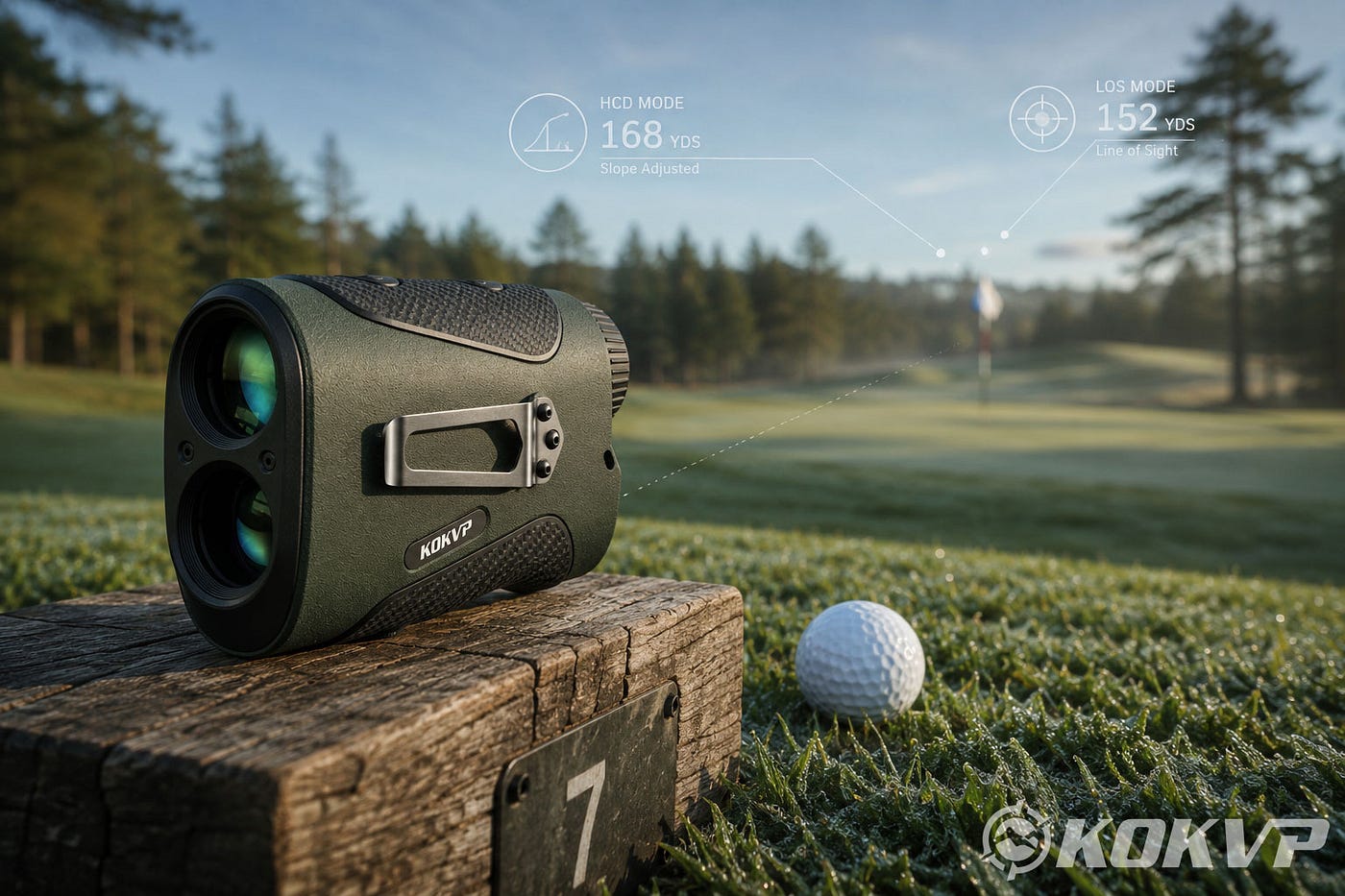
For hunters, angle compensation is one of the most useful features a rangefinder can have.
If you are shooting uphill or downhill, the straight-line distance to the target is not always the distance that matters most. The angle changes how gravity affects the shot. This is especially important for bowhunters, but rifle hunters can benefit from it too.
For example, a deer may be 40 yards away by line of sight, but the angle-compensated distance may be closer to 35 yards. That difference can matter.
A good hunting rangefinder should clearly show either the true line-of-sight distance, the angle-adjusted distance, or both. More importantly, the display should make it easy to understand which number you are looking at.
In a hunting situation, confusion is the last thing you want.
Clear Optics Matter More Than People Think
Many buyers focus only on ranging distance, but optical clarity is just as important.
A hunting rangefinder is still an optic. You have to look through it, identify your target, and place the reticle accurately. If the image is dim, blurry, or hard to use in low light, the rangefinder becomes less helpful.
Good glass helps you see better at dawn and dusk, which are often the most active times for wildlife. A bright, sharp image also helps when you are trying to range a smaller target or pick a clear spot through brush.
Magnification matters too. Many hunting rangefinders use 6x or similar magnification because it gives enough reach without becoming too shaky for handheld use.
The goal is not just to see far. The goal is to see clearly enough to range confidently.
Low-Light Performance Is Important
Hunters do not operate only at noon under perfect sunlight.
Morning and evening conditions are often where rangefinders get tested. Shadows are longer, contrast is lower, and targets can blend into the background. A weak display or poor optical performance can make ranging harder right when you need it most.
A good hunting rangefinder should have a display that remains readable in different lighting conditions. If the numbers are too dim in bright sun or too harsh in low light, it can slow you down.
Some rangefinders offer adjustable brightness, which is useful. You want a display that is easy to read without overpowering the view.
The Maximum Range Should Be Realistic
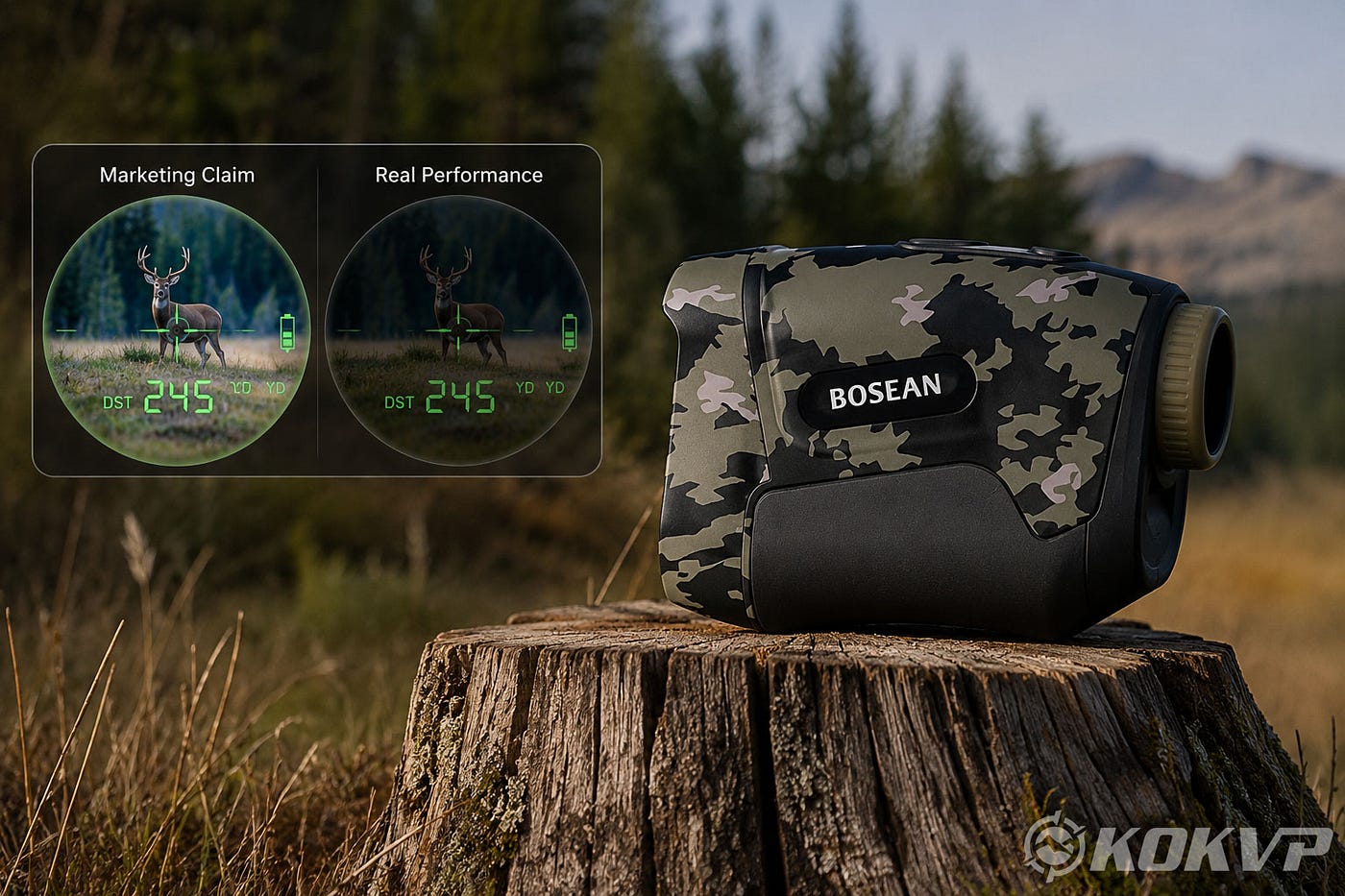
Manufacturers often advertise long maximum ranges, but hunters should read those numbers carefully.
A rangefinder might be rated for 1,000 yards or more, but that number is often based on highly reflective targets in ideal conditions. Real animals are not reflective signs. Fur, dark backgrounds, weather, and target size can all reduce effective range.
That does not mean maximum range is useless. It just means you should think about realistic hunting distances.
For bowhunting, you may care more about fast, accurate readings from 10 to 80 yards. For rifle hunting in open country, longer ranging performance becomes more important. For mixed use, you want a rangefinder that handles both short and mid-range situations reliably.
Do not buy only for the biggest advertised number. Buy for the distances you actually hunt.
Target Modes Can Help in Real Conditions
Many hunting rangefinders include different targeting modes. These may include scan mode, first target priority, last target priority, or similar features.
Scan mode is especially helpful. Instead of pressing the button repeatedly, you can pan across the area and get continuous distance readings. This is useful when an animal is moving or when you want to range several landmarks before the action starts.
Last target priority can be useful in brush because it helps the rangefinder ignore closer branches and read the object behind them. First target priority can be helpful for clean, open targets.
The names vary by brand, but the idea is the same: good target modes help the rangefinder perform better in imperfect environments.
Durability and Weather Resistance Matter
A hunting rangefinder is not a desk gadget.
It may be used in rain, dust, mud, snow, cold weather, and rough terrain. It may get bumped in a pack or used with gloves. A good one should feel solid in the hand and be built for outdoor use.
Weather resistance is important. You do not want to baby your gear every time the forecast changes. A compact, rugged body with a secure grip is usually more useful than something that looks fancy but feels fragile.
Weight also matters. If a rangefinder is too bulky, you may leave it in your pack instead of keeping it ready. The best hunting gear is the gear you actually use.
Battery Life Should Not Be an Afterthought
A rangefinder with a dead battery is just extra weight.
Battery life matters, especially on longer hunts or multi-day trips. Most hunters should carry a spare battery, but a good rangefinder should still offer dependable power management.
Also pay attention to how easy the battery is to replace. If it requires awkward tools or a delicate cover, that can be annoying in cold weather or low light.
Simple, practical design wins in the field.
Ease of Use Is Underrated
Some rangefinders have a long list of features but are frustrating to operate.
That is not ideal for hunting.
A good hunting rangefinder should be simple enough to use quickly under pressure. The buttons should be easy to find by feel. The display should be uncluttered. Changing modes should not require digging through a confusing menu.
Advanced features are useful only if you can actually use them when it counts.
In many cases, hunters are better served by a rangefinder that does the core things well instead of one packed with complicated options they will rarely touch.
How kokvp Fits Into the Conversation
For hunters comparing rangefinders, brands like kokvp are worth looking at as part of the broader optics market, especially if you want practical features without getting lost in overly technical marketing.
The key is to compare based on real hunting needs: clear optics, angle compensation, target acquisition, useful range, weather resistance, and simple operation. A rangefinder should make decisions easier in the field, not add another layer of confusion.
Whether you are looking at kokvp or any other brand, the same rule applies: choose the tool that fits the way you actually hunt.
What Real Hunters Should Look For
A good hunting rangefinder should offer:
- Fast and consistent readings
- Angle-compensated distance
- Clear optics
- Good low-light visibility
- A readable display
- Practical target modes
- Durable construction
- Weather resistance
- Good battery life
- Simple operation
You do not need every premium feature on the market. You need a rangefinder that gives you accurate information quickly and works in the conditions you actually face.
메타데이터
- post_id
- 86aad3a29f8a
- slug
- what-makes-a-good-hunting-rangefinder-a-practical-guide-for-real-hunters-86aad3a29f8a
- url
- https://medium.com/@velluvangadniyamuddin/what-makes-a-good-hunting-rangefinder-a-practical-guide-for-real-hunters-86aad3a29f8a
- canonical_url
- https://medium.com/@velluvangadniyamuddin/what-makes-a-good-hunting-rangefinder-a-practical-guide-for-real-hunters-86aad3a29f8a
- author_url
- https://medium.com/@velluvangadniyamuddin
- status
- ok
- fetched_at
- 2026-06-16 19:09:56