What CSPM and EASM Can’t Do — The Future of Cybersecurity With Unified Security Posture Management
Explore why USPM is essential for modern businesses and how it addresses critical security challenges.
What CSPM and EASM Can’t Do — The Future of Cybersecurity With Unified Security Posture Management (USPM)
In today’s digital landscape, cybersecurity threats are becoming more sophisticated than ever. From 2021 to 2023, data breaches surged by 72%(1), leading to massive financial losses. Many businesses use multiple security tools to combat these threats, but this often creates silos that complicate the security landscape and make it hard to pinpoint root causes quickly. This alarming trend underscores the need for a holistic approach to security. Unified Security Posture Management (USPM) steps up to this challenge by integrating various defensive and offensive security features into a comprehensive platform. But what exactly is USPM, and why is it crucial for modern businesses?
What is USPM?
Unified Security Posture Management combines Cloud Security Posture Management (CSPM) and External Attack Surface Management (EASM) features to create a unified view of all your digital assets. By integrating data from cloud infrastructure, on-premises systems, and external-facing assets, USPM offers comprehensive visibility and streamlined security operations. Unlike traditional methods that rely on disparate systems and fragmented data, USPM consolidates everything into a cohesive strategy, making it easier to identify and manage vulnerabilities across the board. This integration ensures a complete and effective security approach, covering every angle of your business’s digital landscape.
Why is USPM Important?
More and more businesses are rapidly adopting cloud services, creating a complex mix of on-premises and cloud-based assets. This complexity can lead to security blind spots and inefficiencies. Here’s why USPM is a game-changer:
- Comprehensive Visibility: USPM offers a centralized view of all assets, internal and external. This visibility is crucial for identifying potential vulnerabilities and understanding your overall security posture.
- Enhanced Efficiency: By integrating various security tools and processes, USPM eliminates the need for multiple, disparate solutions. This streamlines operations and reduces the risk of overlooking critical threats.
- Proactive Threat Management: USPM shifts your approach from reactive to proactive. Continuous monitoring and automated responses help identify and mitigate threats before they cause significant damage.
- Compliance and Governance: Keeping up with industry regulations (like ISO 27001, SOC2, and PCI DSS) is simpler with USPM. It ensures consistent policy enforcement and provides the necessary documentation for audits.
USPM isn’t just important — it’s essential for maintaining robust security in a complex, cloud-based world.
How Does USPM Differ from CSPM and EASM?
While Cloud Security Posture Management (CSPM) and External Attack Surface Management (EASM) are vital components of a robust cybersecurity strategy, they each cover only part of the security landscape.
CSPM focuses on cloud security, ensuring cloud configurations are secure and compliant with industry standards. However, it typically doesn’t cover on-premises environments or offer comprehensive external threat detection features, leaving exploitable security gaps, especially in hybrid environments.
EASM manages risks related to external-facing assets like web applications and APIs. It’s crucial for identifying and managing external threats, but often lack the capability to handle internal misconfigurations and vulnerabilities within cloud and on-premises environments.
Why USPM is Superior
Integrated Approach: USPM combines the best of CSPM and EASM while also addressing their limitations. By providing a unified view of both internal and external assets, it eliminates the silos created by using multiple solutions.
Comprehensive Risk Management: Leveraging advanced AI and machine learning, USPM detects and analyzes risks across your entire security landscape. It covers internal configurations, external threats, and everything in between, giving you a clearer picture of potential vulnerabilities.
Cross Intelligence: USPM employs cross intelligence by integrating and analyzing data from multiple security domains — cloud services, on-premises systems, and endpoints. This holistic analysis helps in identifying complex attack chains and provides deeper insights into potential threats. By correlating intelligence across different platforms, USPM ensures a more accurate and comprehensive threat detection and response strategy.
Efficient Operations: Managing all security aspects from a single platform reduces the operational overhead of juggling multiple tools. This leads to faster incident response times and optimal use of resources. The integration of cross-domain data also streamlines operations by providing a centralized view of all security activities, making it easier to manage and respond to threats in real time.
Key Features of USPM
To understand USPM’s effectiveness, it’s essential to look at its technical backbone. USPM platforms typically include the following features:
Cloud Security
USPM continuously monitors cloud environments, ensuring visibility into configuration settings, resource utilization, and access controls. Key features include:
- Misconfiguration Detection: Identifies misconfigurations in cloud infrastructure settings to prevent potential vulnerabilities with a cloud security scanner.
- Compliance Monitoring: Ensures continuous compliance with industry standards (ISO 27001, SOC2, PCI DSS, and more), providing a full list of issues for convenient tracking of security risks and compliance status.
- Reporting and Analytics: Delivers clear, prioritized recommendations to strengthen cloud security posture and mitigate identified threats and vulnerabilities.
External Threat Detection
USPM secures externally facing applications, including web applications, APIs, mobile apps, and third-party integrations. Key features include:
- Automated Port Scan and Monitoring: Continuously scans and monitors all open ports exposed to the Internet, identifying potential vulnerabilities and ensuring only necessary ports remain accessible.
- Certificate and Protocol Management: Checks SSL/TLS certificates and configurations to ensure all client-server communications are encrypted and secure.
- Secret Management: Monitors external resources for exposed sensitive information, such as API keys, passwords, and access tokens to prevent unauthorized access.
- Tech Stack Scanning & CVE Management: Scans for vulnerabilities in the entire technology stack and manages Common Vulnerabilities and Exposures(CVEs) to ensure all components are secure and up-to-date with the latest security patches.
Why Are Businesses Looking for USPM Solutions?
Businesses are turning to USPM solutions to meet several critical needs:
- Complex IT Environments: As businesses juggle cloud services and on-premises systems, managing security across diverse environments becomes challenging.
- Regulatory Compliance: Staying compliant with industry regulations requires consistent monitoring and reporting, which USPM can streamline.
- Reducing Operational Silos: Multiple security tools can create inefficiencies. A unified approach breaks down the silos and provides a more cohesive security strategy.
- Improving Incident Response: Proactive threat detection and automated remediation help businesses respond to incidents faster and more effectively.
Technical Advantages of USPM
- Agentless Integration: Simplifies deployment and reduces system overhead by eliminating the need for agents on every device.
- Customizable Reporting: Allows security teams to tailor reports to their specific needs, providing actionable insights for decision-making.
- Scalability: Designed to scale with the business, ensuring security measures grow alongside.
- Real-time Alerts and Recommendations: Provides instant alerts and quick recommendations for threats, swiftly mitigating potential vulnerabilities.
FAQ
What industries benefit most from USPM?
Industries with complex IT environments, such as finance, healthcare, and e-commerce, benefit significantly from USPM due to the need for stringent security and compliance.
What makes USPM different from traditional security approaches?
Traditional security uses multiple, isolated tools that create data silos and fragment threat management. USPM provides a unified, holistic view of your security landscape, integrating various features into one platform for a stronger, coordinated threat response.
How does USPM improve operational efficiency?
By unifying security tools and processes into a single platform, USPM reduces the need to manage multiple solutions. This streamlines operations, lightens the load on security teams, and minimizes the risk of missing critical threats — improving overall operational efficiency.
What kind of threat detection capabilities does USPM offer?
USPM uses advanced AI and machine learning technologies to detect potential threats. This proactive approach identifies vulnerabilities that traditional methods might miss, providing real-time alerts and automated responses to mitigate risks quickly.
Conclusion
USPM represents a significant advancement in cybersecurity, offering comprehensive visibility, enhanced efficiency, and proactive threat management. By unifying various security functions into a single platform, USPM helps businesses maintain robust security postures in the face of evolving threats.
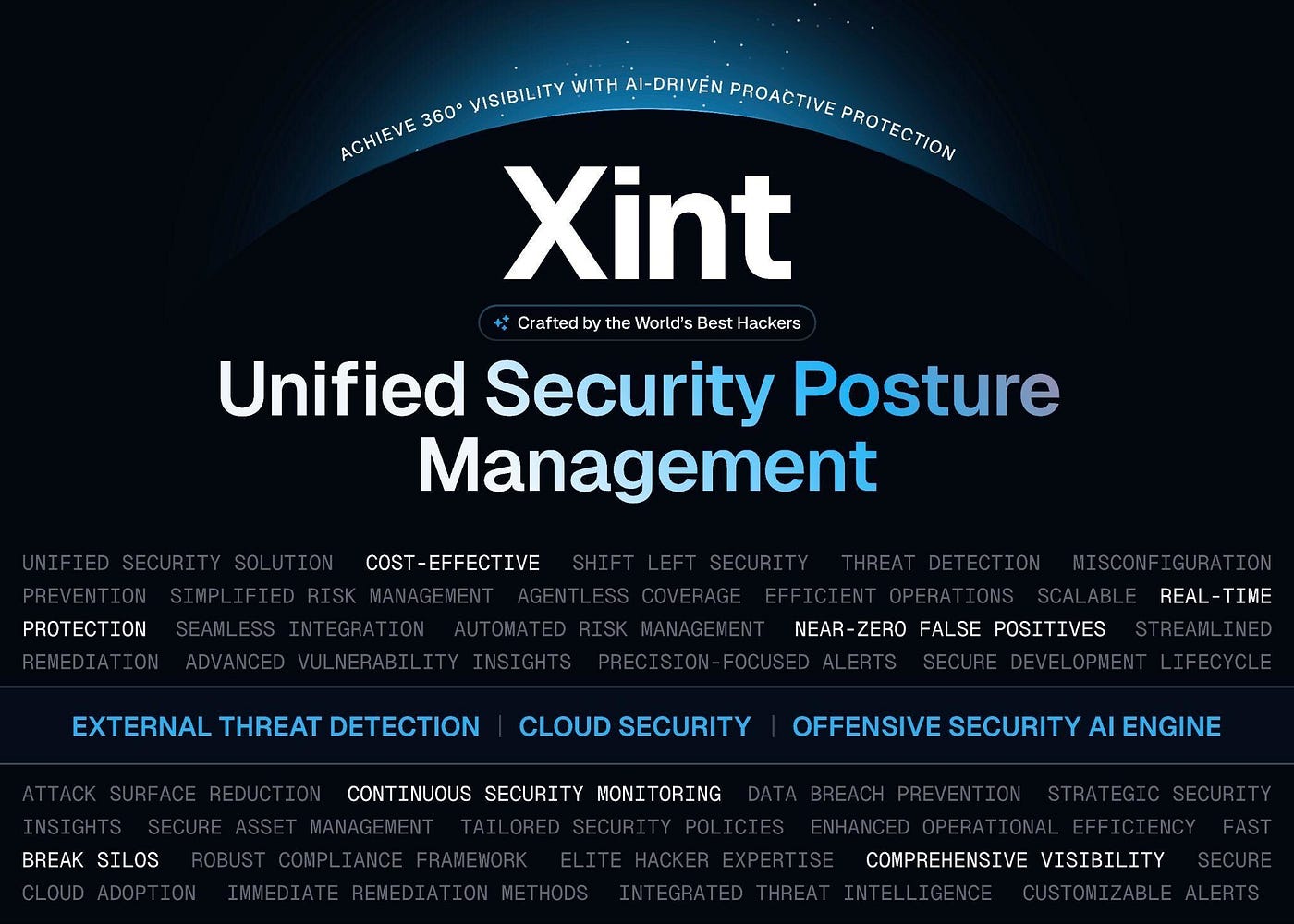
At Theori, we’ve taken USPM to the next level with Xint, our advanced Unified Security Posture Management platform. Xint leverages Theori’s unmatched expertise in offensive cybersecurity, featuring an innovative Offensive Security AI Engine. This AI engine simulates hacker tactics, providing intelligent vulnerability detection, autonomous website analysis, and more. Xint empowers your security team to stay ahead of potential threats.
Ready to transform your security operations? Contact us today to schedule a demo and see the future of cybersecurity management with Xint.
Reference
Xint is an advanced Unified Security Posture Management (USPM) platform from Theori, the leading cybersecurity firm specializing in offensive security solutions. Our offensive approach ensures we deliver optimal security solutions by analyzing vulnerabilities from an attacker’s perspective. Serving a diverse client base of all sizes from ambitious startups to Fortune 500 enterprises, we are the leading experts in identifying and addressing industry-agnostic threats.
To learn more about Xint, ▪️ Visit our website ▪️ Visit Theori’s website ▪️ Follow us on X ▪️ Follow us on LinkedIn
메타데이터
- post_id
- 86ac1f4fe53d
- slug
- what-cspm-and-easm-cant-do-the-future-of-cybersecurity-with-unified-security-posture-management-86ac1f4fe53d
- url
- https://medium.com/xint-io/what-cspm-and-easm-cant-do-the-future-of-cybersecurity-with-unified-security-posture-management-86ac1f4fe53d
- canonical_url
- https://medium.com/xint-io/what-cspm-and-easm-cant-do-the-future-of-cybersecurity-with-unified-security-posture-management-86ac1f4fe53d
- author_url
- https://medium.com/@xint.io
- status
- ok
- fetched_at
- 2026-07-23 10:07:59