Tea and Identity: How a Simple Beverage Reflects Global Traditions
Tea does not only play the role of a warm beverage waiting to be sipped. It is recognized as a cultural symbol, a centuries-old ritual, and…
Tea and Identity: How a Simple Beverage Reflects Global Traditions
Tea does not only play the role of a warm beverage waiting to be sipped. It is recognized as a cultural symbol, a centuries-old ritual, and a powerful expression of identity across the globe. Events like the Japanese Tea Ceremony or the British Afternoon Tea unfold centuries-old stories. The way tea is prepared, served, and consumed tells a story about people, their values, and their heritage. This simple beverage plays a leading role in defining traditions and connecting communities worldwide.
The Roots of Tea: Origins and Early Symbolism
Tea’s roots go back more than 5,000 years ago in ancient China. According to tradition, an emperor known as Shen Nong first discovered tea when leaves were blown by a mild western wind into a pot of boiling water. This lucky event produced an incredible drink; one that laid the foundation for a cultural transformation. Tea drinking during the early Chinese dynasties was a beverage of harmony, respect, and refinement. These attributes are no less relevant today.
Tea soon became central to religious rituals, poetry, and art. It was not just consumed for taste but appreciated for its calming effects and spiritual associations. In Taoism and Buddhism, tea ceremonies encouraged inner peace, embedding tea deep into East Asian identity.
Japanese Tea Ceremony: A Path to Inner Peace
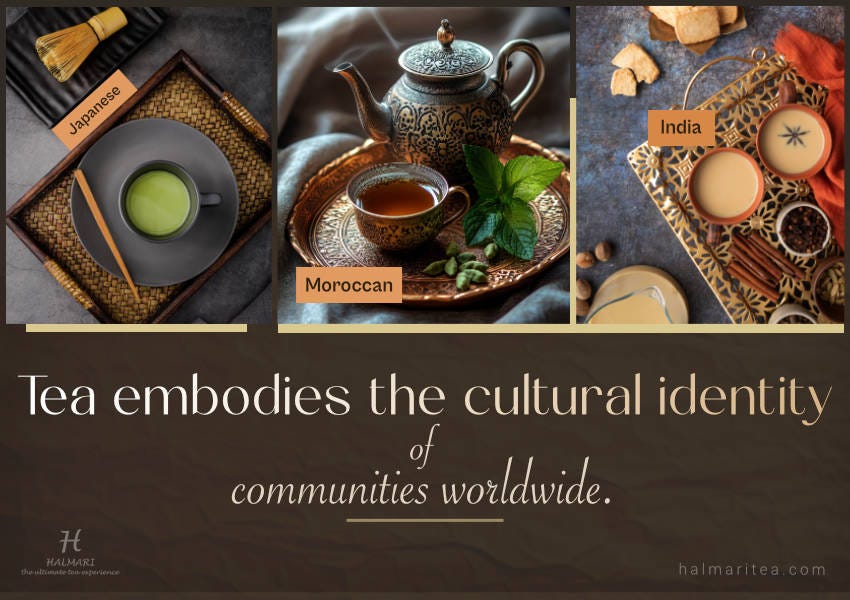
Japan has appreciated tea by introducing its renowned art form: chanoyu or tea ceremony. Tea is served according to Zen Buddhism. Therefore, each of the performances emphasizes grace and simplicity. The guest silently observes their host’s thoughtful approach every time they whisk the matcha or bow in appreciation. This was emphasized in the ceremony as every element, from the ceramic bowl to the bamboo scoop, communicates much more than just the act of sipping tea with friends.
Tea was introduced to the country as more than just a drink. Presently, tea is a form of respect, which could be respect for the gathering, the host, or the guest. The ceremony takes place in a meditative setting. The values that float around during this time are those of patience, humility, and serenity.
India: Tea as a Daily Ritual and Social Connector
As we learned about the formality of the Japanese tea ceremony, it is time to dive deeper into the liveliness of tea that India represents. “Chai” culture in India exhibits its sense of inclusion, weaving its ritual into everyday life. Whether at chai stalls by the roadside or even made by a family member’s hand, chai is more than a beverage. More than just a drink, it serves as a medium to bring people together.
Masala chai is more than a black tea base, various spices, a pretty generous amount of milk, and sugar. It is the melting pot of diversity and colorful traditions rooted in India. Every home has a way or a recipe to make chai that illustrates cultural differences and individuality in its epic story. Chai encounters become conversations. So, tea can be considered a beverage that binds a billion lives.
India is also one of the world’s largest producers of tea, home to some of the most famous tea estates. The craft of a skilled **tea manufacturer** plays a leading role. It ensures that India’s heritage is not only preserved but also shared globally through exports of Darjeeling, Assam, and Nilgiri teas.
The British and Their Beloved Afternoon Tea
Tea arrived in Britain during the 17th century and was immediately recognized as a status symbol among the upper classes. Over time, the tradition of afternoon tea gathered recognition. This was completed with delicacies like scones, clotted cream, and delicate finger sandwiches.
The ritual of afternoon tea in Britain was not only about taste but also about etiquette and elegance. Serving tea became a refined affair. This was marked with porcelain cups, lace doilies, and polite conversation. Even today, afternoon tea remains a depiction of British identity.
Moroccan Mint Tea: Hospitality in a Glass
In Morocco, serving mint tea is not just an option anymore. Instead, it denotes an expression of hospitality. Made with fresh mint leaves, green tea, and generous sugar, it is poured from high above to create foam. This is a sign of skill and respect.
Guests are traditionally offered three rounds of tea, each representing life, love, and death. Refusing any round is considered impolite. The ritual, often performed by the head of the family, denotes Moroccan generosity. Mint tea is not just refreshing; it is a social glue that unites families and welcomes strangers.
The Rise of Global Fusion and Modern Tea Culture
As the world modernized, so did the evolution of tea. Bubble tea from Taiwan, turmeric lattes from India, and matcha frappes from Japan are now found. These blends may be modern, but they carry centuries of tradition within them. Modern wellness trends have also revived herbal teas, with ingredients like chamomile, hibiscus, and ginger taking center stage.
Even so, nowadays, tea shops and online stores allow the audience to taste the best around the world and explore different cultures by making their respective tea types available. No matter how much the ingredients or fusions evolve, tea remains rooted in identity. It offers a sense of belonging in this fragmented world.
Conclusion
The tea carries down with it stories of countless generations. This is the only drink that has journeyed across several continents and worked its way through centuries. Tea has adapted and reflected the values of the people who cherish it. Whether you sip it for clarity, social connection, or pleasure, tea is a living symbol of identity.
Every cup tells a story, whether it is of tradition, of place, or of people. And in a world that often feels divided, tea remains a gentle reminder that the deepest connections begin with something as simple as boiling water and leaves.
메타데이터
- post_id
- 873ea58940cb
- slug
- tea-and-identity-how-a-simple-beverage-reflects-global-traditions-873ea58940cb
- url
- https://medium.com/@halmariteaestate/tea-and-identity-how-a-simple-beverage-reflects-global-traditions-873ea58940cb
- canonical_url
- https://medium.com/@halmariteaestate/tea-and-identity-how-a-simple-beverage-reflects-global-traditions-873ea58940cb
- author_url
- https://medium.com/@halmariteaestate
- status
- ok
- fetched_at
- 2026-08-11 10:45:26