Do You Have Complex PTSD? Subtle Signs Most People Overlook
You function normally. You go to school or work. You talk to people. But inside, something always feels off — like you’re stuck in…
Do You Have Complex PTSD? Subtle Signs Most People Overlook
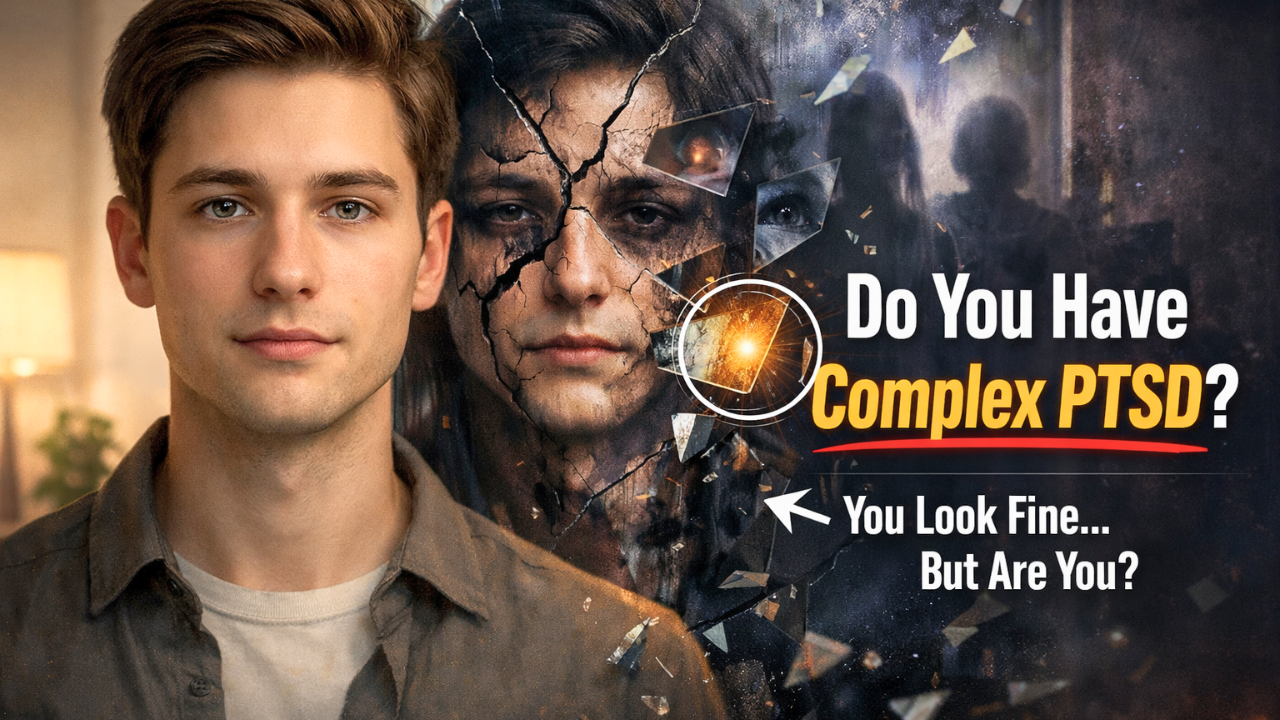
*You function normally. You go to school or work. You talk to people.
- *But inside, something always feels off — like you’re stuck in survival mode.
- If this feels familiar, it might not just be stress. It could be Complex PTSD.
What Is Complex PTSD?
Complex PTSD (CPTSD) is a psychological condition that develops after prolonged or repeated exposure to trauma. Unlike a single distressing event, it often stems from ongoing experiences such as emotional neglect, abuse, unstable environments, or long-term stress.
These experiences shape how the nervous system responds to the world. Over time, they can affect emotions, identity, and relationships in ways that are not always obvious.
CPTSD vs PTSD: What’s the Difference?
Understanding the **CPTSD vs PTSD difference** is important because many people mistake one for the other.
PTSD is usually linked to a specific event, such as an accident or a traumatic incident. Common symptoms include flashbacks, nightmares, and avoidance.
Complex PTSD, however, includes those symptoms but goes deeper:
- Ongoing emotional dysregulation
- Persistent shame or guilt
- Difficulty trusting others
- A fragmented or unstable sense of self
In simple terms, PTSD is often about a single traumatic memory, while Complex PTSD affects long-term emotional patterns and identity.
The Role of Childhood Trauma
Many cases of Complex PTSD are connected to childhood trauma and PTSD-related patterns.
When a child grows up in an environment where they feel unsafe, ignored, or constantly criticized, their brain adapts to survive. These adaptations — like staying alert, avoiding conflict, or suppressing emotions — can continue into adulthood.
For example, someone raised in a highly critical household may feel anxious even during normal conversations, expecting judgment or rejection without clear reason.
Quick Self-Check: Could This Be Complex PTSD?
Take a moment to reflect:
- Do you feel constantly on edge, even in safe situations?
- Do small triggers lead to strong emotional reactions?
- Do you struggle with self-worth or identity?
- Do relationships feel confusing or overwhelming?
- Do you often feel emotionally numb or disconnected?
If you relate to several of these, it may be worth exploring further.
Subtle Signs of Complex PTSD Most People Miss
Not all complex PTSD symptoms are obvious. Many are internal and often misunderstood.
1. Emotional Overload or Numbness
You may feel emotions too intensely — or not at all.
2. Chronic Self-Doubt
A constant inner voice that questions your worth or decisions.
3. Difficulty Trusting Others
Even safe relationships may feel unpredictable or unsafe.
4. People-Pleasing Behavior
Prioritizing others’ needs to avoid conflict or rejection.
5. Feeling Disconnected
A sense of being “different” or detached from others.
6. Strong Reactions to Small Triggers
Situations that seem minor can feel overwhelming internally.
7. Persistent Shame or Guilt
A deep feeling that something is wrong with you.
Why Complex PTSD Often Goes Unnoticed
Complex PTSD is frequently overlooked for several reasons:
- Its symptoms resemble **anxiety or depression**
- Many behaviors appear like personality traits
- Awareness is still limited, especially in countries like India
- Emotional struggles are often normalized or dismissed
Because of this, people may live with CPTSD for years without understanding what they’re experiencing.
How It Affects Daily Life
Complex PTSD can influence multiple areas of life:
- Relationships and communication
- Confidence and career choices
- Physical health, including sleep and fatigue
- Ability to relax or feel safe
These effects often build gradually, making them harder to recognize.
Healing and Treatment Options
Recovery from Complex PTSD is a gradual process. It focuses on understanding your experiences and building a sense of safety.
Trauma-Focused Therapy
Trauma-focused therapy helps individuals process past experiences and identify emotional patterns in a structured way.
EMDR Therapy
EMDR therapy for PTSD (Eye Movement Desensitization and Reprocessing) is widely used to help the brain reprocess traumatic memories so they become less distressing.
Online Support
Access to care has improved with **online counselling for trauma and support from an online psychologist for complex PTSD**, making help more accessible and private.
Practical Coping Strategies for Trauma Survivors
Daily practices can support long-term healing.
Grounding Techniques
Focus on your senses to stay present during overwhelming moments.
Emotional Awareness
Identify and name your emotions without judging them.
Safe Routines
Consistent habits create stability and predictability.
Setting Boundaries
Protecting your time and energy is an important step in recovery.
Self-Compassion
Replace harsh self-criticism with understanding and patience.
When Should You Seek Professional Help?
Consider seeking help if:
- Your emotions feel overwhelming or difficult to control
- Your symptoms interfere with daily life
- You struggle with relationships repeatedly
- You feel stuck in the same emotional patterns
Seeking support is not about weakness — it’s about understanding what your mind has been carrying.
Complex PTSD in the Indian Context
In India, conversations around mental health are growing, but awareness about trauma is still limited.
Factors like family expectations, social stigma, and lack of emotional education often make it harder to recognize or address trauma. Many individuals are encouraged to “adjust” rather than understand their emotional experiences.
This makes awareness and education even more important.
Common Misunderstandings About Complex PTSD
- “It only happens after extreme trauma” Long-term emotional neglect can also lead to CPTSD.
- “You should just move on” Trauma affects the nervous system, not just thoughts.
- “It’s just overthinking” CPTSD involves deeper emotional and psychological patterns.
Frequently Asked Questions
Is Complex PTSD officially recognized?
Yes, Complex PTSD is recognized in the ICD-11 (International Classification of Diseases).
Can Complex PTSD be cured?
It may not disappear overnight, but symptoms can significantly improve with the right support and therapy.
Is Complex PTSD the same as borderline personality disorder?
No, although some symptoms overlap, they are different conditions with distinct causes and treatment approaches.
How long does recovery take?
Recovery varies for each person. It depends on individual experiences, support systems, and treatment methods.
Final Thoughts
**Complex PTSD** is not always visible, but its impact is real. The subtle signs — often dismissed or misunderstood — can shape how a person feels, thinks, and connects with others.
Recognizing these patterns is not about labeling yourself. It’s about understanding your experiences with clarity and compassion.
Healing doesn’t happen instantly, but awareness is a powerful first step. With time, support, and the right approach, it is possible to feel safer, more grounded, and more connected to yourself.
메타데이터
- post_id
- 876d95d3cc89
- slug
- do-you-have-complex-ptsd-subtle-signs-most-people-overlook-876d95d3cc89
- url
- https://medium.com/@pate87828ama/do-you-have-complex-ptsd-subtle-signs-most-people-overlook-876d95d3cc89
- canonical_url
- https://medium.com/@pate87828ama/do-you-have-complex-ptsd-subtle-signs-most-people-overlook-876d95d3cc89
- author_url
- https://medium.com/@pate87828ama
- status
- ok
- fetched_at
- 2026-07-16 00:09:14