From Paperwork to Purpose: What My Probationary Training Taught Me About Credit, Dignity, and Real…
During my probationary phase at State Bank of India, the second leg of my training moved me out of air-conditioned branches and into real…


From Paperwork to Purpose: What My Probationary Training Taught Me About Credit, Dignity, and Real Impact
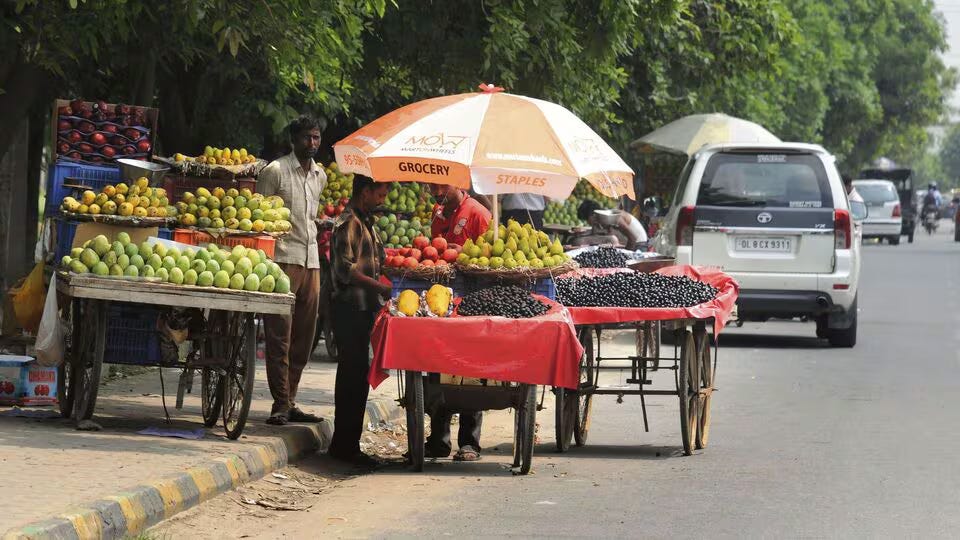
During my probationary phase at State Bank of India, the second leg of my training moved me out of air-conditioned branches and into real streets, real shops, and real lives.
I was assigned to MSME outreach — specifically, identifying eligible roadside and micro vendors for small personal and working-capital loans (some as modest as ₹10,000), helping them complete documentation, assessing creditworthiness, and finally ensuring the loan was responsibly disbursed.
On paper, it sounded procedural.
On the ground, it was transformative.
Finding the Right Candidates (and Saying No When Needed)
Our first task was simple to state but hard to execute: find the right borrowers.
We walked through markets at dawn, spoke to tea sellers between customers, and waited patiently while fruit vendors finished a sale. Many had never entered a bank. Most relied on informal moneylenders charging crushing interest — sometimes daily collections that quietly eroded both profit and dignity.
Each application meant:
- Collecting identity and address proofs
- Understanding daily cash flows (not monthly income — daily)
- Mapping business stability: location, footfall, seasonality
- Gauging intent: Was the loan for growth — or just survival?
Out of every 8–10 people we spoke to, only one would finally qualify after proper diligence.
And that was intentional.
Because inclusion without assessment isn’t empowerment — it’s delayed distress.
A few cases inevitably slipped. In roughly 1 out of 20, repayments struggled. But when we analyzed those failures, the pattern was clear:
- Structural issues (poor location, inconsistent demand)
- Skill gaps (great product, weak execution)
- Product–market mismatch
- Or unrealistic expectations from borrowed capital
Credit alone couldn’t solve these.
So we expanded our role.
Beyond Sanctioning: Building Capability
Once we recognized that money was only part of the solution, we began doing something unusual for a banking campaign — we started coaching.
We helped vendors:
- Re-think pricing and margins
- Adjust operating hours to peak demand
- Improve basic bookkeeping (even if it was just one notebook)
- Separate household expenses from business cash
- Plan inventory instead of buying impulsively
At the district level, we also facilitated linkages with skill-training resources — connecting vendors to government trainers and local institutes where possible.
In a few fragile cases, we even advised not taking the loan yet.
Sometimes, postponing credit was the most responsible form of support.
That was a powerful lesson for me: Good banking is not about maximizing disbursements. It’s about minimizing regret.
What Changed for Them — and for Me
For many vendors, the shift away from moneylenders brought immediate relief:
- Lower interest burden
- Predictable EMIs
- No daily harassment
- Psychological safety
I still remember a vegetable seller who told me, quietly, “Now I can sleep without worrying who will come tomorrow morning.”
That sentence alone justified every document chase and field visit.
For me personally, the experience rewired how I view finance.
Spreadsheets became stories. Numbers became neighborhoods. Risk became human.
I realized that credit, when done right, is not a product — it’s a bridge.
A Simple Framework for Responsible Micro-Credit
(For anyone entering the credit or financial inclusion space)
Here’s a practical structure we followed — something learners and young professionals can directly apply:
1. Loan Processing: Start With Cash Flow, Not Collateral
- Track daily earnings, not just stated income
- Understand seasonality (festival sales vs lean months)
- Verify business continuity (same location, same trade)
Rule: If EMI > 20–25% of net daily surplus → pause.
2. Budgeting: Ring-Fence the Loan
Help borrowers pre-decide:
- How much goes to inventory
- How much stays as buffer
- How much (if any) supports household needs
Even a rough budget prevents emotional spending.
3. Monitoring: First 60 Days Matter Most
The riskiest period is immediately after disbursement.
We ensured:
- Early follow-ups
- Informal check-ins at their stall
- Gentle reminders before the first EMI
Early engagement prevents late-stage defaults.
4. Growth Advice: Small Tweaks, Big Outcomes
Encourage:
- One additional product with higher margin
- Slight price optimization
- Better placement of goods
- Simple customer retention (remembering regulars)
Micro improvements compound.
The Quiet Power of Ethical Credit
Not every loan became a success story.
But most did.
And even where businesses didn’t scale dramatically, families gained stability. Children stayed in school. Vendors escaped predatory cycles. Confidence returned.
That campaign taught me something no classroom ever could:
When finance is delivered with empathy, discipline, and follow-through, it becomes a social instrument — not just an economic one.
I entered that phase of training as a probationer learning processes.
I came out understanding purpose.
And years later, that experience still shapes how I think about banking, impact, and responsibility — especially when serving those who stand at the very edge of the formal economy.
메타데이터
- post_id
- 87aa41d6089c
- slug
- from-paperwork-to-purpose-what-my-probationary-training-taught-me-about-credit-dignity-and-real-87aa41d6089c
- url
- https://medium.com/@rvigneshkrishnan/from-paperwork-to-purpose-what-my-probationary-training-taught-me-about-credit-dignity-and-real-87aa41d6089c
- canonical_url
- https://medium.com/@rvigneshkrishnan/from-paperwork-to-purpose-what-my-probationary-training-taught-me-about-credit-dignity-and-real-87aa41d6089c
- author_url
- https://medium.com/@rvigneshkrishnan
- status
- ok
- fetched_at
- 2026-09-15 12:25:24