The Art of Doing Nothing
The self between things.
The Art of Doing Nothing
The self between things.

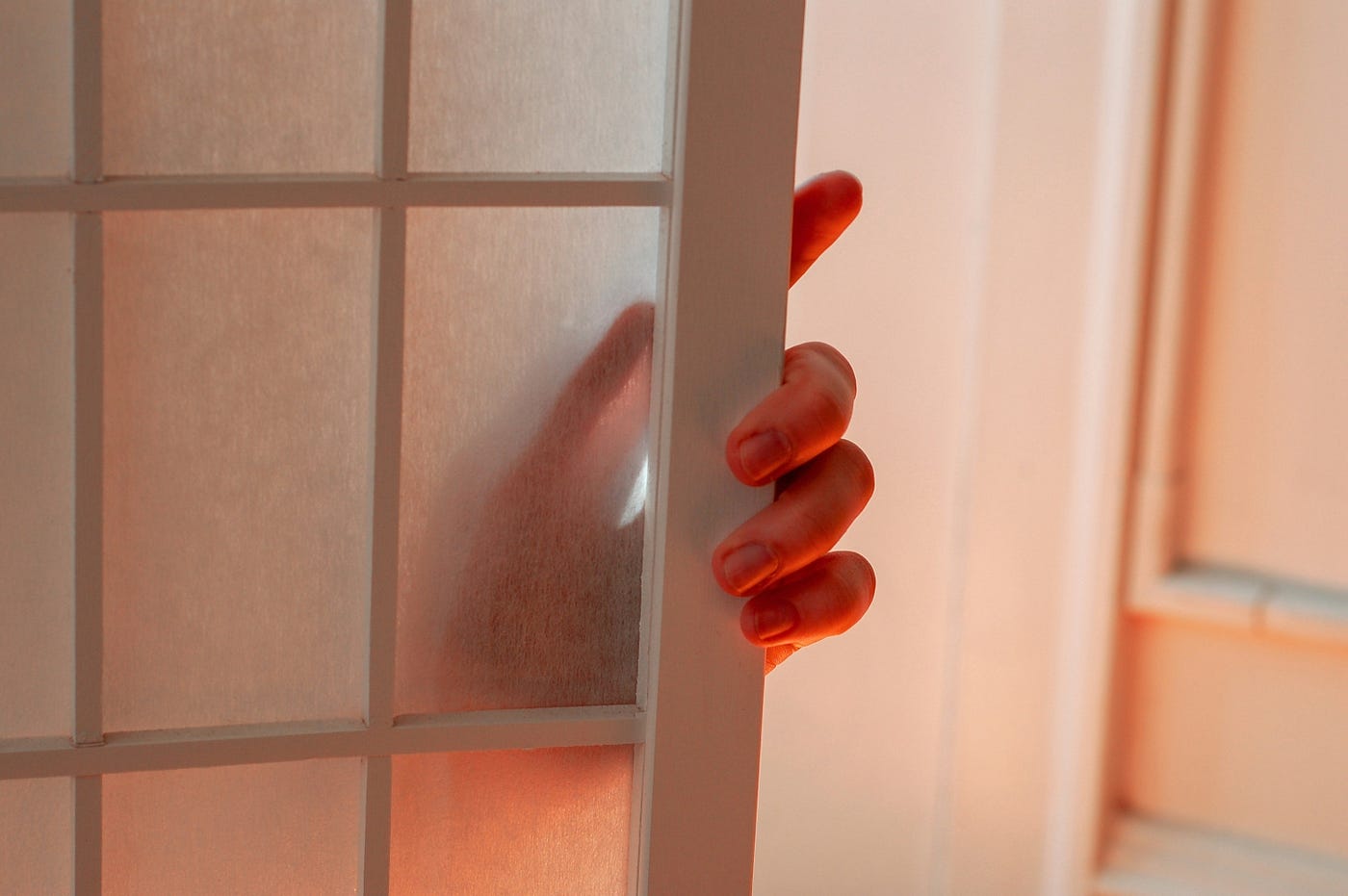
Image by Jota on Unsplash
I don’t think anybody likes to be bored. This is not a modern complaint. People have always looked for a distraction, sought company, search for an occupation. But there is a difference between occasionally relieving boredom and deciding, as a culture, that boredom itself is pathological, i.e. a design flaw to be engineered away.
That is what happened to us. As quietly, incrementally, and with the best of intentions, we managed to build a world in which every single moment is full with action, as no moment need ever be empty. And by us doing so, we managed to remove something we did not fully understand we were removing.
“Boredom was not the enemy of thought. It was the condition thought required.”
Think of what boredom actually produced, in the days before it could be instantly cured. The teenager staring at the ceiling who suddenly decided to write a story. The daily commuter gazing out the train window who arrived at work having unknowingly solved a problem they had been carrying for weeks. Or even the long Sunday afternoon that became, out of sheer necessity, the afternoon that someone called a friend they had been meaning to call for months.
These actions were not accidents. They were what happened when the mind was resting with nothing given to it to do, so was forced, eventually, to do something with itself. Psychologists studying mind-wandering have found that it is in precisely these unoccupied states that the brain generates its most creative and integrative thinking. The “idle mind” is therefore not a wasted mind. It is a mind at work on the things that cannot be scheduled.
Now consider what replaced it. The average person nowadays checks their phone within minutes, sometimes seconds, of experiencing the first flicker of boredom. Not because they expect anything important. Because the feeling of having nothing immediate to attend to has become, somehow and somewhere along the way, faintly uncomfortable. In a certain way, almost anxiety-producing. We have become so accustomed to stimulation that its absence feels like something has gone terribly wrong!
“We did not solve boredom. We buried it under stimulation — and called the burial a feature.”
This is not a trivial thing. It is not merely about daydreaming or idle thought. It is about the particular kind of self, one that only emerged in the gaps between things. The person who knew, from experience, what they actually wanted: not what the feed suggested, not what the algorithm suggested, but what arose from within, when there was nothing left to fill the space.
Boredom, it turns out, was a form of self-knowledge. We optimised it out of existence. Only now we are beginning to notice what it knew.
This is Article 2 of Arc 2 of the series What We Lost When We Gained This, about the quiet costs of progress and what modern life asked us to give up.
If this resonated, you can follow me on Medium for similar thoughtful articles on attention, personal growth, and presence.
A list of my published books is available here.
© Nami Darghouth, 2026. All rights reserved.
메타데이터
- post_id
- 87b47b4fce87
- slug
- the-art-of-doing-nothing-87b47b4fce87
- url
- https://medium.com/@nrd1803/the-art-of-doing-nothing-87b47b4fce87
- canonical_url
- https://medium.com/@nrd1803/the-art-of-doing-nothing-87b47b4fce87
- author_url
- https://medium.com/@nrd1803
- status
- ok
- fetched_at
- 2026-06-09 15:37:30