Ceylon and the Somme
Ceylon and the Somme
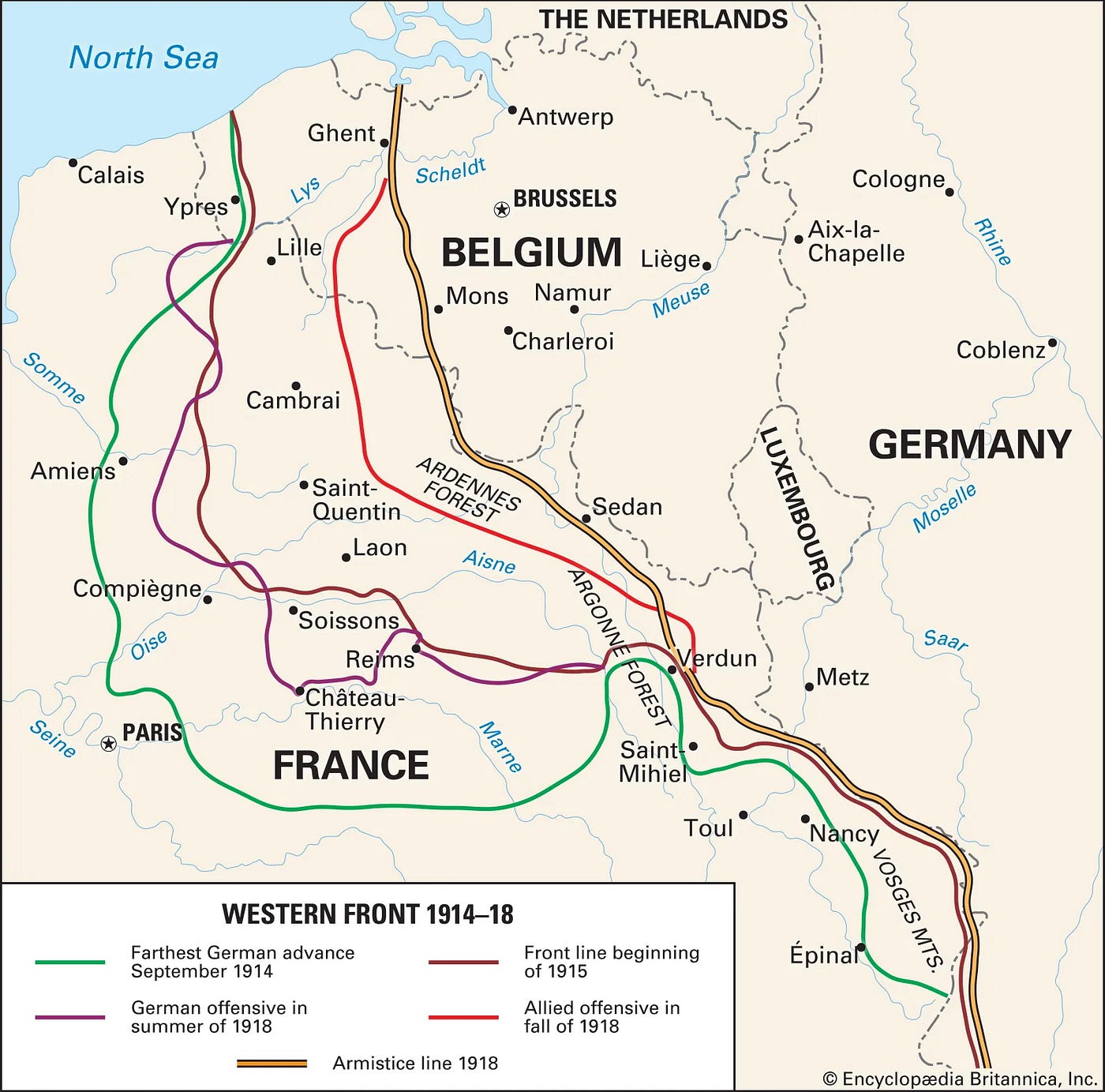
July 1st always brings sombre memories for anyone interested in the Great War of 1914–1918, for that was the day the Battle of the Somme commenced. The largest planned offensive by the British Army, it was designed to pummel the German trenches into rubble during a week-long bombardment that used more than 1.7 million shells, followed by an infantry assault by 2.5 million Allied soldiers.
As we know, that first morning was a disaster. The British Army alone suffered 19,240 deaths amongst the 57,470 casualties. The lives lost included three young men from Ceylon. Part of the story of that morning has been related here, but more research has led to the need for a postscript.
Beaumont-Hamel
The principal British assault was towards the high ground (held by the enemy) known as Hawthorne Ridge, where the Germans had constructed a fort (schwerpunkt in German). The British had spent months digging tunnels beneath the German lines. Several huge mines were set to be blown to destroy the German strong-points and signal the start of the offensive.
The 29th Division of the British Army, commanded by Lt. General Sir Aylmer Hunter-Weston which included the 2nd Battalion Royal Fusiliers and 16th (Public Schools) Battalion of the Middlesex Regiment, was the spearhead of the assault on Hawthorne Ridge.
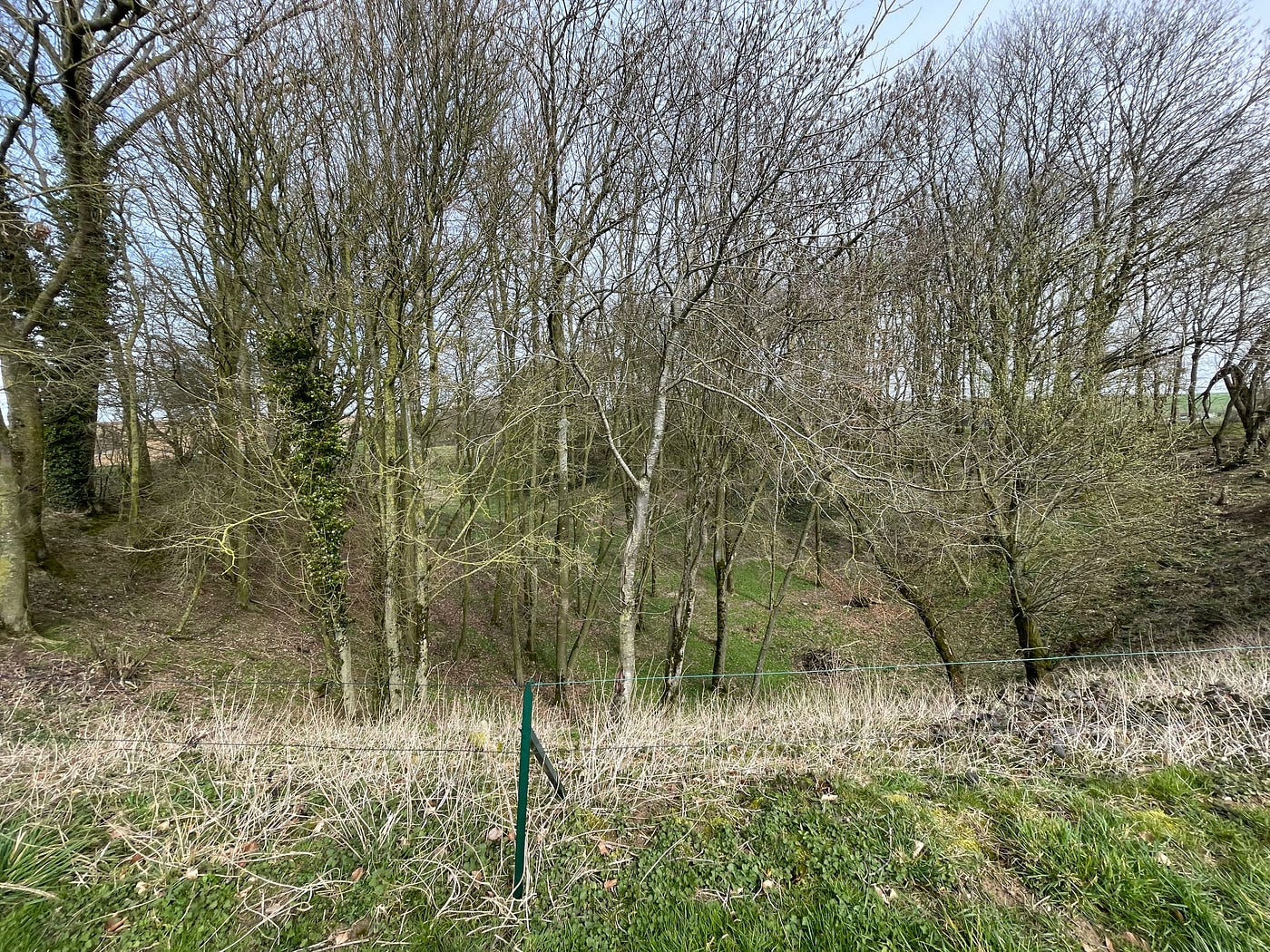
The western edge of the crater at Hawthorne Ridge today. Pic by SR
Hunter-Weston ordered the mine at Beaumont-Hamel to be fired earlier than scheduled to protect the advancing troops from falling debris. But this proved to be a crucial mistake as it gave the defenders enough time to occupy the lip of the crater and repel the advance. The rest, as they say, is history. The attack was a costly failure, earning the dubious distinction of the worst day in the history of the British Army.

A photo of the mine explosion taken on July 01, 1916. Picture courtesy Imperial War Museum
Hawthorne Ridge cemeteries
A number of Commonwealth cemeteries, too many to list here, dot the area. From the lip of the crater, it is possible to see more than half a dozen of them. We recently paid our respects at two cemeteries: Hawthorne Ridge №1, where Peter Robert De Silva of the Middlesex Regiment is buried; and №2 where my grandfather’s good friend Francis Drieberg who was with the Royal Fusiliers lies.

Hawthorne Ridge Cemetery №2. pic by SR
But I recently discovered that another boy from Trinity College, Kandy also lies in Hawthorne Ridge №2. Thomas Hodgson, who was educated at Trinity and worked at the Electric power station in Kandy after that, was also with the Royal Fusiliers. Thomas’s enlistment number is 9300, just two digits after Drieberg’s 9298! His grave is just one row away from Drieberg’s.

Hodgson’s gravestone, HR №2 B.49. Pic courtesy Imperial War Museum

Drieberg’s gravestone. HR №2 A.71. Pic by SR
Rudra’s autobiography gives details of the four friends’ enlistment at the Horse Guards barracks, but he does not offer a date nor does he make any mention of others who were there. But given that the service numbers are usually issued sequentially, it was very likely that the four friends (Aluwihare-9289, Rudra-9295, Halangoda-9296 & Drieberg-9298) were in the same group as Hodgson (9300).
Sadly, Rudra does not mention if they knew Thomas, but chances are they did. He was probably a little older than them, but Trinity was a small and intimate school, so it is likely that the lads were acquainted.
We also do not know if Peter De Silva, whose unit the Middlesex Regiment was posted just a few hundred yards (meters) to the left of the Royal Fusiliers, was known to the Trinity College contingent. One hopes they met and shared a few happy stories of Ceylon amidst the horror that they were experiencing in France. Peter’s grave is at Hawthorne Ridge Cemetery №1, and @HawthorneRidgeCA were kind enough to lay a small wreath at his grave a few days ago.
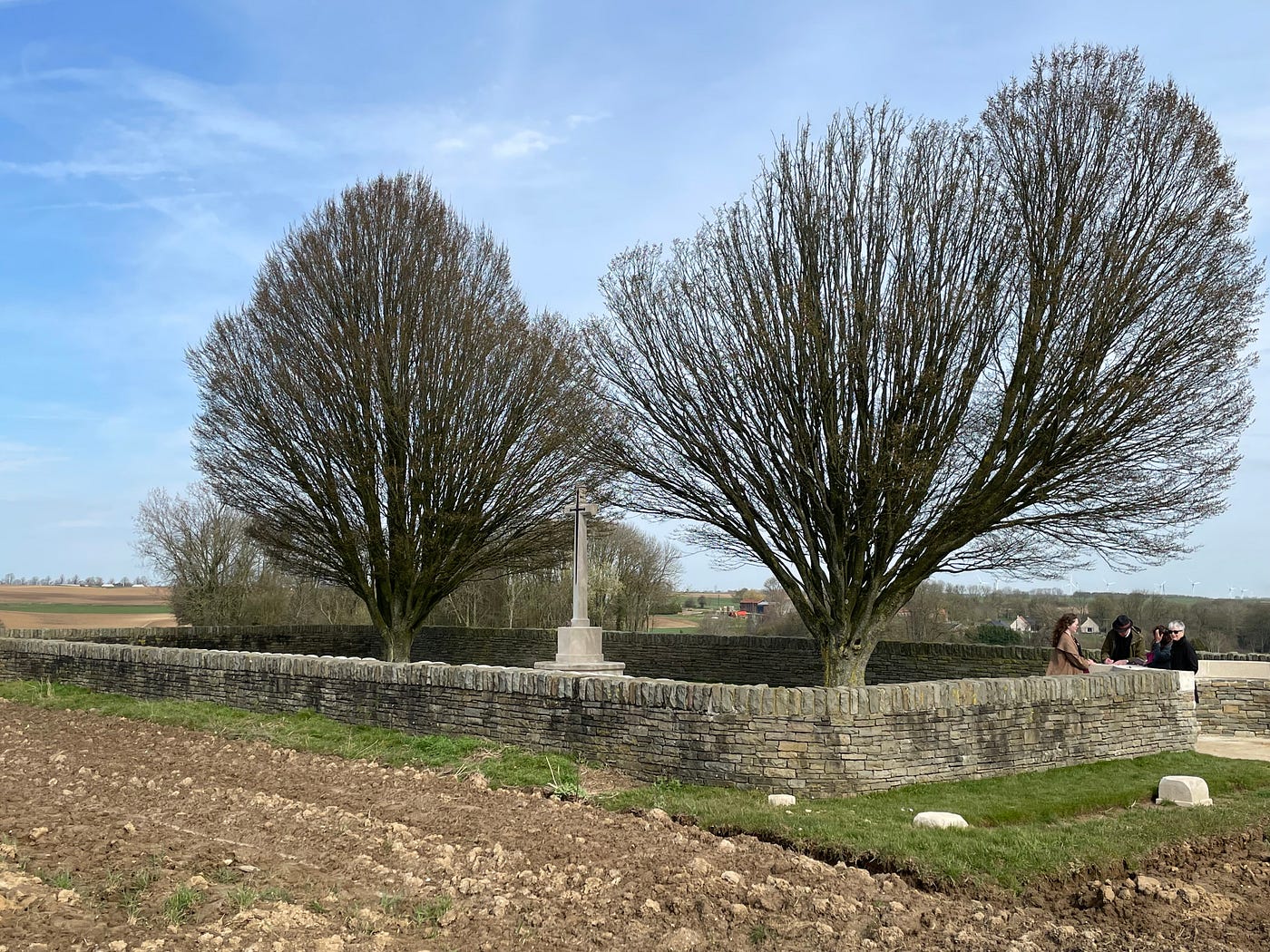
Hawthorne Ridge Cemetery №1. The crater lies just behind the graves. Pic by SR
Other Ceylonese at the Somme
Also with the 2nd Battalion of the Fusiliers that fateful morning was Harold Edward William Staples, whose parents’ address is given as Peradeniya, Ceylon, a few miles from Trinity College. His service number was 9291, between Aluwihare’s and Halangoda’s, so he probably enlisted on the same day too. Staples, who is listed as being a student at both Wesley College, Colombo (on the Roll of Honour) and S. Thomas’ College, Mt. Lavinia, was killed in February 1917 and is commemorated at the Thiepval Memorial for those who died at the Somme.

Harry Staples in one of the thousands of names on the Thiepval memorial. Pic by SR
Also honoured at Thiepval is Joseph Moldrich (21725), another Royal Fusilier from Kotahena in Ceylon. He was killed in August 1916, a few weeks after the battle began. Norman Westland (1398), a Royal Fusilier from Ceylon too, was killed in July 1916 and lies at the Serre Road Cemetery №2, a short distance away.

Moldritch’s name is also inscribed on Thiepval. Pic by SR
The Battle of the Somme would go on for many months, finally ending in November 1916 with a total gain of about six miles (10 km) for the Allies, at the cost of 95,675 killed or missing British and 50,729 French casualties. The devastating artillery battles meant that many of the dead were blown to pieces and never identified. The Thiepval Memorial honours 72,337 young men who have no known grave. The French and German cemeteries memorialise many more.

The Thiepval memorial looms over the entire battlefield of the Somme. It is a poignant reminder as to the scale of the losses just in this one location alone. Pic by SR
메타데이터
- post_id
- 87bfc57bb472
- slug
- ceylon-and-the-somme-87bfc57bb472
- url
- https://medium.com/ceylon-and-the-great-war/ceylon-and-the-somme-87bfc57bb472
- canonical_url
- https://medium.com/ceylon-and-the-great-war/ceylon-and-the-somme-87bfc57bb472
- author_url
- https://medium.com/@suren-ratwatte
- status
- ok
- fetched_at
- 2026-06-15 20:49:13