Drug Withdrawal Symptoms, Relapse Risks, and How to Cope
Drug Withdrawal Symptoms, Relapse Risks, and How to Cope

Drug Withdrawal Symptoms, Relapse Risks, and How to Cope
Withdrawal from recreational drugs is one of the most physically and emotionally demanding experiences a person can face. Understanding what to expect — and why relapse risk is so high during this period — can make a meaningful difference in recovery outcomes.
This overview breaks down the top withdrawal symptoms across common recreational substances, explains the science behind them, and highlights practical strategies for managing the process safely.
Why Withdrawal Happens in the First Place
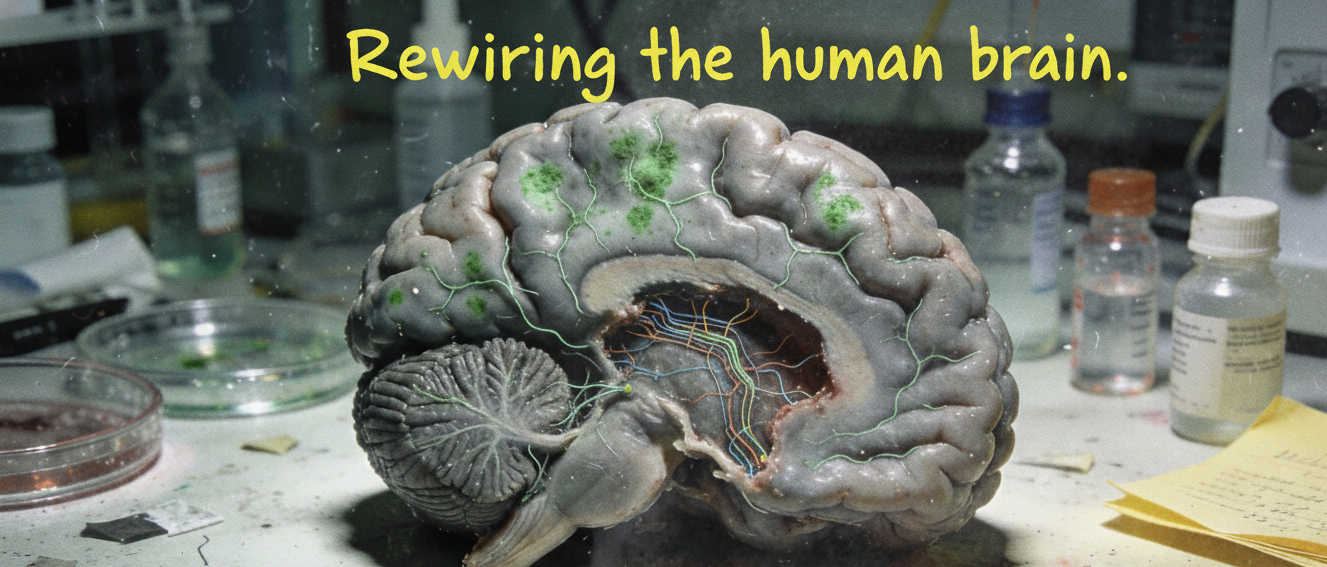
When someone uses a substance regularly, the brain adapts. It adjusts its chemistry and receptor activity to account for the drug’s presence. When that substance is removed, the brain struggles to rebalance itself. That struggle is what produces withdrawal symptoms.
The severity of withdrawal depends on several factors:
- The specific substance involved
- How long the person has been using it
- The typical dosage
- Individual physiology and mental health history
Recognizing this helps frame withdrawal not as a personal failing, but as a biological response to chemical dependency.
The Top 8 Withdrawal Symptoms to Know
1. Intense Cravings
Cravings are arguably the most persistent symptom across all substance types. They are driven by both physical dependence and deeply ingrained psychological patterns. Cravings can strike unexpectedly and feel overwhelming, which is a primary driver of relapse in early recovery.
2. Muscle Aches and Physical Discomfort
Particularly common with opioid withdrawal, muscle aches can range from mild soreness to debilitating pain. This symptom often peaks within the first 48 to 72 hours after the last dose. Physical therapy, rest, and medically supervised pain management can help.
3. Anxiety and Irritability
Withdrawal frequently triggers heightened anxiety. The brain’s reward and stress systems are closely linked, and when substance input is removed, stress responses can spike. Irritability and emotional volatility often accompany this, making social interactions difficult.
4. Insomnia and Sleep Disruption
Many substances affect sleep architecture. When they are removed, the brain’s natural sleep regulation is temporarily disrupted. Insomnia can persist for days or even weeks, and poor sleep compounds other withdrawal symptoms like anxiety and mood instability.
5. Nausea, Vomiting, and Gastrointestinal Distress
The gut and the brain are closely connected through the enteric nervous system. Withdrawal often produces nausea, vomiting, diarrhea, and stomach cramping. These symptoms can make it difficult to maintain proper nutrition and hydration, which is why medical monitoring matters.
6. Sweating and Chills
Temperature dysregulation is a hallmark of withdrawal from opioids, alcohol, and stimulants. Profuse sweating alternating with chills can be disorienting and uncomfortable. In some cases, fever can accompany these symptoms.
7. Depression and Emotional Numbness
Substances like stimulants and opioids artificially elevate dopamine levels. When use stops, dopamine production can drop significantly, leading to a crash in mood. Depression during withdrawal is real and can be severe. It is one of the key reasons professional mental health support is valuable during this period.
8. Cognitive Fog and Concentration Difficulties
Many people in withdrawal report difficulty thinking clearly, making decisions, or retaining information. This cognitive fog is a direct result of the brain recalibrating its neurotransmitter systems. It typically improves over time but can be frustrating in the short term.
Physical Dependence vs. Psychological Dependence
These two dimensions of addiction are often confused, but they are distinct.
Physical dependence refers to the body’s adaptation to a substance. It produces tangible, measurable symptoms when the drug is removed — things like muscle pain, nausea, and sweating.
Psychological dependence is rooted in the mind. It involves emotional reliance on a substance for coping, comfort, or pleasure. Psychological symptoms — cravings, depression, anxiety — can persist long after physical symptoms have resolved.
Effective recovery addresses both. Focusing only on the physical side while ignoring emotional and behavioral patterns leaves significant gaps in treatment.
Why Relapse Risk Is So High During Withdrawal
The discomfort of withdrawal is intense enough that many people return to substance use simply to stop the pain. This is not a character flaw — it is a predictable physiological and psychological response.
Key relapse risk factors during withdrawal include:
- Symptom severity — The more intense the symptoms, the greater the temptation to use again for relief
- Lack of support — Social isolation increases vulnerability significantly
- Co-occurring mental health conditions — Anxiety, depression, or trauma histories amplify withdrawal distress
- Environmental triggers — Being around people, places, or situations associated with past use can trigger cravings powerfully
- Underestimating the timeline — Many people expect withdrawal to pass quickly and give up when it takes longer than anticipated
The Importance of Medical Supervision
Withdrawal from certain substances — particularly alcohol, benzodiazepines, and opioids — can carry serious medical risks, including seizures and cardiovascular complications. Medical detoxification provides a controlled environment where vitals are monitored and medications can be administered to reduce symptom severity.
Beyond safety, medical supervision improves comfort, which directly reduces relapse risk during this critical window. It also provides a bridge to the next phase of treatment.
Practical Steps That Support Recovery
Navigating withdrawal is rarely a solo effort. A few evidence-based strategies that can support the process include:
- Medication-assisted treatment (MAT) — For opioid and alcohol dependence especially, FDA-approved medications can reduce cravings and ease withdrawal
- Behavioral therapy — Cognitive behavioral therapy (CBT) and other approaches address the psychological roots of addiction
- Peer support — Recovery groups offer connection and accountability
- Healthy routines — Sleep hygiene, nutrition, and moderate physical activity support neurological recovery
- Mindfulness and stress management — Techniques that build emotional regulation skills reduce vulnerability to relapse triggers
Final Thoughts
Withdrawal is not the end of the road — it is the beginning of recovery. The symptoms are real and can be severe, but they are also temporary. Understanding what is happening in the body and brain during withdrawal makes the process less frightening and more manageable.
For anyone supporting a loved one through this experience, knowing the signs and understanding the risks of relapse creates a stronger foundation for meaningful help. The more informed everyone involved is, the better the chances of moving forward successfully.
메타데이터
- post_id
- 87e25a970fcc
- slug
- drug-withdrawal-symptoms-relapse-risks-and-how-to-cope-87e25a970fcc
- url
- https://medium.com/@SignsofWithdrawal/drug-withdrawal-symptoms-relapse-risks-and-how-to-cope-87e25a970fcc
- canonical_url
- https://medium.com/@SignsofWithdrawal/drug-withdrawal-symptoms-relapse-risks-and-how-to-cope-87e25a970fcc
- author_url
- https://medium.com/@SignsofWithdrawal
- status
- ok
- fetched_at
- 2026-06-09 15:37:30