Deep Learning: Breakthroughs, challenges, and ethical considerations
Deep learning has become one of the most influential areas in AI, transforming fields through its ability to handle and learn from large…
Deep Learning: Breakthroughs, challenges, and ethical considerations

Deep learning has become one of the most influential areas in AI, transforming fields through its ability to handle and learn from large datasets. Last time, we discussed neural networks; this week, let’s talk about deep learning, focusing on its achievements, challenges, and ethical questions.
What is Deep Learning?
Deep learning is a type of machine learning that uses deep neural networks with multiple layers. These deep networks allow AI systems to learn complex patterns and features from large datasets.
Why Deep Learning is So Powerful
- Feature Learning: Deep neural networks can automatically learn relevant features from raw data, reducing the need for manual feature engineering. For instance, in image recognition, deep learning models learn to identify edges, textures, and complex shapes without human-designed rules. This is why apps like Google Photos can recognize faces and objects in images without manual tagging.
- Hierarchical Representation: Deep networks capture complex patterns across multiple layers, representing simple to intricate features. In natural language processing, for example, models like BERT break down language into contextually rich layers, understanding nuances in language that improve tasks like sentiment analysis and translation.
- Scalability: Deep learning models can handle large datasets and complex tasks, making them suitable for high-dimensional tasks, like video analysis. YouTube’s recommendation system, for example, uses scalable deep learning techniques to analyze user data and content, offering relevant video recommendations to millions of users daily.

Breakthroughs and Applications of Deep Learning
- Computer vision: Deep learning has led to significant advances in image recognition, object detection, and image generation. An interesting fact is that, in 2012, AlexNet, a deep convolutional neural network, won the ImageNet competition and transformed image recognition by drastically reducing error rates. This breakthrough led to practical applications, like facial recognition in smartphones and diagnostic tools in radiology, where deep learning helps identify diseases in medical imaging.
- Natural language processing (NLP): Deep learning models have achieved state-of-the-art results in tasks like machine translation, text summarization, and question answering. OpenAI’s GPT series transformed NLP. GPT-3, for instance, can generate coherent text, answer questions, and assist in content creation. This has led to real-world applications in customer service, educational tools, and even aiding content creators, yet its sophistication also raises questions about misinformation.
- Healthcare: Deep learning is used for tasks like medical image analysis, drug discovery, and personalized medicine. DeepMind’s AlphaFold cracked the problem of protein folding, a breakthrough with implications for drug discovery and understanding diseases at the molecular level. This application of deep learning could accelerate the development of treatments for conditions like cancer or Alzheimer’s.
- Autonomous vehicles: Deep learning is essential for training self-driving cars to perceive their surroundings and make decisions.
Challenges in Deep Learning
While deep learning has achieved impressive results, there are still challenges to overcome:
- Data requirements: Training deep learning models, especially for tasks like image recognition, requires massive, labeled datasets. Companies like Tesla collect vast amounts of driving data to train self-driving car systems, but collecting and annotating this data is costly and resource-intensive.
- Interpretability: Understanding how deep neural networks make decisions can be difficult. In healthcare, where deep learning models are used for diagnostics, interpretability is critical. A model might accurately predict disease from medical images, but if doctors can’t understand its decision-making, it limits clinical adoption due to trust issues. Recent approaches, like Explainable AI (XAI), aim to address this but are still evolving.
- Computational resources: Training large models, such as OpenAI’s GPT-3, requires extensive computational power and energy. For instance, training GPT-3 once required hundreds of petaflop/s-days of computing, raising environmental concerns and creating a barrier to entry for smaller research labs.
Despite these challenges, deep learning is a rapidly evolving field with immense potential. As researchers continue to develop new techniques and applications, we can expect even more impressive breakthroughs in the future.
Ethical Considerations in Deep Learning
There are a couple of breakthroughs in Deep Learning, Yaay to that but these are not without certain ethical issues tho. I’ve recently been taking a class on ‘Trustworthy Machine Learning’ and believe me, I don’t see it the same way as I used to. Here are just a few ethical considerations.
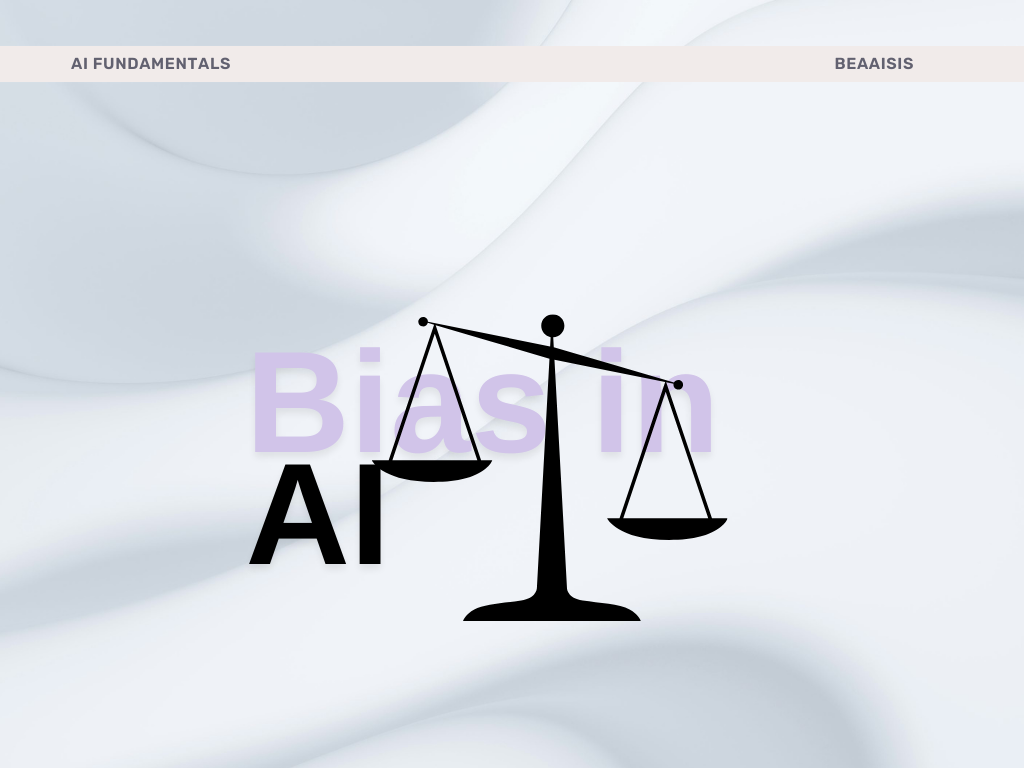
- Bias in AI: Deep learning systems trained on biased data can produce biased results. An example is facial recognition technology, which has shown lower accuracy for people with darker skin tones, leading to ethical concerns around fairness and discrimination. Tech companies are now working on more inclusive datasets to mitigate this.
- Privacy: In applications like healthcare, deep learning requires sensitive personal data, such as medical records. Ensuring data privacy is crucial to protect individuals’ rights. Techniques like federated learning, which allows training on decentralized data, are just now emerging to address privacy concerns while still enabling model improvements.
- Deepfakes and Misinformation: Deep learning has enabled the creation of hyper-realistic fake images and videos. While some applications are “harmless” (e.g., entertainment), others raise serious ethical concerns around misinformation and trust. For instance, deepfakes have been used in misinformation campaigns, prompting regulatory discussions and technical countermeasures.
So far, in this “not-so-short article”, we have learned how Deep learning has unlocked new possibilities across diverse fields, but as with any powerful tool, its use comes with challenges and ethical considerations. These challenges however need to be addressed, ethical guidelines refined, and AI researchers need to keep improving transparency this way, deep learning can continue to make a positive impact.
메타데이터
- post_id
- 87f42c91c0e8
- slug
- deep-learning-breakthroughs-challenges-and-ethical-considerations-87f42c91c0e8
- url
- https://medium.com/@beaaisis/deep-learning-breakthroughs-challenges-and-ethical-considerations-87f42c91c0e8
- canonical_url
- https://medium.com/@beaaisis/deep-learning-breakthroughs-challenges-and-ethical-considerations-87f42c91c0e8
- author_url
- https://medium.com/@beaaisis
- status
- ok
- fetched_at
- 2026-06-17 10:21:25