Plastic Waste in Southern Oregon
The environment is one of the most important aspects in our daily lives. It’s the thing that keeps us alive with trees providing oxygen for…
Plastic Waste in Southern Oregon
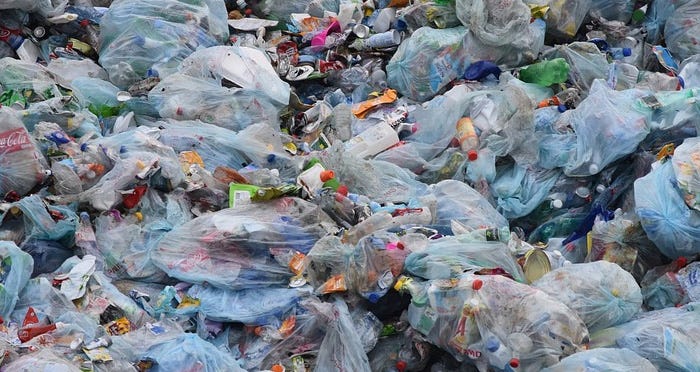
The environment is one of the most important aspects in our daily lives. It’s the thing that keeps us alive with trees providing oxygen for breathing, it creates natural life with hundreds and thousands of organisms, and it’s the thing that keeps the Earth green. When discussing the importance of the environment and how it correlates with modern-day life, it can get overlooked on how important it is keeping the environment healthy when living in well-populated cities that take lots of energy.
In 2020, the Oregon Senate passed a bill regarding the usage of plastic bags in grocery and convenience stores, and restaurants. They proposed a new alternative for plastic bags — Plastic Film Bags. These bags were made of thick plastic and were meant to be reused up to 100 times. But if you walk into almost any store, you’ll see how rarely that intention plays out. People treat them just like the old single-use bags — tossing them after one trip, maybe two. That kind of misuse defeats the purpose, and the environment ends up paying the price.
Recently, the state passed Senate Bill 551, aiming to eliminate those plastic film bags entirely. It’s a big move, and while it might feel like a hassle at the checkout line, it’s part of a larger effort to shift our habits in the right direction. Legislation like this is more than just a rule change — it’s a reminder that we all play a part in protecting the places we call home.
On a more local level, programs like BottleDrop have made a real difference in reducing plastic and aluminum waste. Oregon was actually one of the first states to adopt a bottle bill, and the BottleDrop system helps make recycling a little more rewarding — literally. Every bottle or can you return gets you ten cents back, and with over 100 locations across the state, it’s accessible for most people. Some folks even use it as a way to fundraise or get store credit at places like Fred Meyer. It’s a small incentive, but it adds up quickly and helps keep bottles and cans out of landfills and off the side of the road.
That said, it’s still an uphill battle. Take a look at the chart below that tracks plastic waste in Oregon over the past ten years. While there’s been some progress, it’s clear that for a while, we were trending in the wrong direction. It wasn’t until around 2019 that the numbers began to drop. That drop coincides with changes in legislation and more awareness around the plastic problem. It’s encouraging, but it’s also a sign that we need to keep pushing.

While policies matter, so do personal habits. Living in Southern Oregon, where nature is such a big part of the community’s identity, it’s not unusual to hear people talk about hiking trails, mountain views, or the Rogue River like they’re old friends. So it feels especially important that we take care of these places.
One person I spoke to, Rebekah Bergkoetter, who works for the Southern Oregon Land Conservancy, said that even small changes can ripple outward. “It’s not just about banning straws or bags,” she told me. “It’s about shifting how we think about consumption altogether. Do we need it? Can it be reused? Where does it go after we’re done?”

That mindset shift is starting to show up in local businesses too. At Ashland Co-op, for example, they’ve gone beyond just removing plastic bags — they encourage customers to bring reusable containers for bulk goods and provide compostable options when needed. They even have signage reminding folks why it matters. It’s subtle, but it makes a difference.
Of course, it’s not perfect. There’s still a lot of plastic used in packaging, and not everything is recyclable. But the point isn’t perfection — it’s progress. And that progress starts with awareness.
So where do we go from here?
First, it helps to support businesses and policies that make sustainability easier. Whether it’s voting for environmental legislation, choosing local over online shopping, or just remembering to bring your reusable bags, these choices stack up.
Second, education matters. A lot of people still don’t know how to properly recycle or think it’s too complicated. Community workshops, school programs, and clear signage at recycling stations can help close that gap.
Lastly, hold yourself accountable. If you find plastic wrappers piling up in your trash can, take a minute to ask yourself why. Are there alternatives? Could you shop differently next time?
Plastic waste isn’t something we can solve overnight, but the more we talk about it — and the more we show up with solutions — the better chance we have at keeping Southern Oregon beautiful and livable for the next generation.
메타데이터
- post_id
- 8829fee6bbfa
- slug
- plastic-waste-in-southern-oregon-8829fee6bbfa
- url
- https://medium.com/@westonb1/plastic-waste-in-southern-oregon-8829fee6bbfa
- canonical_url
- https://medium.com/@westonb1/plastic-waste-in-southern-oregon-8829fee6bbfa
- author_url
- https://medium.com/@westonb1
- status
- ok
- fetched_at
- 2026-07-13 22:13:33