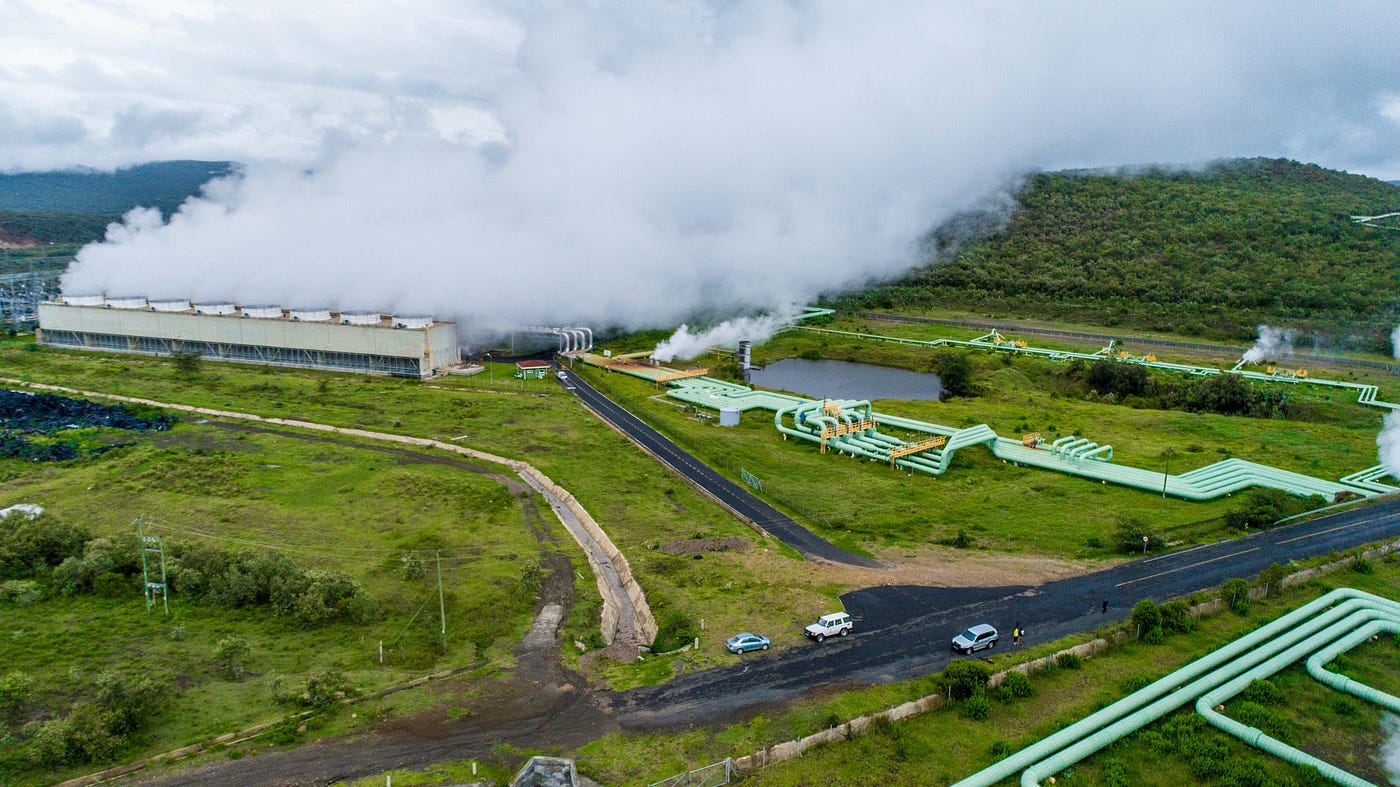
How Renewable Energy is Reshaping the Transformer Industry
The global transition toward renewable energy is doing far more than adding generation capacity — it is fundamentally transforming the way…
How Renewable Energy is Reshaping the Transformer Industry

The global transition toward renewable energy is doing far more than adding generation capacity — it is fundamentally transforming the way modern power systems are designed, operated, and managed.
Over the last decade, rapid growth in solar power, wind energy, battery storage systems, EV infrastructure, and grid modernization projects has significantly changed the expectations from transformer manufacturers and power equipment suppliers.
Today, the industry conversation is no longer limited to transformer ratings and basic performance parameters alone. Utilities, EPC companies, and renewable developers are increasingly focused on:
- Energy efficiency
- Thermal performance
- Reliability under dynamic loading conditions
- Faster execution capability
- Long-term operational stability
- Supply-chain dependability
As renewable penetration continues to rise globally, transformers are becoming far more critical to overall grid performance and reliability.
Evolving Dynamics of Renewable Power Systems
Traditional power systems historically operated under relatively stable and predictable load conditions. Renewable energy systems, however, behave very differently.
Solar generation fluctuates based on irradiation levels, while wind energy output continuously varies with wind conditions. In addition, inverter-based renewable systems introduce harmonics, voltage fluctuations, and dynamic load variations into the network.
These operating conditions are creating new technical challenges for transformers, including:
- Higher thermal stress
- Frequent intermittent loading cycles
- Reverse power flow conditions
- Harmonic distortion Increased insulation stress
- Greater cooling performance requirements
In many renewable applications, transformers are now exposed to operating patterns that conventional designs were not originally optimized for.
As a result, transformer engineering today requires significantly greater focus on:
- Thermal management
- Loss optimization
- Cooling efficiency
- Core material quality
- Long-term reliability under fluctuating conditions
This shift is driving increased adoption of advanced design practices and higher-grade materials across the industry.
Rising Focus on Lifecycle Efficiency
One of the most significant industry changes is the growing emphasis on lifecycle efficiency rather than only initial procurement cost. Utilities and renewable project developers are increasingly prioritizing:
- Low-loss transformers
- High-grade CRGO core materials
- Optimized winding designs
- Reduced operating losses
- Higher reliability and lower maintenance requirements
With power demand continuously increasing and energy-efficiency regulations becoming stricter across global markets, operational efficiency is now directly linked with long-term project economics.
In many cases, even marginal improvements in transformer efficiency can create substantial savings over the equipment lifecycle.
This trend is pushing manufacturers toward greater precision in:
- Core processing
- Design engineering
- Manufacturing consistency
- Quality control systems
The market is clearly moving toward higher-performance and energy-efficient transformer solutions.
Demand for Compact & Fast-Deployable Infrastructure
Renewable energy projects are often executed under highly aggressive timelines, particularly in utility-scale solar developments, urban infrastructure projects, and industrial power systems.
This has accelerated demand for:
- Compact Substations (CSS)
- Packaged power solutions
- Factory-tested integrated systems
- Pre-engineered electrical infrastructure
Customers today expect:
- Faster manufacturing
- Shorter delivery schedules
- Rapid commissioning
- Reliable project execution
without compromising technical quality or operational reliability.
In several projects, execution capability has become equally important as product performance itself.
Supply Chain Challenges & Material Volatility
The rapid expansion of renewable energy has also created considerable pressure across global transformer supply chains.
Critical raw materials such as:
- CRGO steel
- Copper
- Electrical insulation materials
- Transformer components
have experienced significant demand growth, pricing volatility, and extended delivery timelines in recent years.
As a result, utilities and EPC companies are increasingly evaluating transformer manufacturers not only on technical specifications, but also on:
- Manufacturing stability
- Raw material sourcing capability
- Production planning
- Delivery reliability
- Responsiveness and execution support
In today’s market environment, dependable execution and supply-chain strength have become major competitive advantages.
From Equipment Supplier to Strategic Solution Partner
The transformer industry is gradually evolving from a conventional manufacturing-driven model toward a more solution-oriented and application-focused approach.
Customers increasingly prefer manufacturers who can provide:
- Technical understanding of renewable applications
- Engineering support
- Consistent manufacturing quality
- Faster response capability
- Reliable after-sales support
- Practical execution experience
This transition is creating strong opportunities for experienced manufacturers who understand both transformer engineering and real world project execution requirements.
The industry is no longer looking only for equipment suppliers — it is looking for long-term solution partners.
Future Outlook
As renewable energy penetration continues to increase globally, transformers will play an even more critical role in enabling grid stability, energy efficiency, and reliable power transmission.
Future transformer technologies are expected to focus increasingly on:
- Smarter monitoring systems
- Improved cooling technologies
- Higher material efficiency
- Better harmonic handling capability
- Enhanced adaptability to dynamic grid conditions
Manufacturers who can combine engineering expertise, operational excellence, reliable sourcing, and execution capability will be best positioned to support the next generation of power infrastructure.
Conclusion
Renewable energy is no longer simply expanding the power sector — it is fundamentally reshaping the technical, operational, and execution expectations from transformer manufacturers worldwide.
As power systems become more decentralized, dynamic, and efficiency-driven, the demand for technologically advanced, reliable, and execution-focused transformer solutions will continue to rise.
Companies that can combine engineering expertise, precision manufacturing, quality-focused processes, and dependable execution will lead the future of the transformer industry.
With decades of industry experience and strong manufacturing capabilities, Abhyuday Products continues to strengthen its position as a trusted partner for next-generation transformer and renewable energy solutions.
메타데이터
- post_id
- 885f9ce2136e
- slug
- how-renewable-energy-is-reshaping-the-transformer-industry-885f9ce2136e
- url
- https://medium.com/@apcl_team/how-renewable-energy-is-reshaping-the-transformer-industry-885f9ce2136e
- canonical_url
- https://medium.com/@apcl_team/how-renewable-energy-is-reshaping-the-transformer-industry-885f9ce2136e
- author_url
- https://medium.com/@apcl_team
- status
- ok
- fetched_at
- 2026-08-22 13:49:14