Mods, Rockers and Blues Brothers: Friday Night at the Valhalla
Subcultural vultures descend on the Cathedral of Cool.
TRILOGIES: THE WHO
Mods, Rockers and Blues Brothers: Friday Night at the Valhalla
Subcultural vultures descend on the Cathedral of Cool.
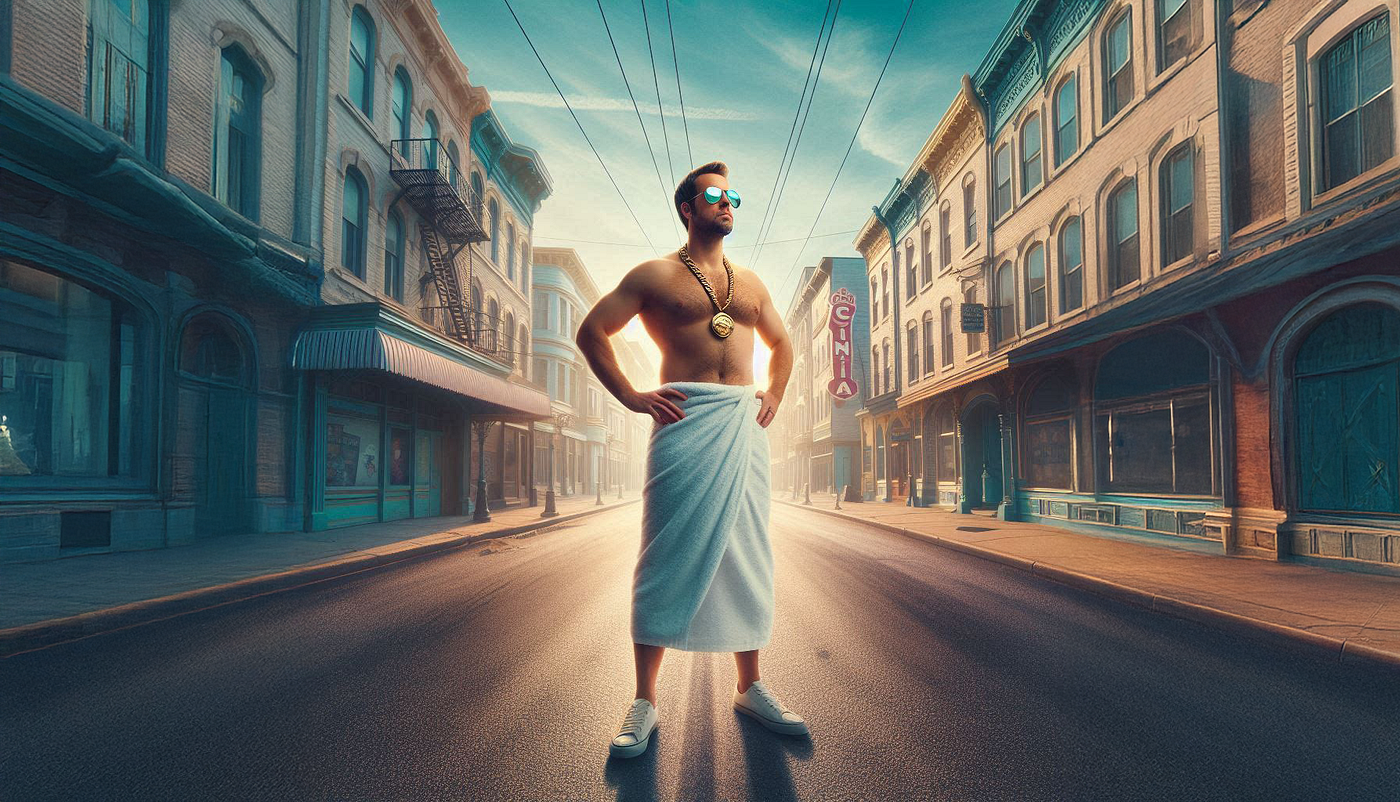
By the author with AI
It’s a cold winter’s night on Victoria Street in Richmond, an inner city suburb of Melbourne. Why is there a semi-naked man dressed in only a white bath towel and some gold chains?
I’m standing in front of The Valhalla Cinema, one of Melbourne’s best underground venues. We’re waiting in line for their legendary Friday Night double feature: The Blues Brothers and Quadrophenia. Most people aren’t here just to watch the movies. They’re here to watch the audience.
It will be the first time I’ve seen either movie, and I too will soon understand why the semi-naked man looks completely normal.
The Blues Brothers movie poster explains the plethora of black-suited, fedora-wearing individuals gathered, but towel man? Well, I’d have to wait for the sauna scene to get a handle on that one:
[embed]
The audience is split roughly half and half between apostates like myself, dressed in the post-punk garb of Melbourne’s alternative scene, and the true believers, who have dressed the part.
Of the true believers, they also split into two groups. The Blues Brothers clan, mostly in black suits, with the occasional deviant like towel man, many holding bags of … toast?
Team Quadrophenia is predominantly mods, although I recall a few beleaguered rockers huddling in the corner.
Once the films get under way, so does the chaos. The Blues Brothers is up first. At one point, Elwood Blues mentions toast and the screen is filled with pieces of toast flying across the cinema. When the sauna scene arrives, towel man jumps up on the stage to shake his thing as the audience explodes in riotous applause. It’s the emotional equivalent of playing air guitar.
It’s the Blues Brothers group that approaches the whole performance with more abandon. We didn’t have the word then, but now we’d call it cosplay. Like karaoke, they didn’t want to be Blues Brothers, they just wanted to feel what it would be like to be in the movie.
The mods, by comparison, were more serious. They weren’t dressing up as mods, they were mods. Sharp suits, Vespa motor scooters and surplus parkas with a red, white and blue target stitched on the back.
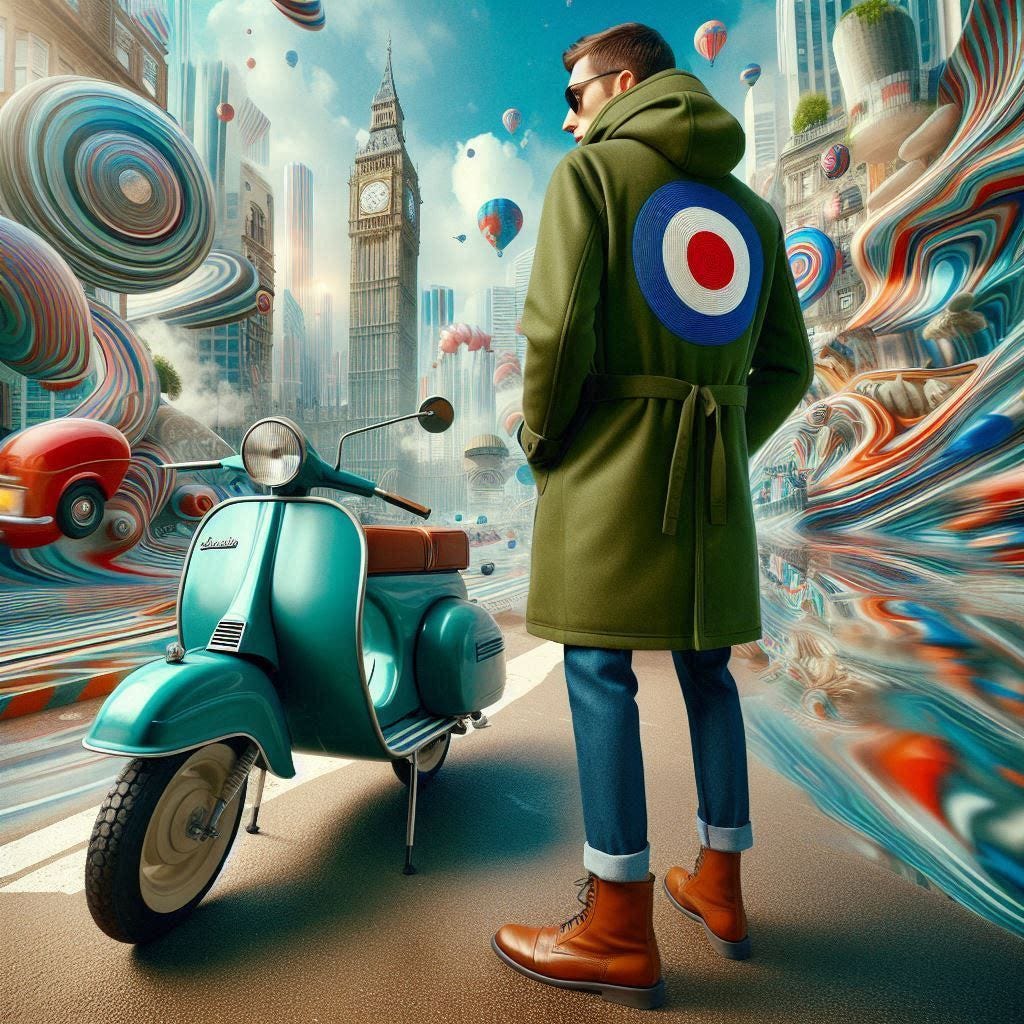
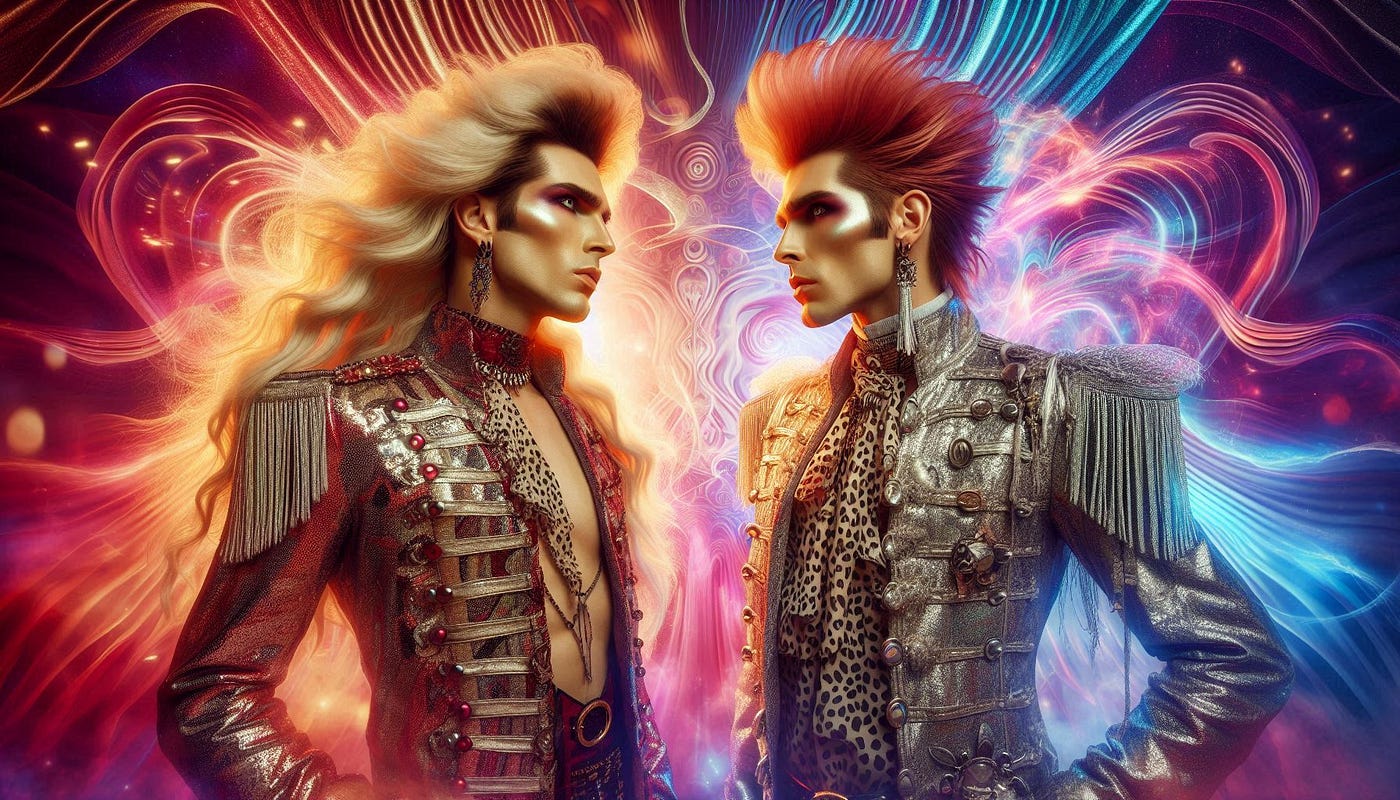
Close enough! By the author with AI
During the ballroom scene some of the mods fill the aisles to dance along with the Ace Face, played by Sting, to the groovy grooves of Booker T and the MGs’ Green Onions.
[embed]
Bloody hell, is that Toyah Wilcox at the beginning? It is.
The Blues Brothers is intended as a tribute to the great American soundtrack, celebrating legends such as John Lee Hooker, Cab Calloway, Aretha Franklin and Ray Charles. Still, it’s hard not to read the brothers themselves as being, if not a parody, at least a spoof. The film is largely a comedy, after all.
Quadrophenia is something different entirely, more serious in every respect. Not music as a soundtrack to our lives, but music as a way of life. Sex, drugs and rock and roll of a particularly English flavour. The clothes, the haircuts, the suits and the amphetamines. Opportunistic back alley sex. Rolling waves of violence between the mods and the rockers. And for the star of the show, Jimmy, played by Phil Daniels, the cockney voice on Blur’s Parklife, the inevitable descent into psychosis.
The movie Quadrophenia is based on The Who’s epic concept double album of the same name. The Who, alongs with The Small Faces, were the preeminent mod bands in swinging Sixties London. The title is a reference to the personality being split in four directions.
In the Sixties it was common for conservative elements to characterise rock music as some sort of mental illness, satanic even. With the likes of Mick Jagger and Pete Townshend happy to just shrug at such suggestions, there was little push back. Why would there be? It served their image perfectly.
Which reminds me of Mick Jagger’s classic comeback in the early days, when an audience member yelled out he should get a haircut. He responded:
Why? And look like you?
It’s been about more than music, right from the start.
Rock music wasn’t a malformation of the old order, it was a rejection of it. It wasn’t creating a mental malady, it was solving it. Yet most cures have their side effects and Pete Townshend, The Who’s chief songwriter, with songs like My Generation and Substitute, and albums including Tommy and Quadrophenia mined this question more deeply then any of his contemporaries.
I look back on those days and see more clearly that those Melbourne mods were searching for something. Did they find it? Perhaps not within their mod personas, but in the journey that began by being a mod.
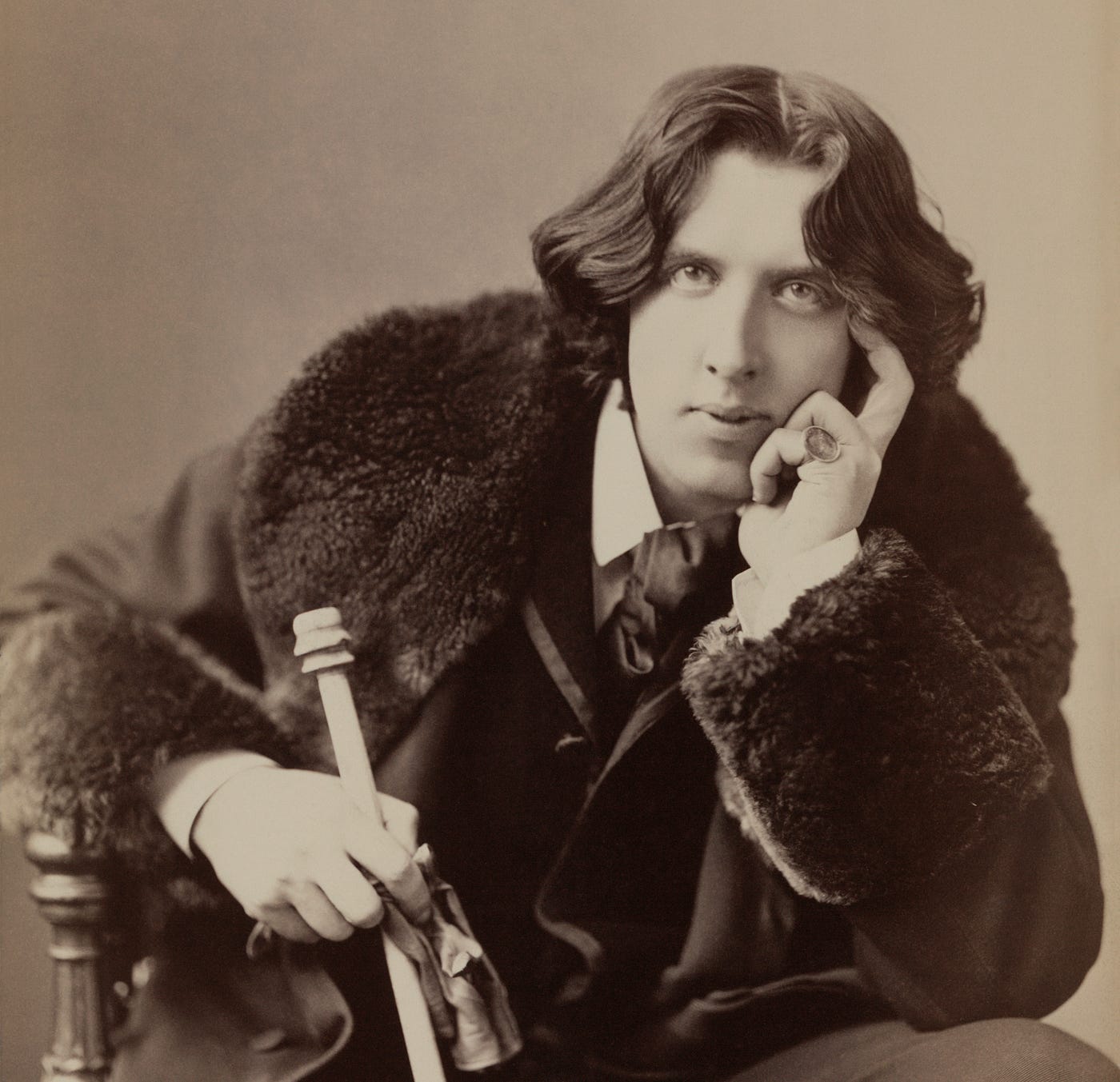
Pete Townshend knew what the questions were. He even wrote a song about it.
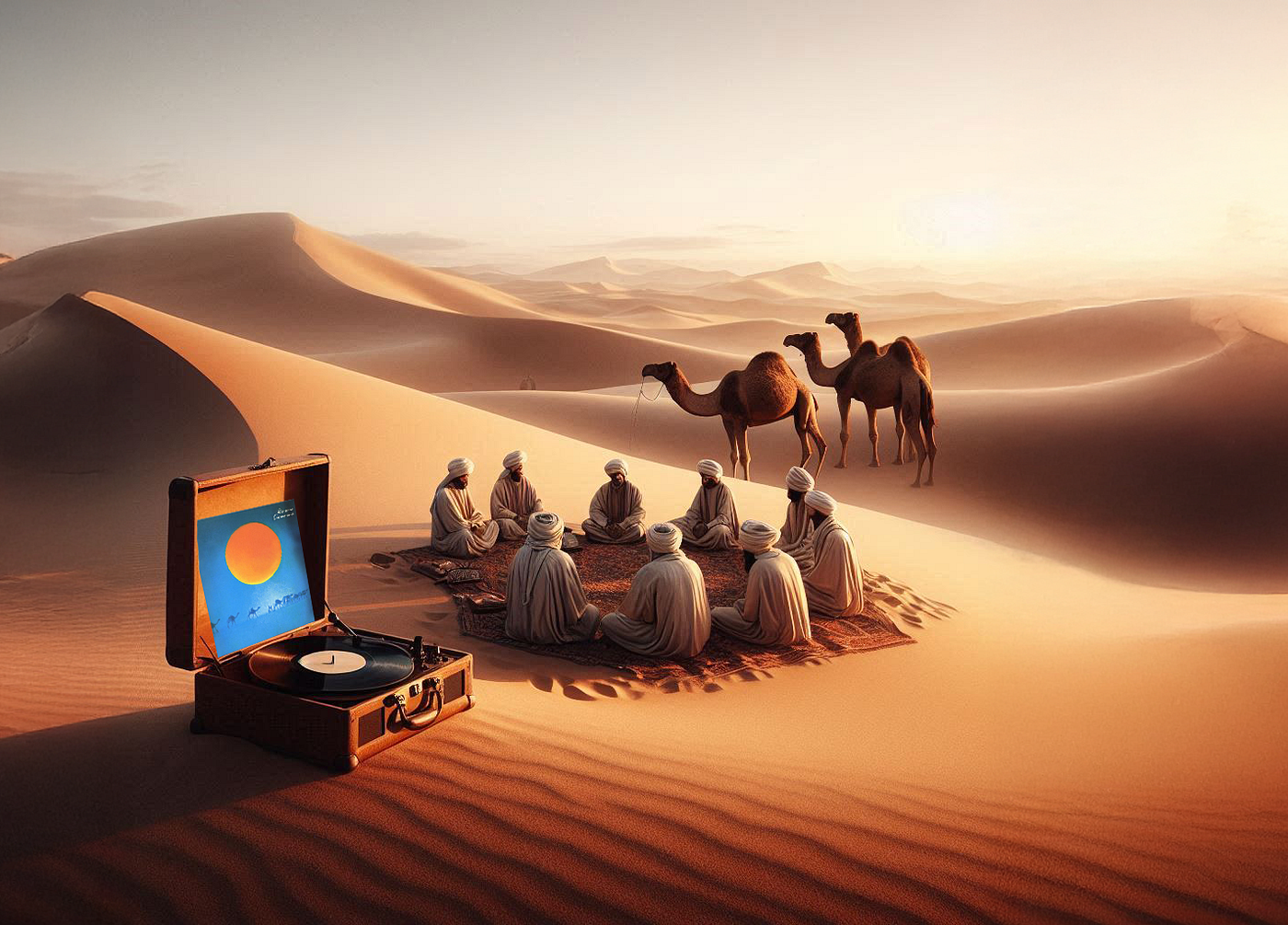
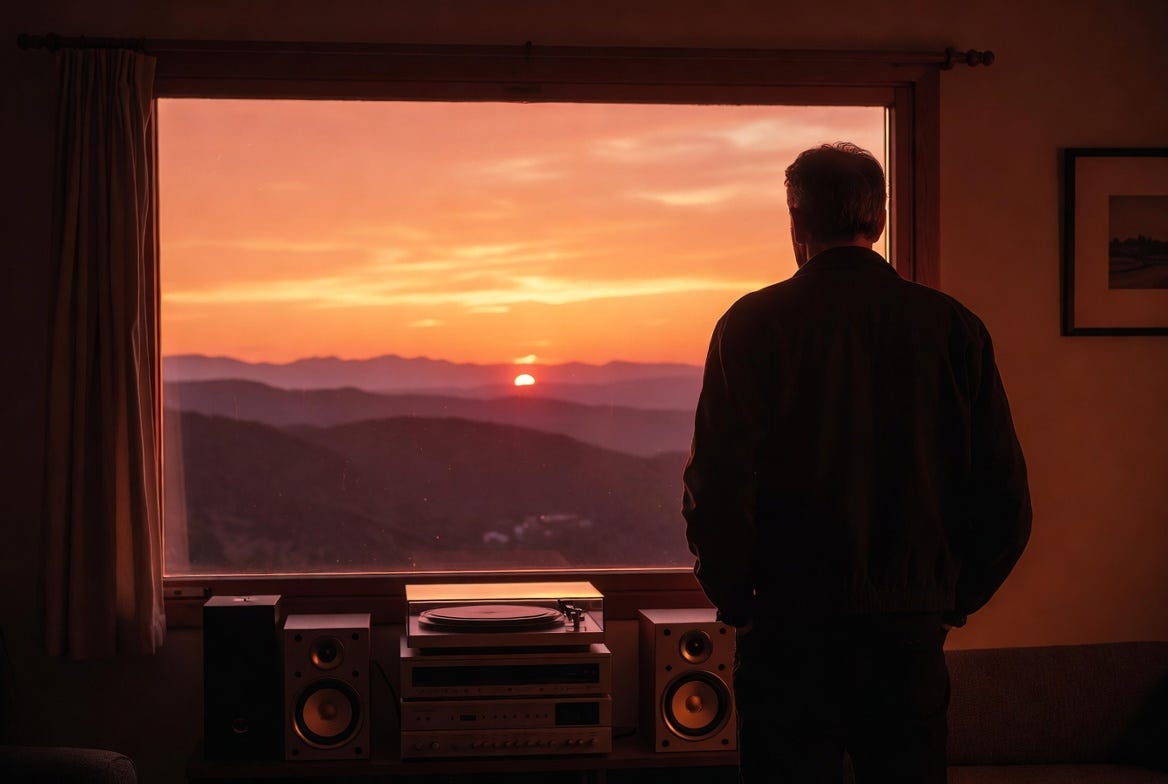
Welcome to my latest trilogy featuring The Who. Three classic albums, Tommy, Who’s Next and Quadrophenia. But first, The Who’s The Seeker is Stuck on the Inner Turntable.
Thanks to Alex Markham and Rock On for publishing.
메타데이터
- post_id
- 8877b20da25d
- slug
- mods-rockers-and-blues-brothers-friday-night-at-the-valhalla-8877b20da25d
- url
- https://medium.com/rock-on/mods-rockers-and-blues-brothers-friday-night-at-the-valhalla-8877b20da25d
- canonical_url
- https://medium.com/rock-on/mods-rockers-and-blues-brothers-friday-night-at-the-valhalla-8877b20da25d
- author_url
- https://medium.com/@robertgowty
- status
- ok
- fetched_at
- 2026-06-10 08:17:25