Cardiovascular Events in Lupus
Living with lupus means paying attention to much more than joint pain and fatigue. Our immune system can also affect the heart, blood…
Cardiovascular Events in Lupus
Living with lupus means paying attention to much more than joint pain and fatigue. Our immune system can also affect the heart, blood vessels, and circulation. Consequently, cardiovascular events in lupus deserve serious attention. Heart attacks, strokes, and blood clots happen more often in people with systemic lupus erythematosus than in the general population.
Research continues to show that inflammation plays a major role in cardiovascular disease. Moreover, lupus itself can damage blood vessels over time. Some medications, lifestyle factors, and autoimmune antibodies also increase the risk.
Understanding cardiovascular events in lupus helps us recognize warning signs early. It also helps us take steps to protect our long term health.
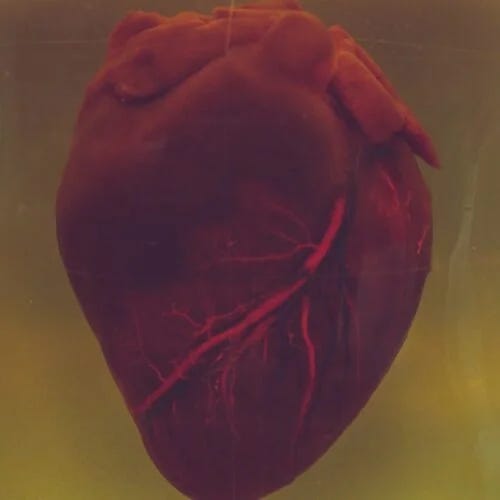
Why Cardiovascular Events in Lupus Matter
People with lupus have a much higher risk of cardiovascular disease. According to the Lupus Encyclopedia, “Heart attacks are much more common in SLE patients than in the general population” (Chapter 21). Chronic inflammation contributes to plaque buildup inside arteries. Therefore, lupus can accelerate atherosclerosis at younger ages.
Many lupus patients also develop traditional cardiovascular risk factors. High blood pressure, diabetes, high cholesterol, and obesity may occur more often. Additionally, corticosteroid use can worsen these problems.
The Lupus Encyclopedia explains, “Inflammation injures the lining of blood vessels and promotes atherosclerosis” (Chapter 21). This damage increases the likelihood of serious cardiovascular events in lupus patients.
For more information about lupus complications, visit the Lupus Encyclopedia website.
Heart Attacks in Lupus
Why Heart Attacks Occur More Often
Heart attacks happen when blood flow to the heart becomes blocked. In lupus patients, inflammation and clotting abnormalities raise this risk. Moreover, antiphospholipid antibodies can make blood clot more easily.
The Lupus Encyclopedia notes, “Women with lupus between the ages of 35 and 44 have a dramatically increased risk of heart attack” (Chapter 21). This statistic surprises many people because heart disease often seems linked only to older adults.
Symptoms of Heart Attacks in Lupus Patients
Symptoms can vary from person to person. However, common signs include:
- Chest pressure or pain
- Shortness of breath
- Pain spreading to the arm or jaw
- Nausea or sweating
- Extreme fatigue
Some lupus patients experience atypical symptoms. Therefore, even mild chest discomfort deserves medical attention.
Strokes and Lupus
How Lupus Raises Stroke Risk
Strokes occur when blood flow to part of the brain stops. Lupus increases stroke risk because inflammation damages blood vessels. Additionally, antiphospholipid syndrome can cause dangerous blood clots.
The Lupus Encyclopedia states, “Antiphospholipid antibodies can increase the risk of stroke and blood clots” (Chapter 23). Consequently, many rheumatologists routinely test lupus patients for these antibodies.
Warning Signs of Stroke
Quick treatment can save brain tissue. Therefore, recognizing symptoms early is critical. Warning signs include:
- Sudden weakness on one side
- Facial drooping
- Difficulty speaking
- Confusion
- Severe headache
- Vision changes
Emergency care should begin immediately if these symptoms appear.
Blood Clots and Lupus
Deep Vein Thrombosis and Pulmonary Embolism
Blood clots often develop in the legs, a condition called deep vein thrombosis or DVT. If a clot travels to the lungs, it becomes a pulmonary embolism or PE. Both conditions can become life threatening.
The Lupus Encyclopedia explains, “Patients with antiphospholipid syndrome may develop recurrent blood clots” (Chapter 23). Consequently, clot prevention becomes an important part of lupus care.
Symptoms of Blood Clots
DVT symptoms may include:
- Leg swelling
- Warmth
- Redness
- Pain in one leg
PE symptoms often include:
- Sudden shortness of breath
- Chest pain
- Rapid heartbeat
- Coughing blood
Immediate medical evaluation is essential.
Understanding Antiphospholipid Syndrome
What Is APS?
Antiphospholipid syndrome, or APS, is an autoimmune clotting disorder. Many people with lupus also have APS. The immune system produces antibodies that increase abnormal clotting.
The Lupus Encyclopedia states, “Antiphospholipid antibodies include lupus anticoagulant, anticardiolipin, and beta-2 glycoprotein I antibodies” (Chapter 23). Doctors use blood tests to identify these antibodies.
APS and Recurrent Clotting
Some patients experience repeated clots or pregnancy complications. Therefore, early diagnosis matters greatly. Doctors often prescribe blood thinners when clotting risk becomes high.
Learn more about lupus complications at Lupus Symptoms and Complications.
Diagnosing Cardiovascular Events in Lupus
Blood Tests and Antibody Screening
Doctors may order several tests to evaluate cardiovascular risk. These include cholesterol panels, inflammatory markers, and antiphospholipid antibody testing.
The Lupus Encyclopedia explains that antiphospholipid antibody testing helps identify patients at higher risk for thrombosis (Chapter 23). Consequently, regular monitoring becomes important.
Imaging Studies
Imaging helps detect heart and blood vessel problems early. Common tests include:
- Echocardiograms
- CT scans
- MRI studies
- Ultrasound imaging
- Brain imaging after stroke symptoms
These tools help doctors assess damage and guide treatment.
Treatment and Prevention Strategies
Blood Thinners and Medications
Many lupus patients benefit from preventive medications. Aspirin may reduce clotting risk in some individuals. Others need stronger anticoagulants such as warfarin.
Hydroxychloroquine also plays an important role. The Lupus Encyclopedia notes that hydroxychloroquine “reduces blood clot risk in lupus patients” (Chapter 23). Therefore, many rheumatologists encourage long term use unless contraindications exist.
Managing Traditional Risk Factors
Reducing cardiovascular risk requires a comprehensive approach. Important steps include:
- Controlling blood pressure
- Lowering cholesterol
- Managing diabetes
- Maintaining healthy weight
- Staying physically active
Smoking cessation is especially important because smoking damages blood vessels further.
Lifestyle Tips for Heart and Vascular Health
Healthy Eating and Exercise
Diet strongly affects cardiovascular health. Therefore, many experts recommend Mediterranean style eating patterns rich in fruits, vegetables, fish, and olive oil.
Regular exercise also improves circulation and lowers inflammation. Even moderate activity can help reduce cardiovascular risk over time.
Stress Management and Sleep
Stress can worsen lupus flares and cardiovascular health. Consequently, stress reduction strategies may improve overall wellness. Good sleep habits also support heart health and immune balance.
Helpful lupus wellness information is available at Lupus Treatment Tips.
When to Seek Emergency Medical Care
Cardiovascular events in lupus can become medical emergencies quickly. Immediate care may save lives and reduce long term complications.
Seek emergency help right away for:
- Chest pain
- Sudden shortness of breath
- Facial drooping
- Severe weakness
- Sudden confusion
- Leg swelling with pain
- Fainting
Fast treatment improves outcomes significantly. Therefore, never ignore sudden cardiovascular symptoms when living with lupus.
메타데이터
- post_id
- 887c22a66fc0
- slug
- cardiovascular-events-in-lupus-887c22a66fc0
- url
- https://medium.com/@lupusencyclopedia/cardiovascular-events-in-lupus-887c22a66fc0
- canonical_url
- https://medium.com/@lupusencyclopedia/cardiovascular-events-in-lupus-887c22a66fc0
- author_url
- https://medium.com/@lupusencyclopedia
- status
- ok
- fetched_at
- 2026-06-25 07:00:49