How To Remove A Wasps’ Nest Safely
1. Introduction to Wasps’ Nests
How To Remove A Wasps’ Nest Safely
1. Introduction to Wasps’ Nests
Wasp nests can often become a nuisance and pose a threat to our safety and well-being. Understanding how to properly identify and remove a wasp nest is essential for maintaining a pest-free environment. This article aims to provide a comprehensive guide to removing a wasp nest, covering topics such as identifying different types of nests, assessing risks, choosing the right time for removal and employing effective methods.
Additionally, it will discuss the necessary precautions, steps and tools required for safe nest removal, as well as addressing potential complications that may arise during the process. Furthermore, we will provide practical tips to prevent future wasp infestations post-removal. By following these guidelines, you can confidently tackle wasp nest removal while ensuring the safety of yourself and your surroundings.
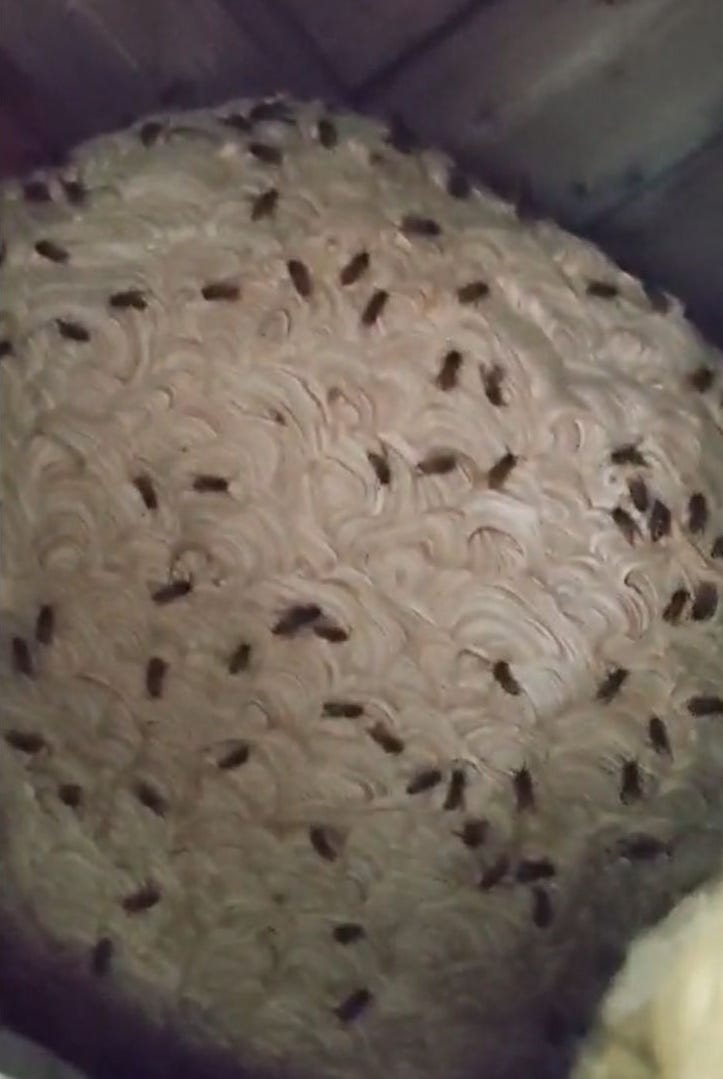
1.1 Types of Wasp Nests
Wasp nests come in all shapes and sizes, just like our fears when we spot one in our backyard. The most common type of wasp nest is the classic paper nest, which looks like a grayish-brown, papery ball hanging from a tree branch or tucked away in your attic. However, some wasps like to take a more avant-garde approach and build their nests underground. These subterranean nests are like secret wasp hideouts, keeping them out of sight until they decide to ruin your picnic.
1.2 Importance of Removing a Wasp Nest
Let’s be real here: wasps get a bad rap, and it’s not entirely undeserved. Not only do they have a mean sting, but they can also be quite territorial and aggressive. So, if you stumble upon a wasp nest in your vicinity, it’s crucial to remove it safely. The last thing you want is a buzzing colony of winged troublemakers setting up camp near your home. Plus, keeping wasps at bay ensures you can fully enjoy your outdoor space without worrying about becoming a target for their aerial acrobatics.
2. Identifying a Wasp Nest
2.1 Signs of a Wasp Nest
Spotting a wasp nest is like finding a needle in a haystack, but with a lot more buzzing. Look out for increased wasp activity in a specific area, such as a group of wasps frequently flying in and out of a fixed point. If you see a line of wasps forming some sort of waspy conga line, it’s likely they’re heading to their hidden nest. Also, keep an eye out for small holes in the ground, as those might be the entrance to an underground wasp utopia.
2.2 Common Locations for Wasp Nests
Wasps aren’t too picky when it comes to real estate, but they do have their preferred neighbourhoods. You’ll often find their papery abodes hanging from tree branches, eaves or porch ceilings. They also love setting up shop in attics, sheds and even wall voids, making your home their summer vacation destination. Underground enthusiasts, on the other hand, enjoy nesting in abandoned rodent burrows, so keep an eye out for suspicious Earth disturbances in your garden.
3. Assessing the Risk and Necessary Precautions
3.1 Understanding the Dangers of Wasp Nests
When it comes to wasps, it’s not just about the sting. For people with allergies, a wasp sting can be a serious health threat. Even without allergies, multiple stings can lead to pain, swelling and a lot of colourful language. So taking the necessary precautions when dealing with a wasp nest is as important as choosing the right Instagram filter for your post-removal victory picture.
3.2 Identifying Risk Factors
Before tackling a wasp nest, it’s essential to assess the risk factors. If the nest is located in an area with heavy foot traffic, like your main entrance, it’s best to call in the professionals. Similarly, if the nest is massive or located in a hard-to-reach area, it’s time to admit that sometimes superheroes need a little backup. Don’t let your pride be the reason you end up with a face full of wasp fury.
4. Choosing the Right Time to Remove a Wasp Nest
4.1 Optimal Seasons for Wasp Nest Removal
Timing is everything, including when it comes to evicting wasps from their rented space. Spring and early summer are the best seasons to remove a wasp nest, as the colony is still relatively small. The number of wasps buzzing around will be more manageable, increasing your chances of successful removal without a full-scale wasp rebellion. Just remember, wasps are like the cool kids — they don’t hang around during winter.
4.2 Considering Weather Conditions
When planning your wasp nest removal mission, keep an eye on the weather forecast. Aim for a calm, dry day because wasps don’t appreciate having their homes shaken like a snow globe during a windstorm. Rainy days are also a no-go, as wet wasps are even grumpier than soggy pizza crusts. So, pick a day with a gentle breeze and sunshine, as though nature itself is giving you a thumbs-up for your bravery.
5. Methods for removing a wasp nest
When it comes to getting rid of a wasp nest, you’ve got a few options up your sleeve. Here are two main methods you can try:
5.1 Natural methods of wasp nest removal
If you prefer a more eco-friendly approach or you want to avoid using chemicals, you can opt for natural methods. One popular option is using a vacuum cleaner to suck up the wasps. Just make sure to use an attachment with a long reach and wear protective clothing to avoid getting stung. Another method is using a solution of soap and water to spray the nest, which can suffocate the wasps and eventually kill them.
5.2 Chemical-based methods of wasp nest removal
For those who want a more aggressive approach, chemical-based methods are available. You can find wasp sprays or foams specifically designed to eradicate wasp nests at your local hardware store. These products typically contain powerful insecticides that quickly eliminate the wasps and destroy the nest. Remember to follow the instructions and use protective gear when using chemical-based solutions.
6. Steps and tools for safe removal
Now that you’ve chosen your preferred method, it’s time to tackle the wasp nest. Here’s a breakdown of what you should do:
6.1 Step-by-step instructions for removing a wasp nest
- Choose the right time: It’s best to remove the nest during early morning or late evening when the wasps are less active.
- Dress for success: Wear long-sleeved clothing, pants, gloves, and a veil or beekeeping hat to protect yourself from stings.
- Keep your distance: Stand a safe distance away from the nest to minimize the chances of getting attacked.
- Target the nest: Use your chosen method (natural or chemical-based) to neutralize the nest and eliminate the wasps.
- Dispose of the nest: Once all the wasps are dead, carefully remove the nest and seal it in a plastic bag for disposal.
6.2 Essential tools and protective gear
To ensure a safe removal process, you’ll need a few items:
– Long-reach vacuum cleaner attachment (for natural methods) – Wasp spray or foam (for chemical-based methods) – Soap and water solution (for natural methods) – Protective clothing: long-sleeved clothing, pants, gloves and a veil or beekeeping hat
7. Dealing with potential complications during removal
Removing a wasp nest doesn’t always go as smoothly as planned. Here are a couple of complications you might encounter and how to handle them:
7.1 Responding to defensive wasps
If the wasps become agitated and start attacking while you’re attempting to remove the nest, don’t panic. Slowly walk away from the area and find shelter indoors. Do not swat at the wasps or make sudden movements, as this can make them more aggressive.
7.2 Addressing structural complications
Sometimes, wasp nests are located in hard-to-reach places or attached to structures that pose a risk during removal. In such cases, it’s best to seek professional help. Pest control experts are experienced in handling these kinds of situations and have the necessary equipment to safely remove the nest without causing damage.
8. Post-removal tips for preventing future infestations
Congratulations! You’ve successfully removed the wasp nest. Now, let’s make sure they don’t come back for round two:
8.1 Sealing entry points and eliminating attractants
Inspect your property for any openings or cracks that could serve as potential entry points for wasps. Seal them up with caulk or weatherstripping to keep those pesky insects out. Additionally, remove any food or sweet-smelling substances that might attract wasps, such as garbage cans without lids or uncovered outdoor food and drinks.
8.2 Regular monitoring and maintenance
Stay vigilant and regularly check your property for signs of wasp activity. If you notice any early signs of nest building, take immediate action to prevent a full-blown infestation. Keeping your property well-maintained and practicing good hygiene can go a long way in deterring wasps from returning to your domain. Remember, prevention is key!
Now, armed with these removal methods and tips, you’re ready to take on any wasp nest that’s daring enough to invade your space. Just remember to approach the task with caution, protect yourself, and don’t forget to have a can of bug spray handy in case you need to retreat and regroup. Good luck, wasp warrior! In conclusion, removing a wasp nest can be a challenging task, but with the right knowledge and precautions, it can be done safely and effectively. By identifying the type of nest, assessing the risks, choosing the right time, and utilising appropriate methods and tools, you can successfully eliminate wasp nests from your surroundings. Remember to take necessary precautions, be aware of potential complications, and follow post-removal tips to prevent future infestations. By following these guidelines, you can enjoy a wasp-free environment and maintain your peace of mind.
Professional Wasp Nest Removal in Edinburgh, Lothians & Borders
We hope you have found our steps to removing a wasp nest safely useful, however, we have found that most people don’t want to deal with wasps themselves. At Anglo Scottish Pest Control our pest controllers have decades of experience and the necessary equipment to remove wasp nests safely and efficiently. If you are located in Edinburgh or any of the surrounding areas, please get in touch to book our wasp nest removal Edinburgh services, to obtain a quote or further information.
Author: Gavin Lindsay, Anglo Scottish Pest Control
Original post: https://anglopestcontrol.scot/blog/removing-a-wasps-nest/
메타데이터
- post_id
- 88ec4ea771a3
- slug
- how-to-remove-a-wasps-nest-safely-88ec4ea771a3
- url
- https://medium.com/@angloscottishpestcontrol/how-to-remove-a-wasps-nest-safely-88ec4ea771a3
- canonical_url
- https://medium.com/@angloscottishpestcontrol/how-to-remove-a-wasps-nest-safely-88ec4ea771a3
- author_url
- https://medium.com/@angloscottishpestcontrol
- status
- ok
- fetched_at
- 2026-07-12 01:39:19