The HPV Vaccine Is Tired of Defending Itself
Sometimes I feel Sorry for vaccines
The HPV Vaccine Is Tired of Defending Itself
Sometimes I feel Sorry for vaccines
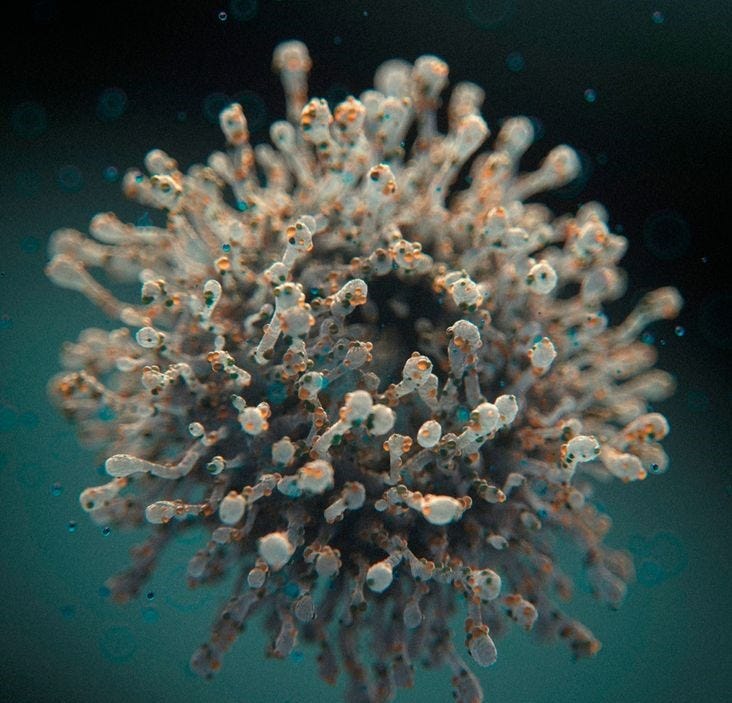
Photo by CDC on Unsplash
If vaccines could speak, this one would ask why it is still so misunderstood after decades of evidence.
It might say, “How many more years do I have to spend proving that I am here to protect you? How many studies, how many scientists will it take before you stop looking at me with suspicion?”
Poor thing.
Few medical innovations have spent so much of their existence defending themselves instead of simply doing their job.
While misinformation spreads effortlessly through forwarded messages and social media reels, vaccines quietly continue preventing disease they rarely get credit for preventing. The HPV vaccine is perhaps one of the best examples of silent success.
Unfortunately, this isn’t just a funny thought experiment.
Every time a vaccine has to spend its energy defending myths instead of sharing facts, someone delays a decision that could protect their future health.
The HPV vaccine has become one of those vaccines.
Not because the evidence is weak, but because the myths have become louder than the science.
Photo by CDC on Unsplash
Why does HPV deserve attention?
Most of us have heard the term HPV at least once, but very few people stop to ask what it actually is.
Human Papillomavirus, or HPV, is one of the most common viral infections in the world. In fact, most sexually active people will come into contact with the virus at some point in their lives, often without even realising it. For many, the infection disappears on its own without causing any problems.
But not all HPV types are harmless.
Some high-risk strains can stay in the body for years and slowly cause changes in the cervical cells that may eventually lead to cervical cancer. HPV is also associated with cancers of the anus, vulva, vagina, penis and throat.
The unsettling part is that HPV usually does not announce its arrival. It does not come with dramatic symptoms or obvious warning signs. It often works quietly, making prevention one of our most powerful tools.
Why Cervical Cancer Prevention Matters
As doctors, we spend most of our time treating disease.
But the greatest victories in medicine often happen long before illness begins.
Cervical cancer is one of the few cancers that is largely preventable through a combination of HPV vaccination and regular cervical screening. That’s remarkable when you think about it. Instead of waiting to fight cancer, we have an opportunity to reduce the risk before it ever develops.
And yet, many women miss this opportunity, not because they don’t care about their health, but because they are unsure whom to believe.
Social media has made medical information more accessible than ever, but it has also made misinformation travel faster than evidence.
Photo by Margo Evardson on Unsplash
The myths we keep hearing
Every time the HPV vaccine comes up in conversation, the same questions seem to follow.
1- It is only for teenage girls
This is probably the biggest misconception. Yes, the vaccine is most effective during this phase and works best before exposure to HPV, and is highly recommended for adolescents. But that does not exclude benefits for adults.
Depending on age, medical history, and individual circumstances, vaccination may still provide meaningful protection.
2- I am married, so I don’t need it
Marriage is not a medical criterion
HPV does not recognise relationship status.
This is exactly why personalised medical advice matters more than social assumptions.
3- The vaccine is not safe
Whenever vaccines are discussed online, safety questions quickly follow.
Fortunately, the HPV vaccine is among the most extensively studies vaccines in the world.
Millions of doses have been administered globally, and organisations such as the World Health Organisation (WHO) and the Centres for Disease Control and Prevention (CDC) continue to monitor its safety.
Like any vaccine, mild side effects such as soreness at the injection site, fatigue, or a low-grade fever can occur. Severe adverse reactions are extremely rare.
The evidence supporting its safety is reassuring.
Photo by National Cancer Institute on Unsplash
What science actually says
Science rarely promises perfection. What it does is offer evidence gathered over years of careful research.
The HPV vaccine is not about fear; it is about prevention. It is one of the few tools we have that can significantly reduce the risk of cervical cancer before the disease ever begins.
Choosing to vaccinate doesn’t mean you’re expecting the worst. It means you’re giving your future self one more layer of protection.
In short, don’t let myths make your medical decisions.
If you are unsure whether the HPV vaccine is right for you, speak with your healthcare provider. A conversation based on evidence can do far more than hours spent scrolling through misinformation.
About the Author
Dr Gazala Shaikh is a physician and medical writer passionate about translating medical evidence into clear, practical information for women. Through Women Write, she shares research-backed articles that help readers make informed health decisions. Read more at **www.womenwritepub.com**.
메타데이터
- post_id
- 88f2dbc4fab3
- slug
- the-hpv-vaccine-is-tired-of-defending-itself-88f2dbc4fab3
- url
- https://medium.com/women-write/the-hpv-vaccine-is-tired-of-defending-itself-88f2dbc4fab3
- canonical_url
- https://medium.com/women-write/the-hpv-vaccine-is-tired-of-defending-itself-88f2dbc4fab3
- author_url
- https://medium.com/@gazalashaikhworld
- status
- ok
- fetched_at
- 2026-07-15 18:46:35