🌴Beyond Miami: A 7-Day Slow Travel Guide to South Florida
To be completely honest, Miami wasn’t originally at the top of our “Slow Travel” list. But after a long, grey winter in Berlin, we were…
🌴Beyond Miami: A 7-Day Slow Travel Guide to South Florida
To be completely honest, Miami wasn’t originally at the top of our “Slow Travel” list. But after a long, grey winter in Berlin, we were desperate. By the end of March, we couldn’t take the cold German spring anymore. We needed a place where the sun was guaranteed, where my daughter could finally swim, and-if I’m being honest-where we could escape the “winter depression” that had settled over us.
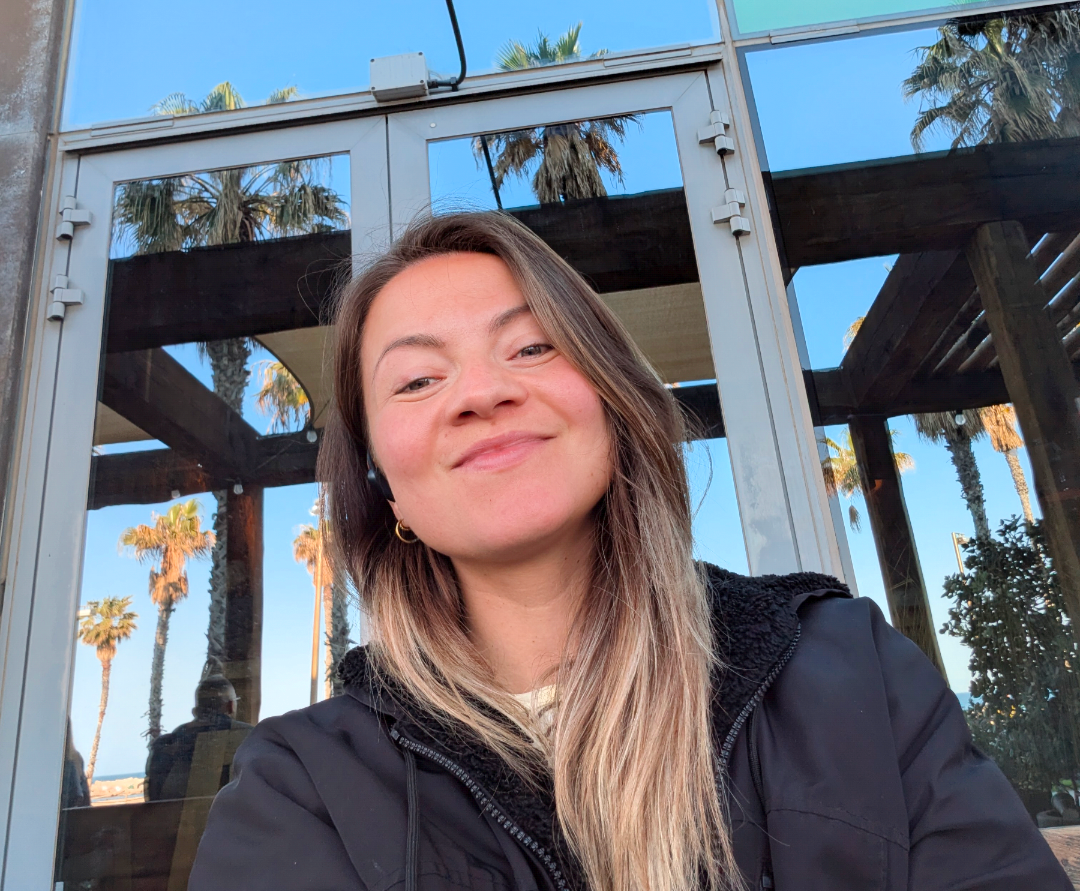
So, we traded the slushy streets of Berlin for the palm trees of .
While Miami is famous for the pastel colors of the Art Deco buildings and the neon lights of Ocean Drive, we discovered that the real magic of South Florida starts exactly where the skyscrapers end.
By splitting our time between and , we found a different rhythm. We learned that you can actually have a “Slow Travel” experience even in one of the busiest corners of the US. It’s about that sudden shift: one hour you are in heavy city traffic, and the next, you are in a national park watching a silent alligator glide through the “River of Grass” in the Everglades.
💡 Our ‘Reality over Perfect’ Experience: Combining “Slow Travel” with a teenager who wants to visit the big malls and see the Miami glitz is a challenge. Our trip wasn’t a silent meditation in nature; it was a mix of birdwatching and bargaining at the shops, of silent boat tours and late-night city walks at the Bayfront. But escaping the Berlin winter was our priority and finding this balance was the only way to make everyone in the family happy.
Escaping the Glitz In Miami: Two National Parks, Two Different Worlds
Where you sleep in Miami completely changes your perspective of the city. Most tourists automatically book a high-rise on **Miami Beach**, but we wanted something that felt more “real” and gave us better access to the nature trails leading out of the city.
We stayed at an old, **beautifully decorated, vintage motel on Biscayne Boulevard**, just a bit north of the city center. It had that classic “Old Florida” soul but with a very cool, modern interior. Instead of the constant noise of the beach parties, we had a quiet, stylish retreat.
Our base was a strategic win for “Slow Travel.” Being on the Boulevard meant we had a direct connection to the main roads. We could jump in our rental car and head to the Everglades or Biscayne National Park without getting stuck in the nightmare of beach traffic.
Biscayne National Park: The Quiet Side of the Coast
Most people come to **Biscayne National Park** for the famous boat tours to the coral reefs. But to be honest, we decided to skip the reef trip. We believe these ecosystems are already under so much stress from over-tourism and we didn’t want to add to that.
Instead, we found our slow moment on the shore.
We spent the day at the beach, just enjoying the sun and the palm trees. We walked along the coastline all the way to the lighthouse at the southern end.
Compared to the crowded, loud energy of Miami Beach the day before, this felt like a different planet. It was clean, natural and remarkably quiet.
Sitting by the lighthouse in the late afternoon sun was our highlight of the day. There were no music speakers or crowds-just the sound of the water and total peace. It was exactly what we needed to cure our Berlin winter blues.
The History of a “Paper City” & The Reef
What makes Biscayne truly special is that it shouldn’t be a park at all-it was almost a city. In the 1960s, developers wanted to build a massive industrial port and a city called “Islandia” right on these fragile keys. A small group of locals fought for years to save the bay. In 1968, they won, and the area was protected. It’s a powerful reminder that “Slow Nature” only exists because someone fought against “Fast Progress.”
The park protects a “four-layer” ecosystem: the Mangrove forests along the shore, the Biscayne Bay (shallow water), the Florida Keys (islands), and finally, the Coral Reef.
The Florida Reef Tract is the third-largest living coral barrier reef system in the world. These reefs are currently facing “bleaching” due to rising temperatures. Seeing the beauty from the shore felt like our way of giving the reef a little bit of breathing room.
The Everglades: A Landscape Like No Other
The **Everglades National Park** was a completely new experience for us. We had never seen a swamp before and the scale of it is hard to describe-it is a massive, flat wilderness that stretches as far as you can see.
To actually get into this landscape, you usually have to take an airboat. We were very hesitant. Those machines are incredibly loud, and we worried they would disturb the animals in such a quiet area. But it turned out to be the only way to see the heart of the swamps. Our guide was excellent-he promised to be mindful of his speed and the animals, and he really was.
What surprised us most was how “un-shy” the wildlife was. The birds and alligators seemed completely used to people; they didn’t flee. In fact, some got very close to the boat!
Why This Place Matters
Our guide explained that the Everglades isn’t just a “stagnant swamp”-it is actually a very slow-moving river and one of the most unique biological spots on Earth. It’s the only place where both alligators and crocodiles live together.
We learned how humans tried to “drain” the Everglades in the past for farming and houses, almost destroying the entire ecosystem. Today, it’s a massive conservation project to keep the water flowing correctly to save the birds, panthers and manatees that call it home.
On our way to the Keys: Our first farm visit in the US
Leaving the mainland for the Keys isn’t just a drive; it’s a total change in atmosphere. Before crossing the water, we made a stop at a place we had only ever seen in a documentary: **Robert Is Here** in Homestead.
This isn’t a standard average fruit stand. It’s a legendary family-run market that feels like a gateway to the tropics. We had never seen most of the fruits on display!
We couldn’t decide what to try, but Robert himself was there to advise us and show us around. He let us taste everything-fruits we didn’t even know existed. We ended up sitting on the benches in their quiet park area, enjoying the fresh flavors in the sun.
Behind the market is a beautiful area for rescued animals. Seeing them protected and recovering there gave the place a soul that goes beyond just being a tourist stop. It was our first “US farm experience,” and it felt remarkably similar to the authentic farm visits we love to do in other parts of the world.
Our Visit to the Keys: A Tropical Slow Travel Paradise
After the farm, the road changes. You find yourself on a long, one-lane highway with nothing but the turquoise sea on both sides. It’s one of the most iconic drives in the world and it leads straight to the “Island Life.”
We stayed at **this small boutique hotel **right on the beach. It was basic, clean and quiet-exactly what we look for. Having direct beach access meant we could start and end our days with the sound of the water, far away from the big resort crowds.
Islamorada: Snorkeling with a Purpose
Since we skipped the reef in Miami to protect it, we wanted our water experience in the Keys to be more mindful. We booked **a boat tour in Islamorada** with a company founded and run entirely by women. You could feel the passion these girls had for the ocean. It wasn’t a “mass-market” tour; it felt personal and very nice.
We did several stops during our drive, snorkeling in different spots and even swimming at a sandbank in the middle of the ocean. Being out there, surrounded by nothing but blue, was a true highlight.
A Day in Key West: A City Of Roosters
Key West is the end of the road-literally. It’s a city with a personality unlike anywhere else in the US. We did a day trip here, crossing the famous **Seven Mile Bridge**, which was an impressive experience on its own.
We were so impressed by the architecture. The small streets are lined with beautiful wooden houses and tropical gardens that look like they belong in a storybook.
Our most favorite residents of the city: You cannot walk ten meters without seeing (or hearing) a rooster. They are everywhere! They are descendants of birds brought over from Cuba and the Caribbean for food and cockfighting. When those practices ended, the birds were set free. Today, they are protected “key players” of the city’s charm.
Why is Key West so Interesting?
Key West was once the wealthiest city in the US per capita, thanks to “wrecking”-rescuing cargo from ships that crashed on the reefs. Later, it became a haven for writers like Ernest Hemingway and artists who wanted to escape the mainland’s rules.
Even though Key West can be busy, finding the quiet side streets away from the main tourist areas allows you to see the real character-the overgrown hibiscus, the salt-air-weathered wood and the feeling that time has mostly stood still.
Slow Food & Family Tips: Balancing Culture, Food and Sightseeing
To make a trip like this work, you have to find a balance. For us, that meant staying true to our love for local food while making sure our daughter had the “Miami experience” she was dreaming of.
Our “Slow Food” Journey: From Farms to Little Havana
We always try to eat locally relevant food, and in Miami, that means diving into Cuban and Latin flavors.
Our visit to Robert Is Here was the perfect introduction. Tasting tropical fruits we had never seen before-guided by Robert himself-showed us the agricultural heart of Florida.
You cannot visit Miami without going to **Versailles. It was our very first time trying Cuban food and it was a revelation. We had the Chicken with Yellow Rice, Fried Plantains and Fried Banana** served with a delicious garlic sauce. It felt like eating in someone’s home-authentic, loud and full of history.
In Key West, we had to try the Conch Fritters. These were easily our favorite food in Florida. A “Conch” (pronounced konk) is a large sea snail with a beautiful pink shell. They are so local that people born in Key West actually call themselves “Conchs.”
Back in the day, conch was a cheap, plentiful protein for the islanders. To make the tough meat delicious, they chopped it up, mixed it with peppers, onions and a spicy batter and deep-fried it into golden balls. Served with a spicy “remoulade” or lime sauce, they are the ultimate salty, crispy island snack. Because the Queen Conch is now protected in Florida waters, the meat is usually sustainably sourced from the Bahamas, but the recipe remains a 100-year-old local tradition you find in every small shack.
And, of course, we had to try the famous Key Lime Pie at the Keys. Why is Key Lime Pie so special?Authentic Key Lime Pie is made from tiny, yellow “Key Limes” that are much more tart and aromatic than the green ones we get in Berlin. Legend has it that the “Sponge Fisherman” in the 1800s created it because they didn’t have ovens or fresh milk on their boats. They used sweetened condensed milk, which reacted with the lime juice to “cook” the filling without heat!
The “Real over Perfect” Family Balance
Let’s be honest: you can’t take a teenager to Miami and only look at birds in a swamp. To keep everyone happy, we mixed our nature days with the “standard” Miami sights.
We loved walking around Wynwood Walls. Seeing the massive murals and exploring the small boutique shops was a highlight for all of us. It’s an area that feels alive with creativity.
Yes, we visited 1–2 outlet malls! After months of grey weather in Germany, a little “retail therapy” and some new summer clothes were part of the fun.
Final Thoughts: Was it worth it?
If you are sitting in a cold European winter right now, wondering if Florida is “too touristy” for your travel style-don’t worry. If you look beyond the neon and the shopping malls, you will find a landscape that is beautiful, a food culture that is vibrant and a pace of life that can be as slow as the tide in the Keys.
We came for the sun, but we stayed for the silence of the mangroves and the taste of that first Cuban coffee.
🇺🇸 Looking for more authentic American road trips? Our **USA Travel Hub** is full of stories about finding the “Slow” in the land of the “Fast”-from National Park guides to our favorite hidden gems across the states.
Originally published at https://fomotraveller.guide on March 23, 2026.
메타데이터
- post_id
- 88f35ddd967e
- slug
- beyond-miami-a-7-day-slow-travel-guide-to-south-florida-88f35ddd967e
- url
- https://medium.com/@fomotraveller/beyond-miami-a-7-day-slow-travel-guide-to-south-florida-88f35ddd967e
- canonical_url
- https://medium.com/@fomotraveller/beyond-miami-a-7-day-slow-travel-guide-to-south-florida-88f35ddd967e
- author_url
- https://medium.com/@fomotraveller
- status
- ok
- fetched_at
- 2026-06-22 05:41:33