PFE2.1 Rethinking Pig Welfare: The Critical Need for Nesting Material
Here is my second blog-post in my Rethinking Pig Welfare series, inline with my knowledge of the EU Reference Centre for Animal Welfare…
PFE2.1 Pig Welfare: The Critical Need for Nesting Material
This is the second blog-post in my Pig Welfare series, inline with my knowledge of the EU Reference Centre for Animal Welfare Pigs[EURCAW-Pigs]. The last time I wrote about the EU’s scrutiny of male pig production. Meeting the sow’s need for nesting, even in restrictive farrowing systems, is an achievable goal with clear welfare benefits and is a core component of adhering to EU animal welfare legislation. Though in most pig farms that I have visited, this has not been fully adopted so I am convinced to create awareness about this best practice.
The Council Directive 2008/120/EC clearly mandates that sows and gilts must be provided with suitable nesting material in sufficient quantity during the week before expected farrowing, unless technically infeasible due to the slurry system used. This requirement is rooted in a fundamental biological need: even in production settings, sows are highly motivated to build an isolated nest site.
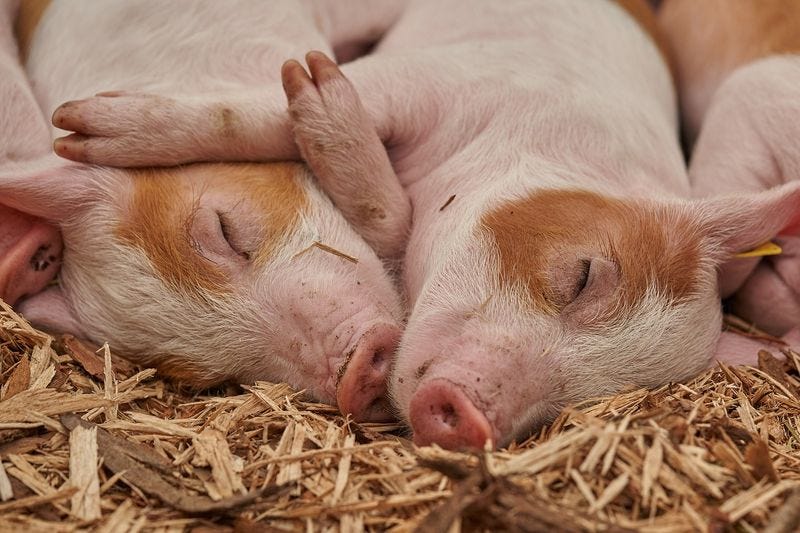
Online Image Snippet
The Biological Imperative of Nest Building
Nesting is a powerful, hormone-driven behavior (triggered by changes in hormones like prolactin before birth) and is essential for sow welfare, as well as liters. Preventing this behavior, often due to insufficient space or lack of materials, leads to significant welfare concerns:
- Frustration and Stress: The inability to express this innate need causes distress.
- Poor Welfare Outcomes: Chronic stress negatively impacts the sow’s overall well-being.
Challenges in Farrowing Crates
Farrowing crates present a substantial challenge to meeting this welfare standard. Sows in crates cannot isolate themselves and have limited physical space to perform the complex nesting sequence. Consequently, signs of stress and frustration are more evident in crated sows during the period surrounding birth (peri-partum) than in loose-housed sows.
Technical Limitations:
- Material Retention: Traditional materials like straw, hay, or wood shavings quickly become inaccessible to the sow within the crate, often within minutes.
- Slurry System Risk: The common use of fully slatted or drained floors in farrowing crates further complicates material provision, as there is a risk of blocking the slats and/or the slurry system.
The Proven Benefits of Providing Nesting Materials
Despite the technical limitations, research overwhelmingly demonstrates the positive impact of providing nesting materials, even in farrowing crates. Allocation of suitable materials significantly reduces signs of stress and frustration in crated sows.
Effective Strategies and Results:
- Reduced Stress Hormones: Providing materials like straw in a rack or attaching jute/hessian materials to the front of the pen has been shown to decrease stress hormones.
- Reduced Undesirable Behaviors: These methods also reduced re-directed (or abnormal) behaviors during the crucial nest building phase.
- Increased Nesting Activity: Even materials like sawdust can be effective when administered strategically. Studies show that providing a small amount (a handful) every 30–60 minutes throughout the nesting day significantly increases natural nesting activities.
Time To Share! In Africa, is the provision of nesting material primarily a welfare compliance cost, or an investment that ultimately improves sow behavior and piglet vitality? I will like to hear your perspective.
ABOUT ME:
My name is Boluwatife Victoria A., I hold a B.Tech in Animal Nutrition and Biotechnology from Nigeria’s leading state university. I am passionate about promoting sustainable food production and resilient farming practices, both across Africa and globally.
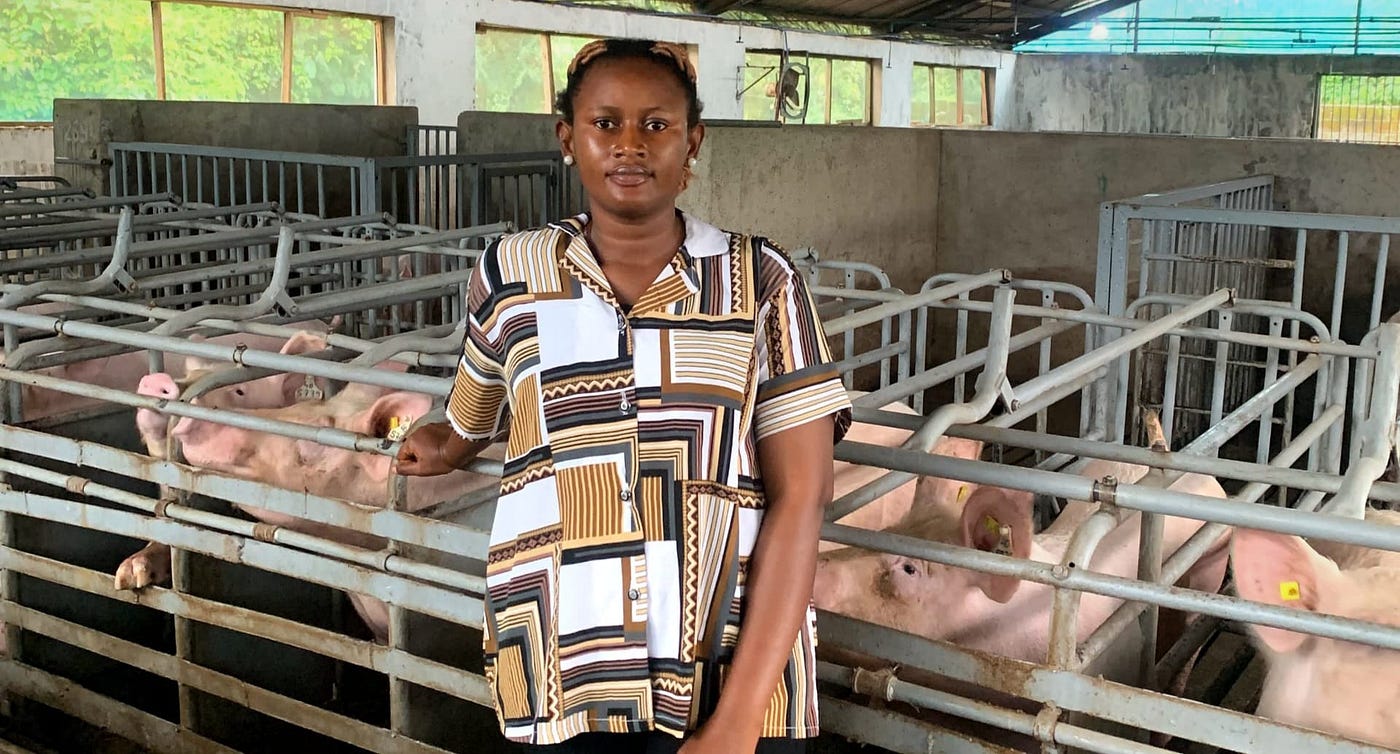
Image by @ Boluwatife Victoria A., November 2025
My ongoing practical experience with animals, includes but not limited to poultry, rabbits, and pigs, has given me a better understanding of the challenges and solutions in livestock farming. Currently, I am an intern at the piggery unit of a reputable farm in Nigeria. My drive influences my commitment to sharing knowledge and inspiring others to seek better ways for animal welfare, nourish people and preserve the planet.
메타데이터
- post_id
- 88fa14db97b1
- slug
- pfe2-1-rethinking-pig-welfare-the-critical-need-for-nesting-material-88fa14db97b1
- url
- https://medium.com/@shining-bolu/pfe2-1-rethinking-pig-welfare-the-critical-need-for-nesting-material-88fa14db97b1
- canonical_url
- https://medium.com/@shining-bolu/pfe2-1-rethinking-pig-welfare-the-critical-need-for-nesting-material-88fa14db97b1
- author_url
- https://medium.com/@shining-bolu
- status
- ok
- fetched_at
- 2026-07-15 13:43:13