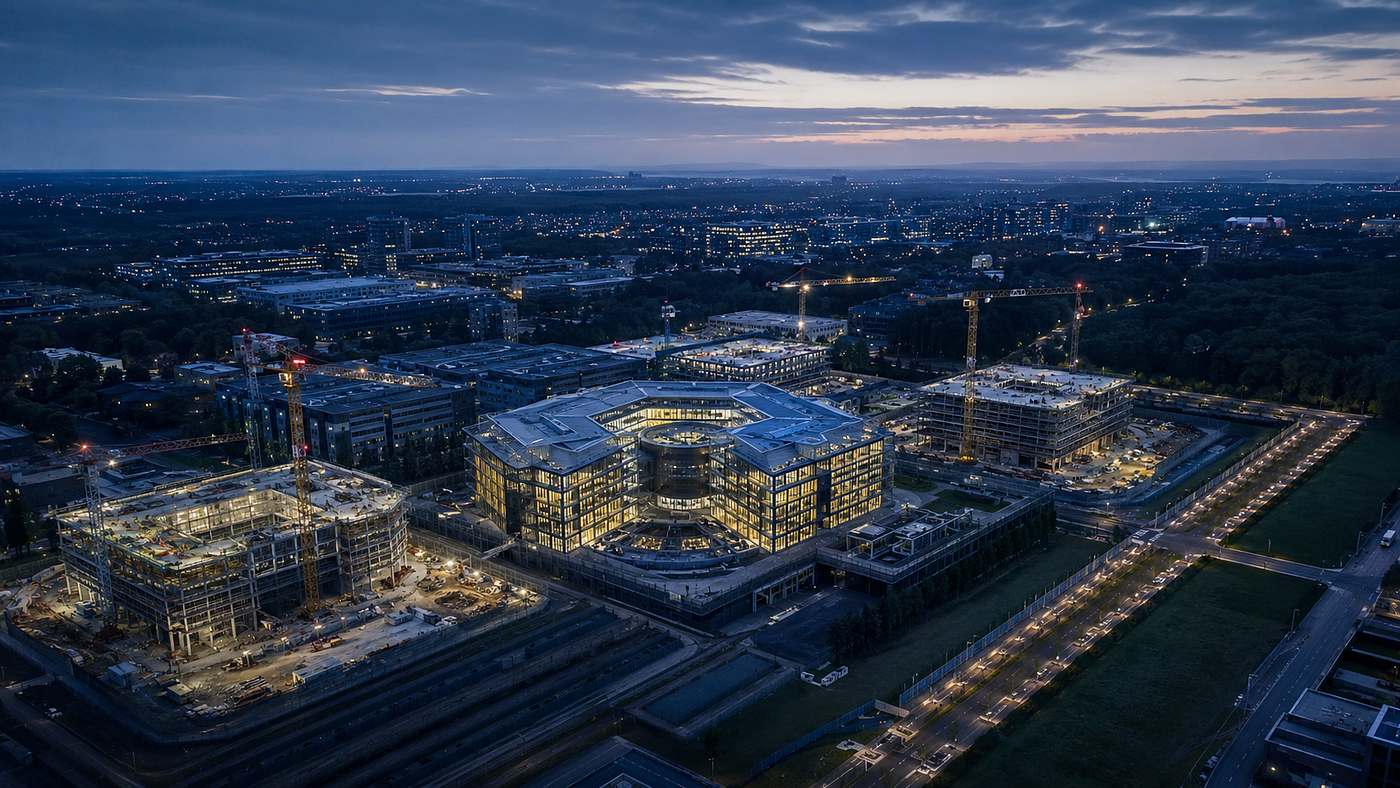
How Industry Expertise Actually Shapes EU Security Policy — An Interview with EOS
EIPIO INTERVIEW SERIES | EOS explains how industry expertise shapes EU regulation — and why AI and hybrid threats will redefine the…
How Industry Expertise Actually Shapes EU Security Policy — An Interview with EOS
EIPIO INTERVIEW SERIES | EOS explains how industry expertise shapes EU regulation — and why AI and hybrid threats will redefine the security–intelligence relationship.
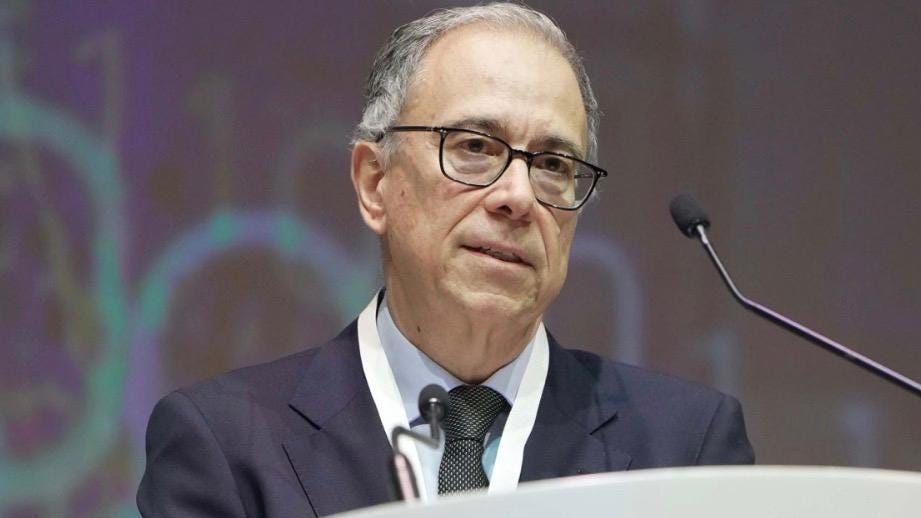
Paolo Venturoni, CEO — European Organisation for Security (EOS)
Interviewer: Matteo Pederzoli, Co-founder, EIPIO
The European Organisation for Security (EOS) is the voice of the European security industry and research community. Operating in 12 countries, EOS members provide security research, solutions, and services across multiple security domains, including border, transport, and crisis management. EOS promotes the development of a harmonised European security market. Ultimately, an integrated European security community will deliver innovative, sustainable, and efficient solutions, ensuring a more secure environment for Europe’s citizens.
EOS has been advancing the perspectives and expertise of the European security community to international regulators since 2007. Increasingly, such engagement and best-practice sharing have broadened to address new priority issues such as cybersecurity and artificial intelligence. EOS is involved in two types of activities. From the policy perspective, EOS works with its members to draft recommendations to policymakers to address security threats to the European Union’s citizens and infrastructures. EOS is also involved in Research and Innovation activities, especially in collaborative projects, having participated in dozens of projects throughout the security domains.
Moreover, EOS has established several working groups pulling knowledge from the security research and innovation community (including practitioners, industries, and research organisations), such as the Digital Homeland Security and Cyber-Physical Security Working Groups.
Q1. EOS has been translating industry expertise into EU security policy for nearly two decades now. What’s the most important lesson you’ve drawn from that experience about how technical knowledge actually reaches policymakers?
The policymaking ecosystem is structured along several domains, including cybersecurity, border security, crisis management, and artificial intelligence. Our experience is relevant to the EU institutions in Brussels, where our association’s main interlocutors are the European Commission and the European Parliament.
The Commission is a ‘’technical’’ body, and we have been able, over the years, to establish a continuous dialogue with the Directorates-General (DGs) of interest for the sector we operate in, in particular with those dealing with security research, transport, and digital matters. Once you establish trust, I would say that it is not a problem to have technical inputs heard and taken into consideration.
I would also say that the most important lesson is the need to aim for the long term. Brussels issues directives and regulations that have a material impact on the security industry. The process is long, so it is important to maintain focus and dialogue over several years.
Q2. EOS is part of major research consortia — SPIRIT, ENACT, and others. Intelligence professionals working in threat assessment, OSINT, and risk analysis are often embedded in those same environments. Do you see a role for practitioner-level professional standards in the kind of consortium work EOS participates in?
Intelligence professionals can certainly play a role, as in many cases, projects set up advisory bodies to provide strategic guidance to the project’s participants. Intelligence professionals can indeed provide valuable input both in defining critical scenarios and evaluating the practical use of the proposed solutions.

Final event of the SPIRIT project in Brussels, April 2025
Q3. EOS engages with sensitive domains — border management, critical infrastructure, and cybersecurity. Where do you see the biggest gaps in practitioner-level accountability in those environments?
Besides advisory roles, practitioners can participate in security projects through organisations like EIPIO. In fact, an association like EIPIO can represent the right instrument to engage as a community in EU-funded security projects. Speaking of security projects, there is no domain where the gap is larger than others; it depends on the specific problem being addressed. There are projects, like those funded through the Internal Security Fund, where the presence of practitioners is a requirement. Direct practitioners’ participation is a concrete way to minimise gaps.
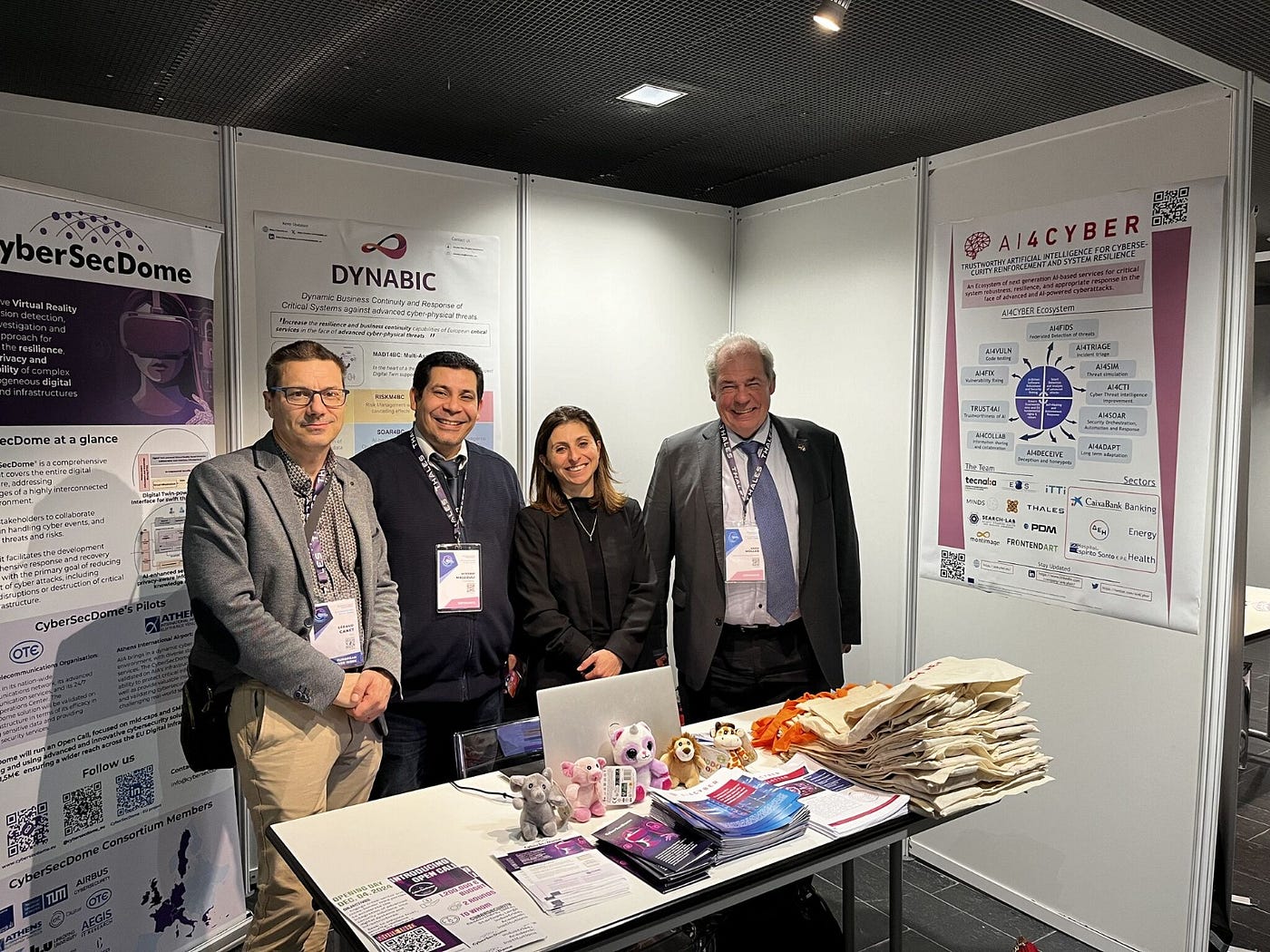
EOS Chairman, Gerd Mueller (first to the right), at the Cybersecurity conference in Rennes, November 2024
Q4. From your experience building a pan-European association from the ground up, what advice would you give to a young professional body trying to establish credibility and influence in Brussels?
Engaging in EU-funded projects as an association is certainly a way to establish credibility. You need to look at the work programmes, try to understand what the Commission priorities are, and then contact other organisations to verify their availability to partner in presenting proposals to respond to the Commission’s calls. Being present at the SMIIG, an annual event focused on research projects in security, is also a good way to network.
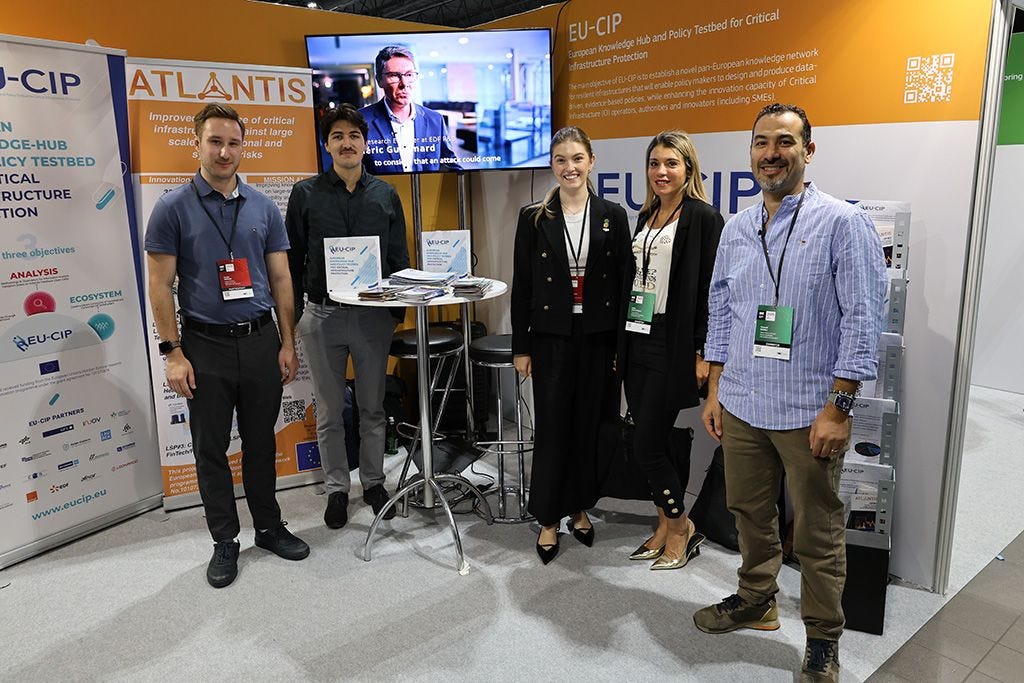
EOS at the Security Research Event in Warsaw, June 2025
Q5. As threats grow more complex and the boundaries between physical security, cybersecurity, and intelligence continue to blur — how do you see the relationship between the security industry and the intelligence profession evolving over the next decade?
Hybrid threats represent today a challenge to be taken very seriously. Our definition of hybrid threats is “threats below the threshold of an open military confrontation that can be plausibly denied.” Plausible deniability is key. AI-based systems will be increasingly used to determine attribution, but human expertise, at least in the foreseeable future, will continue to be a key asset in understanding and responding to those threats. The relationship between the security industry and intelligence professionals will be increasingly shaped, in my opinion, by the capacity of the latter to be fully engaged in the training of complex AI systems.
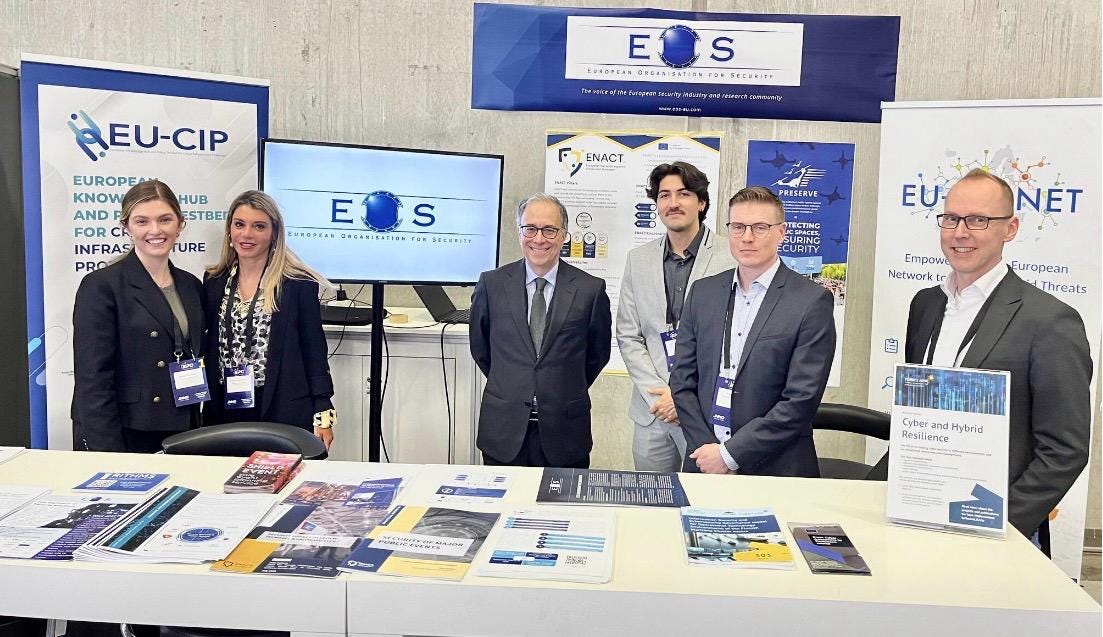
EOS at the European Police Congress in Berlin, May 2025
메타데이터
- post_id
- 88fcadaa7178
- slug
- eipio-interview-88fcadaa7178
- url
- https://medium.com/eipio-intelligence-review/eipio-interview-88fcadaa7178
- canonical_url
- https://medium.com/eipio-intelligence-review/eipio-interview-88fcadaa7178
- author_url
- https://medium.com/@m4tp3d
- status
- ok
- fetched_at
- 2026-06-23 17:05:31