Strong Bones, Strong Hopes: Understanding Bone Cancer
Bone health plays a vital role in supporting movement, posture, and overall well-being. While many bone-related conditions can affect…
Strong Bones, Strong Hopes: Understanding Bone Cancer
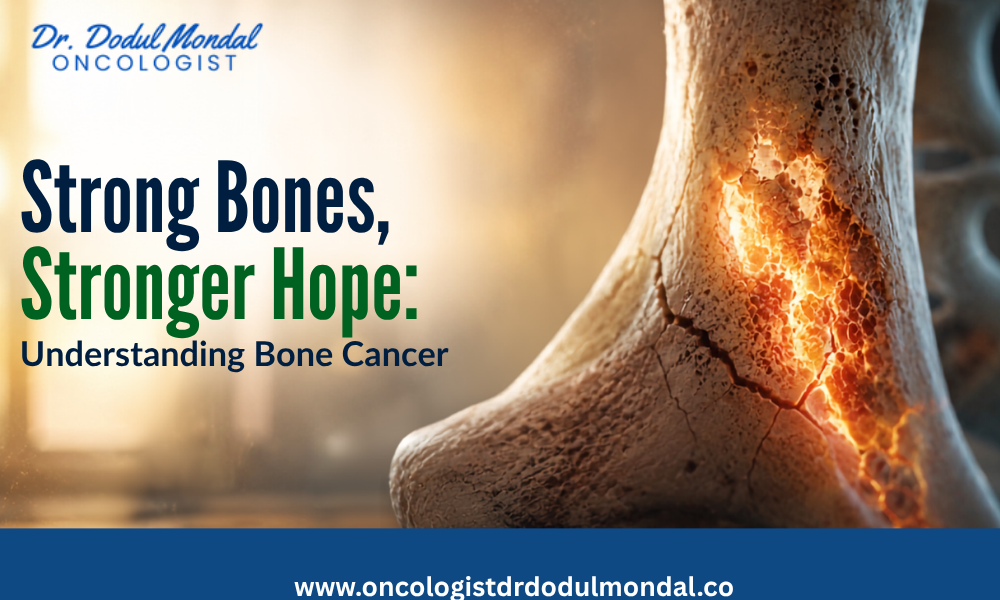
Bone health plays a vital role in supporting movement, posture, and overall well-being. While many bone-related conditions can affect people of different age groups, some uncommon disorders require specialized medical attention and early evaluation. Understanding bone cancer, its signs, diagnostic methods, and treatment approaches can help individuals make informed healthcare decisions and seek timely support when needed.
Bone cancer refers to the development of abnormal cells within bone tissue. It may originate in the bone itself or involve bones from conditions that begin elsewhere in the body. Although it is considered relatively uncommon, awareness of bone health and unusual symptoms can contribute to earlier detection and better treatment planning.
What Are the Common Signs of Bone Cancer?
The symptoms associated with bone cancer can vary depending on the location and size of the affected area. Some individuals may experience persistent discomfort around a specific bone, while others notice swelling or reduced mobility near a joint. In some cases, symptoms develop gradually and may initially resemble common orthopedic concerns.
Common signs may include:
- Ongoing bone discomfort that does not improve over time
- Swelling near a bone or joint
- Reduced flexibility or movement
- Difficulty performing routine physical activities
- Unexplained changes in posture or walking pattern
- Increased sensitivity around the affected area
Because these symptoms can also be linked to non-cancerous conditions, a detailed medical evaluation is important for determining the exact cause.
Understanding Risk Factors
Researchers continue to study the factors associated with bone cancer. While the exact cause is not always known, certain conditions may increase the likelihood of developing abnormalities in bone tissue. These can include inherited genetic factors, previous exposure to specific medical treatments, or certain bone disorders.
It is important to remember that having a risk factor does not necessarily mean a person will develop bone cancer. Regular health monitoring and professional guidance remain the best approach for maintaining bone health.
Importance of Early Diagnosis
Timely diagnosis can play a significant role in treatment planning and long-term outcomes. Modern healthcare facilities use a combination of imaging techniques and laboratory assessments to evaluate suspicious bone changes.
Diagnostic methods may include:
- X-rays
- MRI scans
- CT scans
- PET scans
- Bone scans
- Tissue biopsy for detailed examination
These tools help specialists understand the nature of the condition and create a personalized treatment strategy.
Patients seeking expert guidance often consult **Top Bone Cancer Doctors Delhi NCR** who work with multidisciplinary teams to ensure comprehensive assessment and coordinated care. Access to advanced diagnostic technology allows specialists to evaluate bone-related concerns with greater precision and accuracy.
Types of Bone Cancer
Bone cancer can occur in different forms, each requiring a specific treatment approach. Some types develop directly within bone tissue, while others may involve surrounding structures.
The most commonly recognized forms include:
Osteosarcoma
This type generally develops in cells responsible for forming new bone tissue. It is often found near the long bones of the arms and legs.
Chondrosarcoma
Chondrosarcoma begins in cartilage-producing cells and is more commonly diagnosed in adults.
Ewing Sarcoma
This form can affect both bones and nearby soft tissues. It is often identified in younger individuals and requires specialized treatment planning.
Understanding the specific type helps healthcare teams recommend the most suitable therapeutic options.
Modern Treatment Approaches
Advancements in oncology and orthopedic care have significantly improved the management of bone cancer. Treatment plans are individualized based on factors such as age, overall health, tumor location, and disease stage.
Common treatment options include:
Surgery
Surgical procedures aim to remove affected tissue while preserving as much normal bone function as possible. Modern surgical techniques often focus on limb preservation and improved recovery outcomes.
Radiation Therapy
High-energy radiation may be used to target abnormal cells and support disease control in selected cases.
Chemotherapy
Specialized medications can help manage certain forms of bone cancer and are often incorporated into comprehensive treatment plans.
Targeted and Advanced Therapies
Newer treatment approaches continue to evolve, offering additional options for selected patients. These therapies focus on specific characteristics of abnormal cells while minimizing impact on healthy tissues.
A coordinated treatment strategy involving oncologists, orthopedic surgeons, radiologists, rehabilitation specialists, and supportive care professionals helps ensure comprehensive patient management.
Recovery and Long-Term Care
Recovery extends beyond treatment itself. Rehabilitation programs play an important role in helping patients regain strength, mobility, and confidence. Physical therapy, nutritional support, and regular follow-up appointments contribute to long-term wellness and improved quality of life.
Patients are encouraged to maintain a healthy lifestyle through balanced nutrition, appropriate physical activity, and ongoing medical supervision. Regular follow-up evaluations allow healthcare teams to monitor progress and address any concerns promptly.
The Value of Specialized Care
Managing bone cancer requires expertise, advanced technology, and a patient-centered approach. Specialized cancer centers offer integrated services that bring together multiple disciplines under one roof. This collaborative model supports accurate diagnosis, personalized treatment planning, and comprehensive recovery programs.
When selecting a healthcare provider, factors such as clinical experience, treatment infrastructure, multidisciplinary support, and patient care services should be carefully considered. Consulting a qualified **Bone cancer specialist in Delhi** can help patients access advanced treatment options and individualized guidance throughout their healthcare journey.
Conclusion
Awareness and education are powerful tools in promoting bone health and encouraging timely medical evaluation. Understanding the signs, diagnostic process, and available treatment options empowers individuals to make informed decisions about their well-being. With ongoing advancements in medical science, specialized care, and supportive rehabilitation programs, patients have access to comprehensive solutions designed to improve outcomes and enhance quality of life. Strong bones support a strong future, and informed healthcare choices can make a meaningful difference in every step of the journey.
Frequently Asked Questions (FAQs)
1. What is bone cancer?
Bone cancer is a condition in which abnormal cells develop within bone tissue. It can originate in the bone itself or involve the bones from another location in the body.
2. What are the early signs of bone cancer?
Some common signs may include persistent bone discomfort, swelling near a joint, reduced mobility, and difficulty performing routine physical activities. Symptoms can vary from person to person.
3. Is bone cancer common?
Bone cancer is considered relatively uncommon compared to many other health conditions. However, awareness and timely evaluation remain important for effective management.
4. Which bones are most commonly affected?
Bone cancer can affect various parts of the body, but it is often found in the long bones of the arms, legs, and pelvic region.
5. How is bone cancer diagnosed?
Diagnosis may involve imaging tests such as X-rays, MRI scans, CT scans, PET scans, bone scans, and a biopsy to examine tissue samples more closely.
6. Can bone cancer be treated successfully?
Treatment outcomes depend on several factors, including the type, location, and stage of the condition. Modern treatment approaches have improved significantly and offer multiple management options.
7. What treatment options are available for bone cancer?
Treatment may include surgery, radiation therapy, chemotherapy, targeted therapies, and rehabilitation programs, depending on individual needs.
8. Does bone cancer affect mobility?
In some cases, bone cancer may impact movement or physical function, especially when it involves joints or weight-bearing bones. Rehabilitation and physical therapy can help improve mobility.
9. Can children and adults both develop bone cancer?
Yes, bone cancer can occur in both children and adults, although certain types are more commonly seen in specific age groups.
10. Why is early diagnosis important?
Early diagnosis helps healthcare specialists assess the condition promptly and develop an appropriate treatment plan, which can support better overall outcomes.
메타데이터
- post_id
- 8933b77edcc0
- slug
- strong-bones-strong-hopes-understanding-bone-cancer-8933b77edcc0
- url
- https://medium.com/@bestradiationoncologistindelhi/strong-bones-strong-hopes-understanding-bone-cancer-8933b77edcc0
- canonical_url
- https://medium.com/@bestradiationoncologistindelhi/strong-bones-strong-hopes-understanding-bone-cancer-8933b77edcc0
- author_url
- https://medium.com/@bestradiationoncologistindelhi
- status
- ok
- fetched_at
- 2026-06-27 23:56:40