Scent as a Language
As a child, I learned about the five senses through playful rhymes and colorful drawings. Taste, smell, sight, touch, and hearing were…
Scent as a Language
As a child, I learned about the five senses through playful rhymes and colorful drawings. Taste, smell, sight, touch, and hearing were presented as things to know about the human body, with little attention given to how they shape our perception of the world. It wasn’t until I started my Master’s program in Flavors and Fragrances that I began to understand the deep complexity of these senses; particularly smell.
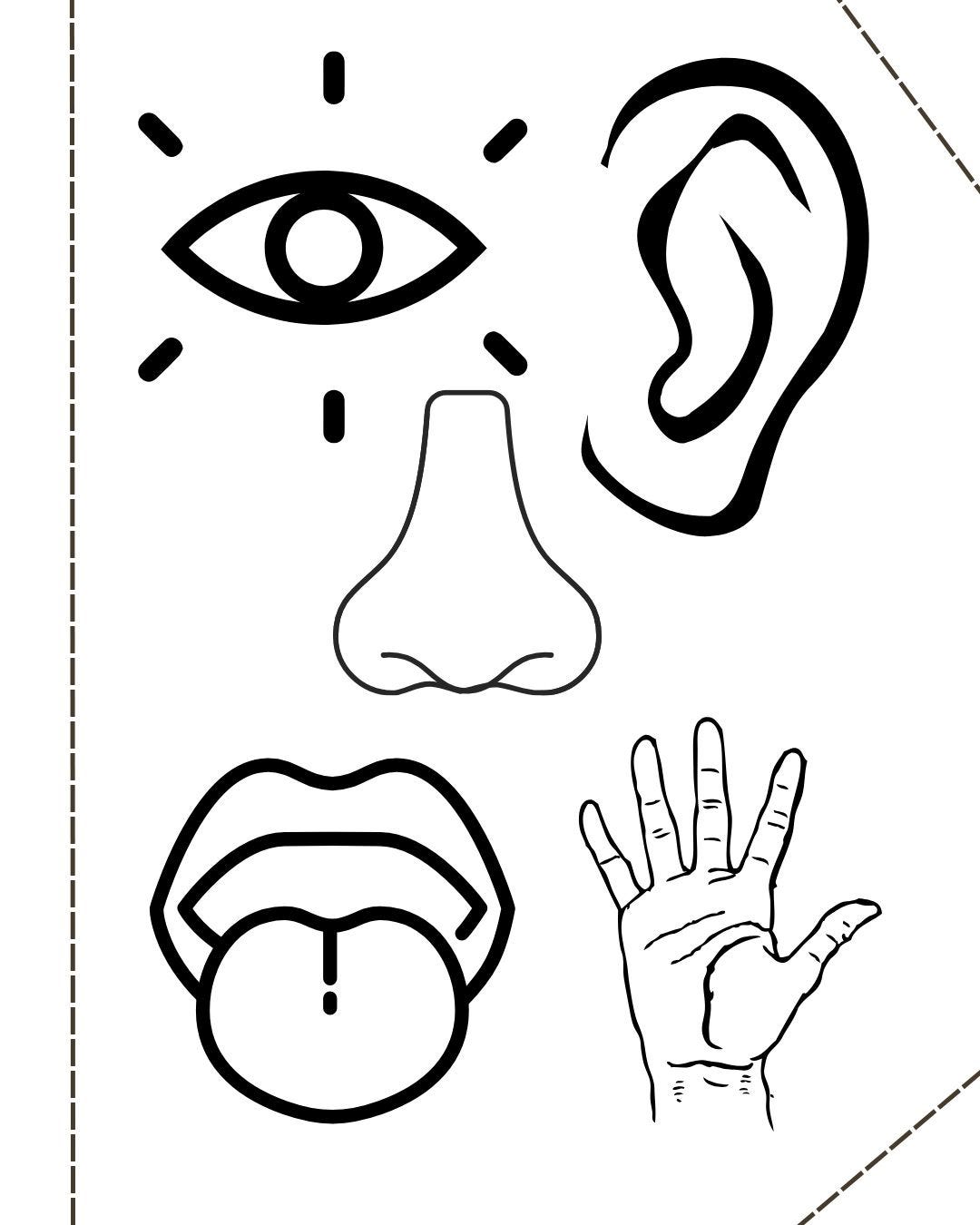
In our first month, we studied how humans perceive scent, a journey rooted in both science and philosophy. This exploration highlighted how often smell is overshadowed by its more celebrated counterparts, like sight and sound. In class, we discussed philosophical perspectives on the senses, which brought me back to Friedrich Nietzsche, a philosopher I have long admired.
Nietzsche’s philosophy emphasizes the importance of embracing all aspects of life, including those often overlooked or undervalued. For him, the sense of smell was not merely a biological function but an integral part of human experience, deeply tied to memory, emotion, and instinct. His belief in the creative power of individuals resonated with me as I discovered the sophistication of fragrance creation.
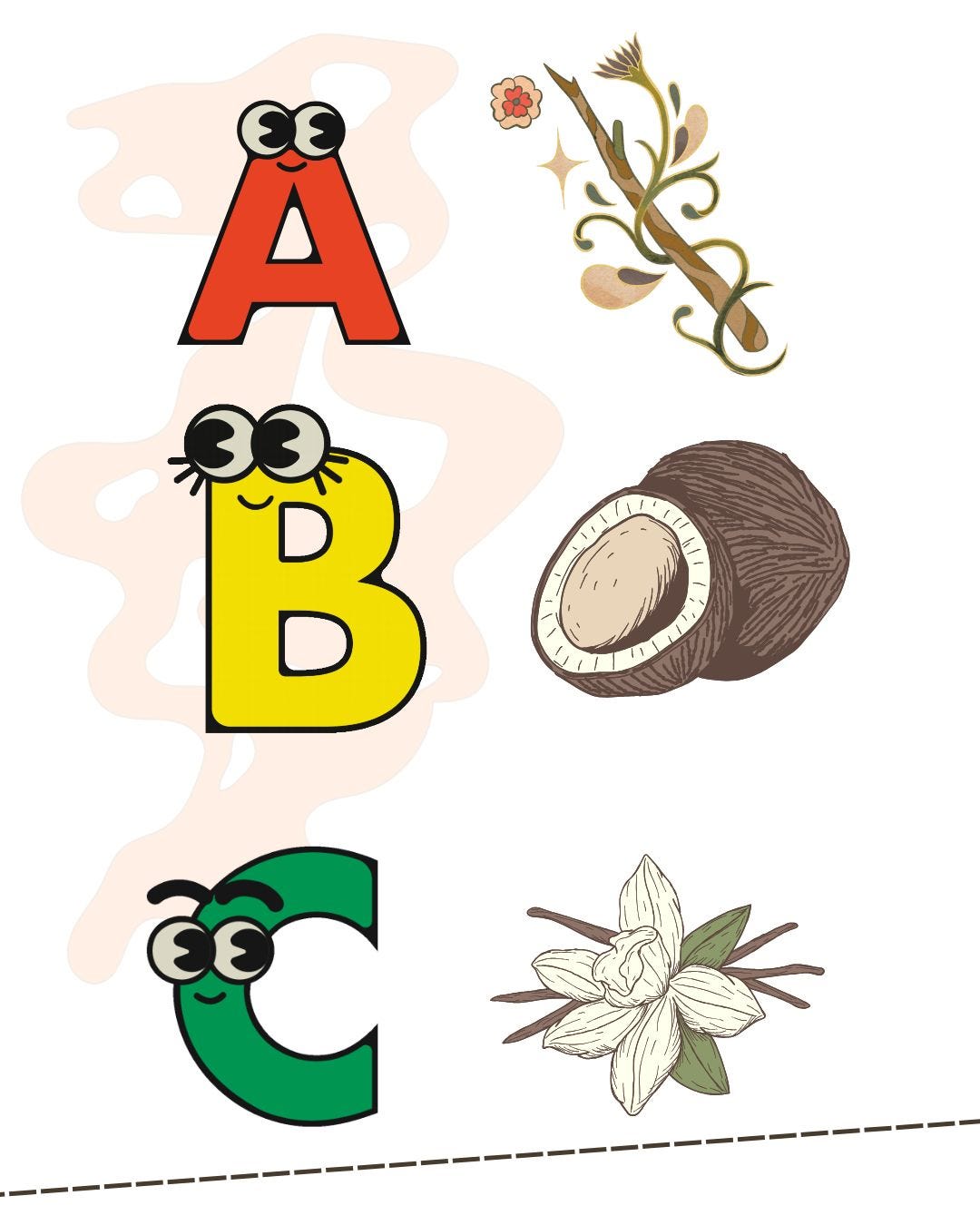
In my coursework, as we explored the relationships between scents, plants, and their natural origins, I found myself thinking of smell as a form of communication which appears to me as similar to learning a new language. Just as language has structure and nuance, and so did scents; with top notes, heart notes, and base notes combine to create a complete aromatic “story.” Learning to recognize and interpret these layers requires training the nose, much like training the ear to recognize musical tones or the eye to read unfamiliar script. Or simply learning A-Z letters of specific raw materials as Stephen V. Dowthwaite from Perfumers world puts it.
This olfactory training, like language acquisition, demands focus, memory, and practice. It’s a deliberate process of connecting scents to their sources and understanding how they interact. Nietzsche’s philosophy of life as an art; an opportunity to create meaning rather than merely receive it; fits seamlessly into this process. By engaging with scents, we’re not just identifying molecules; we’re learning to interpret the environment in a way that feels both intuitive and intellectual.
Through this journey, I’ve come to see the sense of smell as more than a biological tool. It’s a skill to be developed, a way to engage with the world, and a means of self-expression. Like Nietzsche’s call to embrace life’s subtleties, olfactory training has taught me to pay attention to the nuances and hidden connections in the world around me, transforming how I perceive not only fragrances but life itself.

메타데이터
- post_id
- 8944dca67b82
- slug
- scent-as-a-language-8944dca67b82
- url
- https://medium.com/@bezion/scent-as-a-language-8944dca67b82
- canonical_url
- https://medium.com/@bezion/scent-as-a-language-8944dca67b82
- author_url
- https://medium.com/@bezion
- status
- ok
- fetched_at
- 2026-07-21 22:22:34