The 12 Books I Read in May
And the four that are totally worth your time
The 12 Books I Read in May
And the four that are totally worth your time

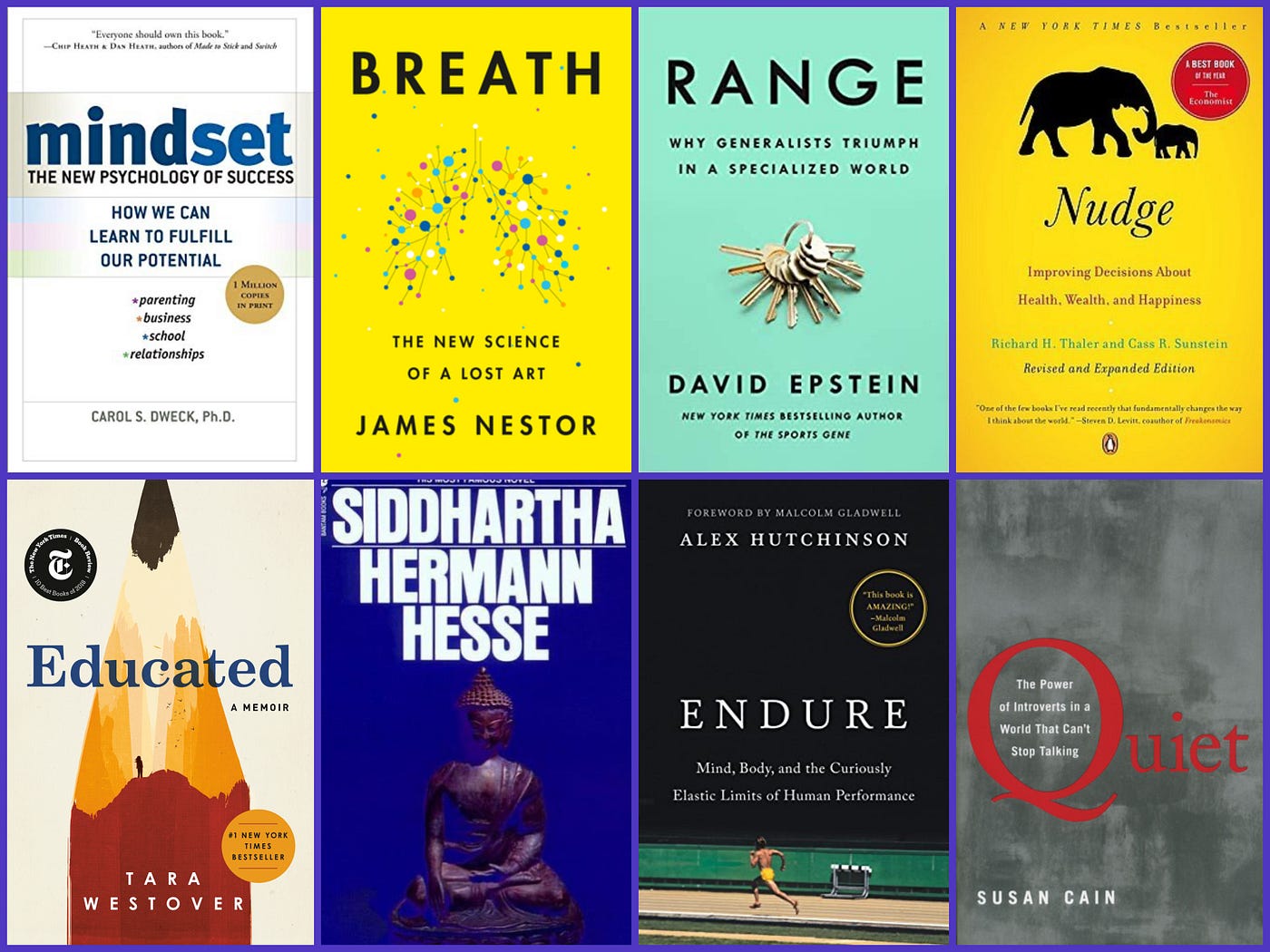
Pic: Collage of book Covers from Goodreads
Not a member of Medium as yet? Click here to read the article.
May turned out to be a great month for me. Not just because it was my birthday month (27th), but also because I READ A LOT!!!
A 10-day US trip meant long flights and a lot of airport time, so I had more reading hours than usual this month.
Eleven books in all, which sounds impressive, until I tell you that reading more doesn’t always mean reading better. A couple didn’t make it past the halfway mark, and a few I pushed through to the end, but I wouldn’t particularly recommend.
Still, there were some real standouts, and that’s what makes the habit of reading really worth it.
Here’s the full rundown.
The Good Ones
1. Useful Delusions — Shankar Vedantam & Bill Mesler
The best book of the month, by a clear margin. I liked it enough to write a separate blog post just on this one. The central idea is fascinating: the lies we tell ourselves are not just harmless quirks but are actually woven into the fabric of how we live, love, stay together, and stay sane.

Pic: book Cover from Goodreads
Vedantam makes the case that self-deception, for all its obvious downsides, has a strange and vital role in human flourishing. It shapes our friendships, our relationships, and even how long we live.
The book pulls from psychology, neuroscience, and philosophy, but it never feels heavy or academic. Strongly recommended.
2. Better — Atul Gawande
I’ve read two other books by Gawande before this one, and he hasn’t disappointed yet.
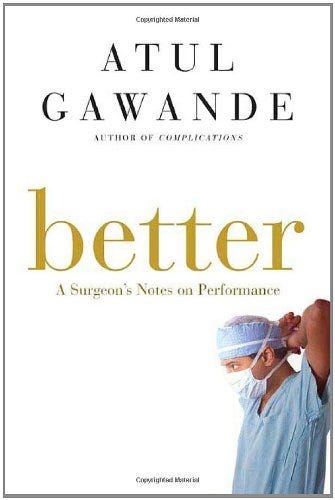
Pic: book Cover from Goodreads
Better gives you a window into the medical world that most of us never get to see, not the dramatic, TV-version of medicine, but the grinding, morally complex, deeply human reality of it.
The ethical dilemmas doctors face, the politics inside hospitals, the history of something as simple as handwashing, Gawande makes all of it riveting. The book left me with a deep respect for what medical professionals go through daily.
Another one I’d happily press into someone’s hands.
3. Relentless — Tim S. Grover
Grover trained Michael Jordan, Kobe Bryant, Dwyane Wade, and in this book, he pulls back the curtain on what actually goes into making a champion.

Pic: book Cover from Goodreads
Not the highlight reels, but the unseen preparation, the mental discipline, the unglamorous grind. What I found most valuable was the insight into how elite athletes think, the psychology behind their drive, not just the physical regimen.
It’s a blunt book, written in Grover’s no-nonsense style, and it works precisely because of that. Good reading for anyone interested in performance, in any field.
4. Right Thing, Right Now — Ryan Holiday
Ryan Holiday is one of my favourite authors, and I always look forward to his books.
This one is the third in his Stoic Virtues series, focused on justice, the idea of doing what’s right, even when it’s inconvenient, even when no one’s watching.

Pic: book Cover from Goodreads
It’s not his sharpest work; some of his earlier books in the series felt more urgent somehow, but it’s still a well-researched, well-structured read.
He backs everything with history and real stories, which is his trademark, and the book makes a solid case for why moral clarity isn’t optional.
Worth reading if you follow his work. Good even if you don’t.
5. The McKinsey Way — Ethan Rasiel
A quick, easy read, and an interesting one. Yes, the book is dated; it was written well before the AI wave turned the consulting world on its head, but the core of what it describes holds up.
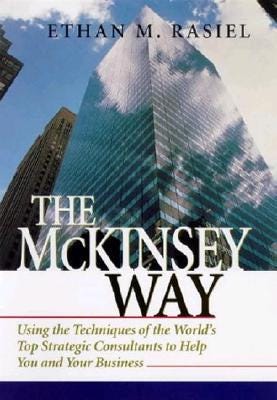
Pic: book Cover from Goodreads
The structured thinking, the MECE framework, the way consultants approach ambiguous problems with discipline and logic, that’s not going away.
If anything, understanding that foundation makes you better placed to think about where AI fits in. It gave me a better appreciation for why McKinsey works the way it does and what makes the firm’s approach distinctive.
The Disappointments
1. The Vegetarian — Han Kang
I wanted to love this more than I did. The premise drew me in, a woman who simply decides to stop eating meat, and the way this small act of refusal unravels everything around her. There’s real power in that idea.

Pic: book Cover from Goodreads
But the middle section lost me more than once, and the experience of reading it became more of a chore than a pleasure. It’s not a bad book, and I understand why it’s celebrated. It just didn’t land for me the way I hoped it would.
2. The World’s Fastest Man — Michael Kranish
Major Taylor’s story is genuinely extraordinary, a Black cyclist who became world champion in the 1890s, in an era of entrenched racism and Jim Crow, decades before Jackie Robinson or Jack Johnson. It deserves to be told.
The problem for me was the timing. The era felt too remote for me to fully connect with the developments, and the book didn’t quite bridge that gap. The story is remarkable; the reading experience was less so.
3. Fragrant Palm Leaves — Thich Nhat Hanh
An avid reader I trust recommended this one, and it’s by an author I genuinely admire. But if I’m being honest, most of it reads like trite journaling. There were moments of beauty, but they were scattered across pages that felt unremarkable.

Pic: book Cover from Goodreads
I expected more from what I was told was a profound early work. Maybe it’s one of those books that requires a particular mood or moment in life. For me, right now, it didn’t connect.
4. Notes on Being a Man — Scott Galloway
Galloway is a sharp thinker and an entertaining writer, and the subject, the crisis facing young men today, is a genuinely important one. But this book didn’t feel like it was operating at his level.
The ideas felt underdeveloped for someone with his background and platform. There were moments, but overall it lacked the kind of depth or originality I was expecting from him.
5. To Shake the Sleeping Self — Jedidiah Jenkins
This one was the biggest letdown of the month. The premise had so much potential: a man quits his job, gets on a bicycle, and rides from Oregon to Patagonia. That’s a story I want to read.

Pic: book Cover from Goodreads
But Jenkins keeps drifting away from the journey itself.
He spends a lot of time on his sexuality and on the breaks he took during the ride, and while I understand those things are part of who he is, they end up overshadowing the very adventure that made you pick up the book in the first place.
It defused all the momentum for me.
6. Shut Up and Run — Robin Arzón
As a fellow runner, I came to this one with some expectation. Arzón is accomplished and clearly passionate. But the book reads more like a running guide than a memoir, with tips, gear recommendations, and training plans.

Pic: book Cover from Goodreads
All useful, perhaps, but not what I was looking for. If you want an inspirational training companion, maybe this works. As a piece of writing, it didn’t give me much to hold on to.
7. Spheres of Silence- By Vijay Eswaran
Was a quick, easy read with a lot of quotes. But nothing that registered strongly with me.
May was a mixed bag, but that’s usually how it goes when you read in volume.
The highs were genuinely high, especially Useful Delusions and Better. And even the disappointments are worth something; they sharpen your sense of what good writing actually does.
If you missed last month’s list, you can find it here: The 8 Books I Read in April
메타데이터
- post_id
- 8994d02620fa
- slug
- the-12-books-i-read-in-may-8994d02620fa
- url
- https://baos.pub/the-12-books-i-read-in-may-8994d02620fa
- canonical_url
- https://baos.pub/the-12-books-i-read-in-may-8994d02620fa
- author_url
- https://medium.com/@hetal.sonpal
- status
- ok
- fetched_at
- 2026-06-09 15:37:30