Intubation and Acid Reflux
It was around this time last year that I was sitting by the bedside of my brother in the ICU. Those days felt like an eternity, but I…
Intubation and Acid Reflux
It was around this time last year that I was sitting by the bedside of my brother in the ICU. Those days felt like an eternity, but I couldn’t help but ponder and question the many tubes and systems that lay racked on a cart, the tubes used to keep him alive. After all, according to the NIH, 29% of ICU patients are intubated at any given moment in hospitals around the country (Wunsch et al.). The dictionary definition of Intubation is the insertion of a tube into a patient’s body, especially that of an artificial ventilation tube into the trachea (Oxford Languages). Now with the advancements in technology, critical care for patients with long-term illnesses has better and safer options when they are in critical condition.
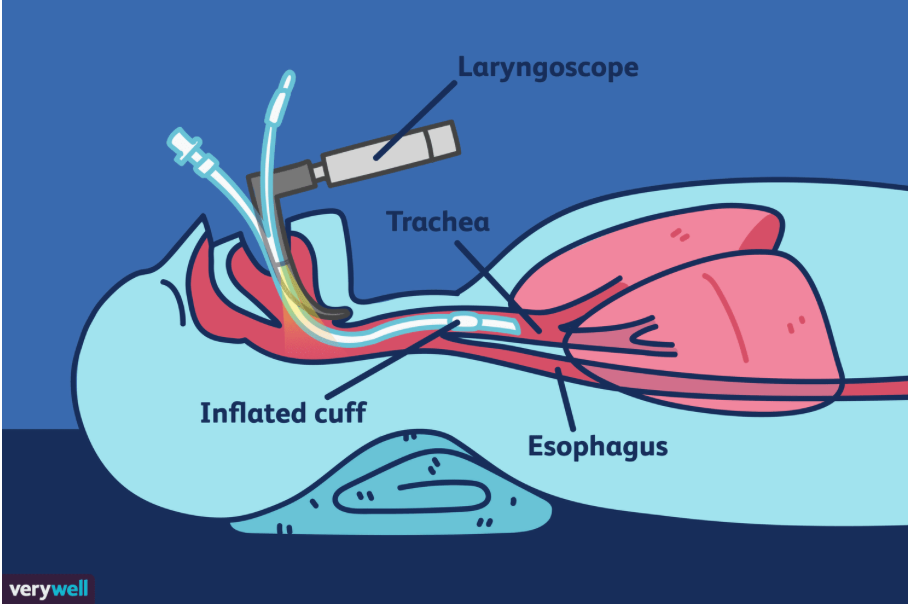
VeryWell (Illustration of Intubation)
What are the Effects of Intubation on the Human Body?
Although intubation is a life-saving measure for patients with illnesses, it doesn’t come without its risks. Often, intubated patients are fed through a feeding tube. As a result of their feeding tube and being unconscious, the valve that prevents the backflow of stomach fluids is weakened and often causes stomach acids to climb back up the esophagus and into the lungs. Although the acids our stomachs naturally produce are safe in our stomachs, they become an irritant to our esophagus and lungs. According to an ATS journal, “Microaspiration of gastric refluxate, or silent aspiration, has been proposed as a mechanism contributing to a variety of chronic lung diseases. The concern for this is largely driven by the apparent high prevalence of gastroesophageal reflux disease (GERD) in chronic respiratory disorders” (lee et al.). In summary, this quote highlights that feeding tubes, especially when partnered with intubation, can worsen the effects of acid reflux, causing stomach acids to slowly move into the lungs. This “microaspiration” can aggravate or even cause lung problems in patients. Studies show that the placement of the feeding tube matters. Acid reflux is 11.6% percent lower for patients if the tube is placed in the first part of the duodenum,13.2% lower if placed in the second/third portions, and 18.0% lower in the fourth portion of the duodenum (Metheny, Stewart, and McClave 2011).
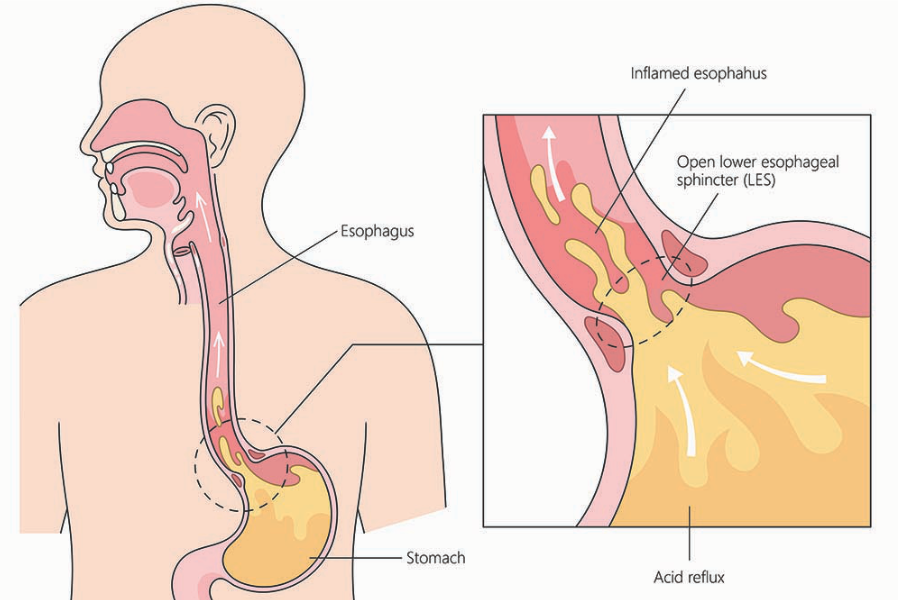
Medical University of South Carolina (Acid Reflux)
Now What?
Although this doesn’t seem like a big problem, it is for the 30% of patients who survive intubation, now having to deal with the effects of feeding tubes and acid reflux, among other strains intubation puts on the body. What if there were a way to prevent the regurgitation of acids into the esophagus and lungs? With new incoming technology, the way we understand critical care is changing, and the more research, the more breakthroughs biomedical engineers and scientists alike have.
메타데이터
- post_id
- 899c73b9de70
- slug
- intubation-and-acid-reflux-899c73b9de70
- url
- https://medium.com/@nabilfayad/intubation-and-acid-reflux-899c73b9de70
- canonical_url
- https://medium.com/@nabilfayad/intubation-and-acid-reflux-899c73b9de70
- author_url
- https://medium.com/@nabilfayad
- status
- ok
- fetched_at
- 2026-07-07 11:08:18