You need to know about Fleet Management Software
Fleet management is the process that your business uses to manage all fleet and asset information from acquisition to disposal. This…
You need to know about Fleet Management Software
Fleet management is the process that your business uses to manage all fleet and asset information from acquisition to disposal. This enables your business to reduce costs, improve efficiency, and ensure full fleet compliance.
We know that managing a pool of commercial vehicles can be the best time challenge.
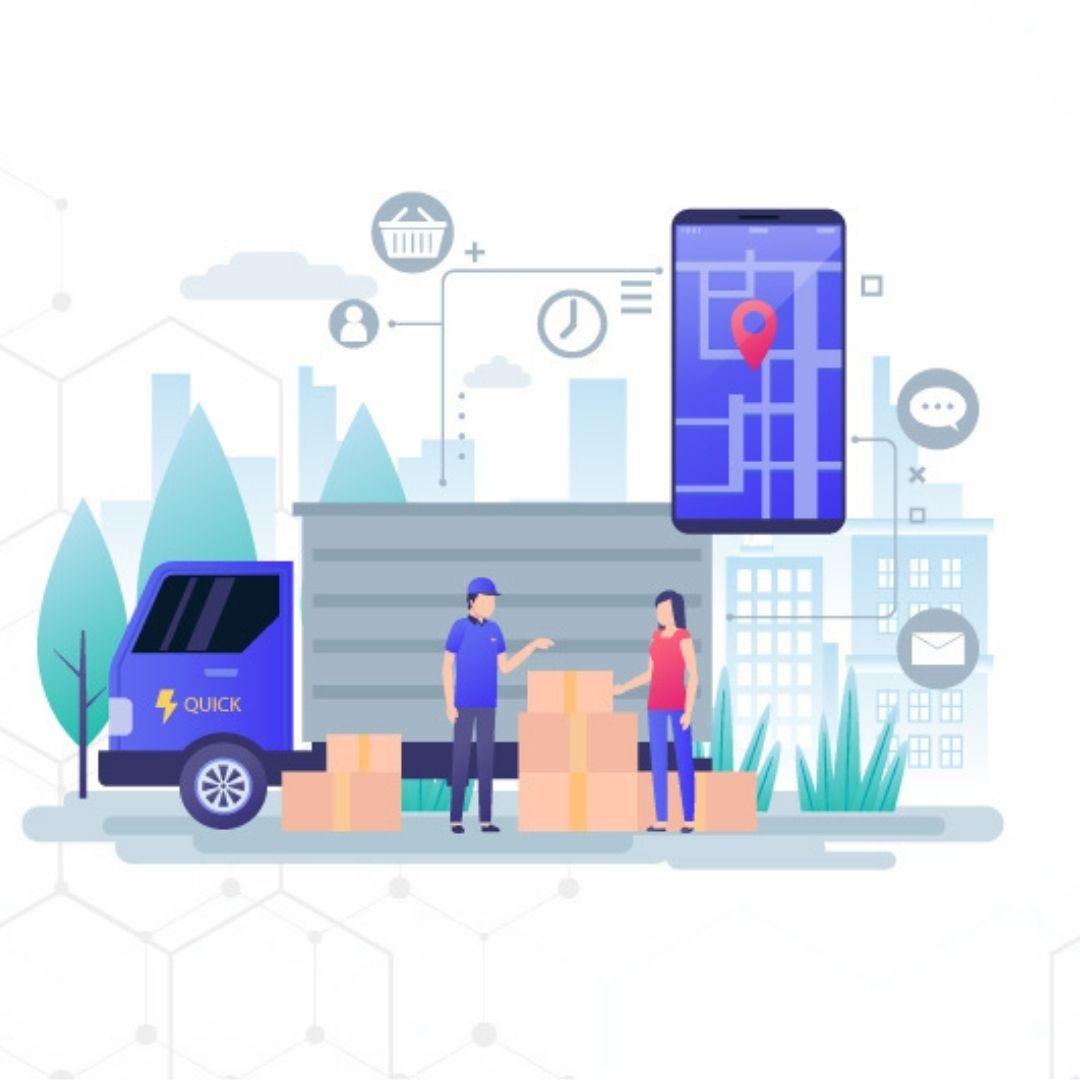
How does fleet management software work?
Fleet management software uses small telematics devices that connect to the vehicle’s onboard diagnostics port. While installation methods vary, many solutions are “plug-and-play” and do not require a mechanic. The telematics device collects vehicle data such as real-time vehicle location, distance traveled, speed, vehicle fault codes, fuel consumption, laziness, hard braking, fast acceleration, etc.
This data is then sent via the Cellular Connection to the File Line Fleet Management Dashboard — where it is organized into a set of tools and reports used to track and manage your business.
In addition, leading solutions include a mobile application to facilitate tools of driver productivity and efficiency. A telematics device sends data to a mobile device via a Bluetooth, USB, or cellular connection. The mobile solution allows fleet operators to manage fleet operations remotely.
How fleet managers can use vehicle diagnostics
Here are some examples of how fleet operators can use vehicle diagnostics to improve vehicle health and fleet performance.
Actively plan maintenance. Track a vehicle for mileage-based maintenance.
Vehicle maintenance questions. Catch vehicle maintenance issues early with automatic fault-code detection and real-time alerts.
Minimize unexpected crashes. Identify recurring problems, so you can minimize unexpected vehicle crashes.
Personalize your system. By customizing Driver Vehicle Inspection Reports (DVIRs) and mandating vehicle inspections, define yourself as appropriate and workflow as you are appropriate.
How does fleet management technology work?
At its most basic level, fleet management is based on the principle of Internet Th Things (IoT). IoT connects physical devices, including vehicles or devices, embedded in electronics, software, sensors, and actuators, allowing connected devices to collect and exchange data. These data, once analyzed, can provide an understanding of the next steps or actions. In the case of Fleet Management Technologies, the telematics device, on its vehicle or on a piece of heavy equipment, connects to the engine via its on-board diagnostics (OBD) or CN-bus port. The sensor collects data such as engine and driver hours, speed, GPS position, the time after the last maintenance service has elapsed, which can then be viewed in real-time by the software platform so that managers have full visibility of the location and conditions of the asset. Time. As more and more metrics like safety, maintenance, and fuel consumption are monitored and tracked by fleets, more data is available to them. To simplify data management, fleet management solutions providers integrate data into a central system, making it easier to digest data and track trends through analytics.
Fleet Management Software Modules
The telematics unit can be freely integrated with other hardware (electronic logging devices, driver cameras, etc.), software, and mobile applications to provide an understanding of the various business operations related to freight.
The combination of hardware and software delivers a wide range of functionality:
Routing — Helps to make logistics decisions based on the vehicle’s GPS position, duration of stops, speed, etc.
Fuel Management — Tracks fuel consumption tendencies to reduce idle time, emissions, and more.
Vehicle maintenance — streamlines the process of diagnosis and inspection, reminiscent of regular inspections.
Driver Management — Stores personal profile and hours of service to analyze productivity and behavior.
Shipment Management — Analyzes costs, quotas, licenses, and more to optimize delivery, dispatch, and cargo placement.
Safety and security features — Assist drivers with any safety issues on the road.
GPS tracking and fleet telematics
Among many other benefits, vehicles and drivers can use GPS for visual monitoring wherever they are in real-time. Tracking and use of fleet telematics are required. Prior to this technology, most fleet operations depended on the location of the driver and the relevant terms if a vehicle had reached its destination on time. With GPS, fleet operators are able to:
- Track and locate vehicles in real-time
- Minimize routes for delivery
- Reduction in operational costs
- Understand if the vehicle has been idle for too long
- Track unauthorized movement and derailment from the planned route
- Highlight the Geofence and receive alerts if the area is breached by a vehicle
- Understand driver behavior to apply safety measures
메타데이터
- post_id
- 89c70014a4e2
- slug
- you-need-to-know-about-fleet-management-software-89c70014a4e2
- url
- https://medium.com/@nemtclouddispatch/you-need-to-know-about-fleet-management-software-89c70014a4e2
- canonical_url
- https://medium.com/@nemtclouddispatch/you-need-to-know-about-fleet-management-software-89c70014a4e2
- author_url
- https://medium.com/@nemtclouddispatch
- status
- ok
- fetched_at
- 2026-07-31 10:31:14



