Why Your Arches Get Tired Faster After 40
Hitting your forties often brings subtle changes you don’t expect — slower recovery after workouts, a little more morning stiffness, and…
Why Your Arches Get Tired Faster After 40

Hitting your forties often brings subtle changes you don’t expect — slower recovery after workouts, a little more morning stiffness, and surprisingly, feet that tire faster than they used to. Even women who were always active begin noticing that their arches fatigue more quickly, become sore after routine errands, or feel achy after standing for shorter periods than before.
These shifts aren’t random. They’re tied to a predictable, science-based pattern of aging that affects the muscles, ligaments, and structural integrity within the foot. And because our feet absorb the impact of every step we take, the consequences show up earlier here than almost anywhere else in the body.
This guide breaks down why your arches fatigue more easily in midlife, how age + arch collapse become a compounding issue, and how small, strategic changes — especially in footwear — can help restore comfort, stability, and freedom of movement.
How Aging Naturally Changes Your Arches
Your arches are supported by structures that age just like the rest of your body. While the bones remain relatively stable, the soft tissues that hold everything together gradually weaken over time.
Here’s what begins happening around age forty:
1. Ligaments Lose Elasticity
The plantar fascia and surrounding stabilizing ligaments stretch slightly as you age. They don’t rebound with the same spring, which causes the arch to sit lower. When this happens, the foot absorbs less shock, forcing the muscles to work harder with every step.
2. Fat Pads Under the Heel and Arch Grow Thinner
The natural cushioning that once protected your foot from impact slowly diminishes. Without this built-in padding, pressure on the arch increases dramatically — especially during long periods of standing or walking.
3. Foot Muscles Begin to Weaken
Just like core or glute strength declines without training, the intrinsic muscles of your feet lose endurance with age. Weak muscles can’t hold the arch in its neutral position, and this accelerates fatigue.
4. Reduced Circulation Slows Tissue Recovery
Blood flow naturally decreases after midlife, which means it takes longer for stressed or strained tissues to heal. Even mild arch soreness lingers longer than it did in your twenties or thirties.
5. Hormonal Shifts Affect Soft Tissue Integrity
For many women, this is a major piece of the puzzle. Perimenopause and menopause reduce estrogen, which plays a role in tissue resilience. Lower levels mean ligaments become more lax, making arch collapse more likely.

The Hidden Problem Most Women Don’t Notice
Arch collapse doesn’t usually happen all at once. It’s a subtle, slow progression called adult-acquired flatfoot or progressive arch deterioration. And the early signs often look harmless:
- Your favorite shoes feel “different”
- You need a softer or more supportive insole
- Arches feel sore after shorter activities
- Standing barefoot on hard floors becomes uncomfortable
- You notice your feet splay wider in photos over time
These little changes are easy to ignore, but they signal that the arch is losing height and strength. When age-related tissue changes combine with years of daily foot strain, the supportive system under your foot gradually weakens.
As the arch lowers, the entire chain of motion shifts. You may see:
- Overpronation
- More pressure on the inner ankle
- Tightness in the calves
- Fatigue traveling up to the knees and hips
- Less stability during long walks
The result? Your arches burn out faster than they used to — even on light activity days.
This is where lifestyle adjustments, mobility work, and especially footwear interventions become critical.
Why Your Feet Suddenly Tired Faster After Normal Activities
Even if your overall fitness is strong, your arches can still fatigue quickly. Here are the most common reasons women over forty experience this:
1. Loss of Natural Shock Absorption
Every step sends force through the foot. When the arch collapses, the foot loses its built-in suspension system. Nothing supports the motion, so the fascia strains with every impact.
2. Hard, Flat Surfaces Take a Bigger Toll
Tile, hardwood, and concrete don’t offer any give. Younger feet compensate for this easily, but aging arches can’t buffer the shock as effectively.
3. Gait Mechanics Change Slightly With Age
Even subtle changes in how you walk add repetitive stress to the arch. A shift of just a few degrees in ankle position can double the strain on certain tissues.
4. Daily Life Demands Don’t Slow Down
Even as the foot structure weakens, you’re still:
- Standing for long periods
- Carrying groceries or boxes
- Walking quickly at work
- Navigating stairs
- Managing an active household
Your load stays the same, but your foot’s resilience decreases — so discomfort becomes more noticeable.
Where Proper Support Comes In
Most women try to push through the discomfort or switch to softer shoes, only to discover that cushioning alone doesn’t fix the issue. The problem isn’t softness — it’s the decline in structural support.
To reduce arch fatigue, footwear must provide:
✓ Dynamic Arch Stability
Keeps the arch from collapsing under pressure.
✓ Firm Midsole Support
Distributes weight evenly so the plantar fascia doesn’t overstretch.
✓ Heel Alignment
Prevents overpronation, which is a major driver of arch pain after forty.
✓ Shock Absorption Without “Mushing Out”
Soft but not unstable, so the foot stays supported step after step.
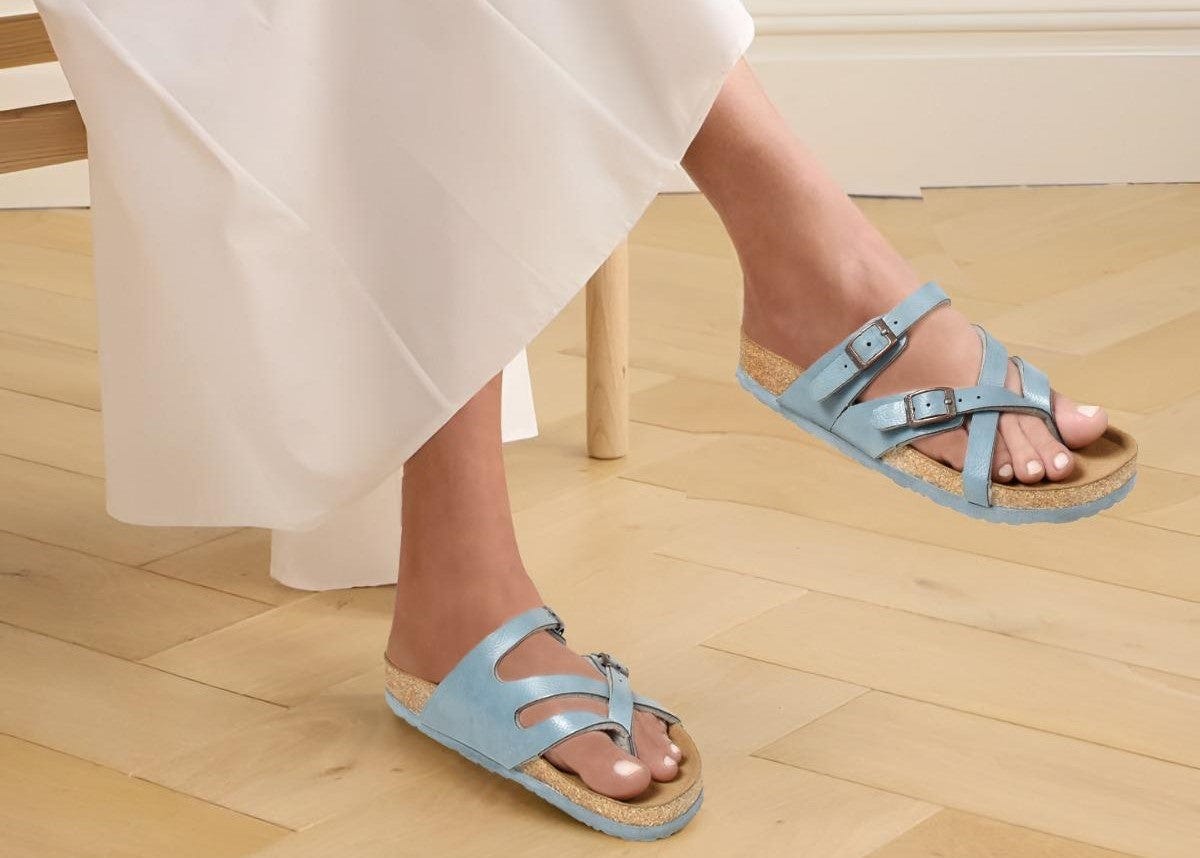
This is why many women transition to walking sandals with arch support for everyday use — especially in warm weather or for long hours on their feet. Because they stabilize the arch and protect the plantar fascia, they help reduce fatigue and maintain healthy foot alignment.
Exercises That Restore Arch Strength as You Age
You can’t stop aging, but you can restore the muscle strength and mobility that protect the arch.
1. Toe Spreading and Lifting
Strengthens intrinsic foot muscles that keep the arch lifted.
2. Calf and Achilles Stretching
Tight calves pull on the plantar fascia and flatten the arch over time.
3. Short Foot Exercise
Gently lifts the arch by activating deep foot stabilizers.
4. Ankle Mobility Work
Improves alignment so you don’t overpronate.
Doing these consistently supports long-term arch resilience and helps slow age-related collapse.
Small Lifestyle Changes That Make a Major Difference
- Avoid going barefoot on hard floors
- Replace worn-out shoes regularly
- Alternate between activity types
- Break up long-standing sessions
- Use supportive footwear indoors if needed
- Strengthen your entire lower chain (hips, glutes, calves)
These habits relieve pressure on the arch and help keep your feet more comfortable for longer.

How Proper Footwear Supports Better Long-Term Mobility
As you age, the right shoe can define how well you move ten years from now. Supportive footwear improves alignment, reduces joint stress, and protects the tissues that maintain your arch height. For deeper guidance, see Footwear Supports Better Mobility — a resource that explores how shoe design influences your stride, balance, and overall movement quality.
Final Thoughts
Getting older doesn’t guarantee painful arches or limited mobility. What does matter is how early you respond to the natural changes happening in your feet. Once you understand that arch fatigue after forty is the result of predictable anatomical shifts — not personal weakness — you can take steps to protect your mobility for decades to come.
With proper arch support, strengthening, and alignment-focused footwear, your feet can stay resilient, steady, and far more comfortable even as you move through midlife.
메타데이터
- post_id
- 89f4402d5dbb
- slug
- why-your-arches-get-tired-faster-after-40-89f4402d5dbb
- url
- https://medium.com/@aerothotic310/why-your-arches-get-tired-faster-after-40-89f4402d5dbb
- canonical_url
- https://medium.com/@aerothotic310/why-your-arches-get-tired-faster-after-40-89f4402d5dbb
- author_url
- https://medium.com/@aerothotic310
- status
- ok
- fetched_at
- 2026-06-20 20:29:01