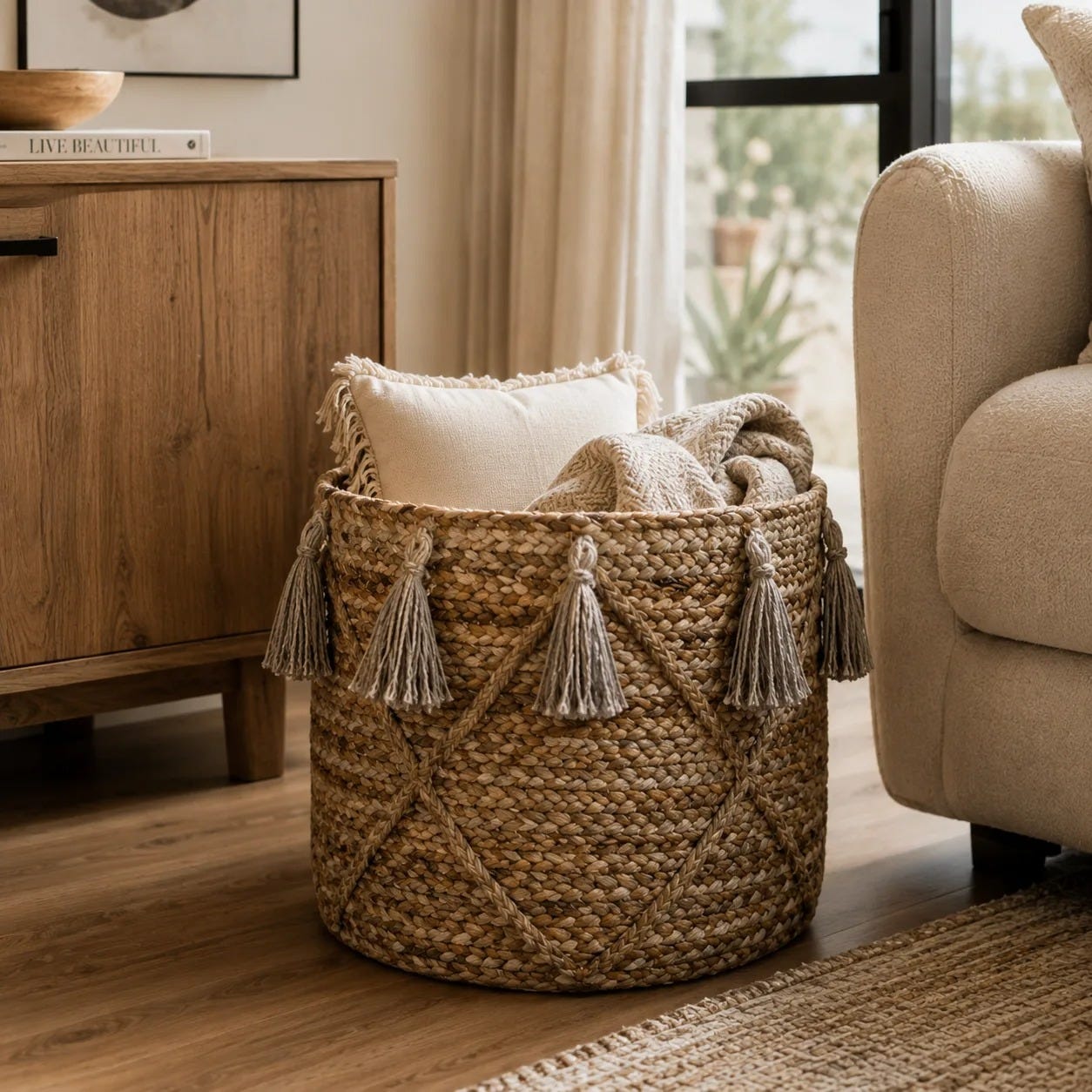
Plaids That Create a Cozy and Layered Atmosphere in Your Living Spaces
Plaids That Create a Cozy and Layered Atmosphere in Living Spaces
Plaids That Create a Cozy and Layered Atmosphere in Your Living Spaces
Discover how plaids add warmth, texture, and comfort to interiors with practical styling ideas for living rooms, bedrooms, and cozy corners.
Plaids That Create a Cozy and Layered Atmosphere in Living Spaces
Certain rooms might look completely tidy but still feel a bit cold. The furniture may be beautiful. The walls freshly painted. The lighting carefully chosen. Yet something feels unfinished.
That missing layer is often softness.
Plaids solve this problem quietly. They bring warmth, texture, and comfort into a space without requiring a full redesign. Draped across a sofa, folded at the foot of a bed, or placed beside a reading chair, plaids help rooms feel more relaxed and personal. They soften hard lines, add visual depth, and make interiors feel lived in rather than staged.
After years of working with home textiles and styling accessories, one thing becomes obvious very quickly: a well-chosen plaid can change the mood of a room faster than almost any decorative item.
What Are Plaids?
Plaids are decorative throws or blankets designed to provide warmth while enhancing interior styling. They are usually lighter and more versatile than traditional bedding blankets and are commonly used in living rooms, bedrooms, and reading corners.
Most plaids are made from materials such as:
- Cotton
- Wool
- Fleece
- Acrylic blends
- Chenille
- Knitted fabrics
The purpose of plaids goes beyond warmth alone. They bring layering, movement, texture, and a seasonal vibe to a room.
In practical terms, plaids help interiors feel balanced because they soften furniture and create visual contrast.
Why Plaids Matter in Interior Styling
Many homes struggle with a similar issue: everything matches too perfectly.
Rooms filled with smooth surfaces, neutral upholstery, and straight lines can feel flat even when expensive furniture is involved.
Plaids help break that uniformity.
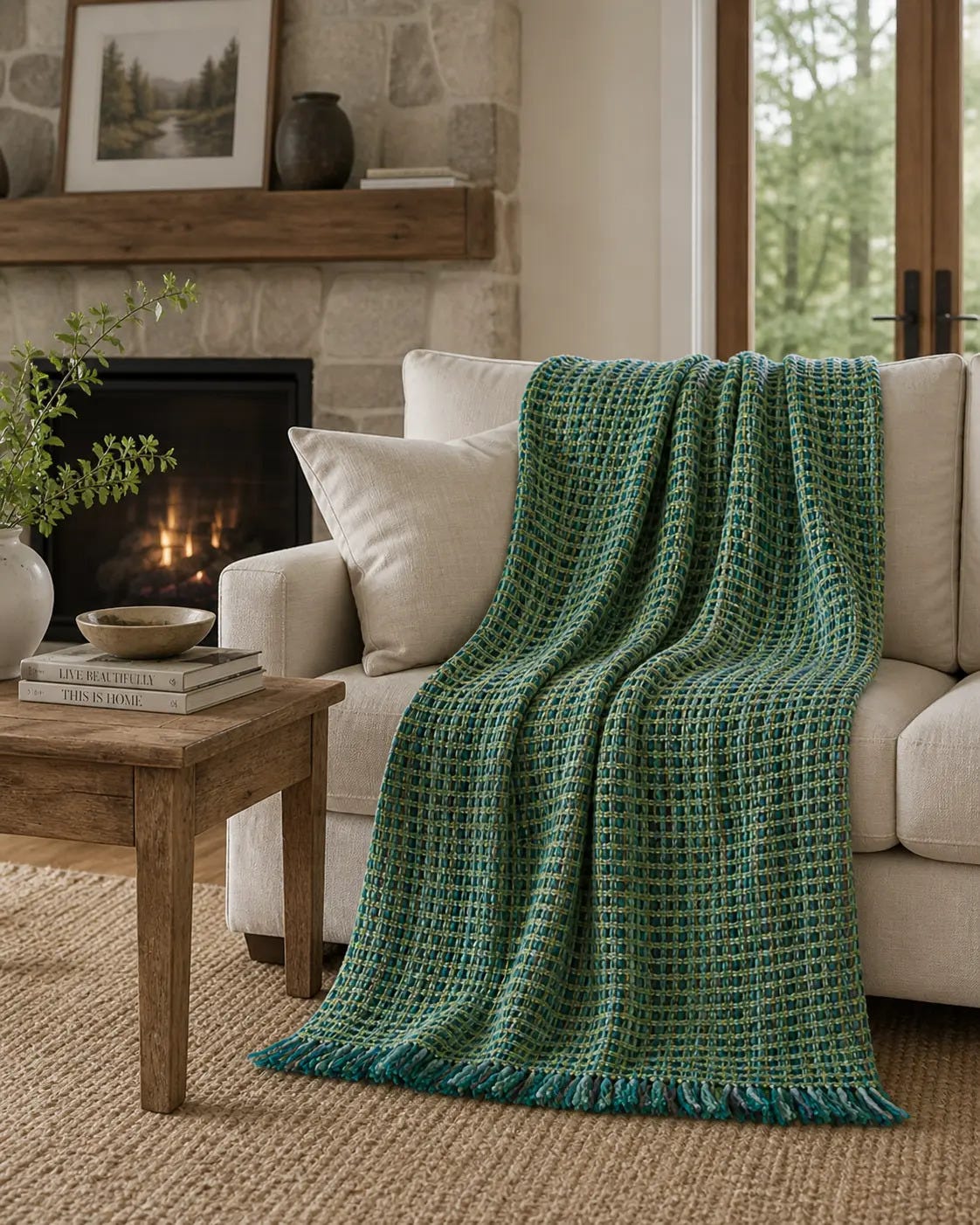
A textured plaid draped naturally over a sofa introduces softness immediately. It adds dimension without cluttering the room. This matters especially in modern interiors where minimal furniture can sometimes feel visually cold.
Plaids are also useful because they are flexible.
Unlike large furniture pieces, they can be:
- Switched seasonally
- Moved between rooms
- Layered with cushions
- Folded away easily
- Updated without major expense
That adaptability makes them one of the most practical home accessories available.
Choosing the Right Plaid Material
Different materials create very different effects in a room.
Cotton Plaids
Cotton plaids are light, allow air to flow, and are simple to take care of.
They work particularly well in:
- Scandinavian interiors
- Coastal-inspired homes
- Spring and summer styling
- Minimalist spaces
Cotton also tends to age well with regular use.
Wool Plaids
Wool creates warmth both visually and physically.
These plaids work best during colder months and pair beautifully with:
- Wooden furniture
- Earth-toned interiors
- Rustic styling
- Traditional décor
One practical consideration is maintenance. Wool typically requires more care than synthetic alternatives.
Knitted Plaids
Knitted textures add depth instantly.
Chunky knit plaids work especially well in spaces that need softness, such as:
- Reading corners
- Bedrooms
- Family rooms
Even knitted blankets in neutral shades can really change how cozy a room feels.
Fleece and Synthetic Blends
These materials are often softer and more affordable.
Benefits include:
- Lightweight warmth
- Easy washing
- Budget-friendly pricing
The downside is that lower-quality synthetic plaids may lose texture over time.
Real Home Styling Scenarios
The impact of plaids becomes much clearer when viewed in real spaces rather than styled catalogs.
Scenario 1: Softening a Minimalist Living Room
Picture a modern apartment with a cream sofa, black coffee table, and light oak flooring.
The space looks clean but slightly sterile.
Adding a warm taupe plaid casually draped over one corner of the sofa changes the atmosphere immediately. The room feels softer and more approachable without losing its modern character.
Pairing the plaid with textured cushions creates balance while keeping the design uncluttered.
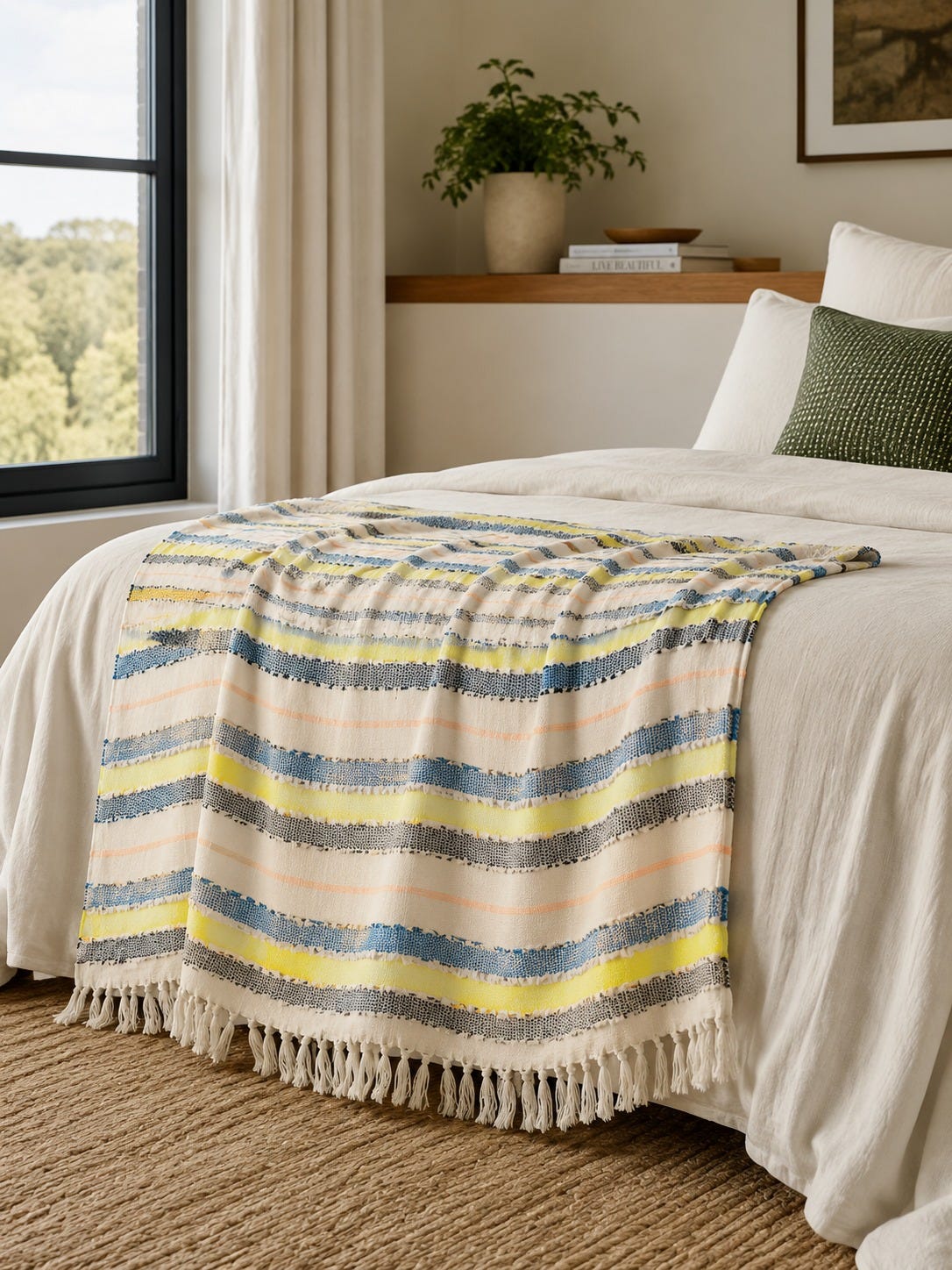
Scenario 2: Creating a Comfortable Bedroom Setup
A bedroom with plain white bedding often benefits from one additional layer.
Folding a plaid horizontally across the lower section of the bed creates visual structure while introducing warmth and texture.
During autumn, deeper shades like rust, olive, or caramel work particularly well. In spring, lighter woven plaids in sand or soft grey help the room feel airy.
This simple addition makes the bed appear more intentional and inviting.
Scenario 3: Styling a Reading Corner
A reading corner often feels incomplete until textiles are introduced.
Imagine a linen armchair beside a tall lamp and a small side table.
A knitted plaid folded over the chair arm gives the space both comfort and visual warmth. It suggests usability. People naturally want to sit there.
Without the plaid, the corner feels decorative. With it, the space feels personal.
How Plaids Help Seasonal Decorating
One reason why plaids remain fashionable each year is that they can adapt to various seasons.
They give homeowners the chance to update their interiors without having to buy new big items.
Spring Styling
Choose:
- Soft greens
- Pale beige
- Lightweight woven textures
Summer Styling
Look for:
- Breathable cotton
- Neutral shades
- Lightweight fabrics
Autumn Styling
Popular autumn choices include:
- Terracotta
- Burnt orange
- Olive green
- Chunky textures
Winter Styling
Winter interiors benefit from:
- Wool plaids
- Thick knitted designs
- Rich earthy tones
- Layered textures
Seasonal plaids help rooms feel connected to the time of year without requiring major decorating changes.
Practical Tips for Styling Plaids Naturally
The best plaid arrangements rarely look overly perfect.
Use Relaxed Draping
Allow part of the plaid to fall naturally across furniture rather than folding it too precisely.
This creates a more lived-in appearance.
Combine Different Textures
Plaids work best alongside contrasting materials such as:
- Linen cushions
- Velvet upholstery
- Wooden furniture
- Woven baskets
Texture variation creates depth.
Avoid Overcrowding
One or two thoughtfully placed plaids look better than several competing layers.
Too many textiles can overwhelm smaller spaces.
Match the Mood, Not the Exact Color
Perfect color matching often feels artificial.
Instead, focus on complementary tones and textures.
Helpful Resource for Stylish Plaids
For homeowners searching for soft textures, seasonal layering pieces, and decorative throws that work naturally in modern interiors, explore this curated collection of Plaids for Home Styling.
A well-made plaid often becomes one of the most frequently used accessories in the home because it combines comfort with practical styling value.
Common Mistakes to Avoid
Choosing Plaids That Are Too Small
A plaid should feel generous enough to drape comfortably across furniture.
Ignoring Texture
Texture often matters more than bold color.
Even neutral plaids can create strong visual impact if the material has depth.
Styling Too Rigidly
Overly symmetrical arrangements can feel staged rather than comfortable.
Using Heavy Fabrics All Year
Seasonal fabric changes help interiors feel fresher and more comfortable.
Key Takeaways
- Plaids add warmth, texture, and visual layering to interiors.
- Different materials suit different seasons and decorating styles.
- Plaids help modern rooms feel softer and more inviting.
- Seasonal plaid changes offer an affordable room refresh.
- Relaxed styling usually looks more natural than rigid arrangements.
- Texture often influences room atmosphere more than color alone.
- Plaids work especially well in living rooms, bedrooms, and reading corners.
Frequently Asked Questions
What are plaids used for in home décor?
Plaids are used to add warmth, comfort, texture, and visual layering to living spaces.
What is the difference between a plaid and a blanket?
Plaids are typically smaller, lighter, and more decorative than traditional bedding blankets.
Which material is best for plaids?
Cotton works well year-round, while wool and chunky knits are ideal for colder seasons.
How do you style plaids on a sofa?
A relaxed drape over one corner or arm of the sofa usually creates the most natural appearance.
Are plaids suitable for minimalist interiors?
Yes. Neutral-toned plaids soften minimalist spaces without adding visual clutter.
Can plaids be used in bedrooms?
Absolutely. Plaids folded across the foot of a bed add warmth and depth to bedroom styling.
How many plaids should you use in one room?
Most rooms benefit from one or two plaids depending on furniture size and layout.
Plaids, Decorative plaids, throw, Throw blankets, Knitted throws
메타데이터
- post_id
- 89fcc152cfde
- slug
- plaids-that-create-a-cozy-and-layered-atmosphere-in-your-living-spaces-89fcc152cfde
- url
- https://medium.com/@wisdomworld78/plaids-that-create-a-cozy-and-layered-atmosphere-in-your-living-spaces-89fcc152cfde
- canonical_url
- https://medium.com/@wisdomworld78/plaids-that-create-a-cozy-and-layered-atmosphere-in-your-living-spaces-89fcc152cfde
- author_url
- https://medium.com/@wisdomworld78
- status
- ok
- fetched_at
- 2026-06-28 10:39:35