How Ali Maow Maalin Inspired Youth to Harness Digital Tools in Combating Malaria and NTDs.
We, as youth, must now be the change that we seek. If you don’t stand for something, you’ll fall for anything.[1]
How Ali Maow Maalin Inspired Youth to Harness Digital Tools in Combating Malaria and NTDs.
We, as youth, must now be the change that we seek. If you don’t stand for something, you’ll fall for anything.[1]

Credit: Global Polio Eradication Initiaive.
The story of Ali Maow Maalin, the last man to contract naturally occurring smallpox, continues to inspire me whenever I think about the global fight against Malaria and other Neglected Tropical Diseases (NTDs).
Born in a Somali village in 1954, Ali was just 23 when he caught the smallpox virus[2]. The illness marked a turning point in his life, as it opened his eyes to the terminal threat the disease posed to him and his community.
This experience left a deep impact on Ali that, upon his recovery, he dedicated the remainder of his life to promoting routine vaccinations and eradicating poliomyelitis in his community. He began his journey as a district polio officer with the World Health Organization (WHO) and quickly became a passionate advocate for immunization in communities across Somalia. Ali championed his crusade to make a difference through the WHO Global Polio Eradication Initiative. He worked with the Initiative up until his death in July 2013.
To this day, Ali’s story is a testament to the power of selflessness, dedication, and service. It is also a constant reminder of the impact we can make when we unite and work together to achieve a disease-free world. The global fight against Malaria and NTDs has been ongoing for decades, with significant progress made in reducing mortality rates and increasing access to treatment.
However, despite all the efforts being made, Africa continues to bear a significant share of the global malaria and NTDs burden. According to the WHO’s 2023 Malaria report[3], Africa accounted for 94% of all malaria cases and 95% of deaths, with Nigeria accounting for 26.8% of these deaths. The report further showed that children under the age of 5 accounted for about 78% of all malaria deaths in Africa.
As a whole, NTDs affect over 1.5 billion people globally, with Africa accounting for approximately 40% of these cases[4]. According to the WHO, NTDs are diseases caused by parasitic worms, viruses, and bacterial infections. Based on the WHO’s recent reports, at least one NTD is endemic in every African country, and 79% of African countries are plagued with at least five NTDs. In the face of these staggering numbers, it becomes crucial that efforts be intensified in combating these diseases.
This essay explores impactful ways digital technologies can enhance community engagement in the fight against Malaria and NTDs. It further discusses successful youth-led digital initiatives that have made a meaningful impact in disease control efforts.
2.0 The Role of Youth-led Digital Innovations in Enhancing Community Engagement
In recent years, there has been a growing recognition of the importance of youth-led community engagements in effective disease surveillance and control. According to the WHO’s report, youth-led community engagements are not only crucial for building a collaborative culture among community members but also important in promoting a communal sense of ownership.
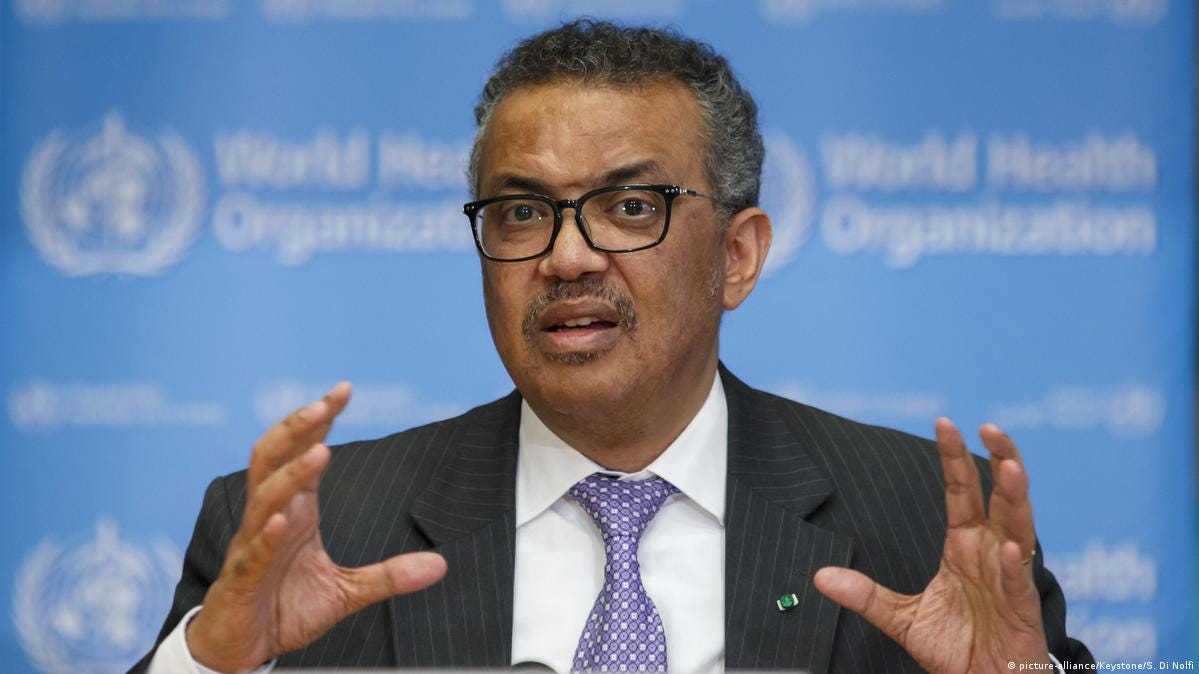
Credit: Deutsche Welle (DW).
During the 2022 Kigali Summit on Malaria and Neglected Tropical Diseases, Tedros Adhanom Ghebreyesus, Director-General of the World Health Organization, reiterated in his keynote speech that the African youth should be fully involved in the conversation as they play a crucial role to play in tackling Malaria and NTDs in Africa[5]. He remarked that as various governments and charitable institutions pledge their financial commitments to ending Malaria and NTDs in Africa, the youth must also take on the personal responsibility of championing the cause by raising awareness and fostering community engagement.
In today’s digital age, where we currently witness remarkable advancements in innovative digital technologies, the potential for the youth to amplify their voices, mobilize resources, enhance community engagement, and raise awareness about Malaria and NTDs has never been greater. With the mass adoption of these technologies, the potential for us, the youth, to make meaningful contributions in the fight against Malaria and NTDs is endless. Our only limit will be the boundaries of their imagination and our level of commitment to creating lasting change.

Credit: UNDP.
3.0 Practical Recommendations to Enhance Community Engagement Through Youth-led Digital Innovations.
In proffering innovative solutions, we must heed the profound words of Tony Robbins: “Identify your problems but give your power and energy to solutions.” This section highlights practical digital strategies to enhance youth-led community engagement:
3.1 Leveraging Social Media to Amplify Community Awareness and Engagement
Social media is a powerful tool with huge capabilities and potential to amplify awareness campaigns, mobilize public support, and drive community engagement at all levels. With the widespread adoption of social media, the youth can use platforms like Facebook, Instagram, Twitter, and TikTok to disseminate facts, infographics, online resources, and videos about Malaria and NTDs. They can host online events (webinars, X spaces, virtual hangouts) to raise awareness about Malaria and other NTDs, thereby amplifying the reach of the campaign. Social media campaigns like #AccelerateTheFight and #ZeroMalariaStartswithMe, launched by the RBM Partnership to End Malaria, showcase the power of these platforms. They demonstrate how hashtags, influencers, and storytelling can generate a global surge in awareness, community support, and engagement.
3.2 Empowering Youth Volunteers through Digital Community-Based Workshops and Training
Community-based training significantly transforms the status quo of community engagement. Through adequate research and training programs, primary health workers and youth volunteers can gain comprehensive knowledge about malaria and NTD prevention as well as effective communication techniques. Involving community members in designing and executing these workshops will foster a sense of ownership and personal responsibility. It will also help tailor training to include cultural sensitivity, thereby enhancing their effectiveness in rural areas. The Village Health Worker (VHW) program in Uganda exemplifies how community-based training can support interpersonal counseling and address cultural beliefs about immunization. VHW programs, endorsed by the WHO and the UN, have been effective in improving health outcomes in various countries and domains, especially in resource-strained areas.
3.3 Building Community Support by Collaborating with Local Leaders and Authorities
Partnering with local leaders, religious heads, and authorities on digital campaigns is another effective strategy for gaining endorsement, support, and engagement for malaria and NTD initiatives. These respected figures who act as community custodians can significantly bolster the credibility of youth-led community initiatives. Their influence will help secure community-wide support and encourage their active participation. It will also aid in addressing any cultural and or religious misconceptions they might have about vaccinations.
3.4 Spreading Awareness and Engagement through Digital Advocacy and Youth-led Activism.
We live in a digital age where youth activists worldwide are challenging the status quo. A simple YouTube video, Twitter thread, or viral TikTok has the potential to raise massive awareness about a societal issue or a perceived injustice, which can trigger global support or advocacy for such a cause. The 2020 #EndSARS campaign exemplifies the power of digital advocacy. Through virtual community engagements, the campaign gained global prominence and continued to gain momentum long after the protests ended. Youths can similarly impact the malaria and NTDs conversation by sharing their experiences, spreading awareness, and encouraging participation within their communities. By partnering with advocacy groups, youth can lead policy advocacy and influence governments to prioritize health policies, support underserved communities, and increase funding for malaria, NTDs, and the health sector overall.
3.5 Involving Youth in the Development of mHealth Platforms.
The youth, as creative innovators, can leverage their tech savviness and expertise to develop mobile health (mHealth) solutions. These digital solution platforms can provide real-time information alerts on recent cases of disease outbreaks and enable quick response protocols. It can also remind patients and support them in adhering to treatment regimens, thereby improving their health outcomes. By creating mHealth apps that provide accurate health information and connect patients with healthcare providers, youth can ensure these solutions enhance the prevention and response to malaria and NTD outbreaks, effectively reaching underserved communities and boosting local engagement.
Conclusion
The fight against malaria and NTDs is one that demands the innovative and dynamic vibrancy of the youth in harnessing digital technology to create community engagement. By leveraging the aforementioned practical innovative digital strategies, we can create a unified stand against these devastating diseases.
In today’s digital day and age, the potential to make an impact is immense. Digital technology has given us the tools, knowledge, and drive to make a real difference. Just as Ali Maow Maalin’s story continues to be a source of inspiration, let’s seize the opportunity of digital technology to innovate, unite, and work together to eradicate malaria and NTDs. The future is in our hands. It’s time to act. Let us all act now!
— — — — — — — — — — — — — — — — — — — — — —
This health awareness essay was written in commemoration of World Malaria Day 2024 and World NTDs Day 2024. The think piece emerged as the overall winner of the Nigeria Malaria and NTDs Youth Corps essay competition 2024.
— — — — — — — — — — — — — — — — — — — — — —
References
[1] D’Angelo McDade, March for Our Lives 2018.
[2] Polio Eradication, 2018. Remembering Ali Maalin.
[3] WHO, World Malaria Report 2023.
[4] WHO, Neglected Tropical Diseases can be eliminated in our lifetime.
[5] WHO, 2022. Director-General’s remarks at the High-level session of the Kigali Summit on Malaria-and-NTDs. https://www.who.int/director-general/speeches/detail/director-general-s-remarks-at-the-high-level-session-of-the-kigali-summit-on-malaria-and-ntds/
메타데이터
- post_id
- 8a071138646a
- slug
- how-ali-maow-maalin-inspired-youth-to-harness-digital-tools-in-combating-malaria-and-ntds-8a071138646a
- url
- https://medium.com/@adekunlewrites/how-ali-maow-maalin-inspired-youth-to-harness-digital-tools-in-combating-malaria-and-ntds-8a071138646a
- canonical_url
- https://medium.com/@adekunlewrites/how-ali-maow-maalin-inspired-youth-to-harness-digital-tools-in-combating-malaria-and-ntds-8a071138646a
- author_url
- https://medium.com/@adekunlewrites
- status
- ok
- fetched_at
- 2026-07-08 18:29:56
