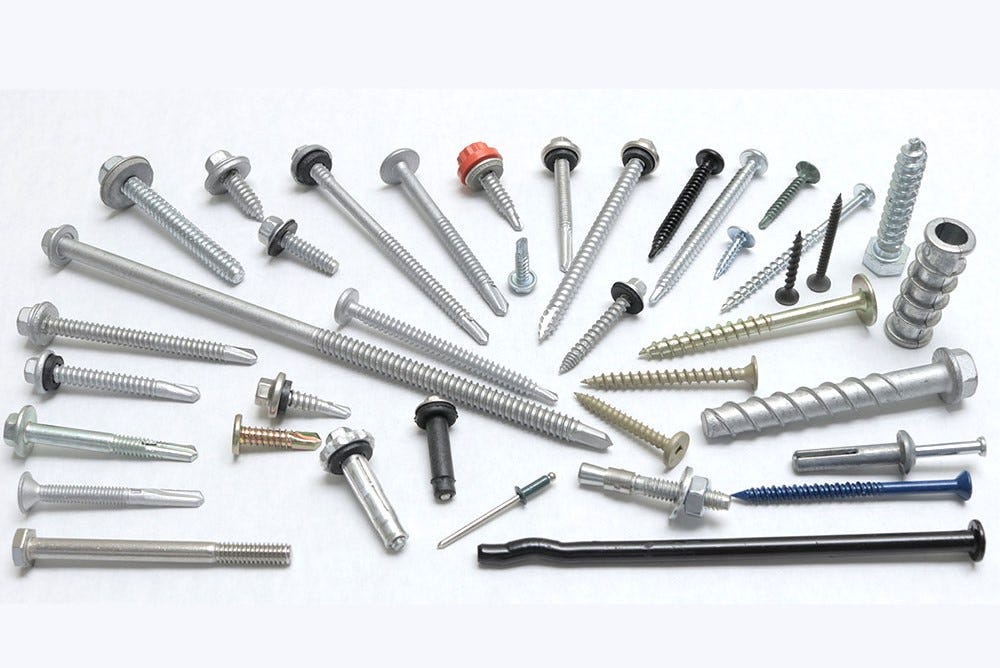
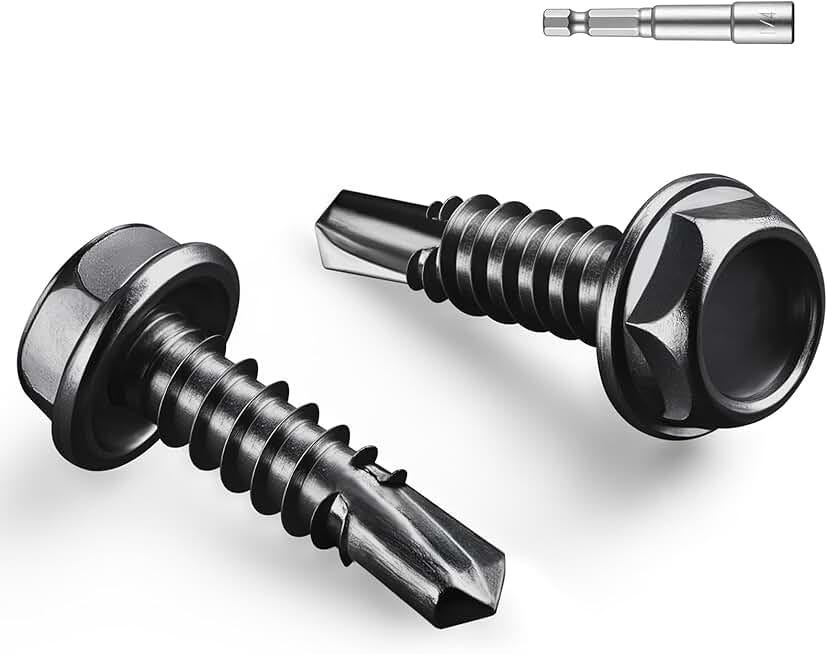
Sheet Metal Screws: The Complete Guide to Grades, Coatings, and Corrosion Resistance
Walk into any fastener supply house and ask for sheet metal screws—you'll get a question right back: “What grade? What coating? What…
Sheet Metal Screws: The Complete Guide to Grades, Coatings, and Corrosion Resistance
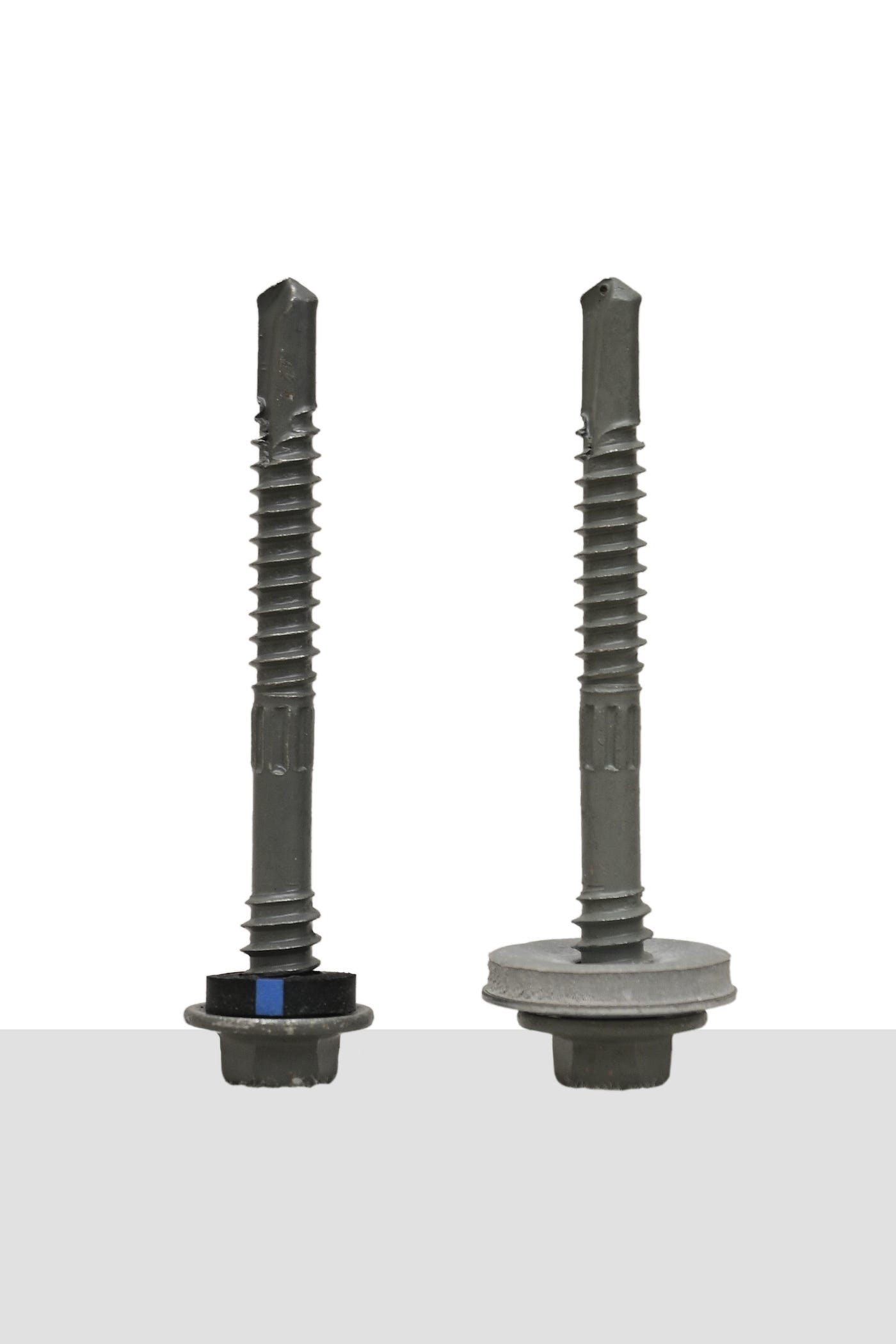
Walk into any fastener supply house and ask for sheet metal screws—you'll get a question right back: “What grade? What coating? What environment?” If those questions catch you off guard, you’re not alone. Most contractors and fabricators know what they need for the job in front of them, but the full picture of grades, coatings, and corrosion resistance is something that takes years of field experience to fully piece together.
This guide puts it all in one place.
What Makes a Sheet Metal Screw Different
Before getting into grades and coatings, let’s talk about what really sets sheet metal screws apart from the others. Unlike wood screws, sheet metal screws are fully threaded all the way from tip to head. That continuous thread is what allows them to bite into thin metal and hold with serious clamping force, even without a nut on the other side.
They’re self-tapping — the threads cut into the base material as you drive the screw — so no pre-tapping is required for most gauges. That’s what makes them fast to install and incredibly practical on production lines, sheet metal shops, HVAC work, and light structural framing.
The tradeoff? They demand the right match of thread design, hardness, and the material you’re threading into. Get that wrong and you either strip your hole or crack your base metal.
Sheet Metal Screw Grades: What the Numbers Actually Mean
Grade tells you about the base material and mechanical properties of the fastener. For sheet metal screws, the most common options in practice are:
Low Carbon Steel (Case-Hardened) Your everyday workhorse. The outer surface is hardened through a heat treatment process, giving the threads enough toughness to cut through a steel sheet. The core stays softer, which prevents brittle fracture when driven. Fine for interior, dry applications — but it rusts if you look at it wrong in a wet environment.
Medium Carbon Steel Higher tensile strength than low carbon. Used in structural and heavy-gauge applications where the screw is carrying real shear or tension loads. Still needs a coating for any exterior or humid environment.
Stainless Steel — Grade 304
The go-to for outside and lightly corrosive environments. 304 stainless resists atmospheric oxidation and is good for most general exterior applications. One important note: 304 isn’t a great choice near saltwater or in chloride-rich environments. It will pay over time.
Stainless Steel — Grade 316
The upgrade from 304. The extra molybdenum content is what makes 316 genuinely resistant to chloride attack. If you’re near a coastline, working in a food processing facility, or installing in a chemical plant environment, 316 is the right call—and the cost difference over a full job is rarely significant enough to justify skimping.
Hardened Alloy Steel
Used for heavy-duty self-drilling applications. The drill point has to be harder than the steel it’s cutting through, which requires an alloy steel construction that regular low carbon can’t match
Coatings: The Real Line of Defense Against Corrosion
Here’s what most people don’t fully appreciate: in many environments, the coating does more protective work than the base metal. A properly coated carbon steel screw can outlast a poorly specified stainless fastener in certain conditions. Coating selection is genuinely important.
Zinc Electroplating: The most common and most misunderstood coating. Electroplated zinc is thin—typically 0.0002” to 0.0003”—and it provides only basic corrosion protection. It’s appropriate for dry interior applications. Using electroplated screws outdoors and expecting performance is a recipe for rust staining and eventual fastener failure.
Mechanical Zinc (Mechanically Galvanized): Applied by tumbling the fasteners with zinc powder and glass beads, this produces a thicker, more uniform zinc layer than electroplating. Better for exterior and moderate exposure conditions. Common in residential roofing and light commercial applications.
Hot-Dip Galvanizing The king of the zinc-based hill. Fasteners get immersed in molten zinc, creating a coating that dwarfs electroplate. Great for exposed outdoor structural applications. One watch-out: HDG hardware isn’t compatible with ACQ-treated lumber without a corrosion-resistant coating—and in metal-to-metal applications, pairing HDG screws with cold-rolled sheet steel can actually accelerate corrosion in some cases due to coating thickness differences.
Geomet & Dacromet Coatings These inorganic zinc flake coatings are becoming more common on high-performance fasteners. They provide exceptional salt-spray resistance (often 1,000+ hours in salt spray testing), great adhesion, and thin-film application that doesn’t affect thread tolerances. Look for these on premium deck screws and structural fasteners used in industrial and coastal projects.
Ceramic & Epoxy Coatings Specialized coatings for aggressive chemical environments. If you’re fastening into ACQ-treated lumber or in a chemical processing environment, ceramic-coated screws eliminate the galvanic interaction that tears standard zinc coatings down surprisingly fast
Corrosion Resistance: Matching Environment to Fastener
The #1 most common fastener failure mode in sheet metal work isn’t the wrong size or wrong thread—it's the wrong corrosion protection for the environment. Here’s a quick cheat sheet for matching the two:
Dry interior, climate-controlled: Case-hardened low carbon, electroplated zinc General exterior, moderate weather: Mechanically galvanized or hot-dip galvanized carbon steel Coastal or high humidity exposure: 316 stainless or Geomet-coated alloy steel Chemical or industrial environments: 316 stainless or ceramic coated specialty fasteners High-temperature applications: Alloy steel with appropriate heat-resistant coating; stainless in some cases
Choosing the Right sheet metal screws: A Practical Checklist
Before you spec or purchase, run through these 5 questions:
- What’s the gauge and material of the base metal?
- What’s the expected service environment — interior, exterior, coastal, or chemical?
- Are there code or specification requirements (FM approvals, ICC listings, project spec sections)?
- Is this a structural connection carrying calculated loads or a secondary attachment?
- Will the fastener be in contact with a dissimilar metal?
Five questions. That’s the whole framework.
Frequently Asked Questions
What’s the difference between Type A & Type B sheet metal screws? Type A screws have coarser threads and are intended for lighter gauge sheet metal/softer material. Type B screws have finer threads and are better suited to heavy-gauge steel/harder substrates. Type B is more common in today’s applications, as they offer better thread engagement and less risk of stripping.
Can I use stainless sheet metal screws on galvanized steel? Yes, in most cases. Stainless steel and zinc-coated steel are fairly close on the galvanic series, so significant galvanic corrosion isn’t an issue. However, if immersion or high conductivity, then I would recommend reviewing compatibility.
How do I know if my screws need a salt spray rating? If your project is within 5 miles of a coastline, exposed to industrial fumes, or treated lumber contact, ask your fastener supplier what their product’s salt spray test hours are. Less than 500 hrs SS is a short-term solution in those environments.
Do sheet metal screws work in aluminum? Yes, but use stainless steel (not zinc-coated carbon steel) to avoid galvanic corrosion at the contact point.
What head style is best for structural sheet metal connections? A hex washer head is standard (distribution of load on washer face; can be properly torqued down with a hex driver). A pan head is preferred if you want to minimize load and care about install profile.
메타데이터
- post_id
- 8a1a26bebc15
- slug
- sheet-metal-screws-the-complete-guide-to-grades-coatings-and-corrosion-resistance-8a1a26bebc15
- url
- https://medium.com/@connect_20328/sheet-metal-screws-the-complete-guide-to-grades-coatings-and-corrosion-resistance-8a1a26bebc15
- canonical_url
- https://medium.com/@connect_20328/sheet-metal-screws-the-complete-guide-to-grades-coatings-and-corrosion-resistance-8a1a26bebc15
- author_url
- https://medium.com/@connect_20328
- status
- ok
- fetched_at
- 2026-06-27 07:40:21