Mount Nun Expedition: Complete Beginner’s Guide
Introduction to the Mount Nun Expedition
Mount Nun Expedition: Complete Beginner’s Guide
Mount Nun Expedition
Introduction to the Mount Nun Expedition
The Indian Himalayas boast some of the most spectacular peaks in the world, and among these majestic Indian mountains, Mount Nun holds a special place. Standing at an elevation of 7,135 meters (23,409 feet), Mount Nun is the highest peak in the Zanskar Range and one of India’s premier mountaineering objectives. For climbers aspiring to cross the 7,000-meter mark, the Mount Nun Expedition offers an ideal combination of altitude, adventure, and Himalayan grandeur.
Unlike technical alpine climbs that demand years of experience, Mount Nun provides a relatively approachable route for mountaineers who have previously climbed high-altitude trekking peaks. Its impressive height and breathtaking setting make it one of the most rewarding expeditions in the Indian Himalayas.
Where Is Mount Nun Located?
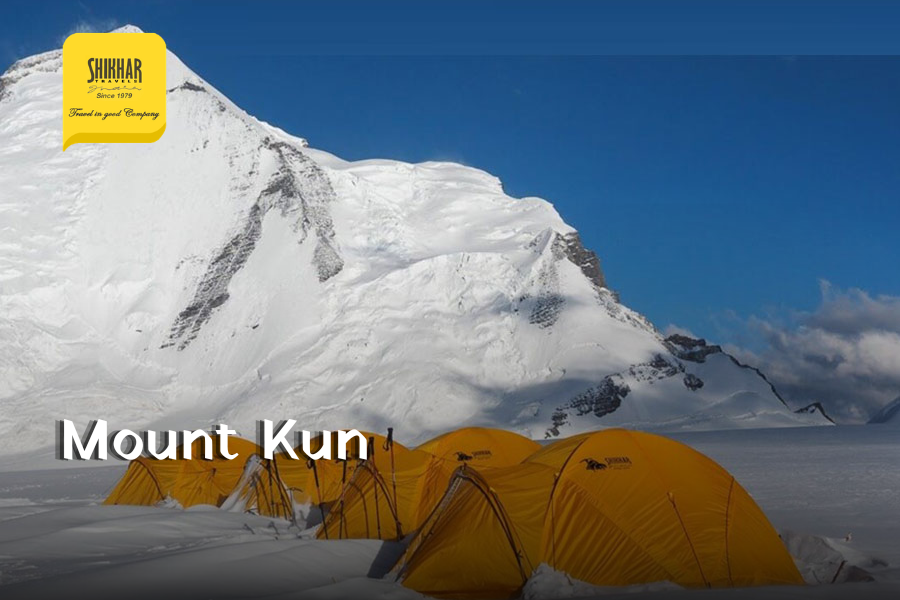
Mount Nun is situated in the Suru Valley of Ladakh and forms part of the famous Mount Nun-Kun massif. Alongside Mount Kun, the mountain dominates the skyline and creates one of the most iconic landscapes in the region. The expedition usually begins from Leh or Kargil before reaching Tangol village, which serves as the starting point for the climb.
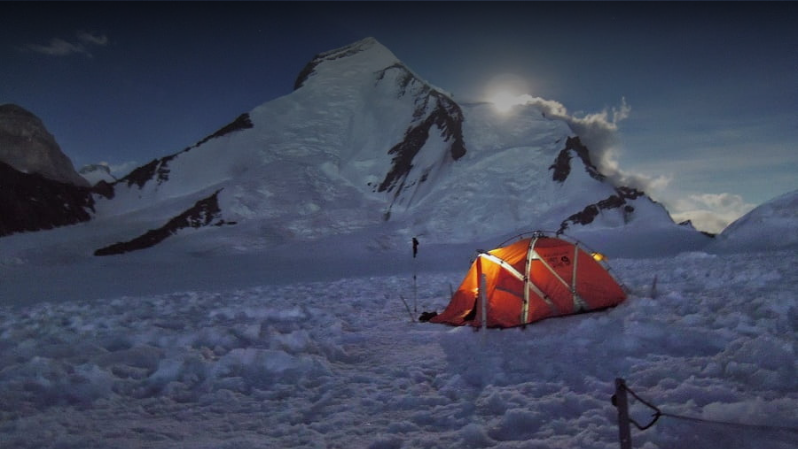
The mountain is surrounded by glaciers, vast snowfields, and rugged Himalayan terrain. Its remote location adds to the overall adventure and provides climbers with an authentic expedition experience unlike ordinary trekking journeys.
Why Is Mount Nun Popular Among Mountaineers?
Among all Indian mountains above 7,000 meters, Mount Nun is often regarded as one of the most achievable. It serves as a natural progression for climbers who have successfully completed expeditions to Kang Yatse II, Mentok Kangri II, Friendship Peak, or other advanced trekking peaks.
A Mount Nun Expedition offers the prestige of summiting a 7,000-meter peak without requiring extremely technical climbing skills. For many mountaineers, it represents the transition from trekking to true expedition-style climbing. The combination of stunning Himalayan scenery, glacier travel, and high-altitude challenges attracts climbers from India and around the world.
How Difficult Is the Mount Nun Expedition?
Although Mount Nun is considered one of the easier 7,000-meter peaks globally, it should never be underestimated. The biggest challenge is the altitude. At over 7,000 meters, oxygen levels are significantly lower, making even simple tasks physically demanding. Climbers need exceptional endurance and mental resilience to cope with the conditions.
The route itself includes glacier crossings, snow slopes, and sections where fixed ropes may be used. While advanced technical climbing is not required, familiarity with crampons, ice axes, and rope techniques is highly beneficial. Previous experience on peaks like Kang Yatse II or Mentok Kangri II greatly improves the chances of success.
Understanding the Route and Expedition Duration
A typical Mount Nun Expedition lasts between eighteen and twenty-two days. After reaching Base Camp at around 4,500 meters, climbers follow a gradual acclimatization schedule that includes load ferries and rotations to higher camps. Camp I and Camp II serve as intermediate stages before the summit push.
Summit day is usually the most demanding part of the expedition. Climbers begin their ascent shortly after midnight and spend ten to fourteen hours climbing steep snow slopes and glaciated terrain before finally reaching the summit. The reward is a spectacular panorama of the Zanskar and Himalayan ranges stretching endlessly into the distance.
Physical Fitness Required for Mount Nun
Physical preparation is one of the most important aspects of a successful Mount Nun Expedition. Climbers should ideally begin training four to six months before departure. Long-distance running, cycling, swimming, and hiking help build cardiovascular endurance, which is essential at high altitude.
Strength training is equally important. Exercises such as squats, lunges, step-ups, and core workouts improve stability and endurance during long summit days. Carrying a loaded backpack during practice hikes also helps simulate the demands of expedition life. Mount Nun rewards those who prepare diligently and punishes those who underestimate the physical challenge.
The Importance of Acclimatization
Altitude sickness remains one of the biggest threats during any high-altitude expedition. Proper acclimatization is therefore crucial for summit success. Most expeditions follow the principle of “climb high and sleep low,” allowing the body to gradually adapt to reduced oxygen levels.
Hydration, adequate nutrition, and proper rest play an equally important role in acclimatization. Climbers who rush the process often experience Acute Mountain Sickness, which can force them to abandon their summit attempt. Patience is one of the greatest virtues on Mount Nun.
Best Time to Climb Mount Nun
The best season for a Mount Nun Expedition is from July to August. During these months, weather conditions are generally stable, and snow conditions are favorable. Longer daylight hours and relatively warmer temperatures increase the chances of a successful summit.
Despite being the ideal season, Himalayan weather remains unpredictable. Sudden snowfall and strong winds can delay summit attempts. Flexibility and a willingness to adapt to changing conditions are essential for anyone attempting high-altitude climbs in the Indian Himalayas.
Essential Gear for the Expedition
A Mount Nun Expedition requires specialized mountaineering equipment. Double-insulated boots, crampons, harnesses, helmets, and ice axes are among the essential items needed for the climb. Layered clothing systems and high-quality down jackets provide protection against freezing temperatures.
A good sleeping bag rated for extreme conditions is equally important. Reliable equipment not only enhances comfort but also contributes significantly to safety during the expedition. Investing in proper gear should always be considered a priority rather than an expense.
Why Mount Nun Is One of the Best Indian Mountains
Among the numerous Indian mountains available to climbers, Mount Nun stands out because of its unique combination of altitude, beauty, and mountaineering significance. Reaching the summit of a 7,135-meter peak is a remarkable achievement that opens the door to even bigger international objectives such as Lenin Peak, Aconcagua, and eventually the world’s highest mountains.
For many climbers, the Mount Nun Expedition is much more than a physical challenge. It is a journey of perseverance, self-discovery, and adventure. Standing on the summit after weeks of effort provides a sense of accomplishment that few experiences can match.
Final Thoughts
The Mount Nun Expedition remains one of the finest high-altitude adventures in the Indian Himalayas. Its stunning landscapes, expedition atmosphere, and prestigious 7,000-meter summit make it one of the most desirable Indian mountains for aspiring mountaineers. With proper preparation, acclimatization, and determination, climbers can transform the dream of standing atop Mount Nun into a reality and take a significant step forward in their mountaineering journey.
메타데이터
- post_id
- 8a1f8a7eca52
- slug
- mount-nun-expedition-complete-beginners-guide-8a1f8a7eca52
- url
- https://medium.com/@shikhar_travels/mount-nun-expedition-complete-beginners-guide-8a1f8a7eca52
- canonical_url
- https://medium.com/@shikhar_travels/mount-nun-expedition-complete-beginners-guide-8a1f8a7eca52
- author_url
- https://medium.com/@shikhar_travels
- status
- ok
- fetched_at
- 2026-06-21 12:17:11