Klarna’s Google Pay Button Turns Checkout Speed Into Credit Risk
The May 2026 rollout into Gemini, Search, and AI Mode shows why fintech leaders should preserve pauses that protect repayment confidence.
Repayment Confidence
Klarna’s Google Pay Button Turns Checkout Speed Into Credit Risk
The May 2026 rollout into Gemini, Search, and AI Mode shows why fintech leaders should preserve pauses that protect repayment confidence.
Share free access to this member-only story with a friend: Read it free here.
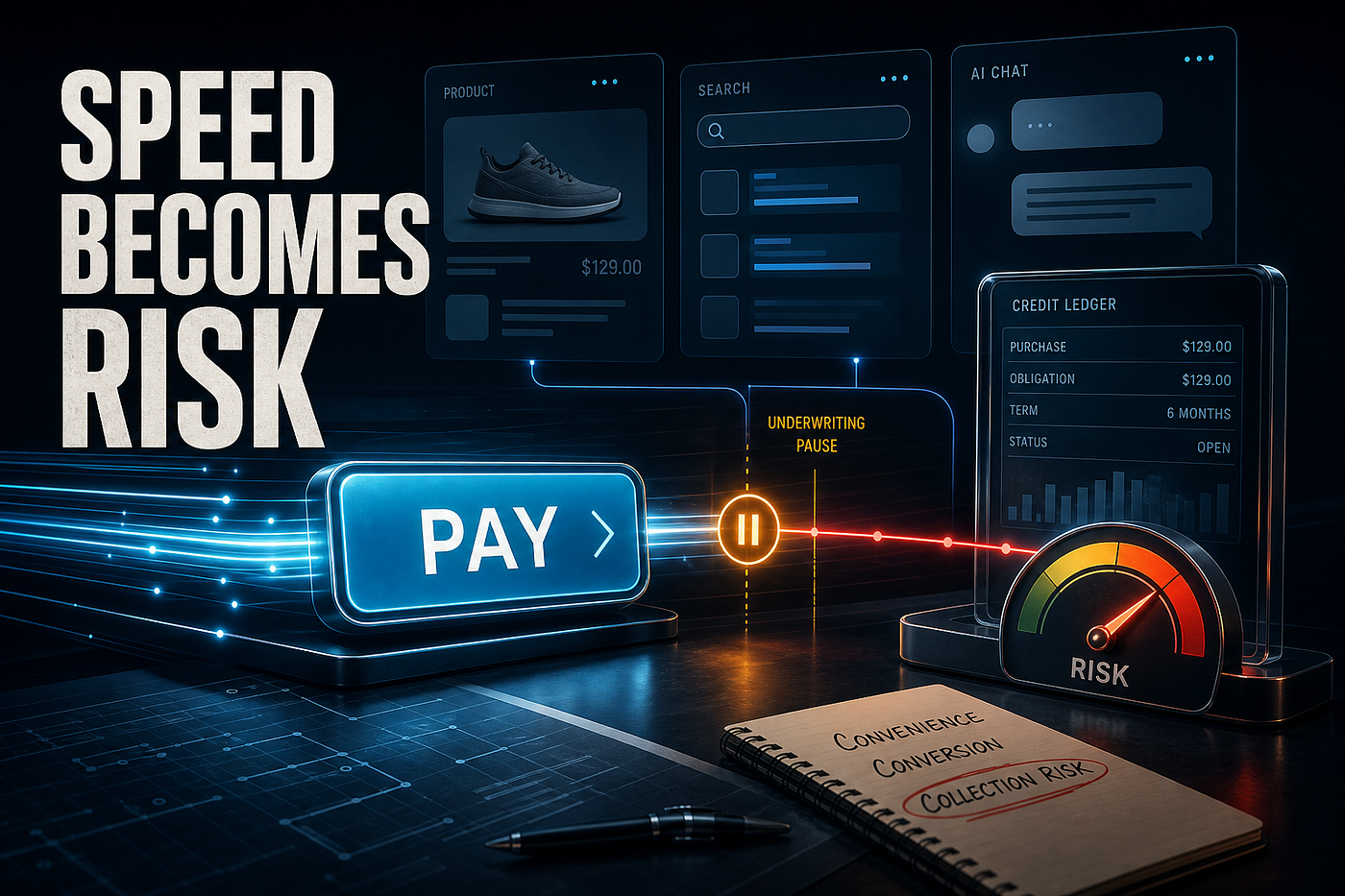
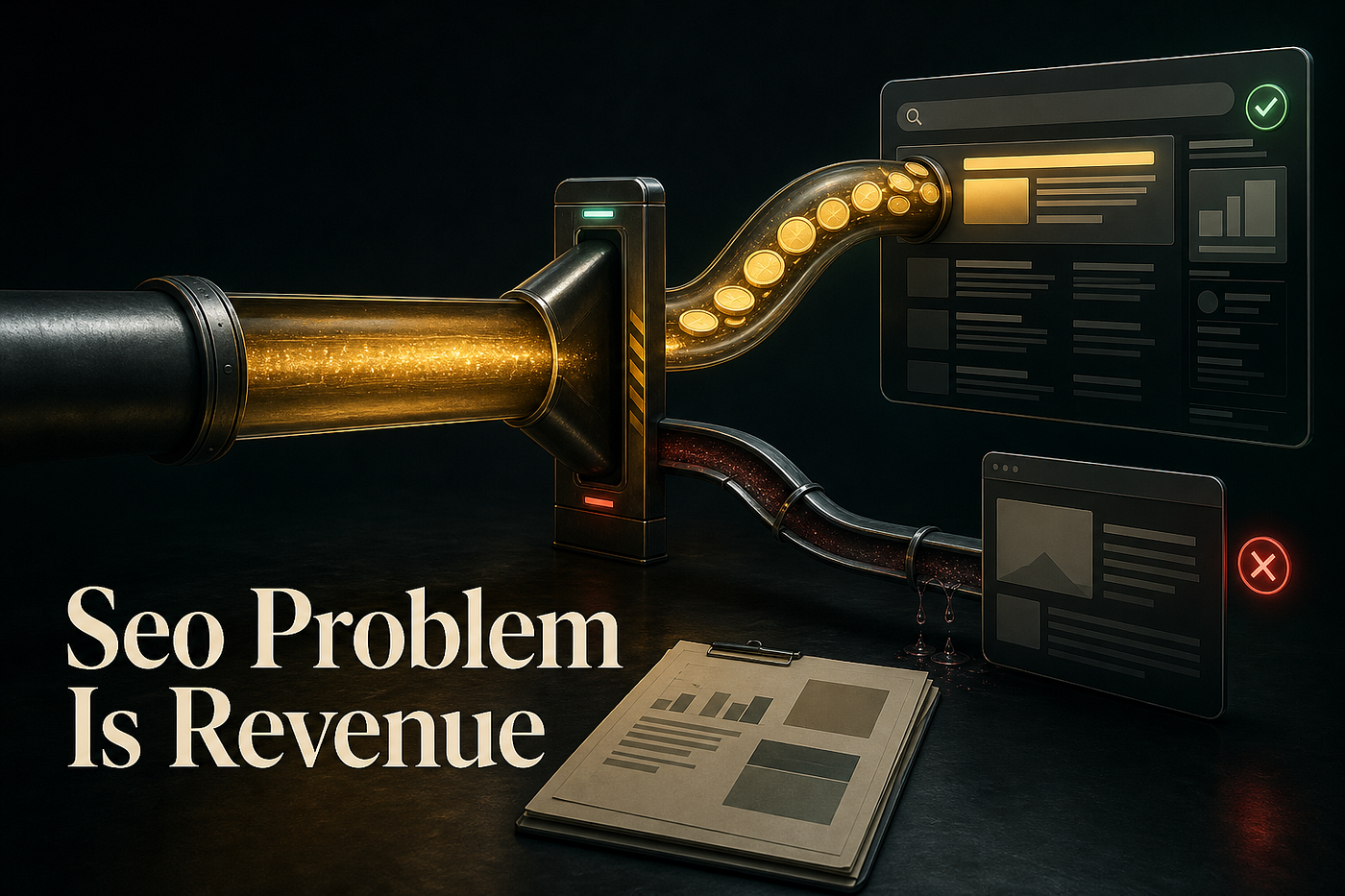
Figure 1. Klarna’s Google Pay Button Turns Checkout Speed Into Credit Risk. Image created by the author with diffusion-synthesis and Python post-processing.
Klarna’s new Google Pay button now belongs in the same room as the product card, the search box, and the Gemini chat window. It can lift checkout, but it also moves a lender’s judgment call closer to the moment a customer is still deciding whether they can afford the cart.
On May 12, 2026, Klarna said its flexible payment options would appear in Google’s U.S. conversational shopping surfaces through Google Pay, including Gemini, Search, and AI Mode. A buyer can choose 4 interest-free installments or longer-term financing, with Klarna running an affordability check before the person leaves the chat. That is the part fintech founders, payments operators, and commerce CEOs should watch closely.
A pause at checkout is not always lost revenue. Sometimes it is the hand hovering over a wallet, the cart still visible, the old friction doing one useful job: forcing risk to show itself before the transaction becomes someone else’s balance-sheet problem.
The button moves credit upstream
For two decades, the growth playbook had one villain: friction. Remove pages. Save cards.
Autofill addresses. Shrink the form until the buyer glides through it. That playbook worked when payment came after persuasion, after comparison, after the small cold pause between wanting and owing.
Klarna’s Google Pay rollout changes the camera angle. The financing choice is no longer waiting at a retailer’s final checkout page like a cashier with a clipboard. It appears inside the AI shopping surface, where the same session can discover the product, explain the benefit, watch the price, and offer credit.
Klarna gave the scale cue in the same release: more than 118 million active users and 3.4 million transactions per day. That is not a boutique checkout experiment. It is a financing rail stepping into the same room where Google is rebuilding shopping around Search, Gemini, and AI Mode.
The old pause had a job. Leaving a conversation to pay gave the buyer one awkward second to notice the total, find the card, check the bank app, or close the tab. Some of that delay was waste.
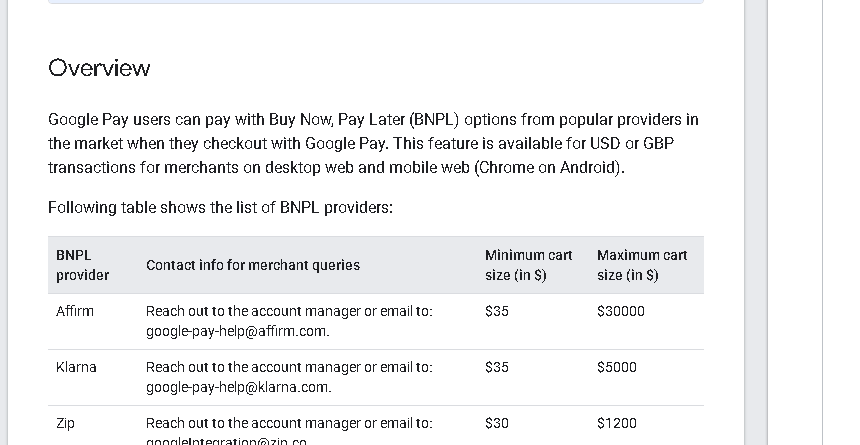
Figure 2. Proof of operating detail: The cited source, Google Pay BNPL guide, gives the article the implementation surface teams must design around. Source: Google
Some of it was self-control. A deleted click can become a delinquent loan.
The incentives split fast. Google wins when the buying session stays continuous. Merchants win when carts clear.
BNPL lenders win when approved loans perform. The weak player is the shopper’s future self, who is not in the room when the interface makes today feel smaller than next month.
The pause was doing risk work
Google’s own payment documentation makes the assignment line visible. Its Google Pay BNPL guide says eligibility and financing options are determined by BNPL providers, not Google. It also lists Klarna’s Google Pay cart range as $35 to $5,000, with merchants receiving full payment while the provider finances the purchase.
That is clean product architecture. It is also a risk relay. The interface removes the pause, the merchant records the sale, the provider checks affordability, and the customer carries the calendar.
Regulators already saw the weirdness. The CFPB’s May 22, 2024 interpretive rule treated BNPL digital user accounts as credit-card-like access devices for certain Regulation Z duties, including periodic statements and billing disputes. Then, on May 6, 2025, the Bureau said it would not prioritize enforcement and was contemplating rescission.
That gap matters. Formal protection and practical pressure do not always arrive in the same quarter. Operators who wait for a rule to define the risk have already outsourced their judgment to the slowest actor in the room.
The customer data is not subtle. In the Federal Reserve’s 2025 household report, 15% of U.S. adults used BNPL in the prior 12 months, up from 10% in 2021. Nearly one-fourth of BNPL users were late making a payment, and 58% said they used BNPL because it was the only way they could afford the purchase.
That is the part checkout dashboards love to blur. The same button can be convenience for one buyer and a distress signal for another.
Universal Cart keeps the pressure alive

Figure 3. Proof of risk control: The cited source, Rules Policy Final Rules Use Of Digital User Accounts To Access Buy Now Pay Later Loans, gives the article the explicit constraint a team can turn into policy. Source: Consumerfinance
A week after Klarna’s announcement, Google put the larger machine on the table. On May 19, 2026, Google introduced Universal Cart, an intelligent shopping cart spanning Search, Gemini, YouTube, Gmail, and merchants. Google said people shop across its surfaces more than one billion times a day, backed by a Shopping Graph with more than 60 billion product listings.
The cart does not sit quietly. It tracks price drops, price history, stock status, compatibility, payment perks, loyalty information, and merchant offers. In Google’s example, a shopper building a custom PC gets incompatibility warnings and alternatives before checkout.
That is genuinely useful. It also means persuasion no longer ends when the tab closes.
Universal Cart turns the cart into a patient salesperson with perfect recall. It remembers the item, watches the deal, checks the perks, and keeps the purchase warm. Then Google Pay can finish the transaction in a few taps, while the retailer stays merchant of record.
This is where AI commerce becomes finance infrastructure. The surface is no longer only answering “what should I buy?” It is also shaping “when should I buy, how should I pay, and how small can this payment feel right now?”
A 2025 Journal of Marketing paper by Stijn Maesen and Dionysius Ang found BNPL adoption raised purchase probability by 8.96 percentage points and lifted purchase amount by about 10.52% in their setting. That is the kind of number a growth room will frame. The risk room should frame it too.
The interface smiles. The ledger does not.
What operators should preserve
The answer is not to make checkout clumsy for sport. Bad friction is still bad. A broken address form, a surprise fee, a forced account, or a failed wallet token is not moral discipline.
It is just a leak with a costume.
The better move is a friction audit before launch. For every step you remove, name what that step used to catch: confusion, weak repayment confidence, missing disclosure, identity risk, return risk, or simple buyer cooling. If the step caught nothing, delete it.
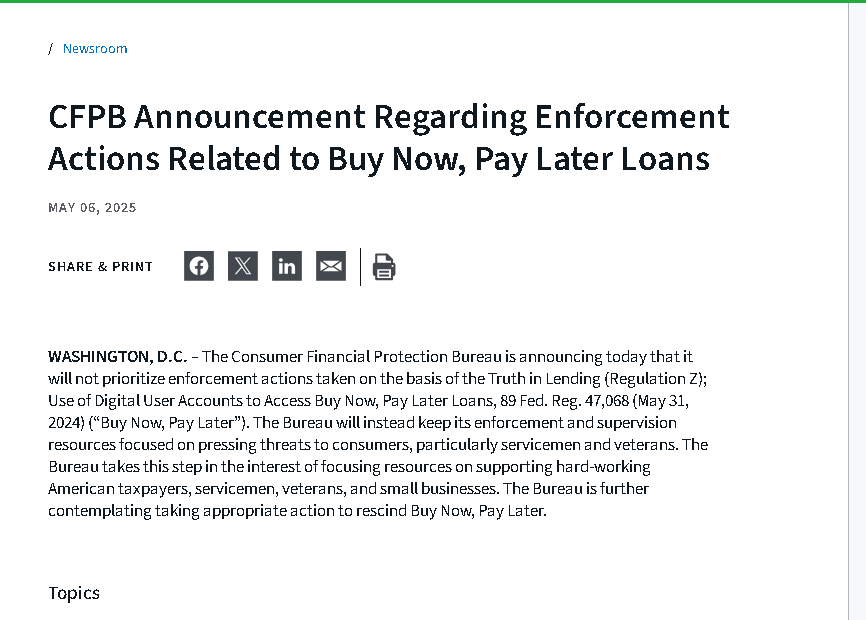
Figure 4. Proof of market timing: The cited source, About Newsroom Cfpb Announcement Regarding Enforcement Actions Related To Buy Now Pay Later Loans, gives the article the product change and date readers can verify. Source: Consumerfinance
If it caught something expensive, replace it with a sharper control.
That means showing total obligation, payment dates, refund handling, and lender identity at the moment credit appears, not after the buyer has mentally owned the product. It means treating affordability checks as product design, not a back-office ceremony. It means reading conversion beside refunds, disputes, late-payment exposure, support tickets, and repeat-buyer health.
The game theory is brutal because every participant can claim the good outcome and point elsewhere when the bad one arrives. The platform enabled choice. The merchant sold the product.
The lender underwrote the loan. The customer clicked the button. In a calm quarter, that division looks efficient.
Under stress, it becomes a room full of mirrors.
Klarna’s Google Pay button is the proof object because it compresses the whole shift into one visible surface. Credit has moved upstream, into the moment where AI shapes intent. The old checkout pause is not sacred.
But if you remove it, you must decide which system now carries the self-control it used to provide.
Thank you to the operators who keep the pause where repayment confidence is weakest, because that is where the loss starts.
A parallel version of the same pressure shows up in Google’s 2025 Cards Punish Reporting Without a First-Screen Proof.
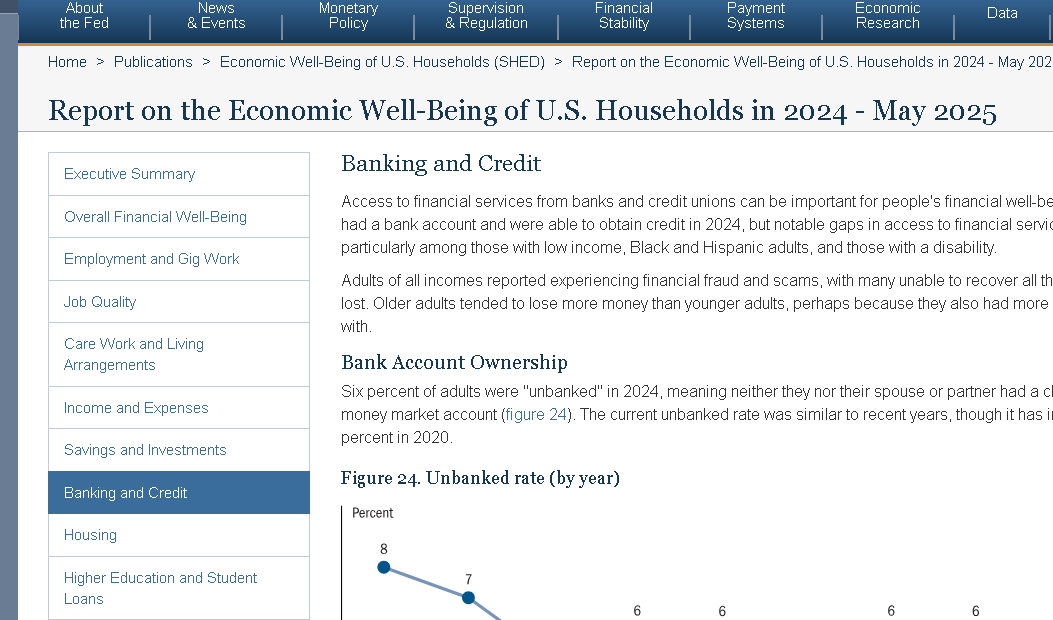
Figure 5. Proof of research footing: The cited source, 2025 household report, gives the article external evidence instead of campaign language. Source: Federalreserve
Related reading
메타데이터
- post_id
- 8a309033376e
- slug
- klarnas-google-pay-button-turns-checkout-speed-into-credit-risk-8a309033376e
- url
- https://medium.com/kairi-ai/klarnas-google-pay-button-turns-checkout-speed-into-credit-risk-8a309033376e
- canonical_url
- https://medium.com/kairi-ai/klarnas-google-pay-button-turns-checkout-speed-into-credit-risk-8a309033376e
- author_url
- https://medium.com/@james.kuhman
- status
- ok
- fetched_at
- 2026-06-10 09:45:17