Why Your Puppy Only Bites You (and Not Your Partner)
It’s not personal. But it is a pattern and once you see it, you can change it.
Why Your Puppy Only Bites You (and Not Your Partner)
It’s not personal. But it is a pattern and once you see it, you can change it.
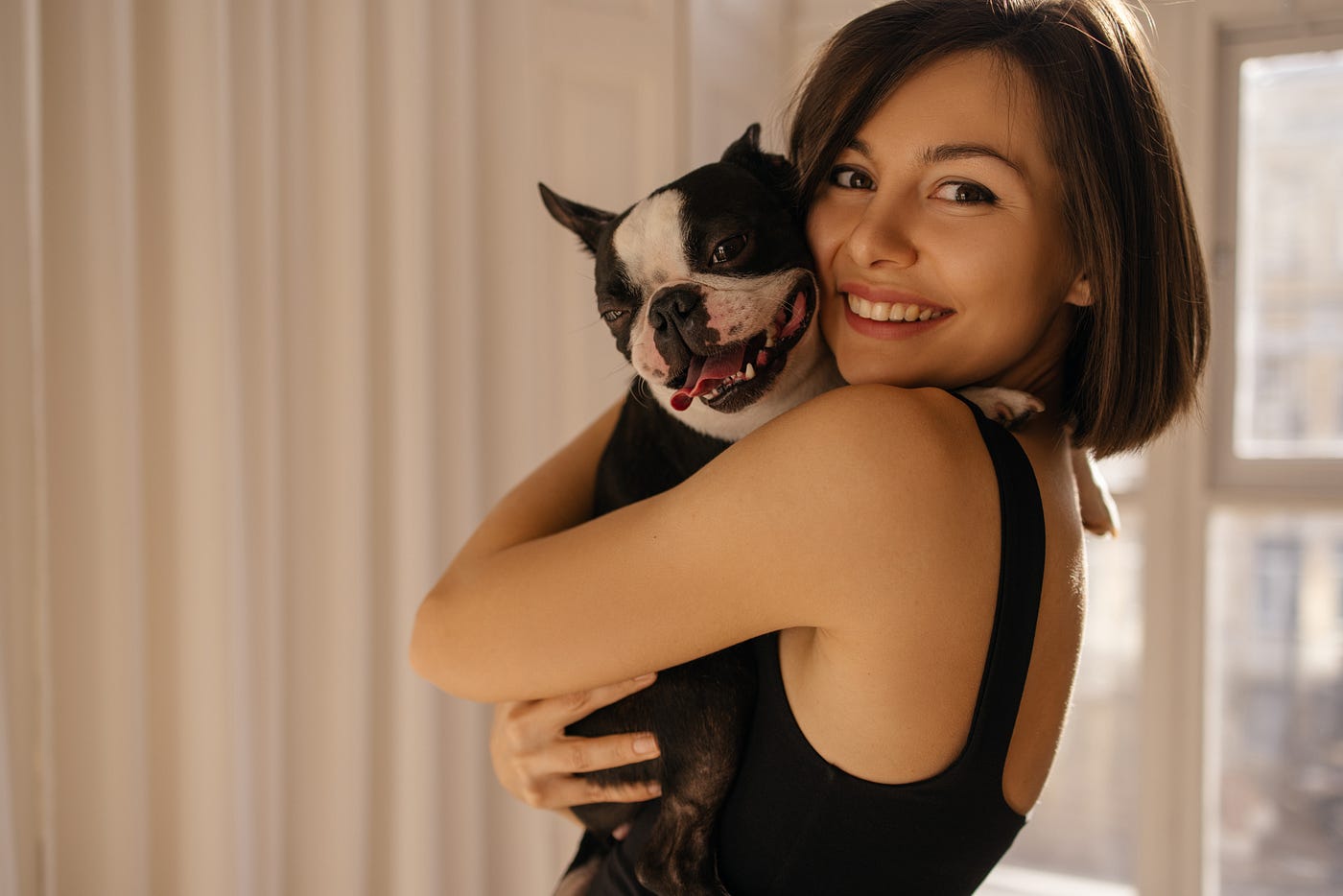
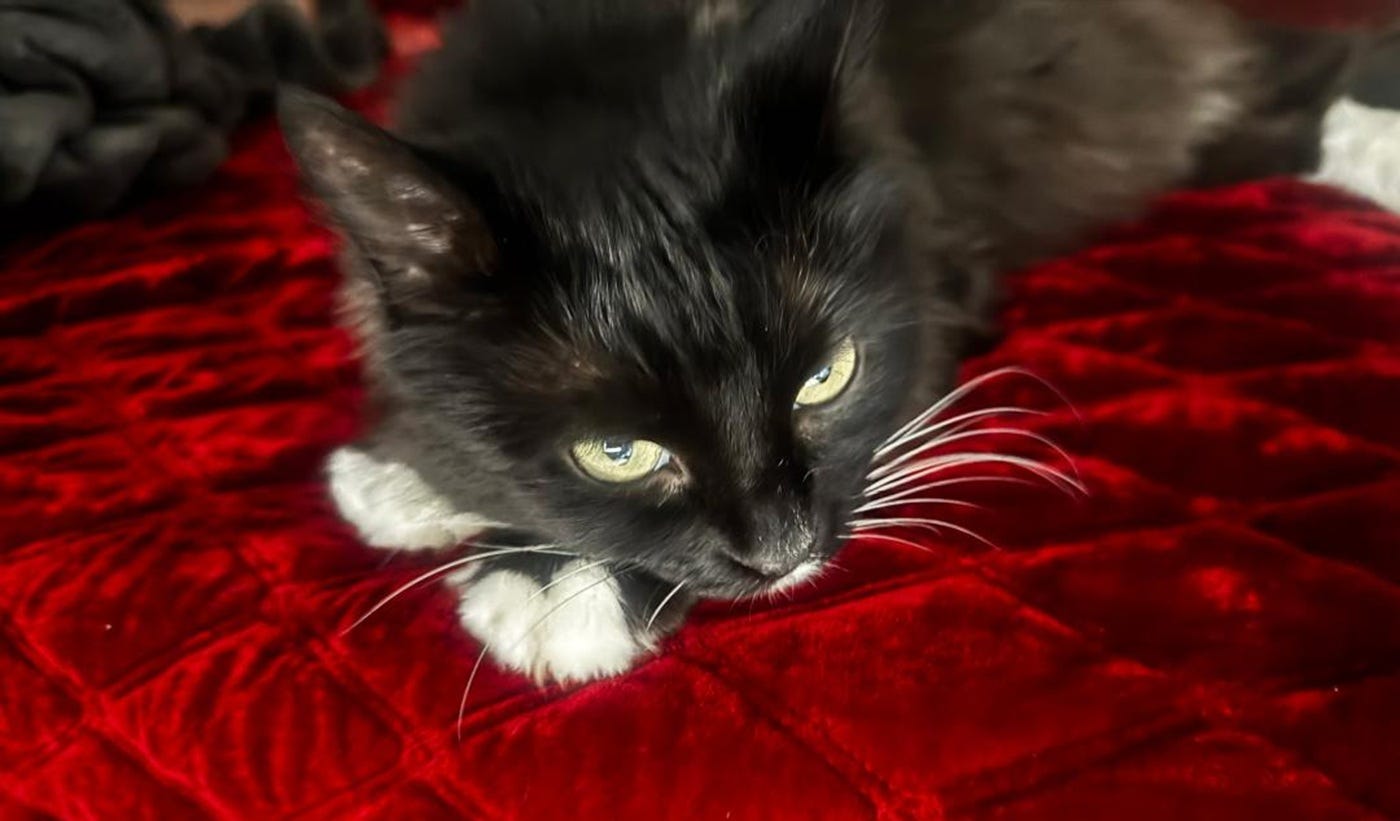
Photo by wu yi on Unsplash
You know exactly how it goes. Your partner walks in, crouches down, says hello, and the puppy is gentle as anything; tail wagging, licking hands, not a tooth in sight.
Then you walk in. Same dog, same hallway. And within forty seconds you’ve got teeth on your sleeve, your ankle, or the zip of your coat.
It feels like favoritism. It can feel like failure, honestly like your puppy has made a judgement about you specifically and decided you’re the one who gets the rough treatment. But that’s not what’s happening. Not even close.
What’s actually happening is much more useful to understand. Because once you see it, you can fix it in less time than it takes to have the “why does the dog bite you and not me” conversation with your partner for the fourth time.
It’s not about who the dog loves more
Here’s the real reason. Puppies don’t bite the person they like least. They bite the person who, without meaning to, creates the most excitement and the least structure in the first thirty seconds of an interaction.
Think about what each of you actually does when you arrive home or start play. Genuinely think about it not what you intend to do, but what you physically do. Because the gap between the two is usually where the biting lives.
“Puppies don’t bite the person they like least. They bite the person who creates the most energy and the least landing spot.”
Your partner might naturally be quieter, slower. They might not immediately reach for the dog. They might sit down first, or put their bag down, or just move through the hallway at a steadier pace. None of that is training. It’s just temperament and the puppy is reading every bit of it.
You, on the other hand, might walk in already talking. Already reaching. Already matching the puppy’s energy with your own excited voice, because you’ve been out all day and you missed them and that’s completely human and understandable. But from the puppy’s perspective, you have just walked in as the most interesting and stimulating thing in the room, with moving hands and a high-pitched tone and zero indication that the next few seconds have any structure to them at all.
Teeth are what happens next. Not because the puppy dislikes you. Because you handed them a puzzle with no obvious solution and teeth were the quickest tool they had.
The four things that set it off and what the “biting person” usually does differently
- Speaks first — in a higher, more animated voice than the person who doesn’t get bitten
- Reaches toward the puppy immediately, before the puppy has settled from the arrival
- Moves faster through the hallway or into the room often while still carrying things, coat still on, keys in hand
- Makes eye contact and engages directly while the puppy is still at peak arousal from the sound of the door
None of these things are wrong. None of them make you a bad dog owner. They make you an enthusiastic one, and there is nothing wrong with that. The problem is timing, not character.
The puppy that heard the door, heard your voice, heard the lead jingle (or the keys, or the particular creak this flat makes when you come in) is already running at a high frequency before you’ve even finished taking your shoes off. Everything that happens in the next thirty seconds either lowers that frequency or raises it further. A warm, fast, loud, reaching greeting raises it. Every time.
What the other person is doing right — without knowing it
Here’s the uncomfortable part. Your partner probably isn’t doing anything intentional. They haven’t read a training guide. They haven’t applied a method. They’ve just, by chance, stumbled into the exact entry style that a mouthy puppy responds to best: slow, quiet, and hands-off first.
The difference isn’t love. It isn’t authority. It isn’t training. It’s the first twenty seconds. May be, your partner gave the puppy time to come down from the spike before any interaction began. You might started the interaction at the spike’s peak and then wondered why the spike became a bite.
How to become the person who doesn’t get bitten
The fix is deceptively small. It doesn’t require you to be cold or withhold affection. It just asks you to delay the greeting by about thirty seconds, and to change the shape of the first contact.
Walk in. Don’t crouch. Don’t reach. Don’t use the high voice, at least not yet. Move through the hallway at a steady pace, put your things down, and let the puppy come to you rather than meeting them at the door with everything turned up to full.
When you do interact, lead with stillness. If you’re going to use your hands, hold them low and don’t wave them around. If you’ve got a toy nearby, offer that as the first target rather than your fingers, your sleeve cuff, or the drawstring of your hoodie.
The moment teeth touch skin, the very first moment, not the third, the interaction stops. Not with drama. Not with a loud “ow” or a correction. Just, the thing stops. You become boring. You stand up and look away for ten seconds. Then you try again.
The 30-second entry method, try this today
- Walk in without crouching or reaching. Let the puppy approach you.
- Keep your voice low and calm for the first thirty seconds, save the warm greeting for after the energy has settled.
- Hands stay still or in pockets until the puppy is no longer jumping or mouthing.
- At the first skin contact, stop completely. Stand, look away, ten seconds. Restart only when the mouth has softened.
Most people who try this are surprised by two things. First, how hard it is because suppressing the urge to greet your dog enthusiastically when you’ve been out all day takes real effort. Second, how fast it works. Three or four consistent entries using this approach and the hallway dynamic genuinely shifts.
What this tells you about the broader pattern
The reason this matters beyond just “**stopping the biting**” is that it reveals something important about how puppy behaviour works more generally. The biting is rarely about the moment of the bite. It’s about everything that happened in the sixty seconds before it; the arousal that built up, the entry that escalated it, the lack of a clear landing spot.
Change the start, and you change what follows. A puppy that comes off the peak before interaction begins is a different animal to play with. They’re looking for a game, not an outlet. Hands stop being targets because the hands arrived after the energy had somewhere else to go.
That’s the whole principle behind the Soft Start Reset. It’s not about waiting for a perfect calm. It’s about lowering the entry point by one notch just enough that play, greetings, and hallway moments start before the teeth come out, not after.
“The biting is almost never about the moment of the bite. It’s about the sixty seconds before it.”
Once you see and understand that you’re not being bitten because your puppy prefers your partner, but because your entry style is accidentally building exactly the kind of momentum that teeth are the answer to it becomes much easier to change. Not because you become a different person but you change the first thirty seconds.
That’s all it takes, most of the time, thirty seconds. The rest of the interaction gets to be warm, and playful, and everything a puppy greeting should feel like just with all four paws on the floor and no blood.
Want the complete five-method system?
The **Calm Puppy Bitting Before Play** covers the full picture; he hallway, the lead, the toy handoff, mid-play resets, and how to change the timing so the same trigger stops repeating every day. Short, practical, written for real home routines. Grab it on here.
메타데이터
- post_id
- 8a321b7c4e31
- slug
- why-your-puppy-only-bites-you-and-not-your-partner-8a321b7c4e31
- url
- https://medium.com/the-polished-paw/why-your-puppy-only-bites-you-and-not-your-partner-8a321b7c4e31
- canonical_url
- https://medium.com/the-polished-paw/why-your-puppy-only-bites-you-and-not-your-partner-8a321b7c4e31
- author_url
- https://medium.com/@fevzbest
- status
- ok
- fetched_at
- 2026-06-13 12:55:53