Can You Really Improve Your Health After 50?
I changed my lifestyle a year ago. Here is what happened to my blood markers.
Can You Really Improve Your Health After 50?
I changed my lifestyle a year ago. Here is what happened to my blood markers.
After 50, prevention is no longer optional.
It is a strategy.
Many age-related conditions develop silently for years before symptoms appear. By the time a diagnosis is made, important opportunities for prevention may already have been missed.
And here is what I am trying to establish. I would like to have a system that supports my healthy aging. My own practical methodology. A system based on simple monitoring principles that can help me stay on track over time... as I have a lot of plans🙂.
Over the past year, I made several changes to my nutrition, physical activity, and overall lifestyle. To evaluate the results, I reviewed biomarkers associated with healthy aging, cardiovascular health, and metabolic resilience.
Rather than testing EVERYTHING POSSIBLE…
I focused on a limited number of evidence-based markers, which I can explain to myself, understand, monitor, and … impact with the lifestyle adjustment. Most were already covered by health insurance, and I paid for only one additional test myself.
In this article, I will give some insight in what I have measured this year. What has improved after one year of following my personal “Rules”? I will publish my complete “Core” Biomarker Checklist soon. It is important to keep in mind that this “core” list is not fixed. Medicine is constantly evolving, and there is currently no universally accepted longevity panel. For this reason, regular review of scientific literature and regulatory developments, including FDA approvals, is necessary to keep such a checklist up to date.
Disclaimer
This article is intended for educational and informational purposes only and does not constitute medical advice, diagnosis, or treatment. The biomarkers discussed reflect my personal approach to preventive health monitoring and should not be interpreted as a universal recommendation.
Laboratory results should always be interpreted in the context of an individual’s medical history, symptoms, risk factors, and consultation with qualified healthcare professionals.
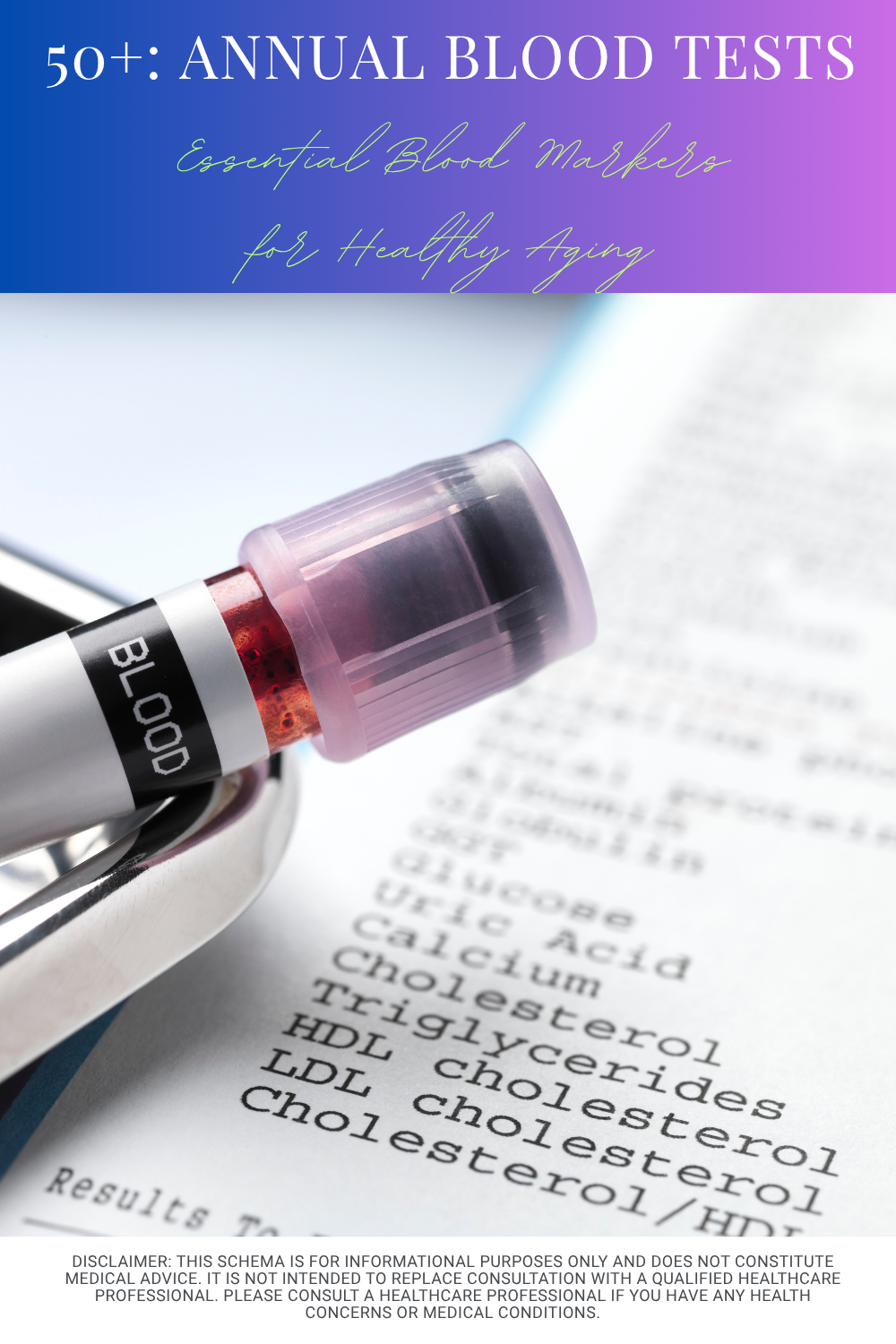
Before moving further, I would like to mention one positive observation.
Some of my biochemical parameters improved compared with the results from one year ago.
For me, this is practical evidence that even after 50, health can still be improved through well-chosen lifestyle habits. And the most reliable way to choose them is through structured monitoring rather than guesswork. It is also important to remember that biochemical parameters are only one part of healthy aging monitoring.
So, which biochemical parameters matter for me after 50 from a preventive health perspective?
A Brief Review of My Rationale Behind Blood Testing After 50
hs-CRP
Among all longevity-relevant biomarkers, hs-CRP is definitely my favourite. What excites me most about measuring it is that it reflects more than just one isolated parameter. It contributes to my understanding of my vascular health and, together with other biomarkers, helps me estimate cardiometabolic risk, and many others.
And, of course, it is a well-established marker in the measurement of chronic low-grade inflammation, which is often discussed in the context of senescent cells (“retired” cells that are difficult to eliminate or keep at very low levels).
Studies have shown that people with consistently high hs-CRP levels tend to age less healthily and have a higher risk of heart and metabolic problems.
At the same time, interventions involving nutrition and physical activity have been shown to reduce hs-CRP over time.
hsCRP is a reliable trend marker over time. It can respond to dietary change, physical activity, sleep, weight changes, microbiome repair, and stress reduction.
This is exactly why I find this marker useful: hs-CRP may help monitor whether lifestyle changes are moving us in the right direction.
What I did, and what I will continue to do, to keep hs-CRP low or even lower.
I follow my training plan and stick to my Precision Kitchen Rules, including maintaining a 12–14 hour fasting window every day.
For more details, please read the following articles:
I got a ~20% reduction in hs-CRP after one year.
Lp(a)
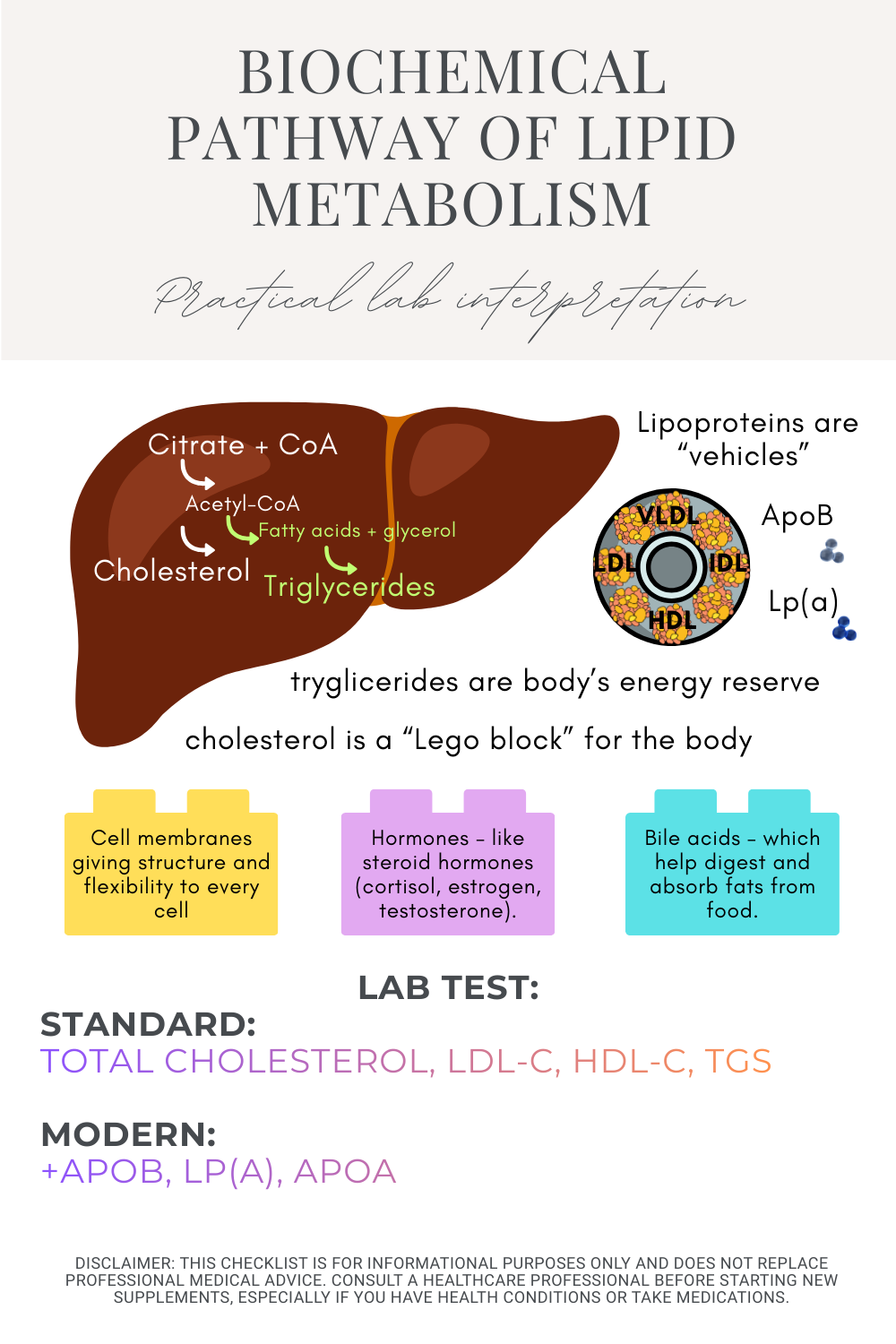
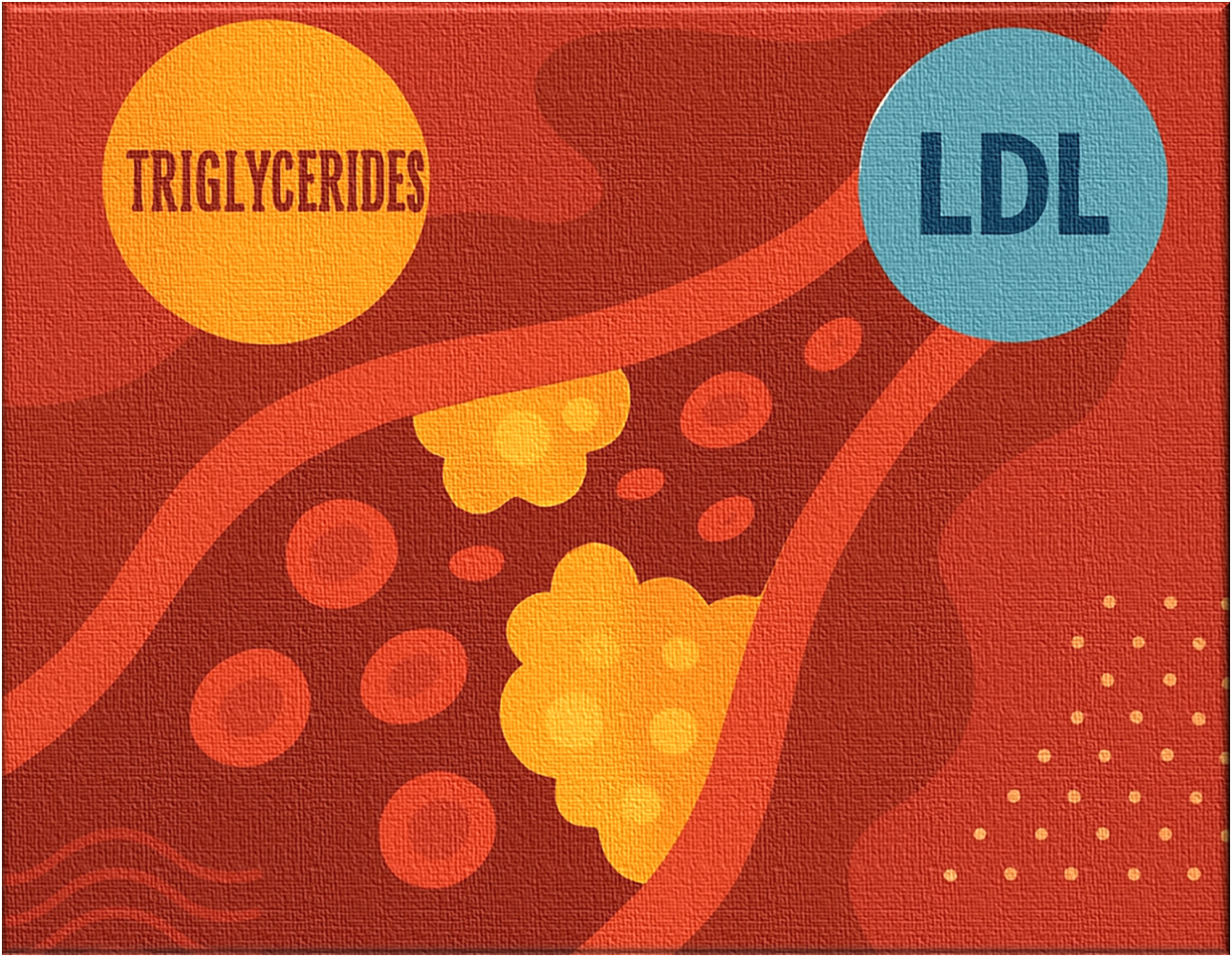
Markers relevant to the cardiovascular risks are covered by my health insurance. So, I was able to check my lipid profile. For example,
LDL-C, decreased by approximately 10%,
Although it remained above the recommended range. However, at the same time, my HDL-C was consistently high, which may be partly explained by favorable genetics and lifestyle factors.
So, to better understand what I inherited from my parents, I tested Lp(a). In the context of cardiovascular risk, it has less value for monitoring as such, but it has significant value for understanding my body’s genetic predispositions.
By the way, this was the only marker for which I paid extra. The value was relatively high, highlighting the importance of inherited factors in my lipid profile.
This year I decided to postpone a more detailed evaluation of additional cardiovascular biomarkers.
Regarding ApoA and ApoB, I decided to include them only if my LDL-C remains elevated or the overall lipid pattern becomes less favorable.
And the value of the Lp(a) test will remain with me for a long time, giving me additional reassurance and motivation to continue improving my healthy lifestyle.
Metabolic health (energy + insulin sensitivity)
The number of biomarkers that can be used to assess metabolic health is extensive. Among the most commonly discussed are HbA1c and fasting glucose, both of which provide important information on glucose metabolism, while fasting insulin is often underestimated despite its value in assessing insulin sensitivity.
From a practical perspective, I have not yet included these additional markers in my routine testing cycle, as my current lifestyle has been intentionally optimized to support metabolic stability through low-added sugar intake, structured nutrition, and regular physical activity. In addition, my fasting insulin level is currently within the reference range.
At this stage, I do not have clinical indications suggesting impaired glucose metabolism. However, these markers remain part of my longevity monitoring checklist.
I plan to reassess them later in the year, after completing a three-month structured health optimization phase based on my personal methodology.
Nutritional resilience
Taken together, Vitamin D, Vitamin B12, and Ferritin represent a functional layer of longevity monitoring.
They do not primarily indicate disease presence, but rather the body’s capacity to sustain:
- energy production
- neurological stability
- immune competence
- and metabolic balance over time
From a healthy aging perspective, this group helps answer a simple question:
Is the body functioning with optimal reserves?
This topic will be explored in more detail in a separate article. If you are interested in this structured approach to healthy aging, you are welcome to subscribe for future updates.
Why screening becomes more relevant after 50…
With aging, several changes increase baseline risk:
- reduced metabolic flexibility
- increased vascular stiffness
- changes in lipid metabolism
- accumulation of low-grade inflammation
- A higher probability of insulin resistance
These are not diseases in themselves, but they increase vulnerability to disease development.
This is why preventive screening gains importance after 50. It helps to identify early deviation from healthy physiological ranges.
… and limitations of “more testing”
More testing does not automatically improve outcomes.
Unfocused screening can lead to:
- false positives
- unnecessary interventions
- anxiety without clinical benefit
- incidental findings with unclear relevance
This is why modern preventive strategies increasingly emphasize targeted testing based on risk, age, and evidence, rather than broad “panels” without a clear purpose¹.
Coming next: my complete Biomarker Checklist.
Visuals designed by the author using Canva (licensed elements used in accordance with the Canva Content License Agreement).
References:
1- Wiedermann CJ, Piccoliori G, Engl A, Hager von Strobele-Prainsack D. Predictive Biomarkers for Asymptomatic Adults: Opportunities, Risks, and Guidance for General Practice. Diagnostics (Basel). 2026 Jan 8;16(2):196. doi: 10.3390/diagnostics16020196. PMID: 41594172; PMCID: PMC12839772.
메타데이터
- post_id
- 8a3f8616165b
- slug
- can-you-really-improve-your-health-after-50-8a3f8616165b
- url
- https://medium.com/illumination/can-you-really-improve-your-health-after-50-8a3f8616165b
- canonical_url
- https://medium.com/illumination/can-you-really-improve-your-health-after-50-8a3f8616165b
- author_url
- https://medium.com/@longevity50plus
- status
- ok
- fetched_at
- 2026-07-25 14:42:11