Xiaomi 17T Has the Better Party Trick, but the Vivo X200T Keeps Winning a Month Later
A 44-minute full charge changes expectations faster than most camera upgrades. After a week with that kind of speed, waiting around for a…
Xiaomi 17T Has the Better Party Trick, but the Vivo X200T Keeps Winning a Month Later
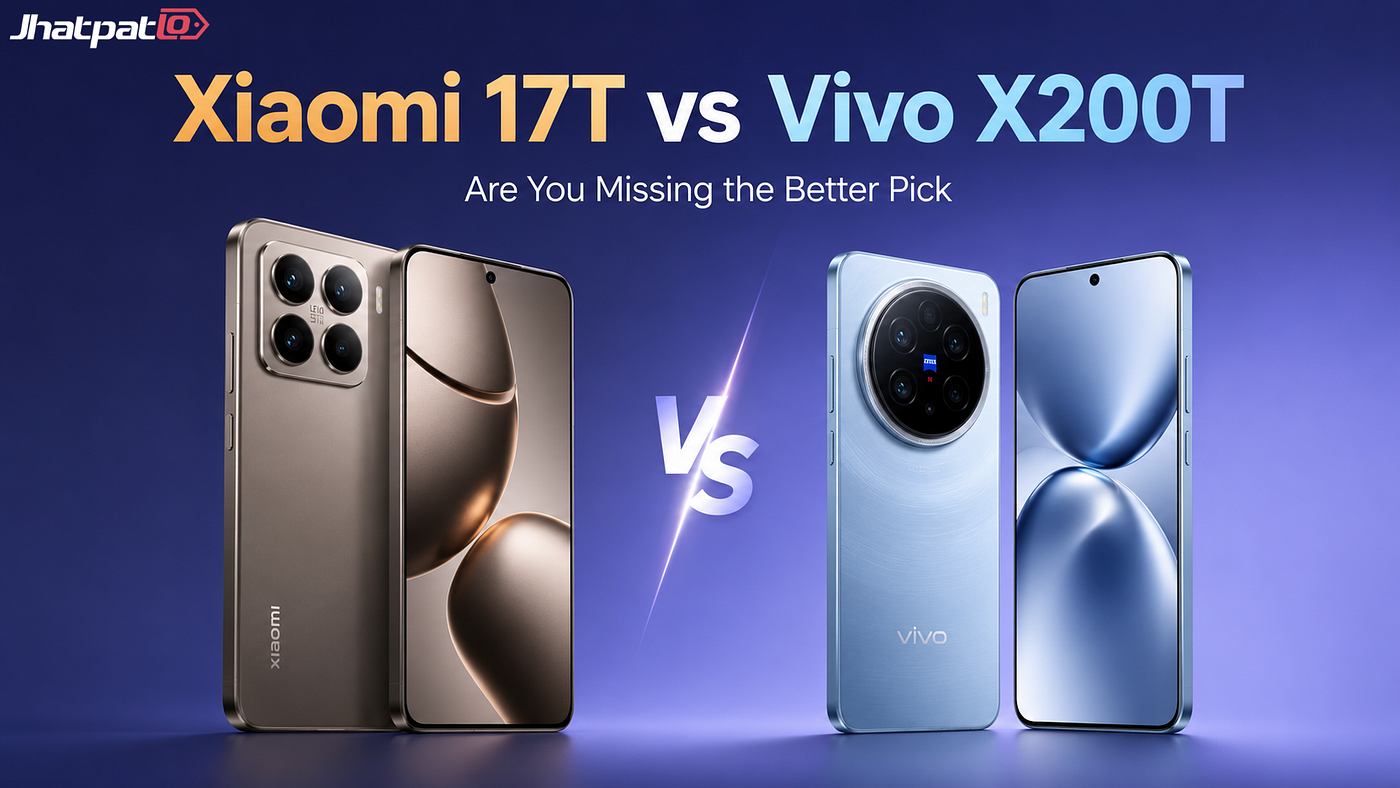
A 44-minute full charge changes expectations faster than most camera upgrades. After a week with that kind of speed, waiting around for a battery feels oddly outdated.
The Xiaomi 17T has a more obvious selling point in a few areas. The Vivo X200T keeps doing something less flashy: removing small frustrations before they become noticeable.
The Argument Starts Once the Marketing Ends
The awkward thing about the upper mid-range smartphone market is that obvious strengths rarely decide long-term satisfaction anymore. A sharper portrait mode looks impressive during the first weekend. A brighter display catches attention under store lighting. Benchmark charts circulate for a few days and disappear.
Then the routine starts.
Photos get taken in bad lighting rather than perfect daylight. Charging happens between meetings, classes, or commutes instead of overnight. Screens are used outdoors, not under showroom spotlights. The difference between a phone that occasionally surprises and one that consistently behaves starts becoming visible.
That is where the Xiaomi 17T and Vivo X200T stop looking like competitors separated by minor specification changes. They begin to reveal two very different ideas about what makes a premium smartphone feel expensive.
Quick Highlights
- Xiaomi’s portrait photography has a confidence that survives close inspection.
- Vivo’s camera system makes fewer mistakes when conditions become difficult.
- Sustained gaming favors Xiaomi more than benchmark scores suggest.
- Vivo hides its compromises better across software, charging, and daily usability.
- Display brightness matters more outdoors than resolution numbers do on paper.
“For a more detailed comparison, you can check here”
Xiaomi’s Best Feature Isn’t the Camera, It’s Consistency Under Pressure
Raw performance numbers tell a flattering story for the Vivo X200T. In short bursts, the phone feels exceptionally quick, and benchmark enthusiasts will find plenty to like.
Yet phones are rarely used in short bursts.
Extended gaming sessions, long video exports, navigation running alongside music streaming, and background app activity create a different test entirely. Under those conditions, thermal management becomes more important than peak scores.
The Xiaomi 17T appears to understand this trade-off.
Temperature rises remain easier to manage during prolonged workloads, which means performance drops arrive later and feel less severe. For mobile gamers, that often matters more than an extra headline-grabbing benchmark result. Nobody notices a score after purchase. Frame rate instability gets noticed immediately.
That advantage extends beyond gaming. A cooler device simply feels less demanding to live with.
Still, thermal discipline does not automatically create a better overall experience. Once the workload ends, several smaller decisions start pushing the comparison in another direction.
Vivo Keeps Solving Problems Before Users Notice Them
Camera discussions around Leica and Zeiss branding tend to attract attention, but branding is rarely the interesting part.
What matters is behavior.
The Vivo X200T repeatedly produces dependable results in situations where smartphone cameras usually become unpredictable. Challenging lighting, mixed exposure scenes, bright backgrounds, and nighttime shooting reveal a camera system tuned for reliability rather than dramatic impact.
Some users may prefer Xiaomi’s approach. Portrait images often carry stronger detail and more convincing subject separation, helped by the phone’s 5x periscope camera. Faces look natural, textures remain intact, and processing generally stays out of the way.
Vivo takes a different route.
Selfies often look cleaner. Night photography remains more controlled. Daylight images handle exposure with greater restraint. The result is a camera system that occasionally feels less exciting but frequently delivers the image expected before the shutter was pressed.
That predictability becomes valuable over time.
A smartphone camera gets judged less by its best photograph than by how rarely it ruins a moment worth keeping. The challenge is that camera reliability is difficult to market compared with a striking portrait sample.
The Display Battle Hides a More Interesting Story About Priorities
Resolution remains one of the easiest specifications to advertise.
The Xiaomi 17T benefits from that reality. Its 1.5K display looks crisp, text appears sharp, and media consumption feels premium. Combined with loud stereo speakers, the phone creates a strong entertainment package.
Numbers support the argument.
Outside, another argument starts forming.
The Vivo X200T’s extremely bright display proves useful in ways specification sheets rarely communicate effectively. Under harsh sunlight, visibility becomes less about pixel density and more about whether information remains readable without awkward hand positioning or maximum brightness struggles.
Software follows a similar pattern.
OriginOS 6 feels polished and mature, with thoughtful details scattered throughout the experience. HyperOS 3 offers advantages for users invested in Xiaomi’s wider ecosystem, but ecosystem benefits only matter when that ecosystem already exists in someone’s life.
Then there is charging.
Ninety-watt charging sounds like a luxury feature until it becomes routine. Suddenly a forgotten overnight charge feels recoverable. A short stop near a wall socket produces meaningful battery recovery rather than symbolic percentages.
The Xiaomi 17T’s larger 6,500mAh battery should make the conversation simple. Instead, charging speed keeps complicating it.
The Wins That Never Make the Product Page
Few buyers spend their day comparing camera sensors or CPU throttle graphs. They notice whether a phone feels cooperative.
A brighter screen matters during a ride-share pickup on a sunny afternoon. Faster charging matters when battery anxiety appears at 15 percent before leaving home. Better thermal control matters halfway through a gaming session rather than during the first ten minutes.
The Xiaomi 17T often shines during deliberate testing. Portrait photography, speaker performance, and sustained workloads give it clear victories.
The Vivo X200T earns points in quieter ways. A reliable selfie before an event, a cleaner night shot, a faster battery refill between errands — small moments accumulate surprisingly quickly. Most ownership experiences are built from those moments rather than from specifications highlighted on launch day.
Final Thoughts
The Xiaomi 17T feels like a phone designed around strengths. Several of those strengths are genuinely impressive.
The Vivo X200T feels designed around reducing weaknesses. That sounds less exciting until daily use enters the picture.
Months after purchase, very few people remember benchmark charts or marketing slogans. They remember whether the camera behaved when the lighting was difficult, whether the display stayed visible outdoors, and whether the battery recovered quickly enough to save a busy day.
Those memories rarely form around the feature that looked best in the announcement trailer.
메타데이터
- post_id
- 8a4674af9e79
- slug
- xiaomi-17t-has-the-better-party-trick-but-the-vivo-x200t-keeps-winning-a-month-later-8a4674af9e79
- url
- https://medium.com/@sourcebow.jhatpatlo/xiaomi-17t-has-the-better-party-trick-but-the-vivo-x200t-keeps-winning-a-month-later-8a4674af9e79
- canonical_url
- https://medium.com/@sourcebow.jhatpatlo/xiaomi-17t-has-the-better-party-trick-but-the-vivo-x200t-keeps-winning-a-month-later-8a4674af9e79
- author_url
- https://medium.com/@sourcebow.jhatpatlo
- status
- ok
- fetched_at
- 2026-08-10 15:33:16