Minority Education Challenges in Pakistan Explained
Introduction
Minority Education Challenges in Pakistan Explained
Introduction
Education plays a vital role in shaping societies, strengthening economies, and creating pathways out of poverty. In Pakistan, education has long been recognized as a key factor in national development. However, access to consistent and quality education is not equal for all communities. Minority groups across the country continue to face obstacles that limit their participation in formal schooling. These minority education challenges in Pakistan are deeply connected to social, economic, and structural realities that affect everyday life.
While national education policies aim to improve enrollment and literacy, many children from minority backgrounds still struggle to attend school regularly. Barriers such as poverty, discrimination, and limited infrastructure create gaps that are difficult to overcome without targeted support. These challenges are not always visible in official statistics but become clear when examining attendance patterns, dropout rates, and learning outcomes. Understanding education inequality and access issues is essential for building inclusive systems that serve all children fairly and sustainably.
Understanding Minority Education Challenges in Pakistan
Minority education challenges in Pakistan are complex and multi-layered. Religious and ethnic minority communities often live on the margins of society, where access to public services is limited. Education systems that are designed for the majority population may unintentionally exclude those with different social, cultural, or economic backgrounds.
Children from minority families may face challenges before they even enter a classroom. Documentation issues, lack of awareness, and financial instability can delay enrollment. Once enrolled, maintaining consistent attendance becomes another struggle. These early disruptions affect learning foundations and contribute to long-term educational gaps. Addressing these issues requires understanding how structural inequality shapes access to schooling from the very beginning.
Education Inequality Across Regions
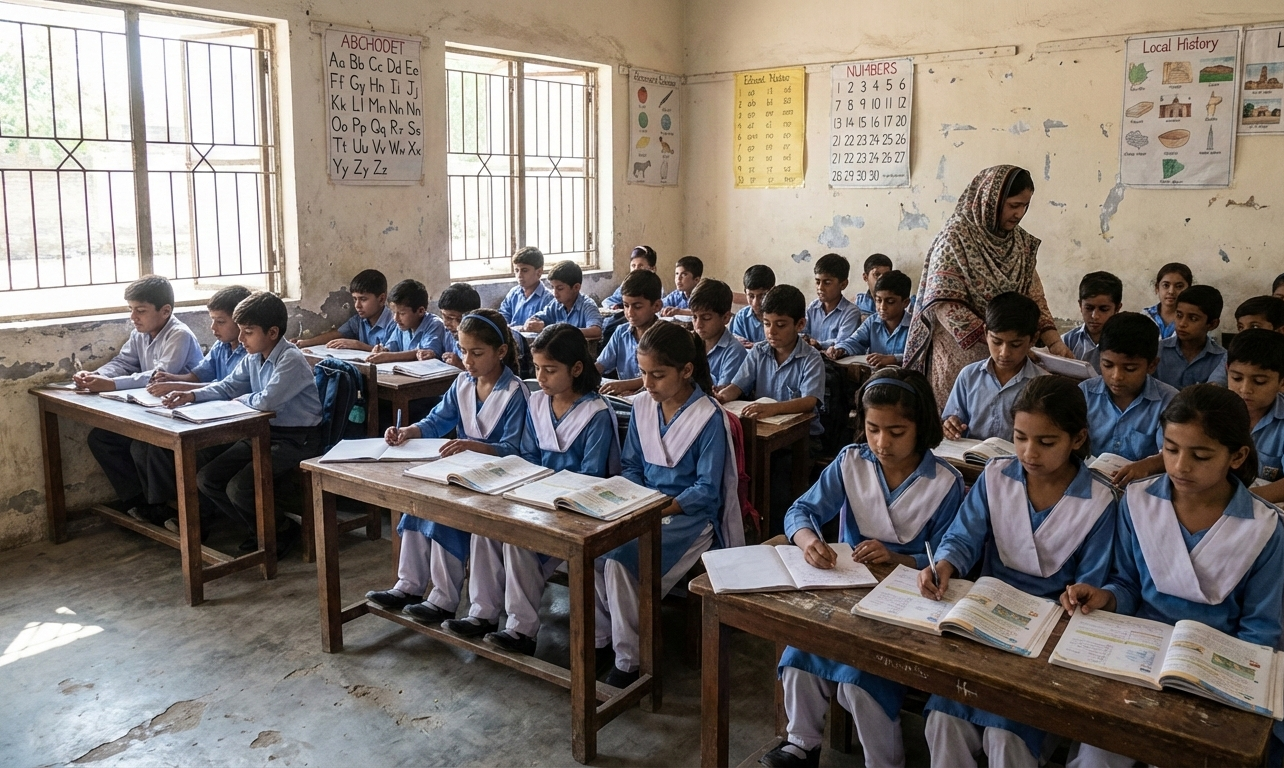
Education inequality in Pakistan varies significantly by region. Urban centers tend to have better infrastructure, more trained teachers, and greater access to educational resources. In contrast, rural and underserved areas often lack basic facilities such as safe classrooms, clean water, and learning materials.
Minority communities are frequently concentrated in areas with limited development. Schools in these regions may be overcrowded or understaffed, making it difficult for students to receive individual attention. When resources are stretched thin, minority students are often the first to fall behind. This regional imbalance reinforces education inequality and makes upward mobility more difficult for already marginalized groups.
Poverty and Financial Barriers to Schooling
Poverty remains one of the strongest contributors to minority education challenges in Pakistan. Although public education is officially low-cost, hidden expenses create significant access issues. Families must cover costs for uniforms, books, stationery, transportation, and examination fees.
For households struggling to meet basic needs, education becomes a secondary priority. Children may be asked to work, assist with household duties, or care for younger siblings. These responsibilities reduce attendance and limit time for homework or rest. Over time, irregular attendance leads to poor academic performance and increased dropout rates. Poverty-driven access issues continue to restrict educational opportunities for minority children across the country.
Social Exclusion and Discrimination in Schools
Social exclusion plays a significant role in shaping minority education experiences. Minority students may face subtle or overt discrimination from peers or within the broader school environment. This can include being ignored in classroom discussions, excluded from group activities, or treated differently due to cultural or religious identity.
These experiences affect more than academic outcomes. Children who feel unwelcome often develop anxiety, low self-esteem, and a reluctance to attend school. Emotional stress becomes a barrier in itself, reinforcing education inequality. When schools fail to foster inclusive environments, minority education challenges become more deeply rooted and harder to resolve.
Access Issues Related to Distance and Infrastructure
Physical access issues remain a major concern in many parts of Pakistan. Schools may be located far from minority communities, requiring long and sometimes unsafe travel routes. Poor road conditions, lack of transportation, and safety concerns discourage regular attendance.
For younger children, long distances are particularly challenging. Parents may hesitate to send children to school without reliable transportation or secure routes. Girls face additional restrictions due to safety concerns, further widening education inequality. Infrastructure gaps directly affect access to education and contribute to inconsistent participation.
Quality of Education and Learning Outcomes
Access to education alone does not guarantee meaningful learning. Many schools serving minority populations struggle with limited resources, outdated curricula, and insufficient teacher training. These factors affect the quality of education and learning outcomes.
Teachers in under-resourced schools often manage large class sizes, making it difficult to provide personalized support. Learning gaps widen when students do not receive adequate guidance. Minority education challenges in Pakistan are not only about enrollment but also about ensuring that students acquire essential skills and knowledge needed for long-term success.
Language and Curriculum Barriers
Language differences can create additional access issues for minority students. When instructional language differs from what children speak at home, comprehension becomes difficult. This barrier affects early learning, particularly reading and writing skills.
Curriculum content that does not reflect diverse backgrounds can also contribute to disengagement. When students do not see their experiences acknowledged, they may feel disconnected from education. Inclusive curricula help reduce education inequality by validating diverse identities and encouraging participation.
Gender-Based Inequality in Minority Education
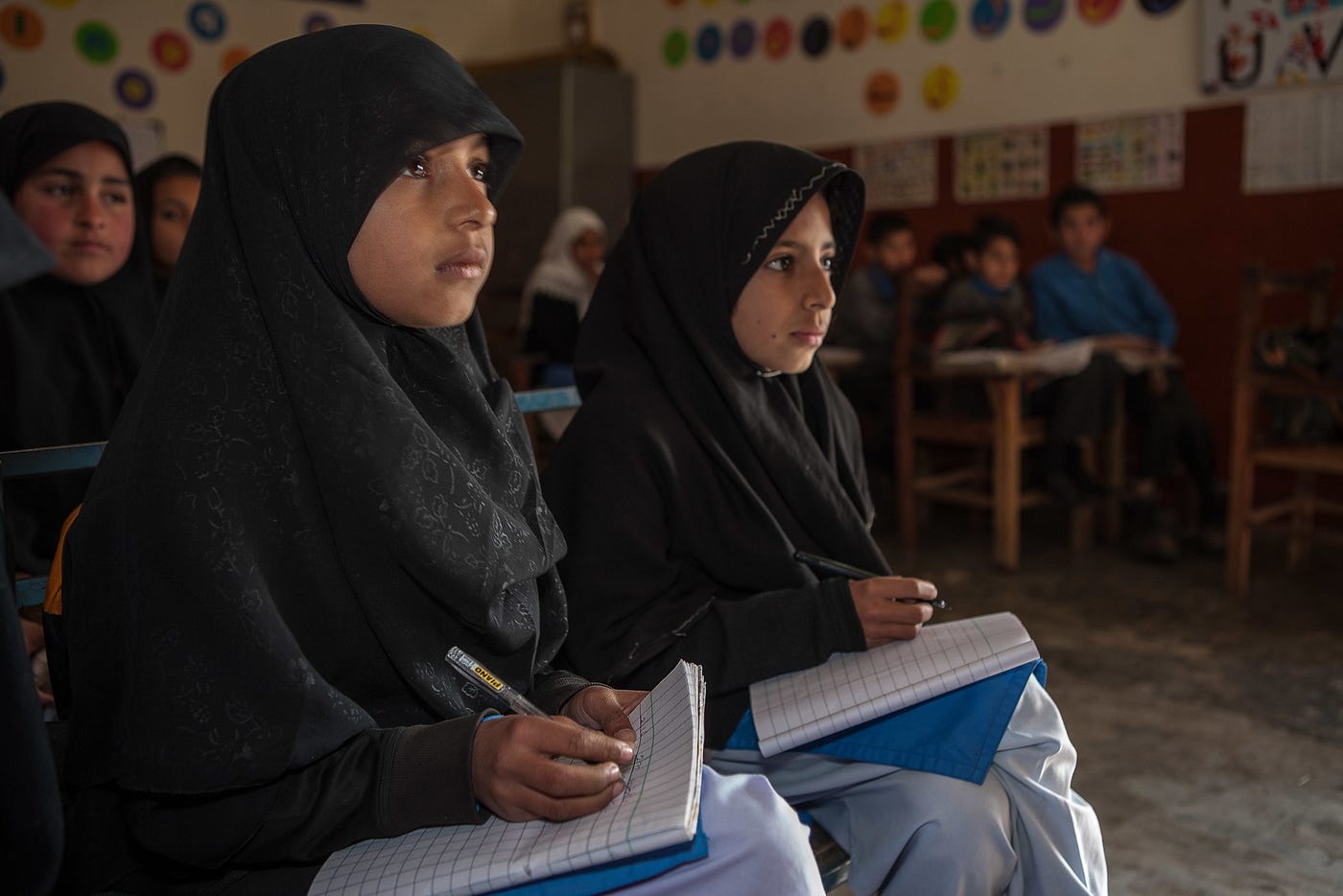
Gender inequality intersects with minority education challenges in Pakistan. Girls from minority communities often face compounded barriers. Cultural expectations, household responsibilities, and safety concerns limit their access to schooling.
In some cases, families prioritize education for boys due to financial constraints. Girls may be withdrawn from school at an early age, reducing their chances of completing basic education. These patterns reinforce long-term inequality and affect community development. Addressing gender-based access issues is essential for improving overall educational outcomes.
Health, Nutrition, and Learning Readiness
Health and nutrition significantly influence a child’s ability to attend and succeed in school. Minority communities often experience limited access to healthcare and proper nutrition. Malnutrition affects concentration, memory, and energy levels, making learning difficult.
Children who are frequently ill or undernourished miss school more often and struggle to keep up academically. These health-related access issues contribute to absenteeism and poor performance. Supporting student well-being is an important part of reducing education inequality and improving attendance.
Psychological Impact of Educational Barriers
Repeated exposure to education barriers can have lasting psychological effects. Children who experience frequent disruptions may begin to doubt their abilities. Fear of failure, anxiety, and loss of motivation are common outcomes.
These emotional challenges often go unnoticed but have a significant impact on learning. Students may disengage from class participation or stop attending school altogether. Addressing minority education challenges in Pakistan requires attention to emotional well-being alongside academic support.
Community Awareness and Parental Involvement
Parental awareness plays a critical role in educational continuity. Families who understand the long-term benefits of education are more likely to prioritize schooling, even under difficult circumstances. However, minority communities often lack access to educational guidance or counseling.
Without community support networks, parents may feel isolated when facing access issues. Awareness programs and local engagement help families navigate challenges and make informed decisions. Strengthening community involvement reduces dropout rates and supports long-term educational participation.
Intergenerational Effects of Limited Education
Education inequality does not affect only one generation. When children lack access to education, the consequences extend into adulthood and influence future families. Limited education reduces employment opportunities and economic stability, perpetuating cycles of poverty.
Parents who did not complete their education may struggle to support their children academically. This intergenerational pattern reinforces minority education challenges in Pakistan. Breaking these cycles requires sustained investment in education and community support.
Role of Policy and Institutional Support
Government policies play a crucial role in addressing education inequality. While national frameworks exist, implementation gaps often limit their effectiveness. Minority communities may struggle to access benefits due to lack of information or administrative barriers.
Policy alignment with ground realities is essential for reducing access issues. Inclusive planning, data-driven decision-making, and community consultation help ensure that education systems serve all populations fairly. Institutional support must reflect the diversity of student needs.
Role of Nonprofits in Addressing Access Issues
Nonprofit organizations often help bridge gaps in education access, particularly for marginalized communities. They provide support such as school fee assistance, learning materials, and community outreach programs.
MinorCare Foundation is a nonprofit organization focused on supporting education for underprivileged Christian children in Pakistan by addressing financial and access barriers that prevent consistent schooling. By helping families manage education-related challenges, such initiatives contribute to continuity in learning and long-term educational stability.
Nonprofits also raise awareness about education inequality and advocate for inclusive practices. Their efforts complement public systems by reaching communities that may otherwise be overlooked.
Importance of Inclusive and Safe Learning Environments
Safe and inclusive schools are essential for reducing minority education challenges. Children learn best when they feel respected, protected, and supported. Inclusive environments promote participation and improve academic outcomes.
Teacher training, community engagement, and inclusive policies help create welcoming spaces for all students. When diversity is acknowledged and valued, education inequality decreases. Safe learning environments also encourage parents to trust education systems and keep children enrolled.
Long-Term Benefits of Reducing Education Inequality
Reducing education inequality benefits not only individuals but society as a whole. Educated populations contribute to economic growth, social stability, and civic participation. Addressing minority education challenges in Pakistan supports national development goals.
When children receive consistent education, they are more likely to pursue higher learning, secure stable employment, and support their families. Education becomes a foundation for dignity, opportunity, and social cohesion.
Conclusion
Minority education challenges in Pakistan are rooted in education inequality, access issues, and systemic barriers that affect daily life. Poverty, discrimination, limited infrastructure, and social exclusion continue to restrict educational opportunities for many children. These challenges affect not only academic outcomes but also emotional well-being and long-term stability.
Understanding these barriers is the first step toward meaningful change. Inclusive policies, community engagement, and sustained support can reduce inequality and improve access to education. When education systems work for everyone, children from all backgrounds gain the opportunity to learn, grow, and contribute positively to society. Education remains one of the most powerful tools for building a more equitable and resilient future.
메타데이터
- post_id
- 8a5491ce384e
- slug
- minority-education-challenges-in-pakistan-explained-8a5491ce384e
- url
- https://medium.com/@minorcarefoundation/minority-education-challenges-in-pakistan-explained-8a5491ce384e
- canonical_url
- https://medium.com/@minorcarefoundation/minority-education-challenges-in-pakistan-explained-8a5491ce384e
- author_url
- https://medium.com/@minorcarefoundation
- status
- ok
- fetched_at
- 2026-08-02 09:08:29